Custom Precision Iron and Stainless/Carbon Steel Casting Parts | Sand, Lost Wax and Die-Cast Services
Let’s define your requirement
Send a product link, drawing or short brief. We’ll work through the details with you.
- Confirm the specificationGrade or model, size and intended use.
- Define your orderQuantity, finish or configuration, and samples.
- Agree the quotation scopeIncluded work, key checks and delivery needs.
-
MaterialSteel/Carbon Steel customized
-
ApplicationMachinery PartsProcessCasting +Machining(if Need)+surface Treatment
-
Machining ProcessMachining CenterHeat treatmentTempering/T6 Heat Treatment customized
-
MOQ1000Manufacturing ProcessSand Casting/ customized
-
ServiceCustomized OEMQuality ControlISO/TS16949:2002/ISO9001
-
Surface treatmentCustomers' Demand
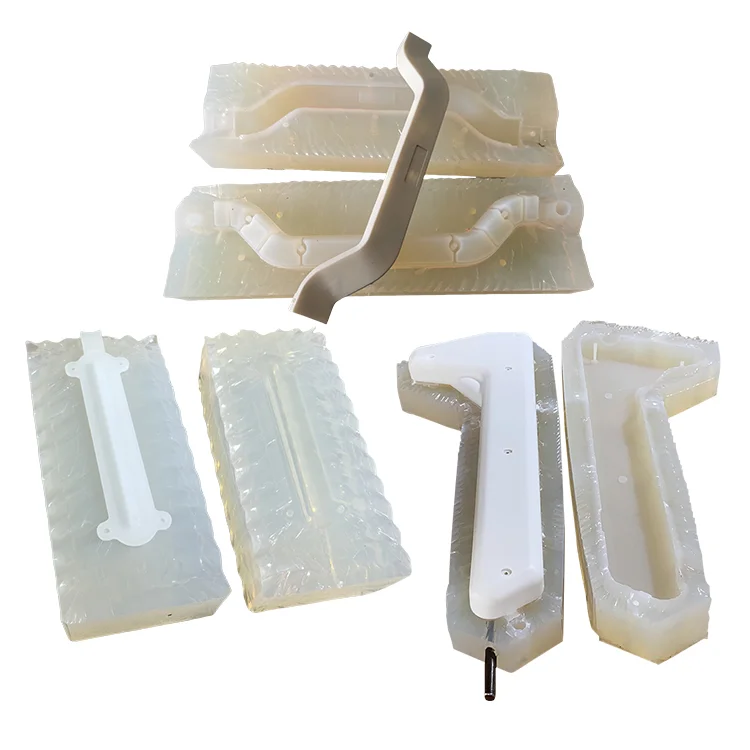
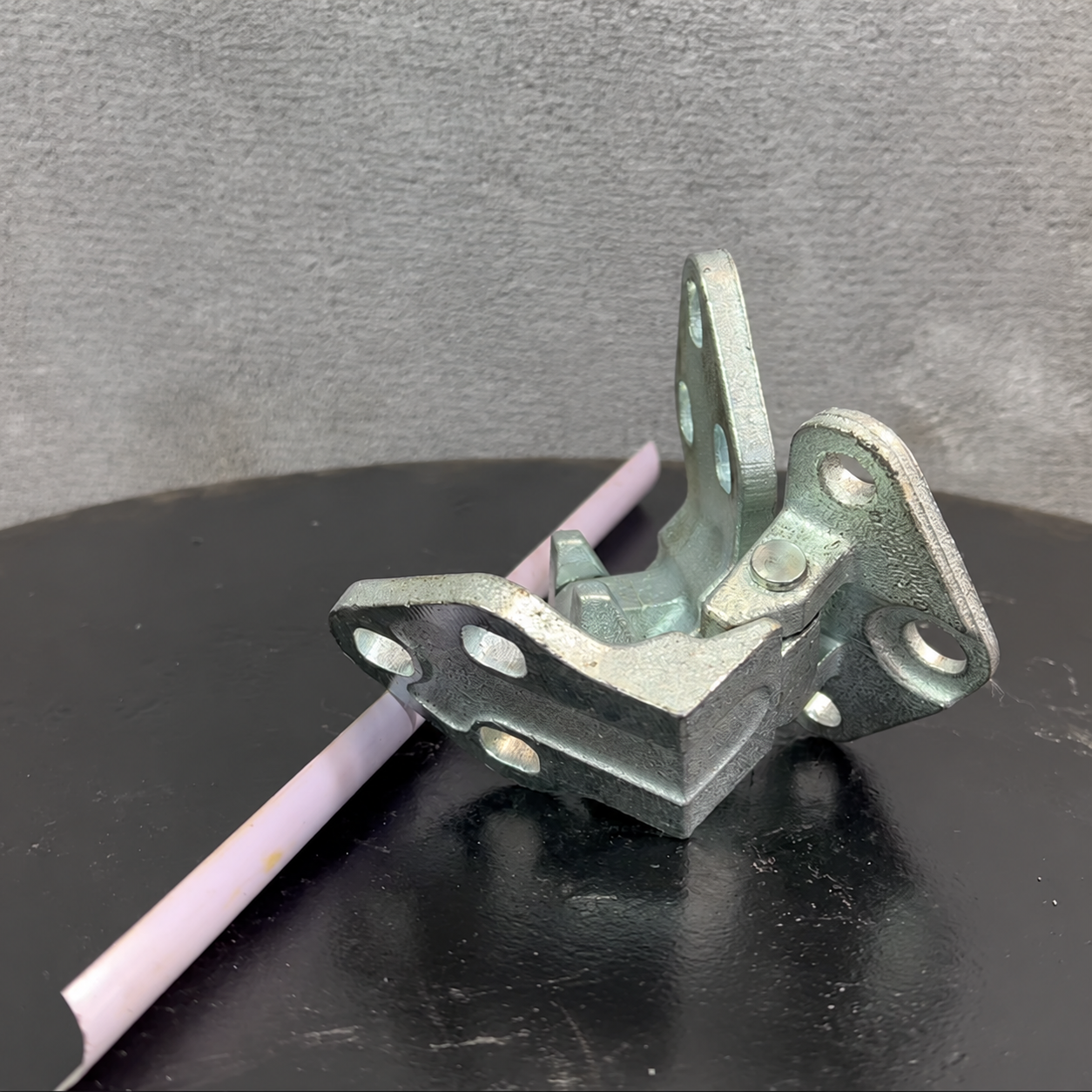
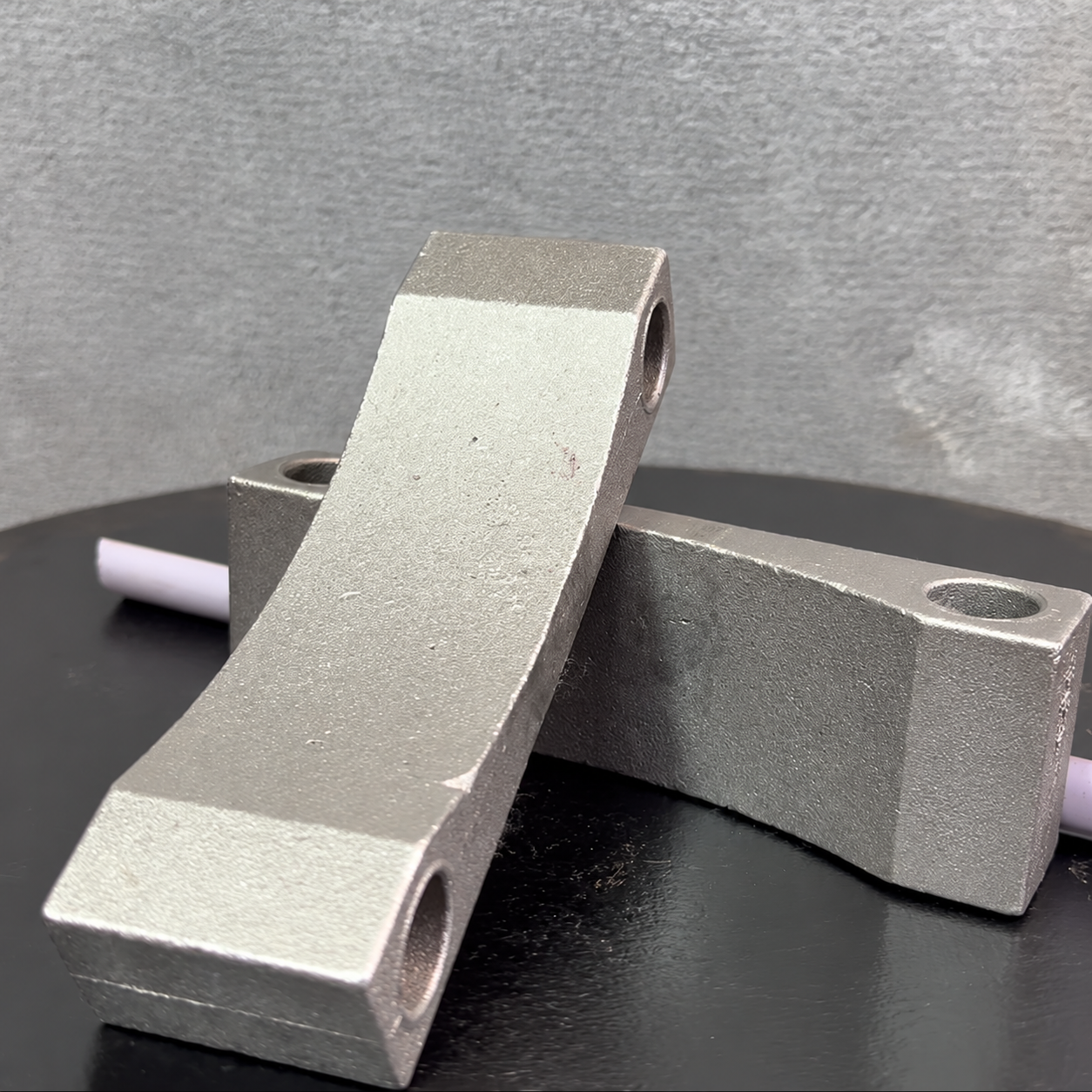
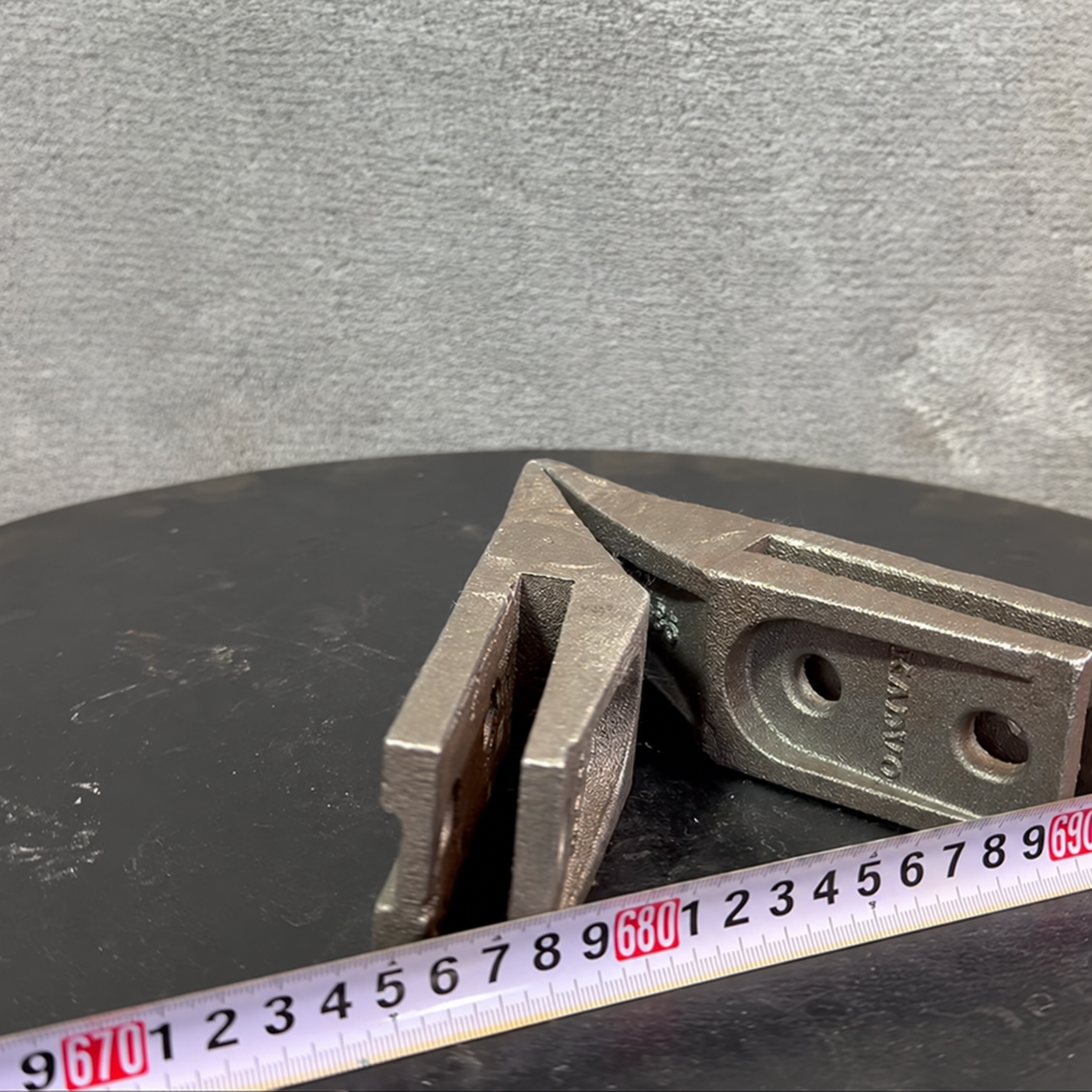
Custom OEM machinery casting enquiries cover steel and carbon steel, with iron and stainless steel as additional material scope. Sand casting is the detailed manufacturing route, while lost-wax and die-casting projects need a selected material and process plan.
Choose the route around the machinery component
Start with the actual alloy, component geometry and intended machinery duty. Agree whether sand casting or another casting route suits that project, keeping the material and process choice connected. Define the critical interfaces and final dimensional acceptance on the drawing. This gives the custom part a manufacturing target that reflects its role in the machinery, rather than treating the full material and route menu as one universal combination.
Connect needed machining with the final surface
The service sequence includes casting, machining when needed and surface treatment to customer demand. Machining-center work is available within that scope. Identify the interfaces requiring it and agree the final surface treatment with the selected alloy and drawing requirements. Keep the dimensional and surface acceptance together so that the secondary work can be reviewed as part of the completed machinery component.
Agree the heat-treatment and quality scope
Tempering and T6 heat-treatment enquiries require an alloy-compatible plan for the selected part. Define the required material condition and confirm the applicable treatment before approval. Quality-control scope includes ISO/TS16949:2002 and ISO9001; review the relevant certificate object and status for the project. Agree any inspection characteristics and acceptance with the chosen route, machining and surface requirements. The final review should connect those requirements to the actual component drawing and operating duty.