
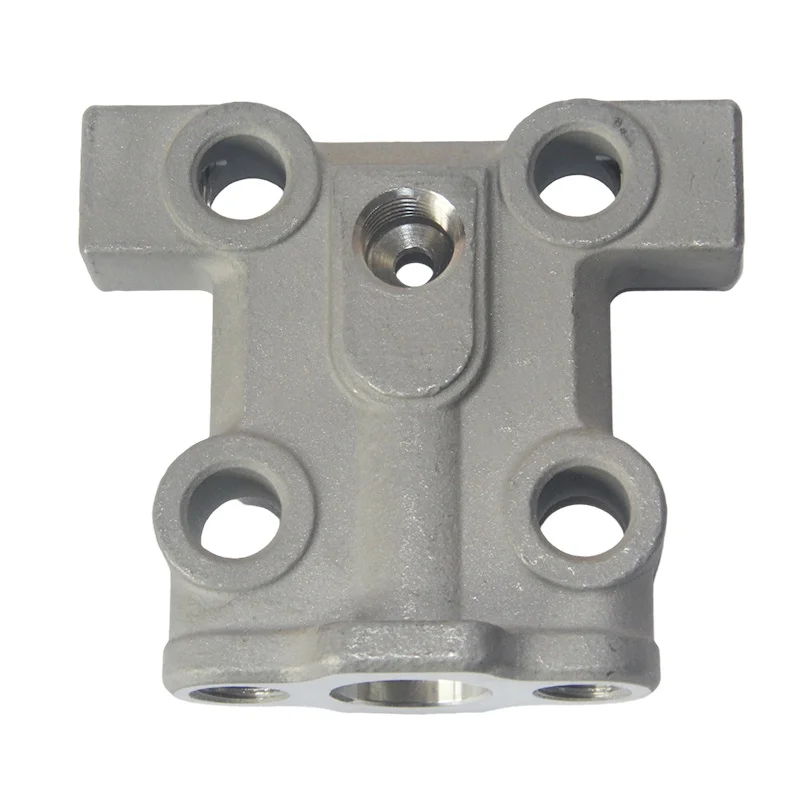
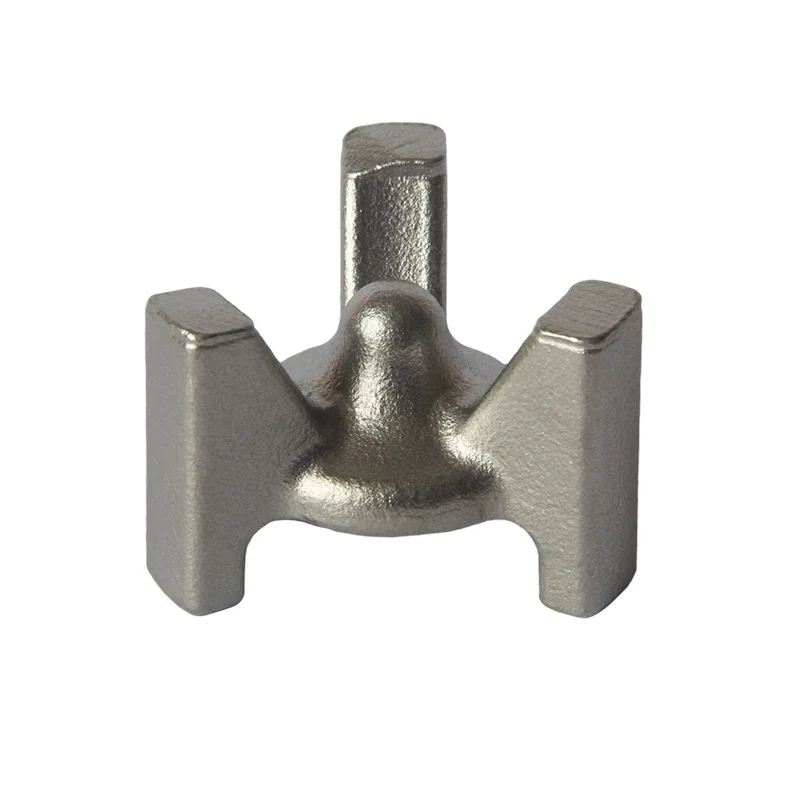
Custom Precision Brass/Stainless-Steel/Steel Parts | OEM/ODM Investment, Sand and Lost-Wax Casting Services
Let’s define your requirement
Send a product link, drawing or short brief. We’ll work through the details with you.
- Confirm the specificationGrade or model, size and intended use.
- Define your orderQuantity, finish or configuration, and samples.
- Agree the quotation scopeIncluded work, key checks and delivery needs.
-
MaterialSteelApplicationIndustry
-
SizeCustomized SizeProcessLost Wax Casting
-
StandardInternational Certification StandardsQuality ControlProfessional Inspection
-
ServiceOEM ODM CustomisedProduct nameCustom Casting Parts
-
Surface treatmentLost Wax CastingShapeCustomized Shape
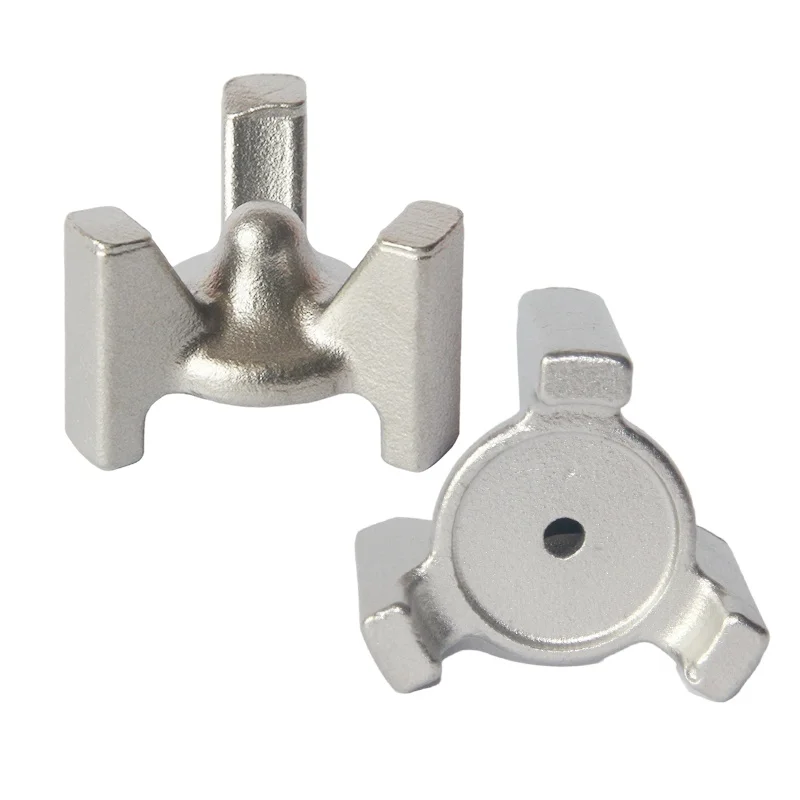
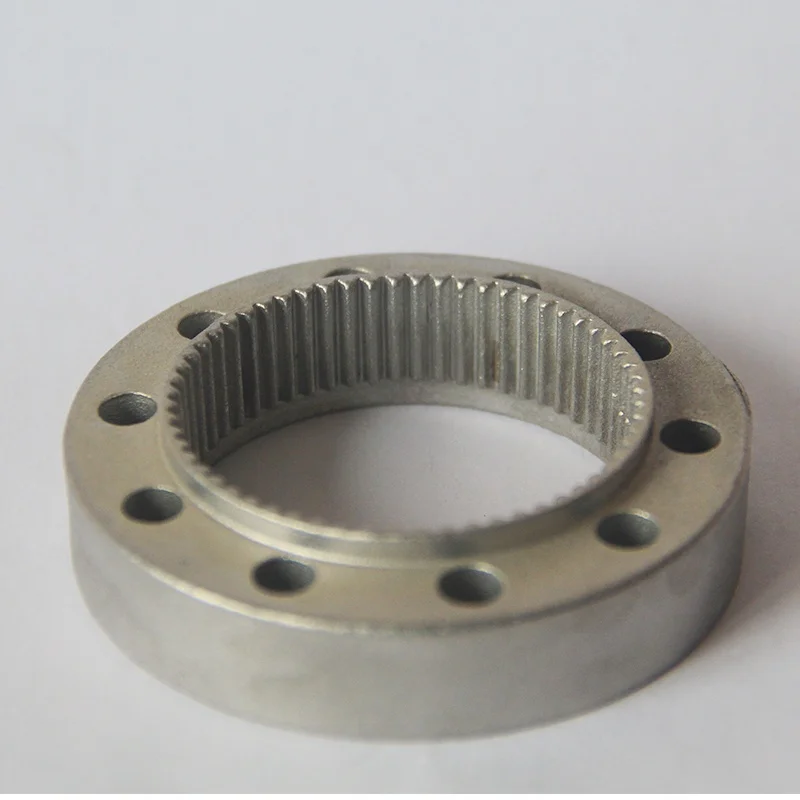
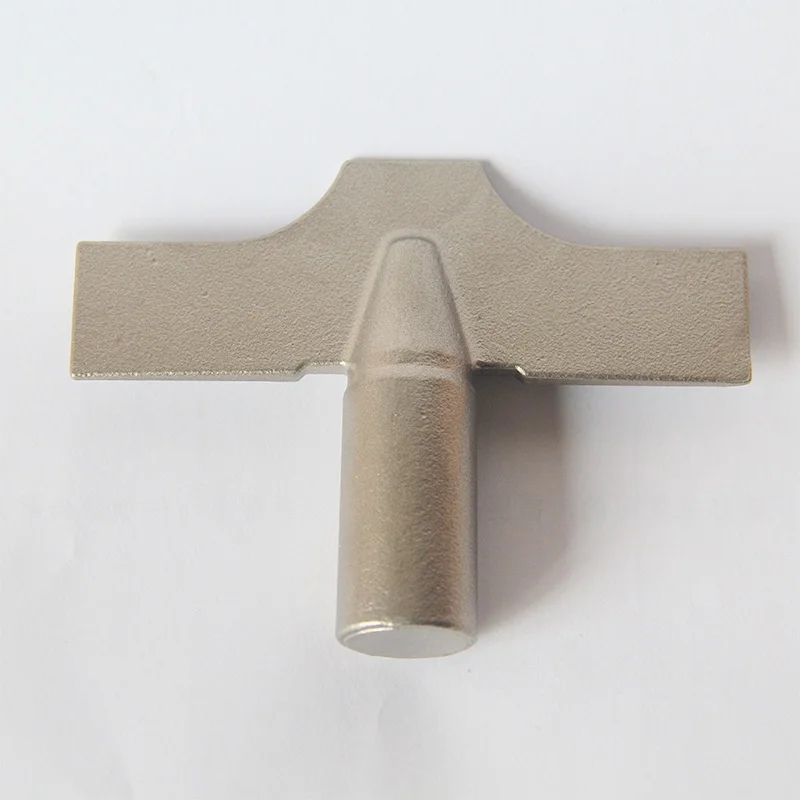
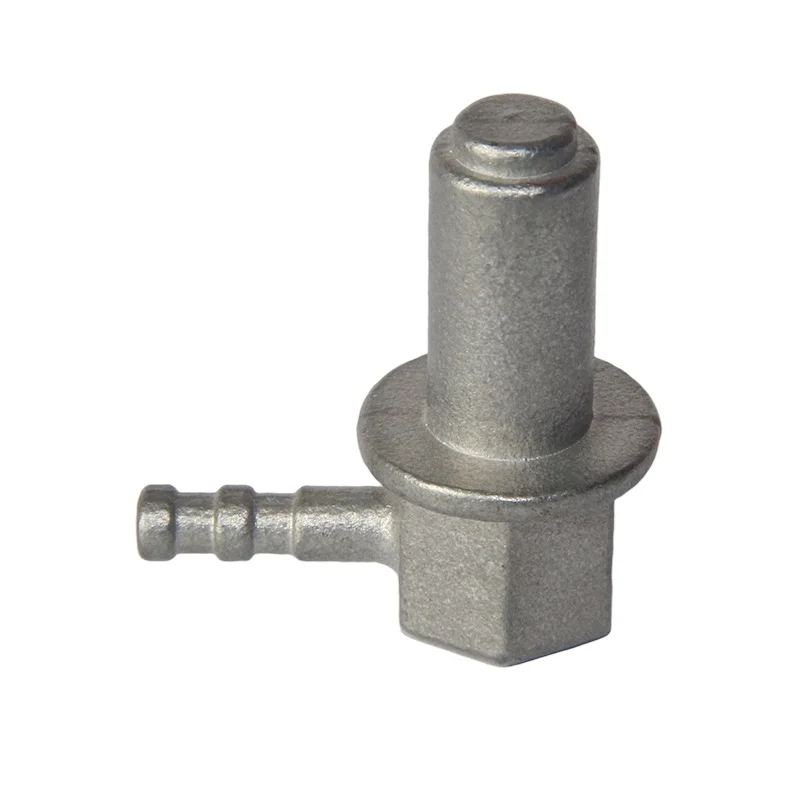
Custom industrial cast-part inquiries include brass, stainless steel and steel directions for the selected component. Investment/lost-wax and sand casting are routes to define against the actual material and geometry. OEM/ODM work supports customized size and shape, with professional inspection forming part of the quality direction.
Material and casting route for the industrial part
Select the exact material grade and condition required by the component, then establish which casting route applies to that work. Brass, stainless-steel and steel directions provide starting points for the material discussion. The intended industrial function, mating interfaces and operating duty should inform the choice, keeping the process scope tied to a defined component requirement.
Customized size and shape with actual acceptance
Custom size and shape should be defined through the geometry needed for the selected part. Identify the dimensions important to fit and the required surface condition for the actual material. Agree the applicable standard designation and dimensional/tolerance acceptance with those requirements, so the custom casting scope describes the finished component rather than an unspecified shape.
Professional inspection within the OEM/ODM scope
Professional inspection is a quality direction for the custom castings. Define the actual checks and criteria against the chosen material, dimensions and surface requirements. The inspection scope can then be considered together with the casting route, customized geometry and intended duty. That component definition provides a useful basis for discussing the required OEM/ODM work and finished acceptance.








