
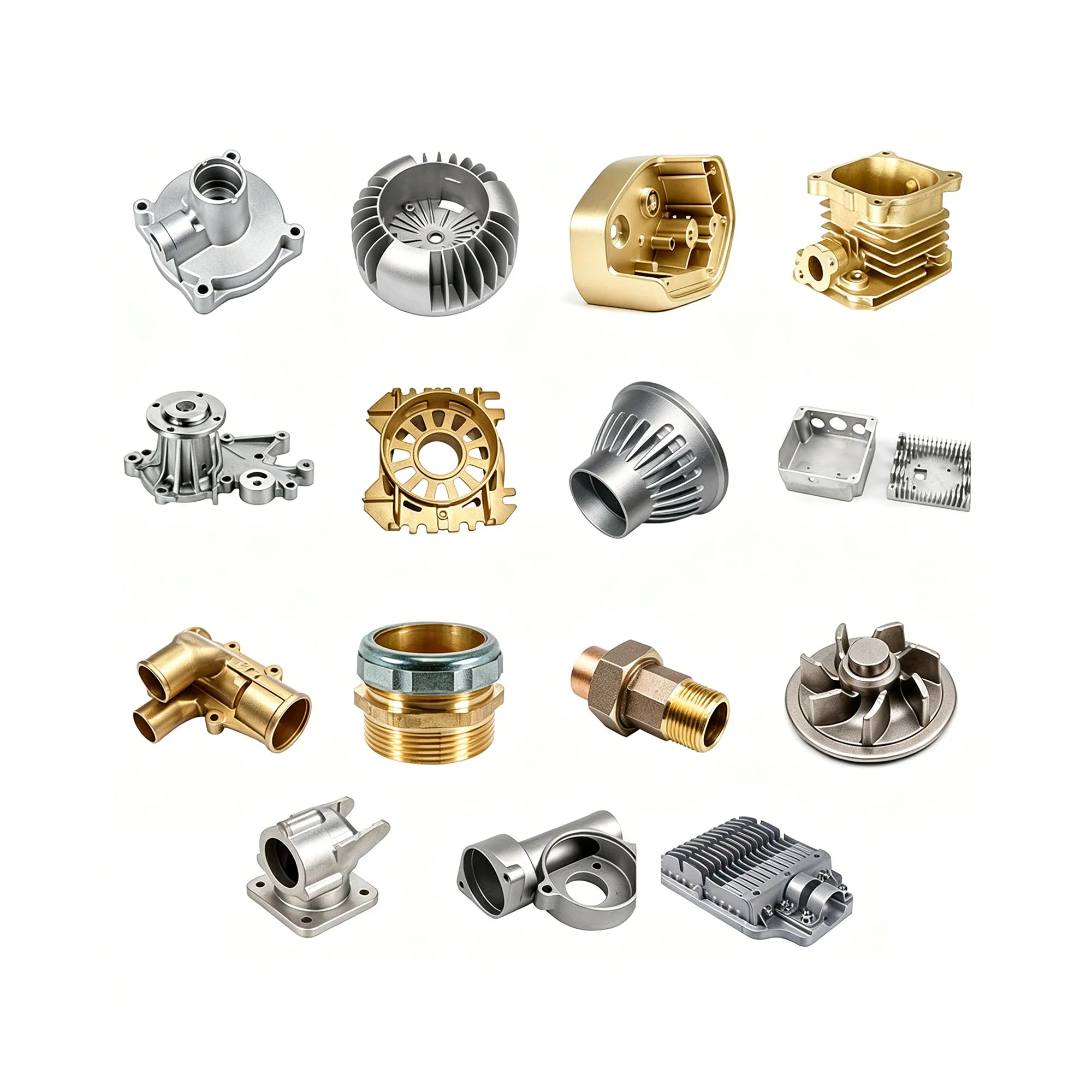
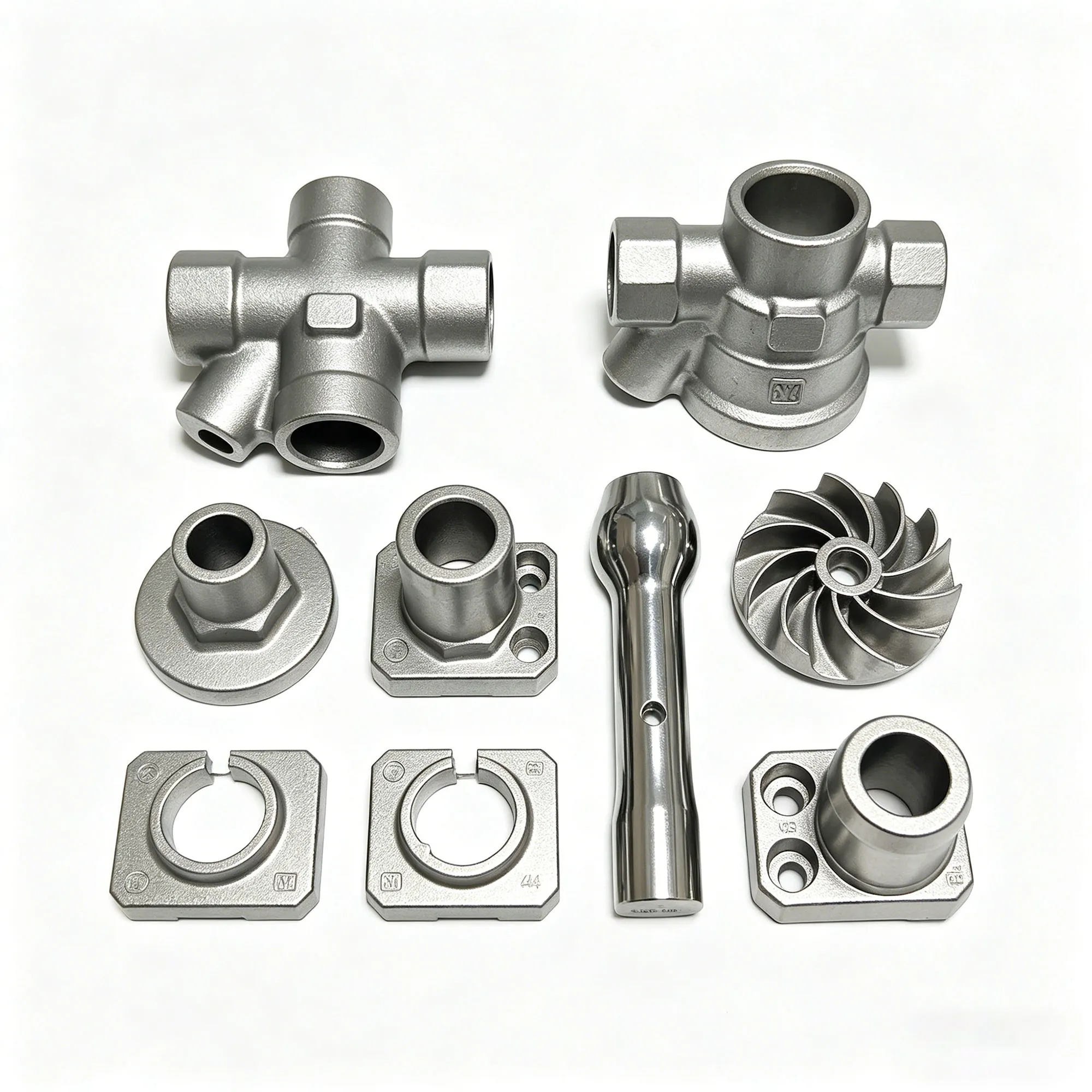
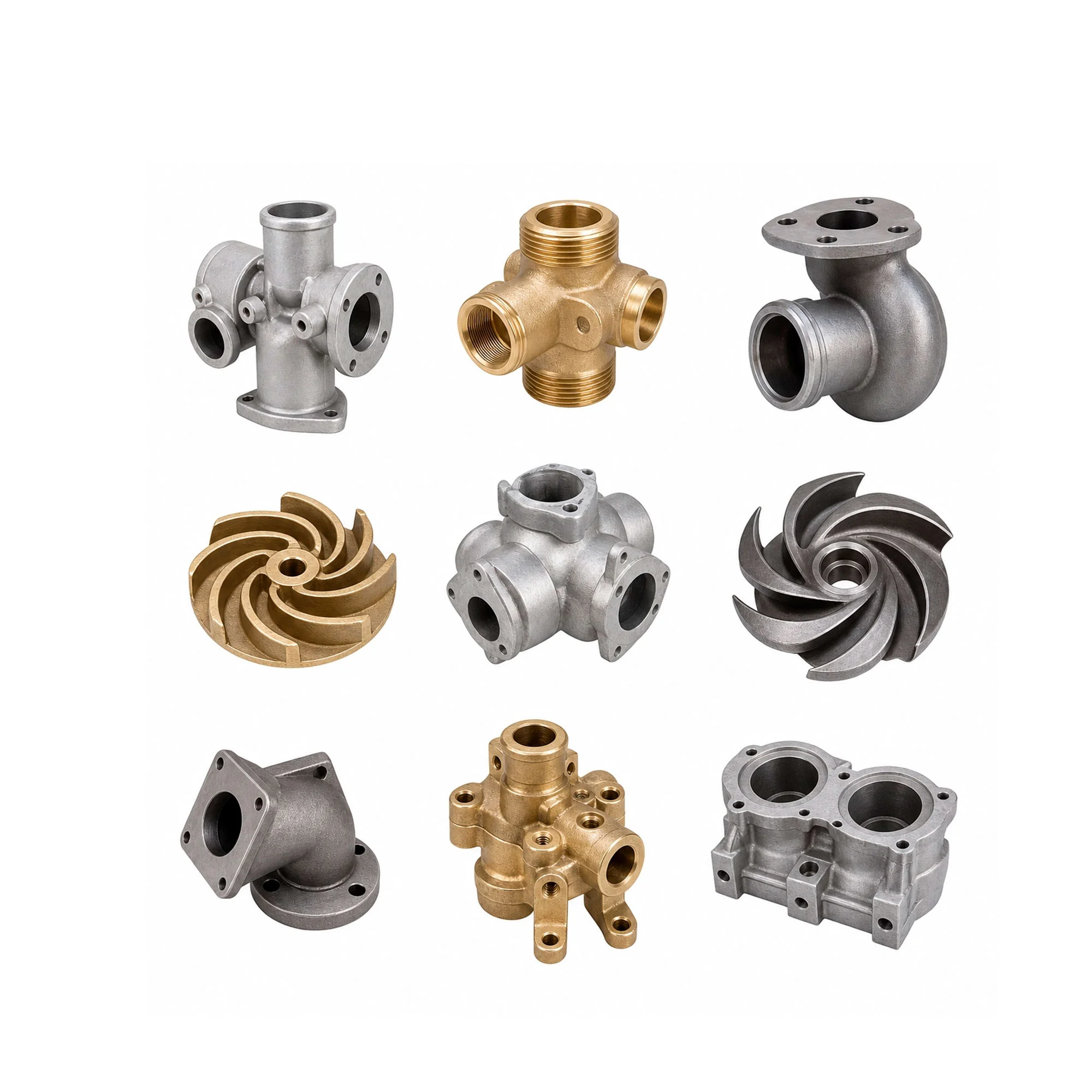
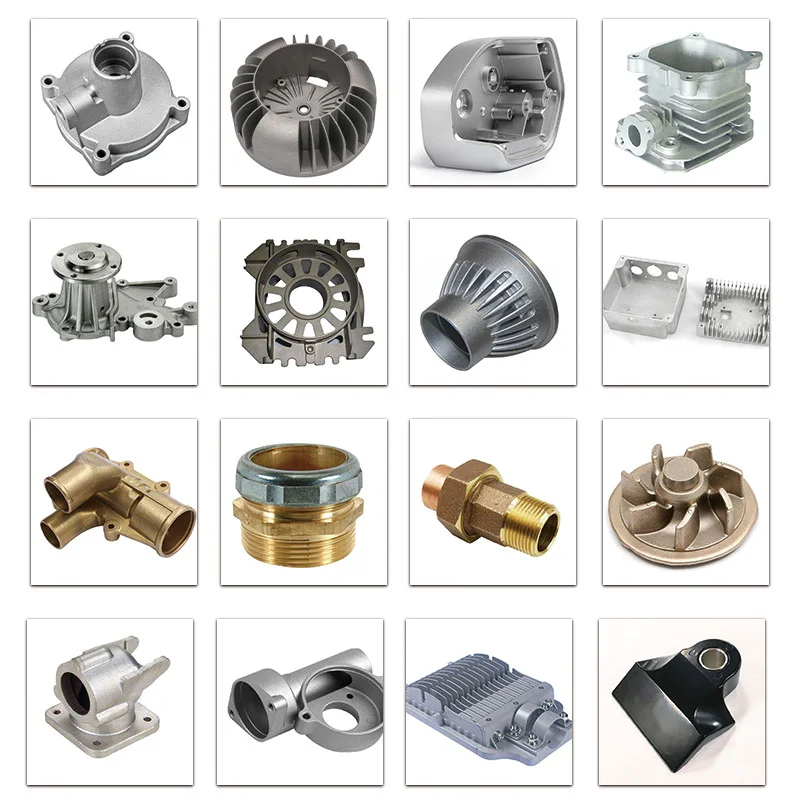
Custom Carbon-Steel/Stainless-Steel/Aluminum-Alloy Sandblasted Investment/Lost-Wax Cast Components | ±0.02mm, Ra3.2–Ra6.3
Let’s define your requirement
Send a product link, drawing or short brief. We’ll work through the details with you.
- Confirm the specificationGrade or model, size and intended use.
- Define your orderQuantity, finish or configuration, and samples.
- Agree the quotation scopeIncluded work, key checks and delivery needs.
-
ProcessInvestment casting/Lost wax
-
materialCarbon steel/Stainless steel/Aluminum alloysDimensionCustomized
-
Quality Control100% InspectionApplicationIndustrial, commercial, Household, Automotive parts
-
Tolerance+/- 0.02 mmRoughnessRa3.2-Ra6.3
-
PackageWooden palletExport experienceMore than 10 years
-
MOQ100 Pieces
Custom sandblasted casting components combine carbon-steel, stainless-steel or aluminum-alloy material directions with investment/lost-wax production. Dimensions can be customized for the actual part. The precision references are ±0.02mm and Ra3.2–Ra6.3, with 100% inspection supporting requests for industrial, commercial, household and automotive components.
Choose the material for the component geometry
Select the actual carbon-steel, stainless-steel or aluminum-alloy grade and define the geometry of the requested part. Relate that selection to the industrial, commercial, household or automotive use being addressed. Keep the chosen material and custom dimensions together when defining the investment/lost-wax casting request and the supplied condition required for acceptance.
Locate the tolerance and sandblasted surface requirements
The ±0.02mm reference needs the controlled dimensions and manufacturing stage identified for the actual component. Ra3.2–Ra6.3 provides the roughness direction, with the measurement unit and applicable surfaces to confirm. Define the sandblasted areas and agree how the selected surface condition will be accepted alongside the component dimensions. Identify the actual sandblasting condition for each selected area.
Connect full inspection to the finished component
The sandblasted custom-component work is subject to 100% inspection. Agree the dimensional and finished-surface criteria for the selected grade, geometry and intended use. Review those criteria with the tolerance stage, roughness requirement and sandblasted areas kept explicit. This gives the component request a coherent acceptance basis for the actual material and finished condition being supplied.








