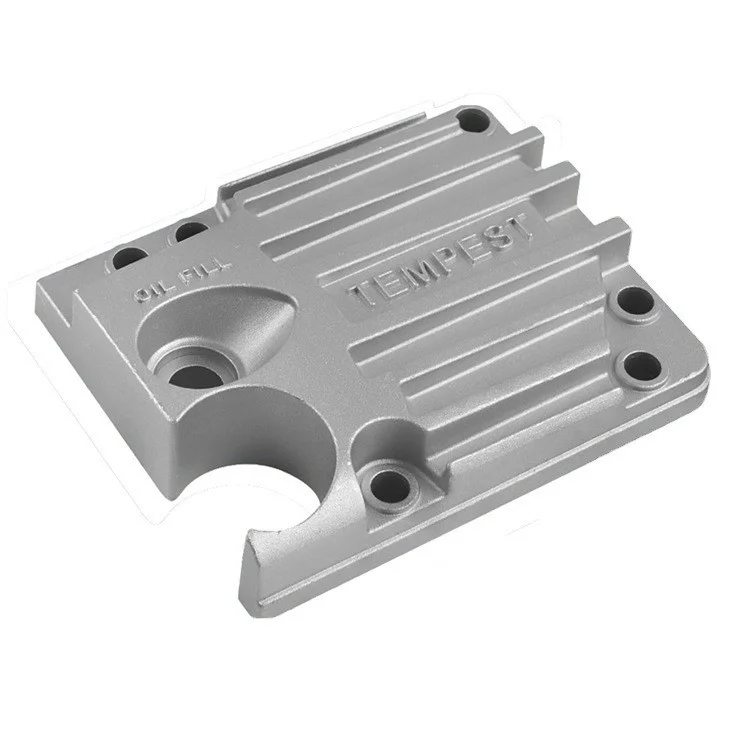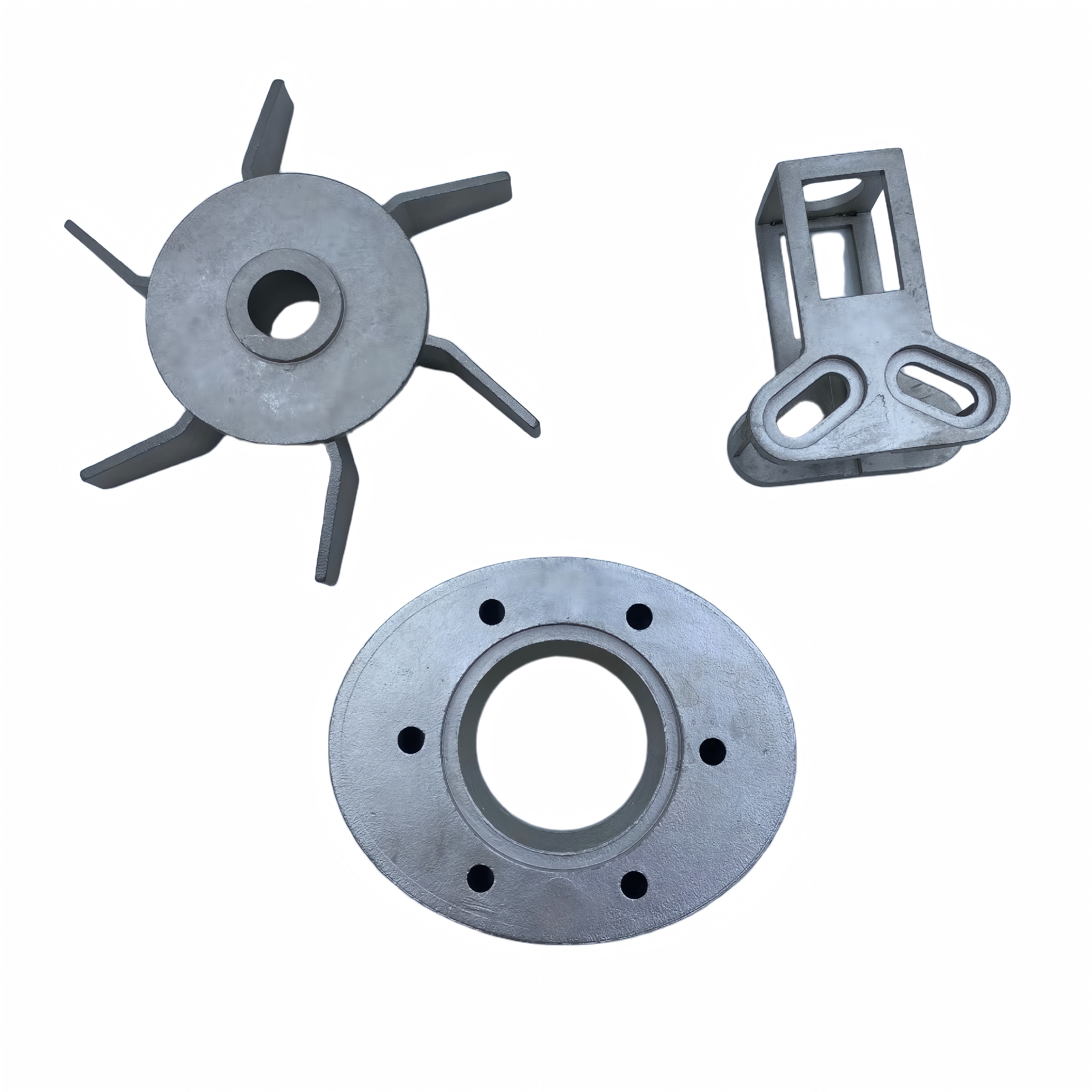
Custom 304/316 Stainless or Alloy Steel Investment Casting Inquiry, Precision Lost-Wax 40x30x20mm Reference
Let’s define your requirement
Send a product link, drawing or short brief. We’ll work through the details with you.
- Confirm the specificationGrade or model, size and intended use.
- Define your orderQuantity, finish or configuration, and samples.
- Agree the quotation scopeIncluded work, key checks and delivery needs.
-
Surface FinishSandblasted
-
SizeCustomizedMaterialsAlloy Steel
-
Product nameAxe HeadsProcessPrecision Lost Wax Investment Casting
-
Surface TreatmentSand BlastingServiceOEM ODM Customized
-
Dimensions40*30*20mmApplicationPetrochemical Machinery
-
UsageEngineCertificationISO 9001:2015
-
StandardGB ASTM AISI DIN BS
Custom precision lost-wax investment casting is available with sand blasting and OEM/ODM support. Material inquiry directions include 304/316 stainless steel and alloy steel, to be selected for the actual component. The dimensional reference is 40 × 30 × 20 mm, with custom size also available.
Confirmed component and selected steel
Identify the exact component and its function before choosing the material grade. The 304/316 stainless-steel direction and the required alloy-steel grade should be reviewed against that particular drawing and intended use. This gives the custom casting request a clear part identity and material requirement to work from.
Reference dimensions and sand-blasted condition
Use 40 × 30 × 20 mm as the reference size or define the dimensions required by the custom design. Agree the geometry, mating interfaces and drawing tolerances for that part. Sand blasting is the surface-treatment direction, with the required surface condition considered alongside dimensional and material acceptance.
Machinery role and the applicable requirement
For a petrochemical-machinery or engine component proposal, define the actual role and the conditions the chosen part must satisfy. Standard families include GB, ASTM, AISI, DIN and BS, with the applicable requirement selected for the material and component. Connect that requirement to the drawing, operating acceptance and surface criteria so that the OEM/ODM discussion addresses the proposed part. The custom scope can then be reviewed through its material, cast geometry and intended machinery function.