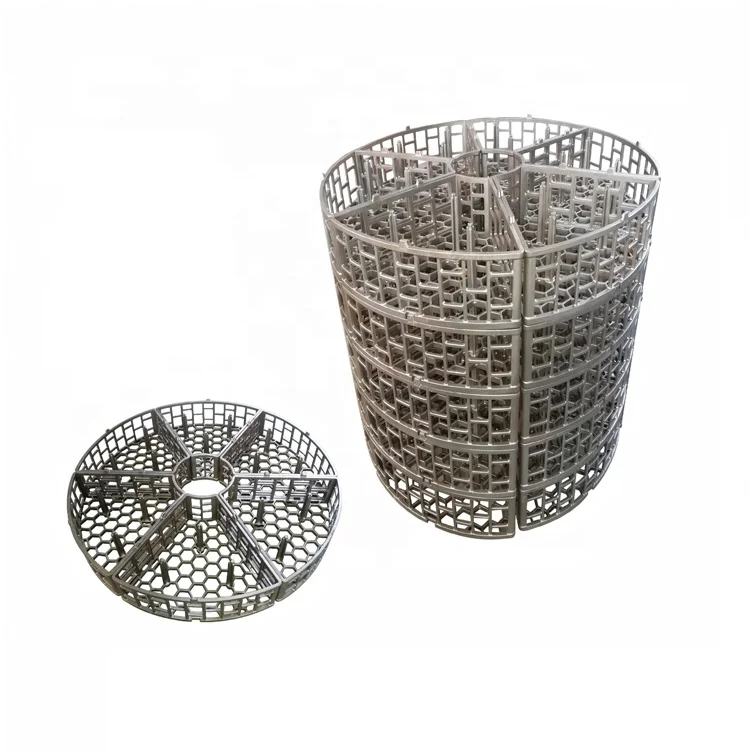
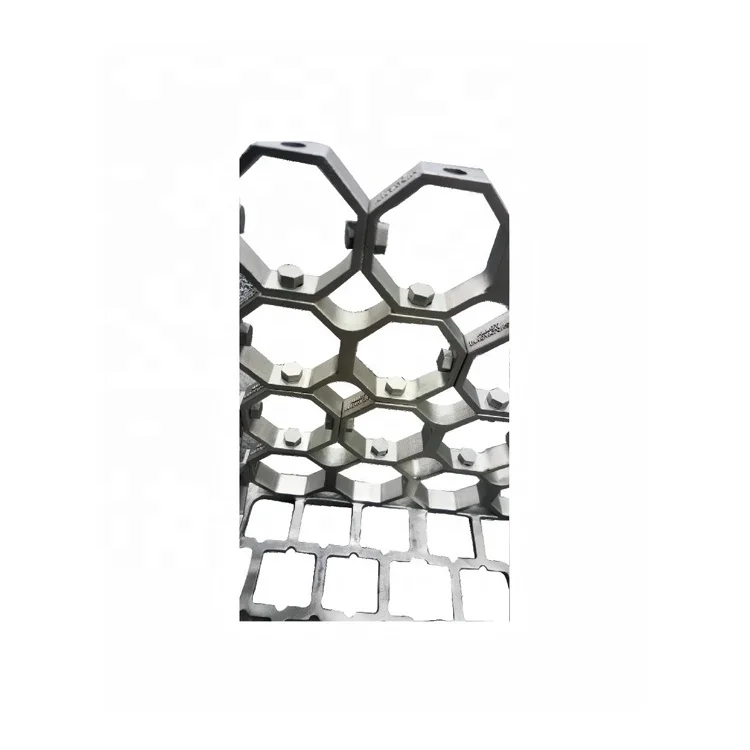
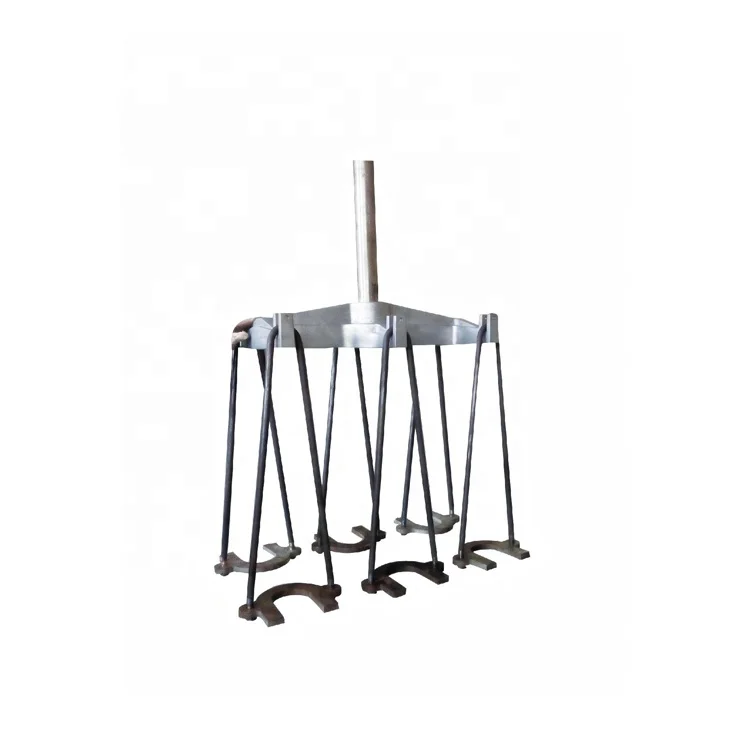
Cr25Ni35Si2 Water-Quenching Material Tray, Custom Lost-Wax Casting with Shot-Blasted Surface
Let’s define your requirement
Send a product link, drawing or short brief. We’ll work through the details with you.
- Confirm the specificationGrade or model, size and intended use.
- Define your orderQuantity, finish or configuration, and samples.
- Agree the quotation scopeIncluded work, key checks and delivery needs.
-
Surface FinishShot Blasted
-
Main MaterialCr25Ni35Si2
-
Cast TypeLost Wax CastingSurface TreatmentShot Blasting
-
Quality ControlProfessional Inspection;SpectrometerCertificationISO9001
-
ProcessCasting,Forming,Precision Finishing,Surface TreatmentCustomizedYes
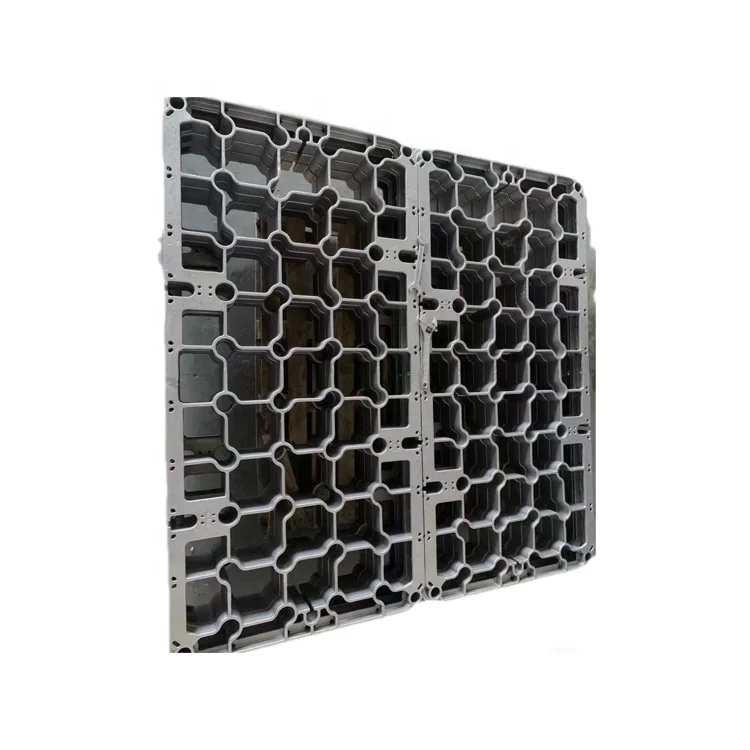
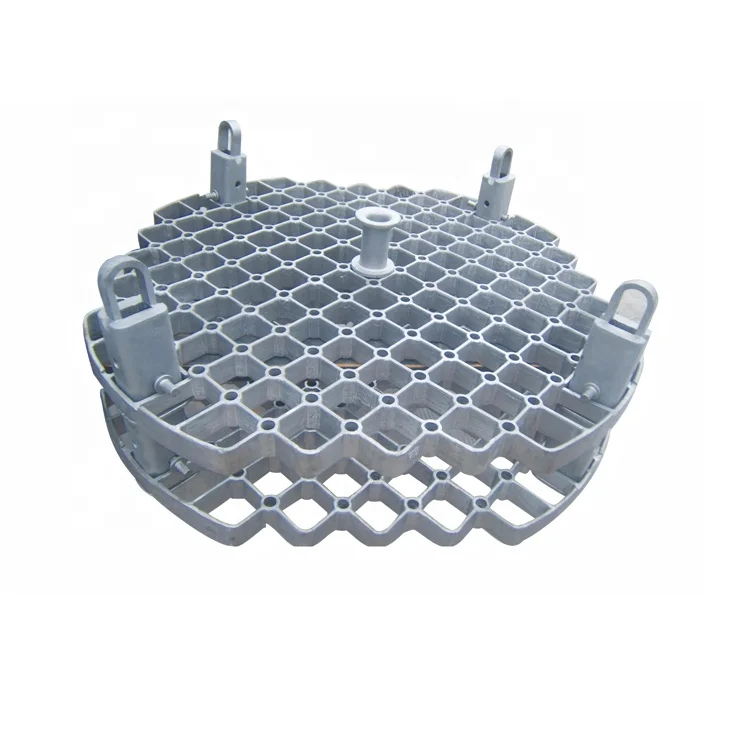
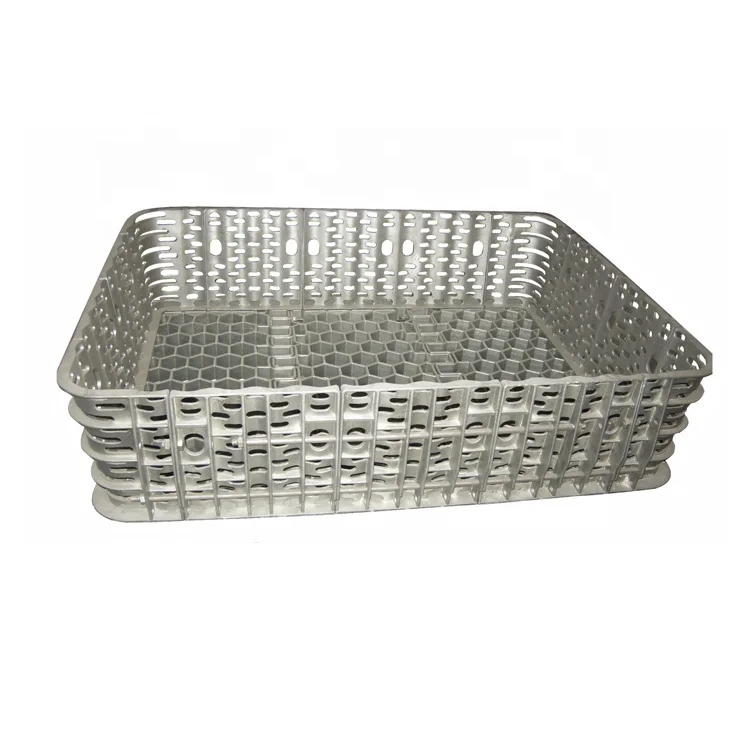
This customizable material tray is intended for water-quenching applications, with Cr25Ni35Si2 as the main material. Lost-wax casting and shot blasting establish the casting and surface direction. Casting, forming, precision finishing and surface treatment provide the process scope for the tray being considered.
Tray geometry for the quenching arrangement
Define the tray shape around the material arrangement and interfaces required by the intended operation. Dimensions, contact locations and the way the tray fits its surrounding equipment should be considered together. The custom-service direction allows the inquiry to focus on that arrangement, rather than treating the material code alone as a complete tray design.
Cr25Ni35Si2 and the process sequence
The specified Cr25Ni35Si2 material should remain connected to the chosen tray geometry throughout the casting inquiry. Review the lost-wax cast form, any forming requirements and the areas needing precision finishing. Shot blasting is the surface-treatment direction, so agree the required surface condition alongside the final dimensional acceptance. This establishes which aspects of the custom tray are being approved.
Inspection and operating acceptance
Quality-control support includes professional inspection and spectrometer capability. Agree the material and component checks needed for the actual tray, with acceptance tied to its drawing and surface requirements. The water-quenching discussion should also define the thermal cycle, loading arrangement and other operating conditions for which the tray is being considered. Bringing those conditions into the same review gives the custom manufacturing inquiry a clear component and use context.