
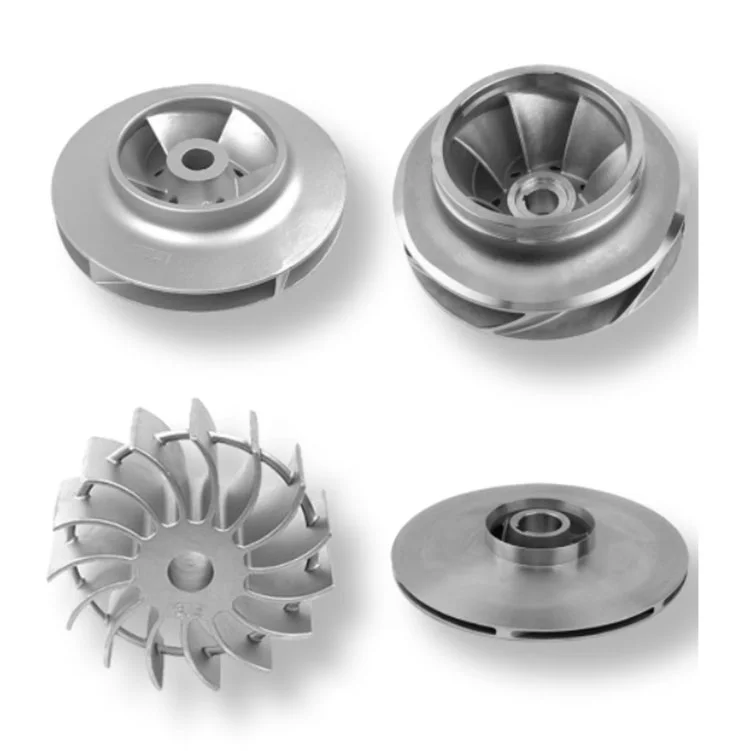
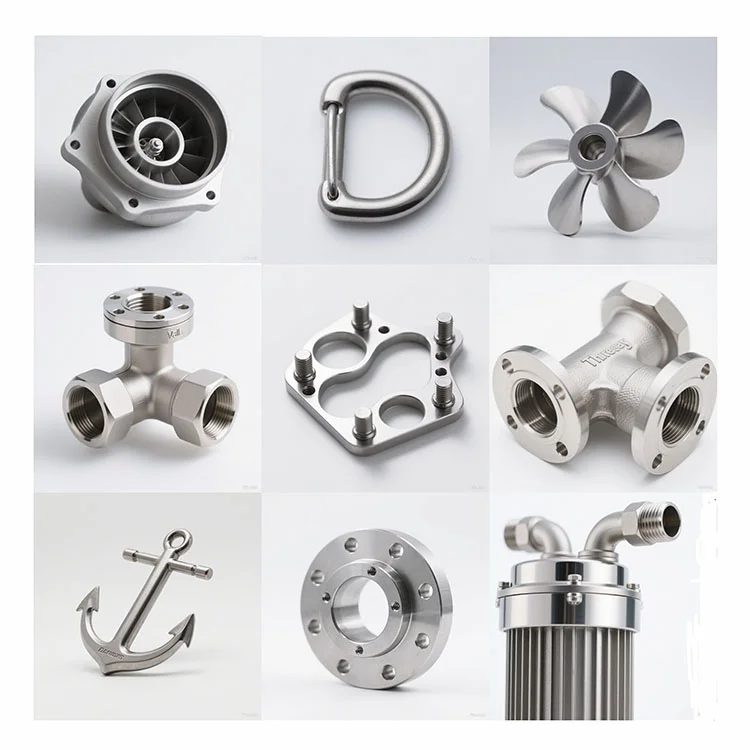
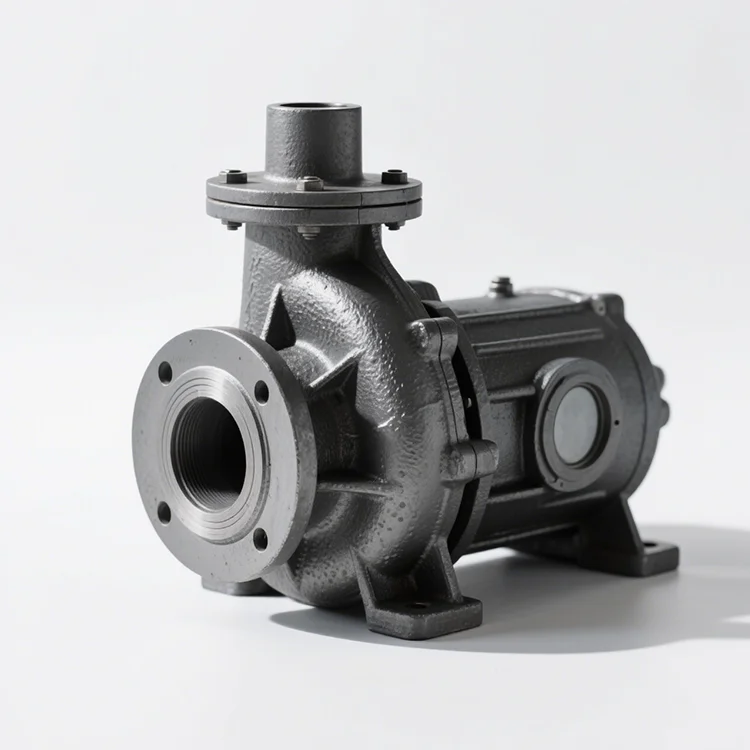
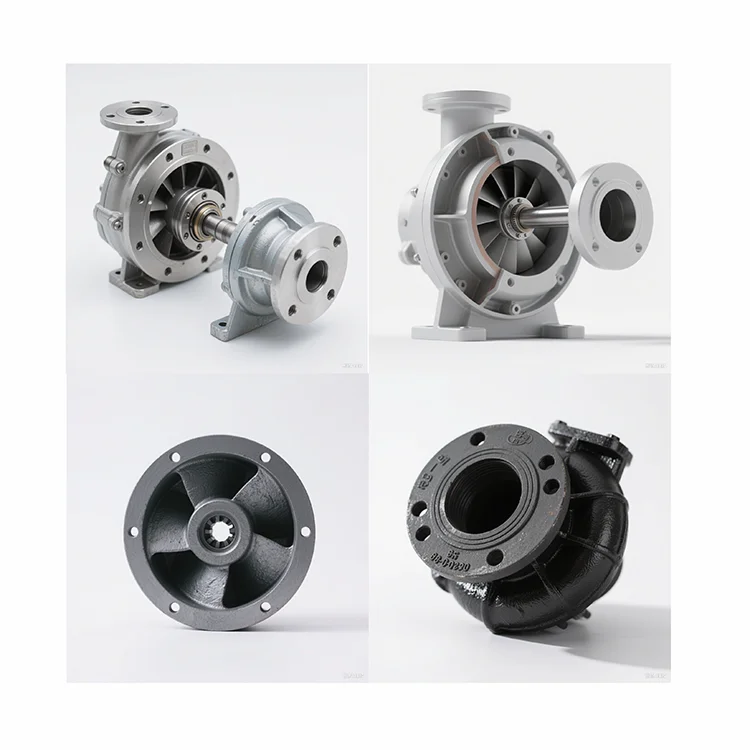
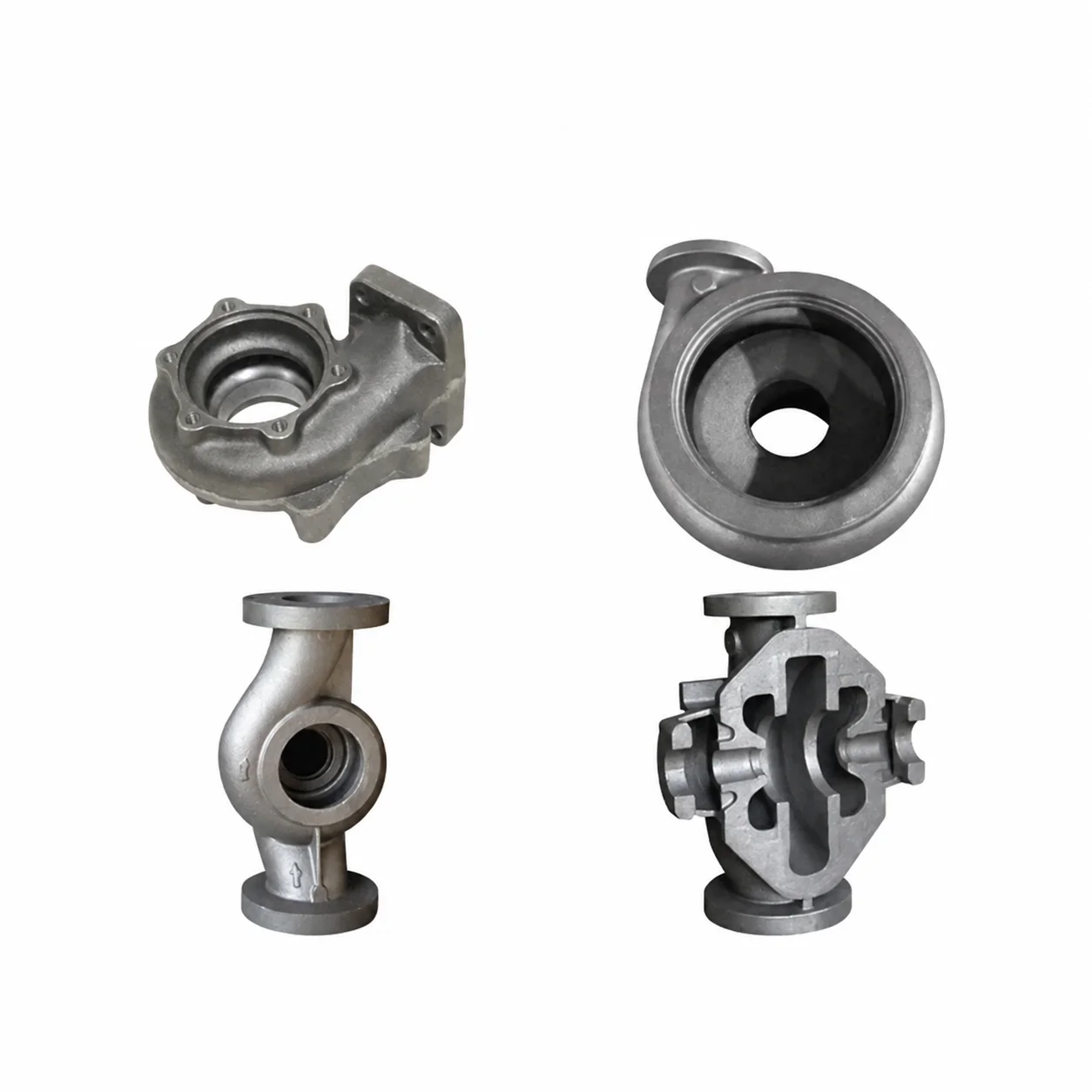
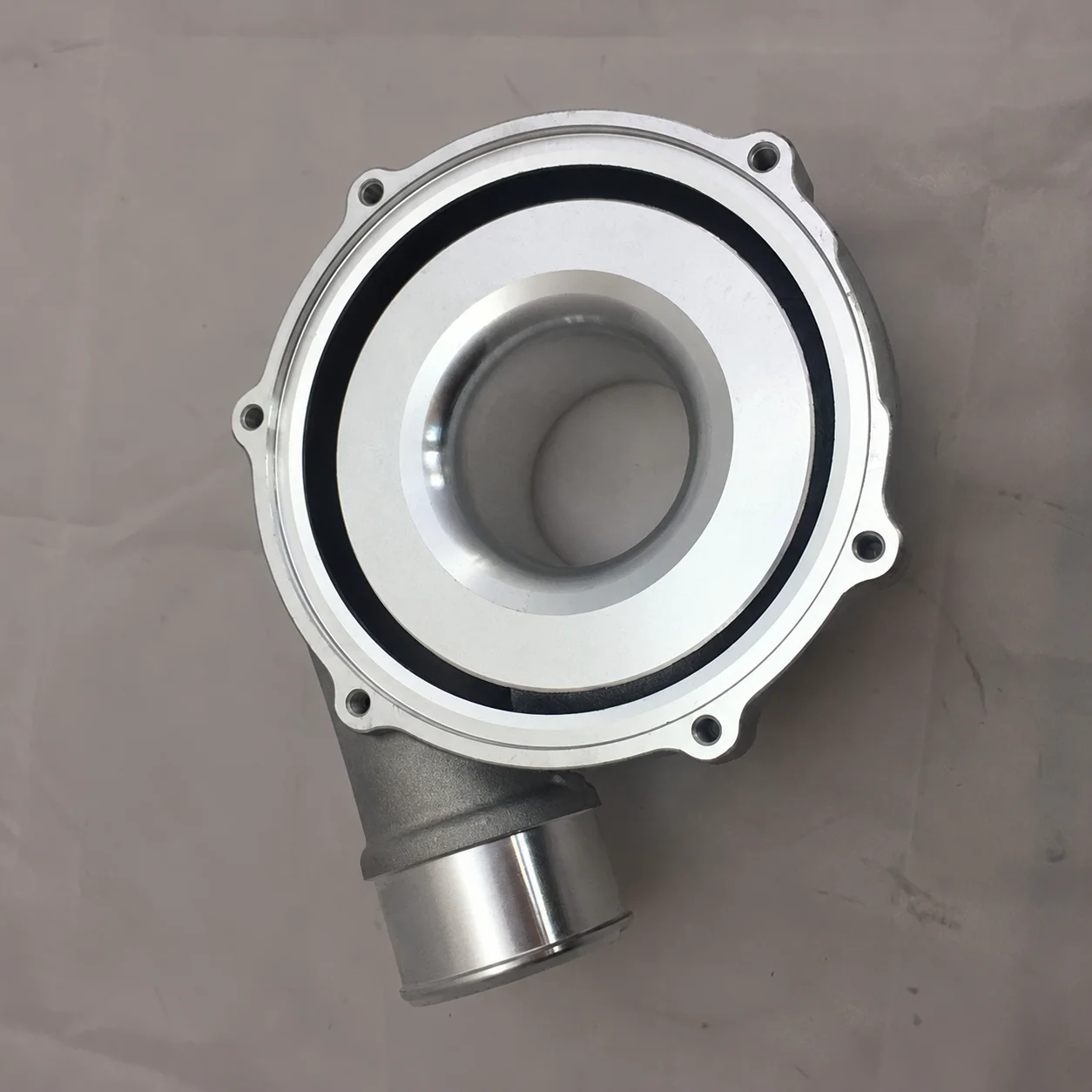
316L/304 SS Investment Casting Flanges and Pump Impeller Parts with CNC and Polishing
Let’s define your requirement
Send a product link, drawing or short brief. We’ll work through the details with you.
- Confirm the specificationGrade or model, size and intended use.
- Define your orderQuantity, finish or configuration, and samples.
- Agree the quotation scopeIncluded work, key checks and delivery needs.
-
Component FormFlangeSurface FinishPolished
-
Product nameStainless Steel Investment Casting Metal Casting Pump Impellers
-
MaterialStainless Steel/Alloy/Iron/ Ca15Surface treatmentCustomers' Demand/polishing/CNC
-
ApplicationIndustry/auto/Medical/FurnitureProcessCasting +Machining(if Need)+surface Treatment
-
CertificationISO9001/TS16949/RoHSQuality Control100% Inspection
-
Lead Time15-35 DaysToleranceCustomer's Drawing Request
-
KeywordInvestment Brass Casting Service
Enquire about investment-cast pump impellers and flanges with 316L or 304 stainless steel as grade directions. Material references also include stainless steel, alloy, iron and CA15, with the actual grade selected for the component. Define the required impeller or flange before agreeing its manufacturing and acceptance scope.
Specify the component and assembly interfaces
Use the actual component drawing to establish its geometry and dimensional requirements. If the enquiry concerns a double-impeller water-pump arrangement, define the assembly interfaces and requirements separately from the cast part. This keeps the casting request focused on the component that is actually being made.
Choose machining and surface work
Casting may be followed by machining when needed and a selected surface treatment. Polishing and CNC are service directions, with the finished condition agreed to the customer's demand. Tolerances follow the drawing, so identify the dimensions and surfaces to be accepted for the selected impeller or flange.
Agree what the inspection covers
The impeller/flange casting service offers 100% inspection. Define the characteristics checked and the acceptance required for the actual material, geometry and finished surface. Keep those criteria tied to the same drawing and component revision used for the manufacturing request.
Review the intended use and reference scope
Application directions include industry, automotive, medical and furniture parts. Establish the specific requirements for the actual component's intended duty. ISO9001, TS16949 and RoHS are references whose applicable object and scope should be confirmed. Provide the grade, drawing, dimensions and surface criteria together when discussing the proposed casting work and any required assembly acceptance.








