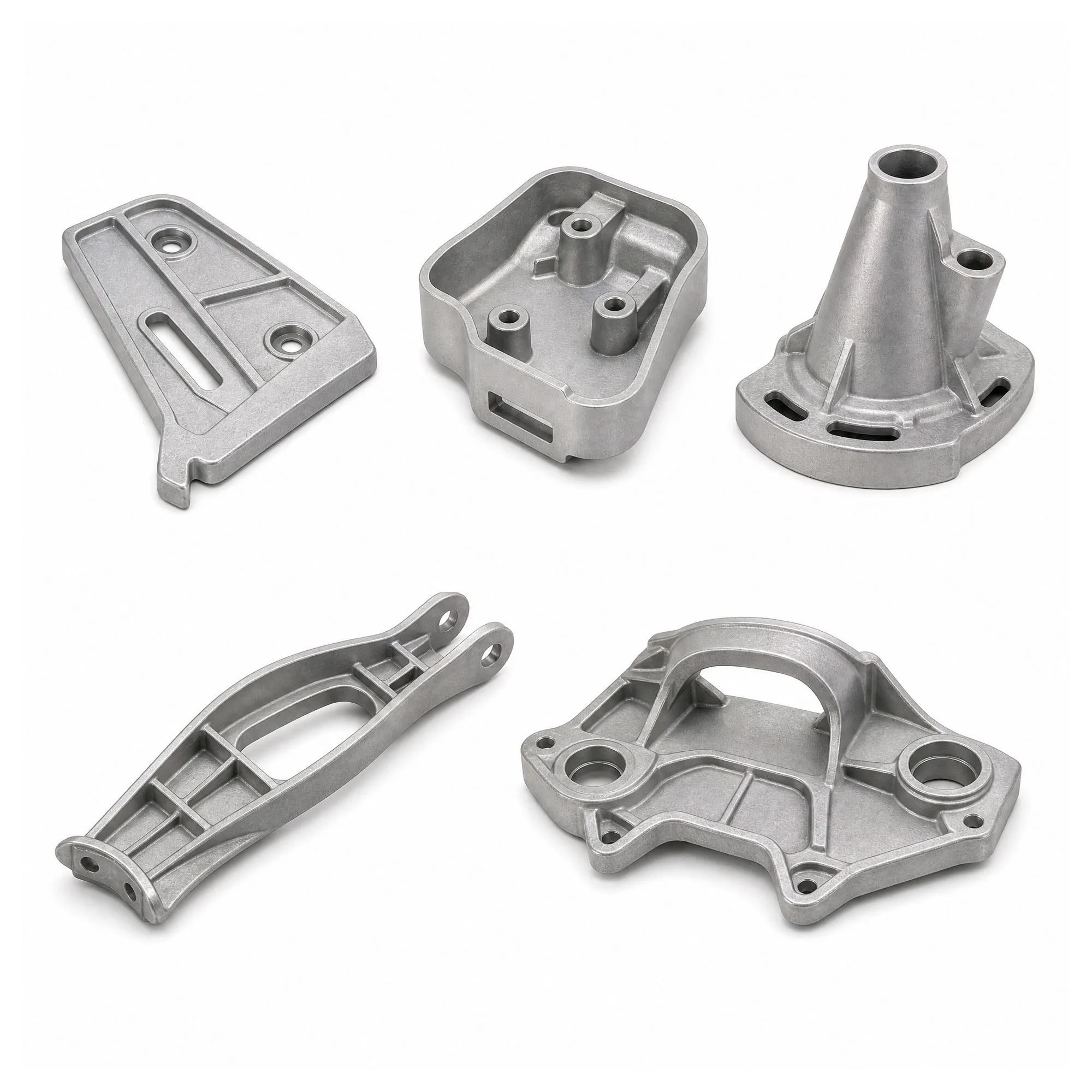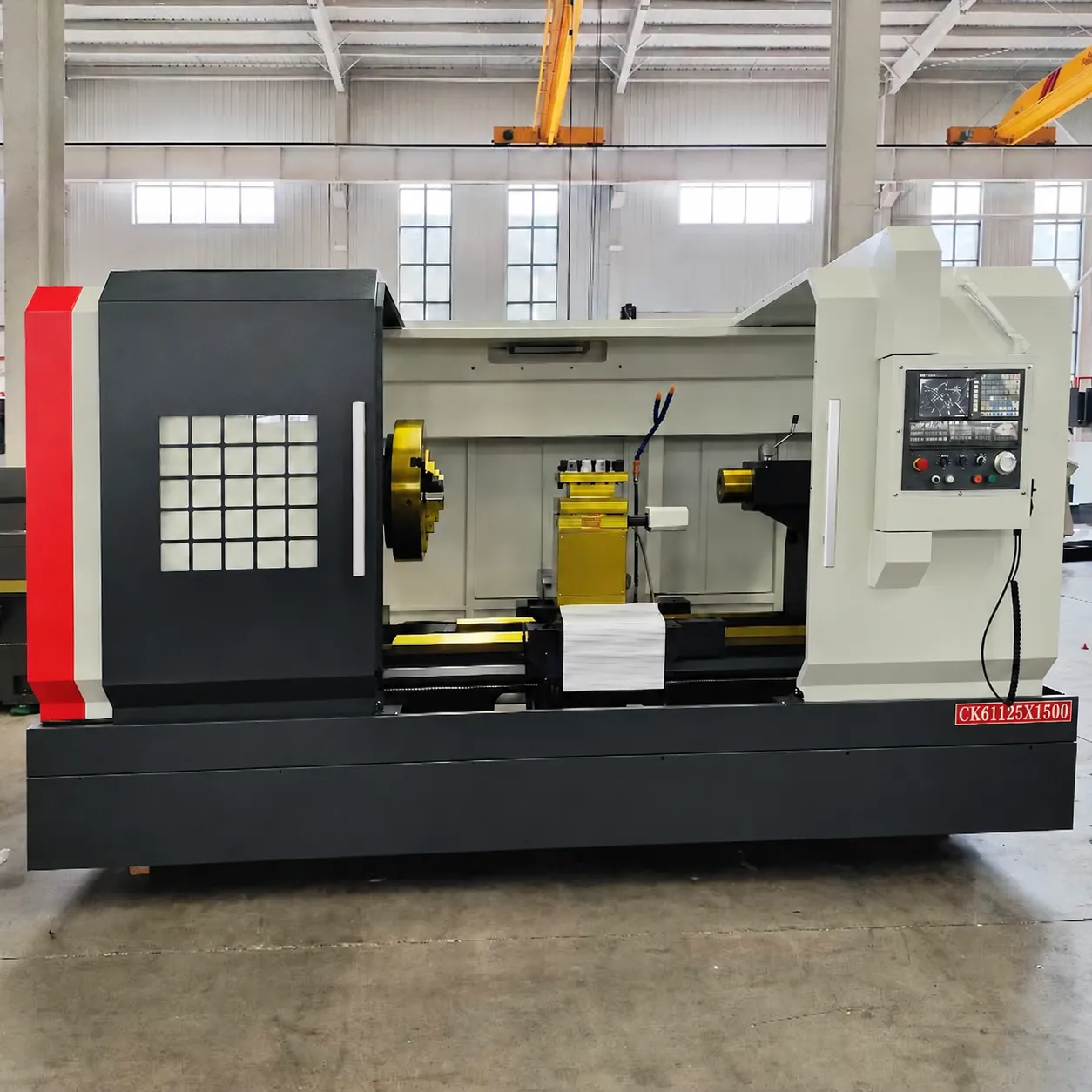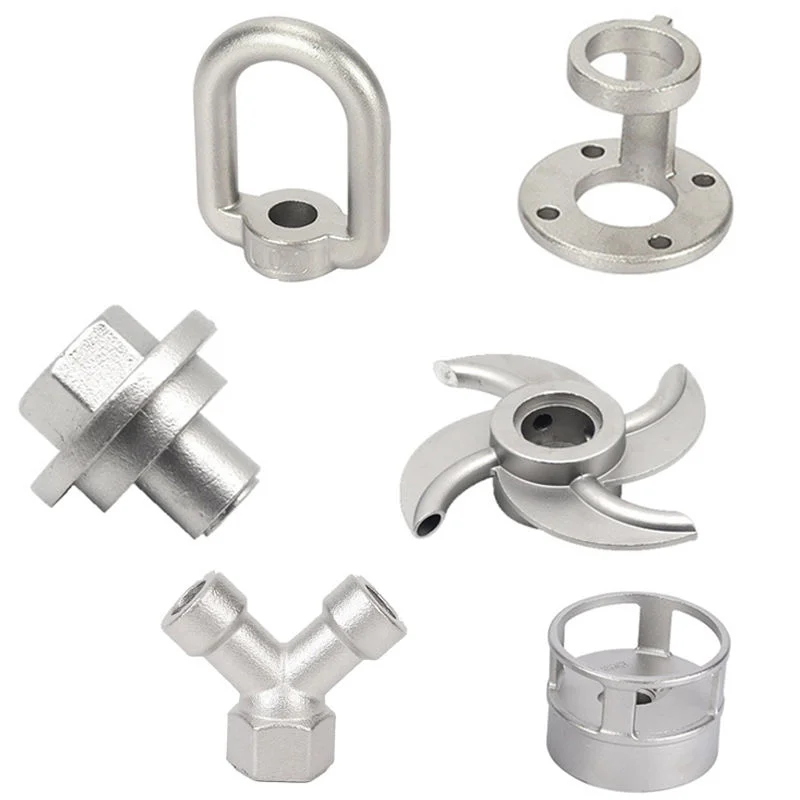
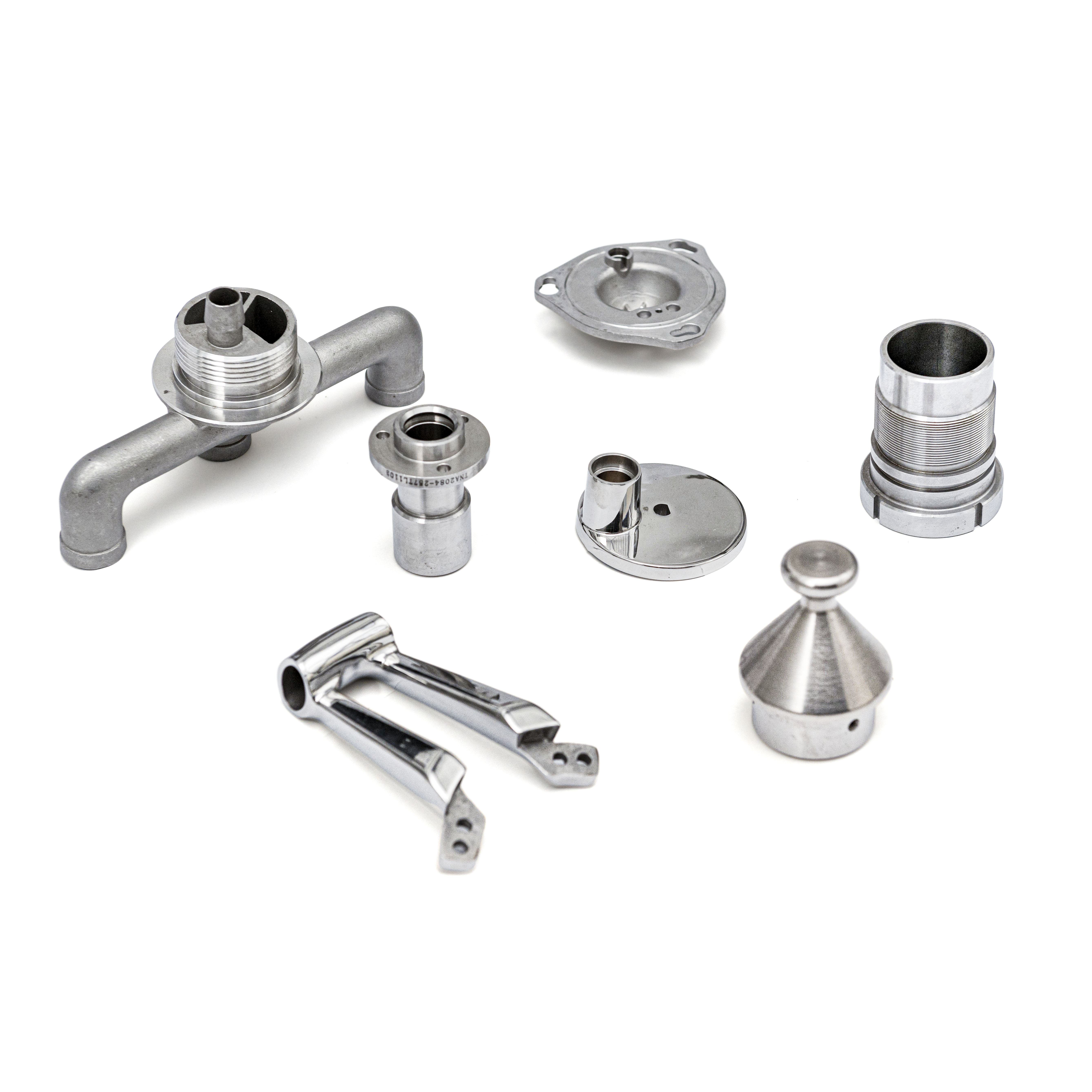
Relia OEM Stainless Steel Precision Lost Wax Propellers and Auto Engine Parts with CNC Machining and Custom Color
Let’s define your requirement
Send a product link, drawing or short brief. We’ll work through the details with you.
- Confirm the specificationGrade or model, size and intended use.
- Define your orderQuantity, finish or configuration, and samples.
- Agree the quotation scopeIncluded work, key checks and delivery needs.
-
NameMetal Propeller Custom Color Relia Brand
-
MaterialStainless steelSurface treatmentNo cape burr sand hole
-
ColorcustomcourseCasting + CNC machining + surface treatment
-
Quality Control100% InspectionMachining ProcessLost Wax+CNC Mechining
-
advantagePrecision shapepackageAccording to the specific requirements of customers
-
ServiceOEM ODM Customised
Relia stainless steel propeller and auto-engine part enquiries combine lost wax precision casting, CNC machining and surface treatment. OEM and ODM customization includes custom color, allowing the finished geometry and appearance to be reviewed together for the actual component.
Define the propeller or engine-part geometry
Choose the stainless-steel grade and provide the component drawing with its critical dimensions. For a propeller, identify the geometry and any required rotational or balance acceptance in that design. For an engine part, define the actual interfaces and operating duty. These requirements establish which characteristics matter when agreeing the casting and finished-part plan.
Connect CNC work to the treated surfaces
The manufacturing route brings casting, CNC machining and surface treatment into the same component review. Mark the interfaces requiring machining and distinguish them from other cast surfaces. Specify the custom color and intended treatment result, including any appearance or dimensional criteria needed after finishing. Agree how those requirements relate to the selected stainless grade and geometry.
Use component-specific inspection criteria
The stainless propeller and engine-part casting service includes 100% inspection. Burrs and sand holes are surface-acceptance objects to address in the quality plan, with the relevant locations and acceptance criteria defined for the part. Select the inspection methods and records required for the machined interfaces and finished surfaces. Where the intended duty calls for rotational, balance or other operating-performance acceptance, include those requirements in the design review and agree the applicable verification. This keeps the inspection discussion connected to the actual component and the characteristics needed for its intended use.