
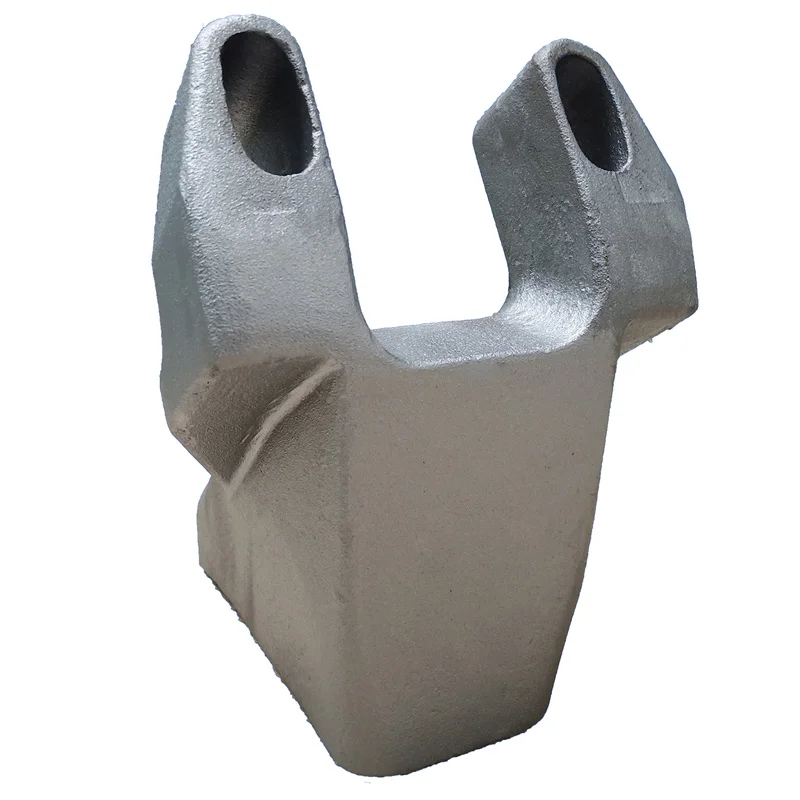
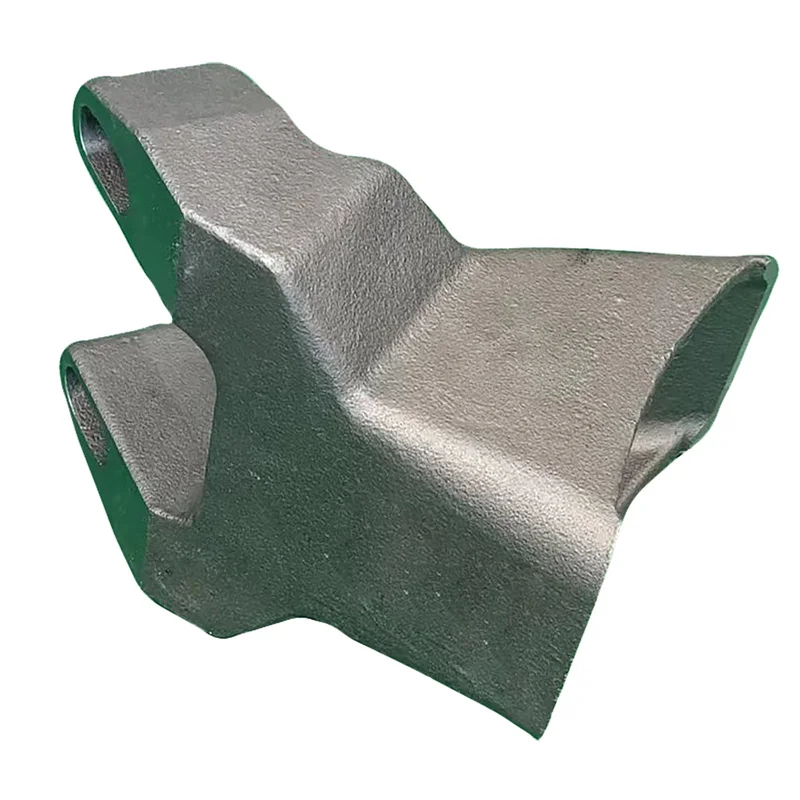
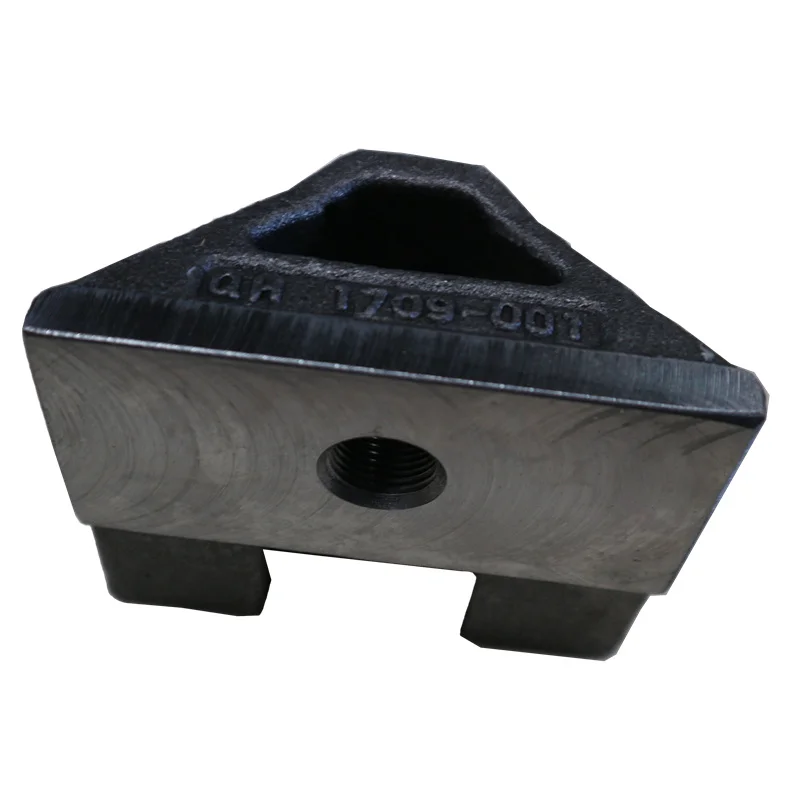
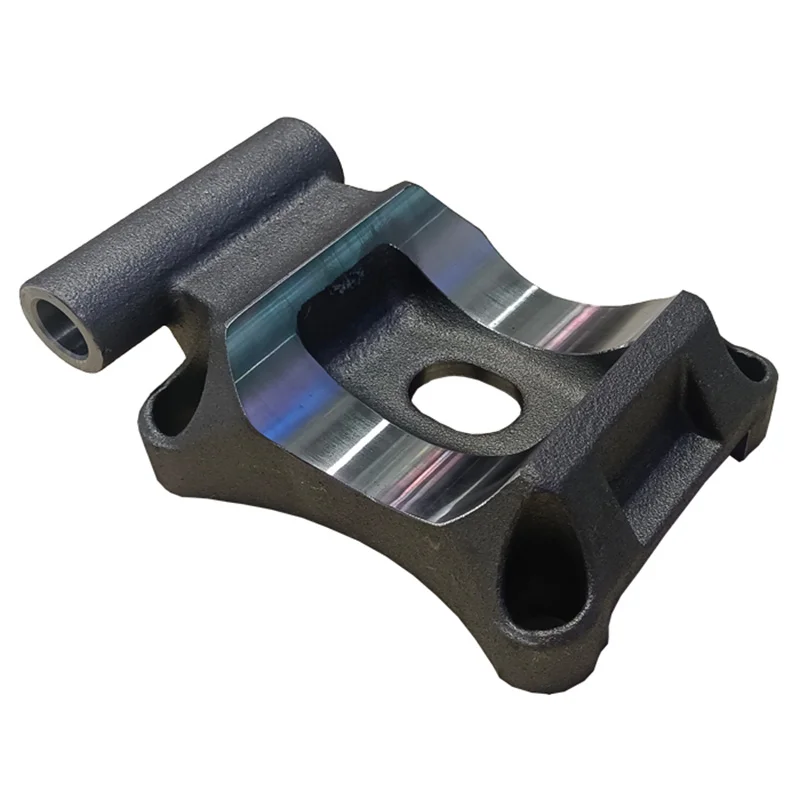
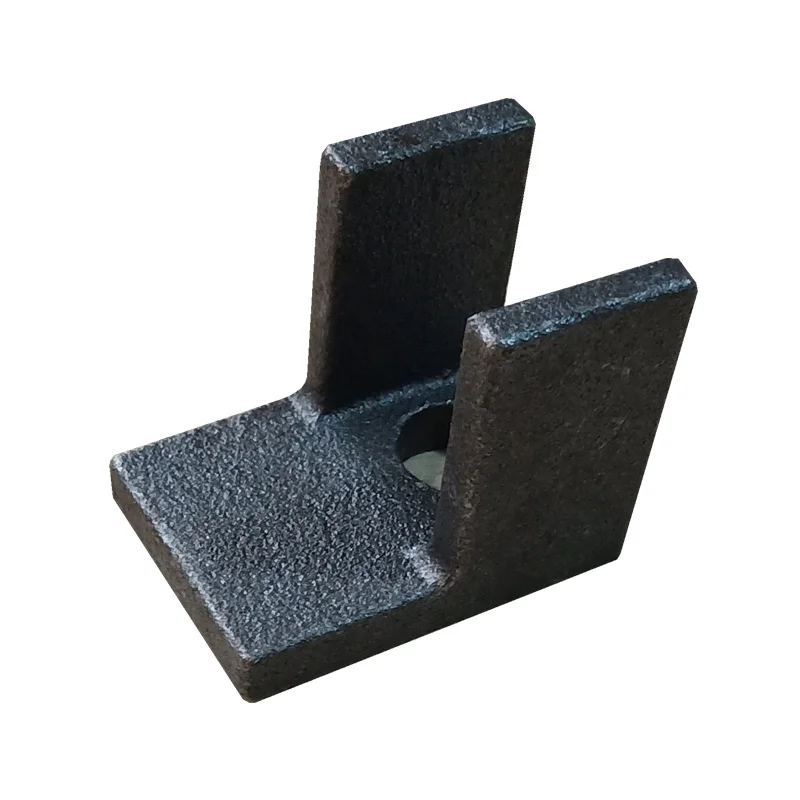
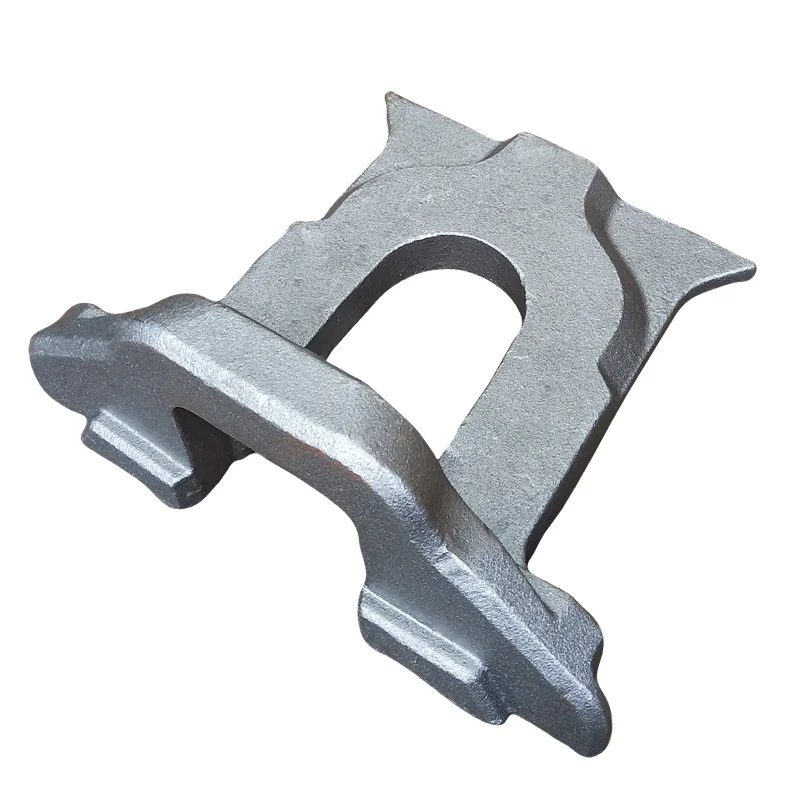
Railway Lost-Foam Casting Parts | Steel/Iron Lost-Wax Investment and CNC Service
Let’s define your requirement
Send a product link, drawing or short brief. We’ll work through the details with you.
- Confirm the specificationGrade or model, size and intended use.
- Define your orderQuantity, finish or configuration, and samples.
- Agree the quotation scopeIncluded work, key checks and delivery needs.
-
Surface FinishShot Blasted , Polished
-
SizeMax Linear Size: 1000 mm; Max Diameter Size: 600 m
-
Surface TreatmentE-coating/Zinc Plating/Mirror Polishing/Sand Blast, Shot blasting+AssemblingMaterialsCarbon Steel/Alloy Steel/Stainless Steel/Cast Iron
-
NameLost Foam Casting Parts FactoryAppplicationRailway
-
ProcessLost wax investment casting+CNC machinedHeat TreatmentQuench and temper by 2 set mesh belt furnaces
-
Machining Facility60+ Machining centers,70+ CNC machinesInspectionMT/UT/RT/100% visual+100%gage/CMM
-
StandardASTM. AISI. DIN. BS. JIS. NF. AS.CertificationIATF16949/ISO14001
Railway metal-casting parts cover carbon steel, alloy steel, stainless steel and cast iron. Lost-foam and lost-wax investment/CNC directions require an actual process choice for the selected component. The maximum linear-size reference is 1000 mm, with maximum-diameter value and unit to confirm for its real dimensional envelope.
Railway component and casting-route choice
Identify the railway item, grade and geometry before selecting the foam or wax route and its CNC scope. Relate that selection to the part's important mating interfaces and actual operating conditions. ASTM, AISI, DIN, BS, JIS, NF and AS are standard references to select for the actual material and finished acceptance.
Machining resources and quench/temper work
Machining facilities include 60+ machining centers and 70+ CNC machines. Quenching and tempering are supported through two mesh-belt furnaces. Define the actual machined dimensions and heat-treatment acceptance for the chosen material/component, so those capabilities serve a specific railway-part requirement rather than an undefined process combination.
Finish areas, assembly and inspection objects
Work directions include e-coating, zinc plating, mirror polishing, sandblasting, shot blasting and assembly. Choose the applicable finish and assembly scope for the actual surfaces and interfaces. Inspection directions include MT, UT, RT and CMM; 100% visual inspection and 100% gauge inspection apply to their respective checks. Agree the method coverage and acceptance for the selected component, connecting dimensional, surface and treatment requirements to the railway duty and the actual casting route.








