
Precision SS304/SS316 Stainless Steel Casting and CNC Machining | Custom Lost-Wax and Die-Casting Enquiries
Let’s define your requirement
Send a product link, drawing or short brief. We’ll work through the details with you.
- Confirm the specificationGrade or model, size and intended use.
- Define your orderQuantity, finish or configuration, and samples.
- Agree the quotation scopeIncluded work, key checks and delivery needs.
-
Surface FinishPassivated , PolishedAlloy Grade316 , 304
-
ItemCustom High Precision Zamak Die Casting Competitive Price Zinc Alloy
-
MaterialSS304,SS316 etc. As customers request.Manufacturing ProcessLost wax casting, option Lost wax casting
-
Casting ToleranceCT4-8 for steel l bracket galvanized steel bracketMachining ProcessCNC Machining/ Lathing/ Milling/ Turning/ Boring/ Drilling etc.
-
Machining TolearnceUp to IT7, Ra 0.8~3.2 , according to customer requirementSurface TreatmentSurface Passivatin, Polish. As customer requests.
-
Package of steel castingMulti-layer wooden box/pallet, with big plastic bag insideLead TimeAbout 50 days for investment casting
-
Serviceinvestment casting
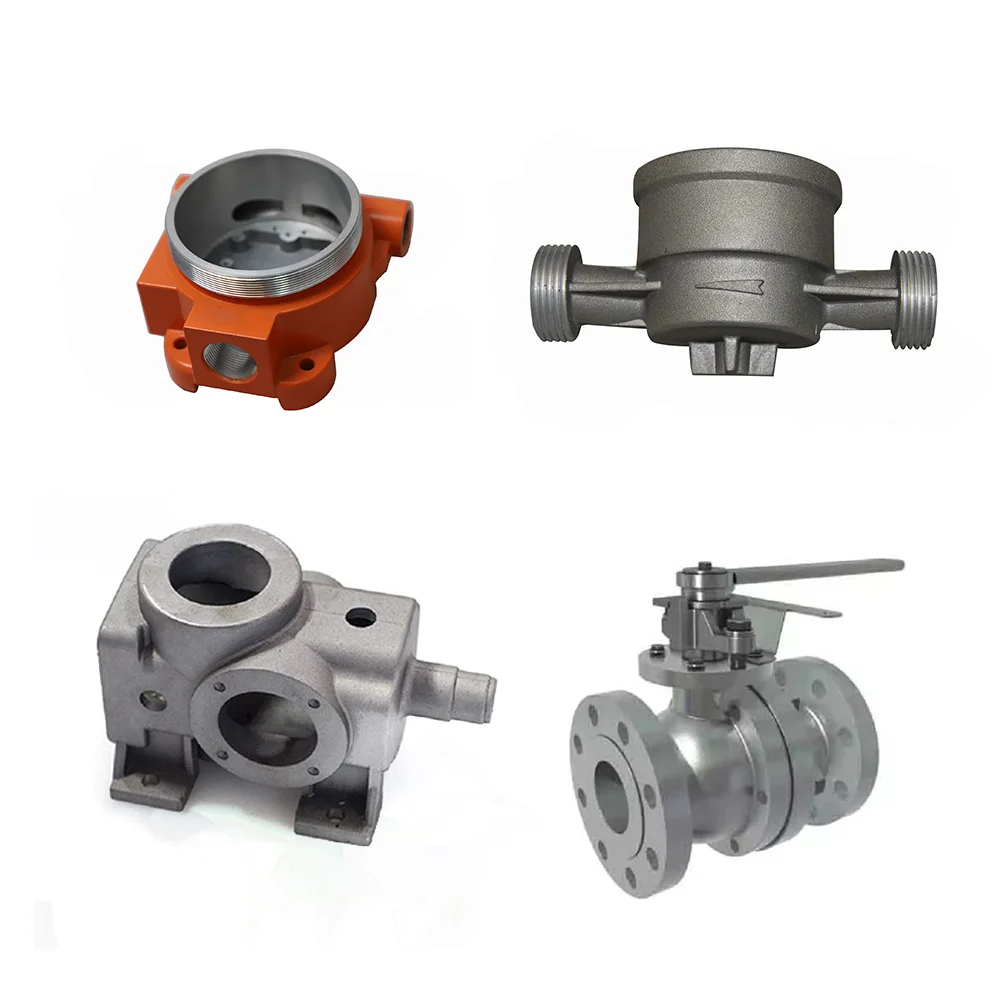
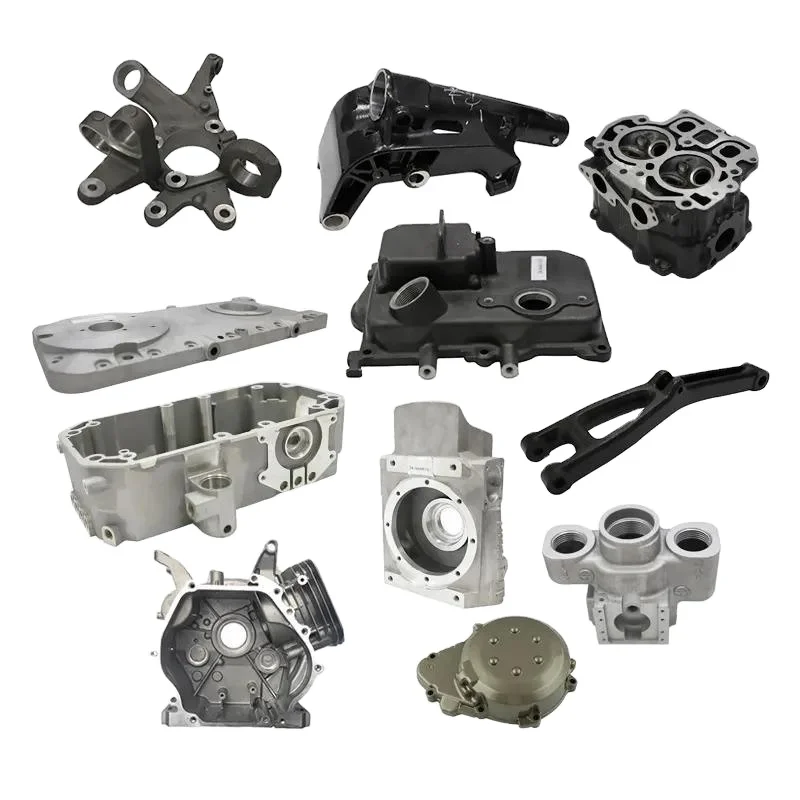
Define the actual metal component before choosing its casting and machining scope. Stainless steel enquiries include SS304 and SS316 directions, with custom geometry and finished-feature requirements agreed for the part.
Resolve the material and process together
Identify the selected stainless steel grade and the shape the component needs to take. Agree whether lost-wax/investment casting or a die-casting enquiry is appropriate for that material and geometry. A clear grade and route agreement gives the manufacturing request one consistent component definition.
Separate casting tolerance from machined precision
CT4–CT8 is a tolerance reference for steel L-brackets. Establish whether that bracket scope applies to the requested component and define its casting acceptance. Machining is offered up to IT7 with Ra0.8–3.2 according to the customer's requirement, so identify the relevant finished features, roughness unit and acceptance method.
Choose the machining work the part requires
CNC machining, lathing, milling, turning, boring and drilling are process choices for the service. Identify the surfaces and features requiring each operation, together with their finished dimensions. This makes the enquiry address the work needed for the component instead of assuming every operation is part of the same job.
Specify the final surface condition
Passivation and polishing are surface-treatment directions to discuss for the selected material. Define the areas that need a particular finished condition and connect those requirements to the geometry and machined features. Agree the surface treatment alongside the casting route and dimensional acceptance for the actual part.








