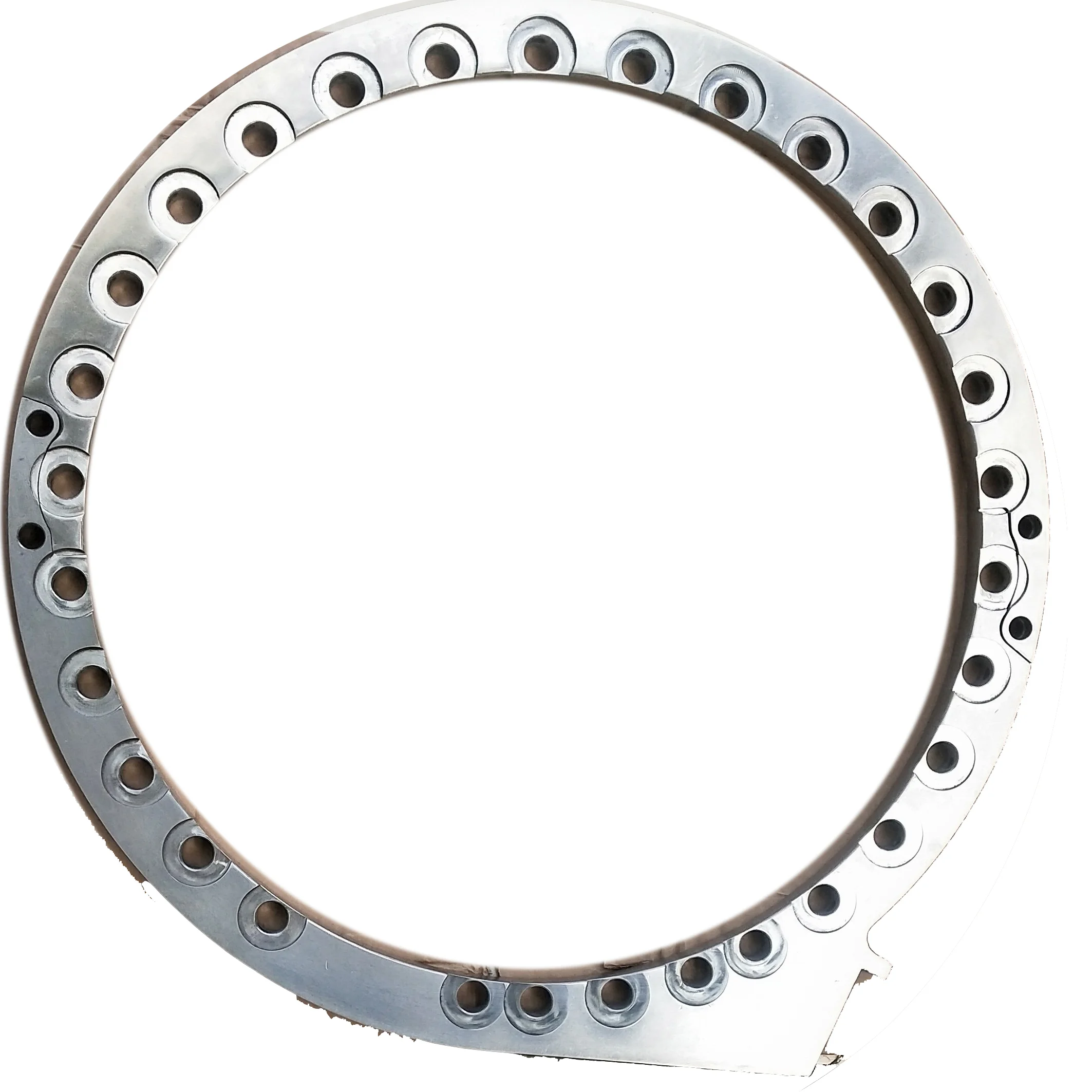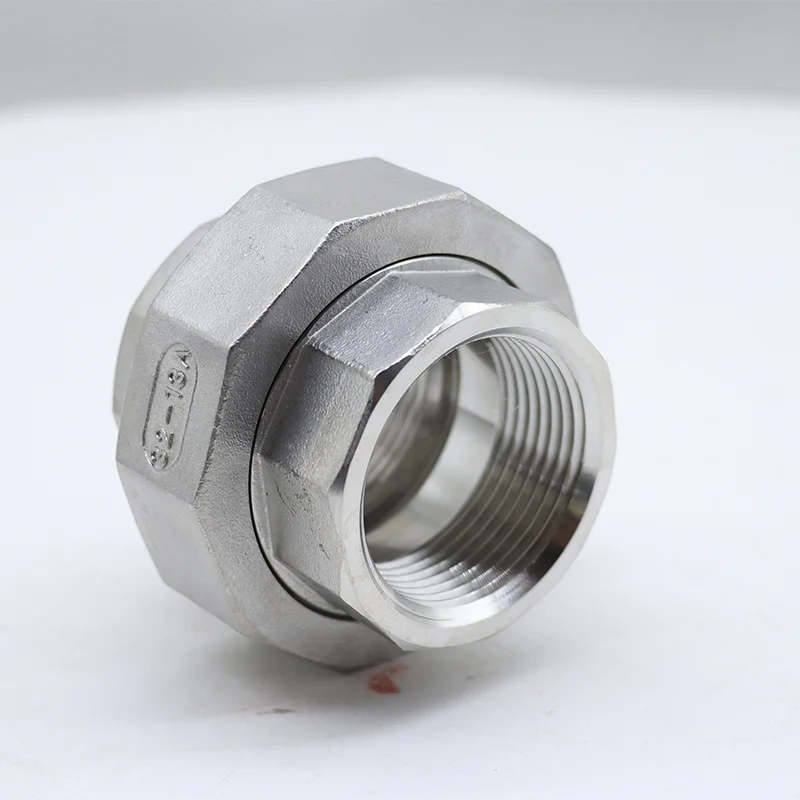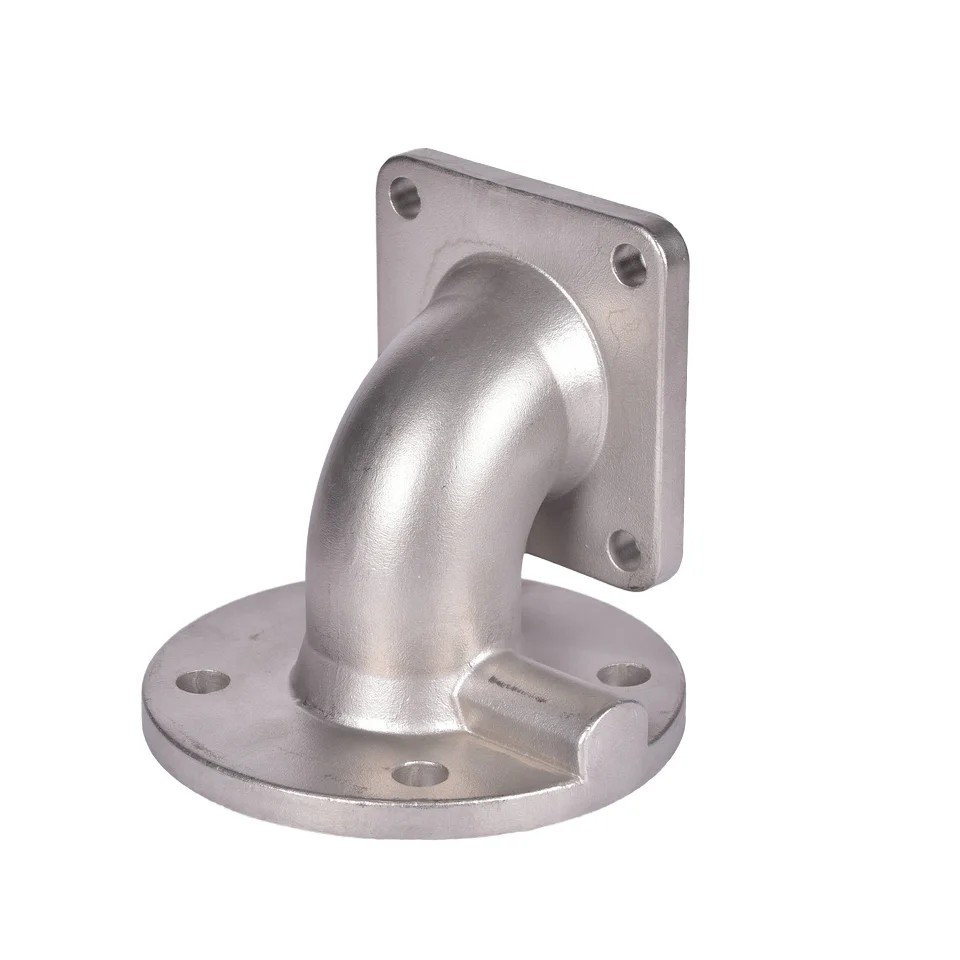
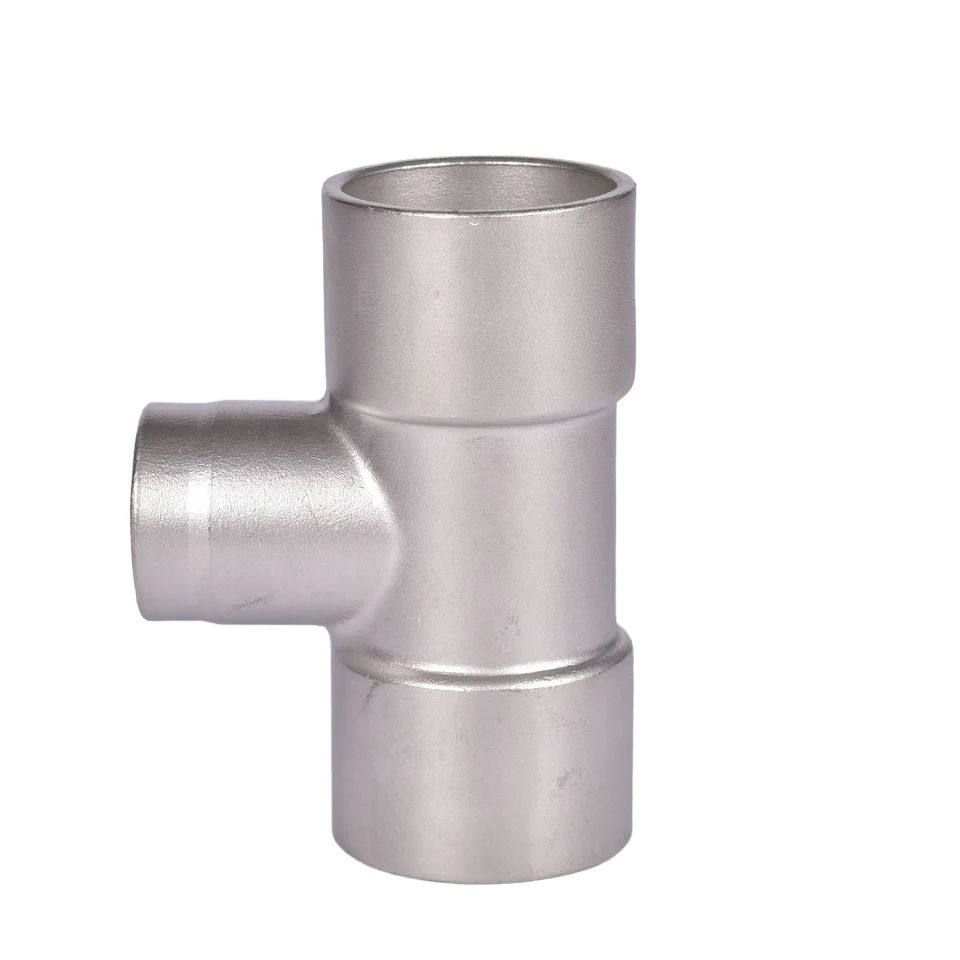
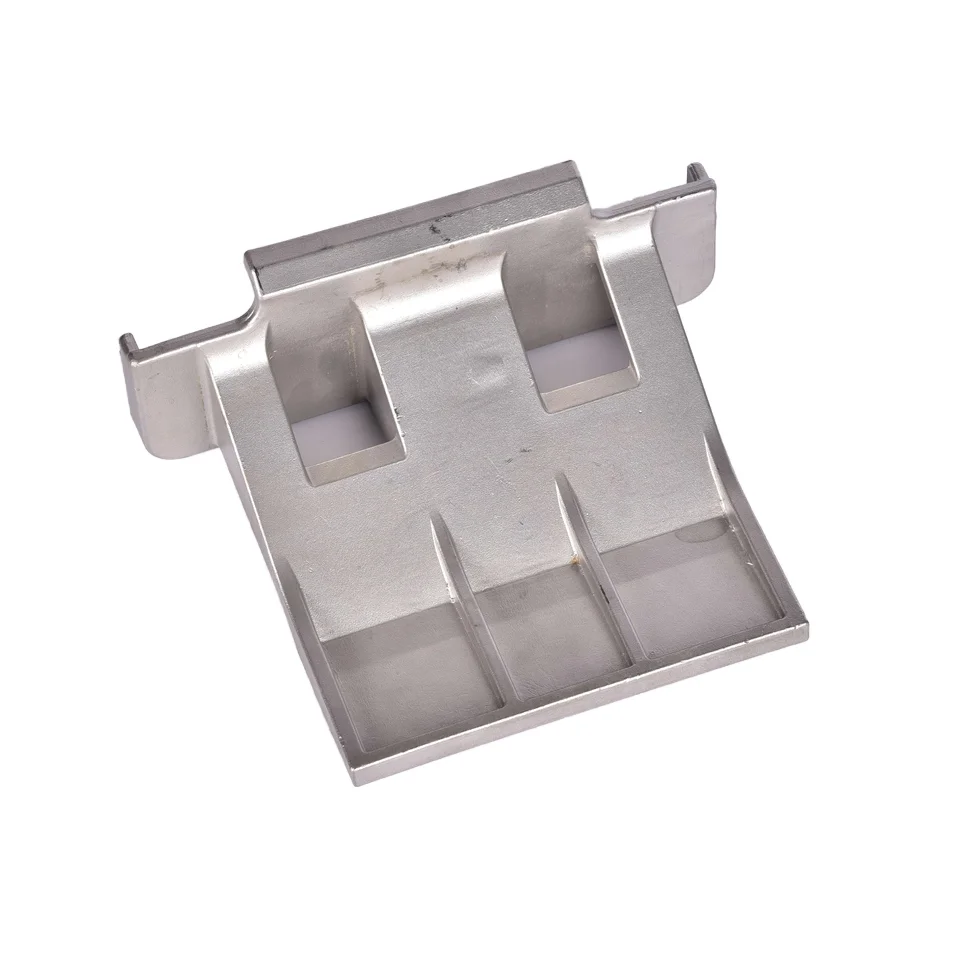
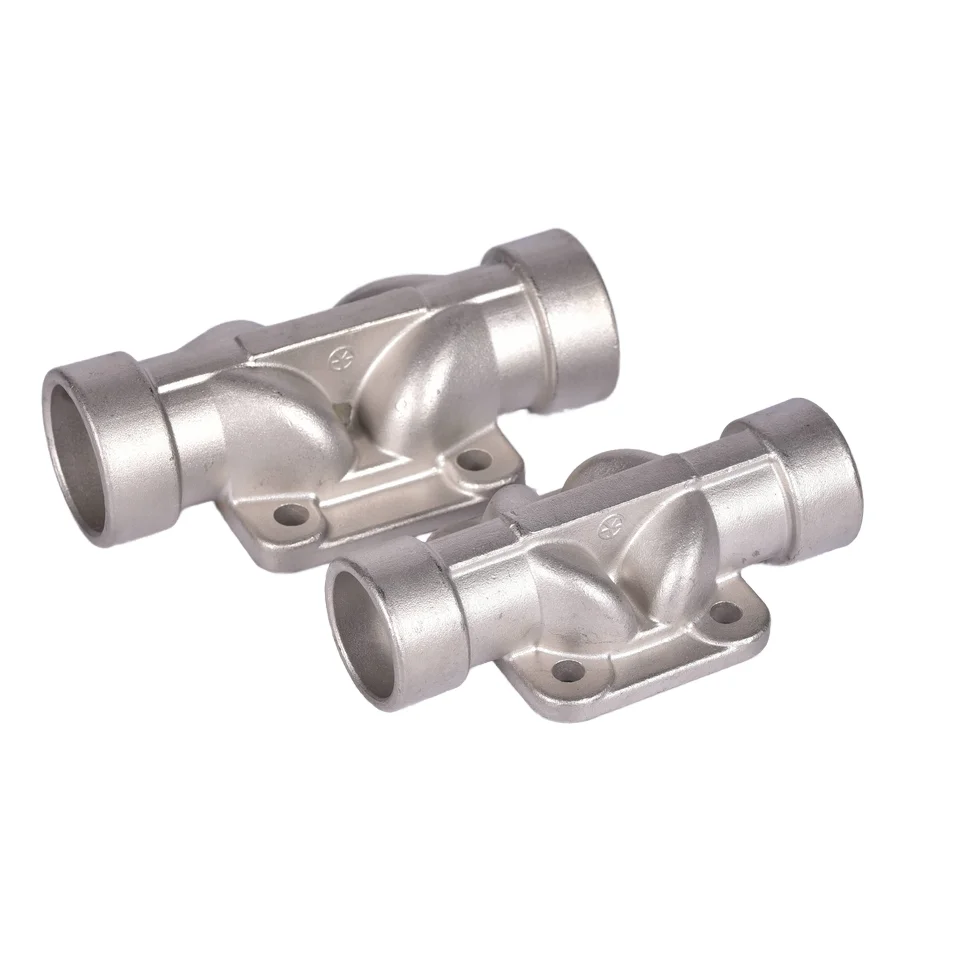
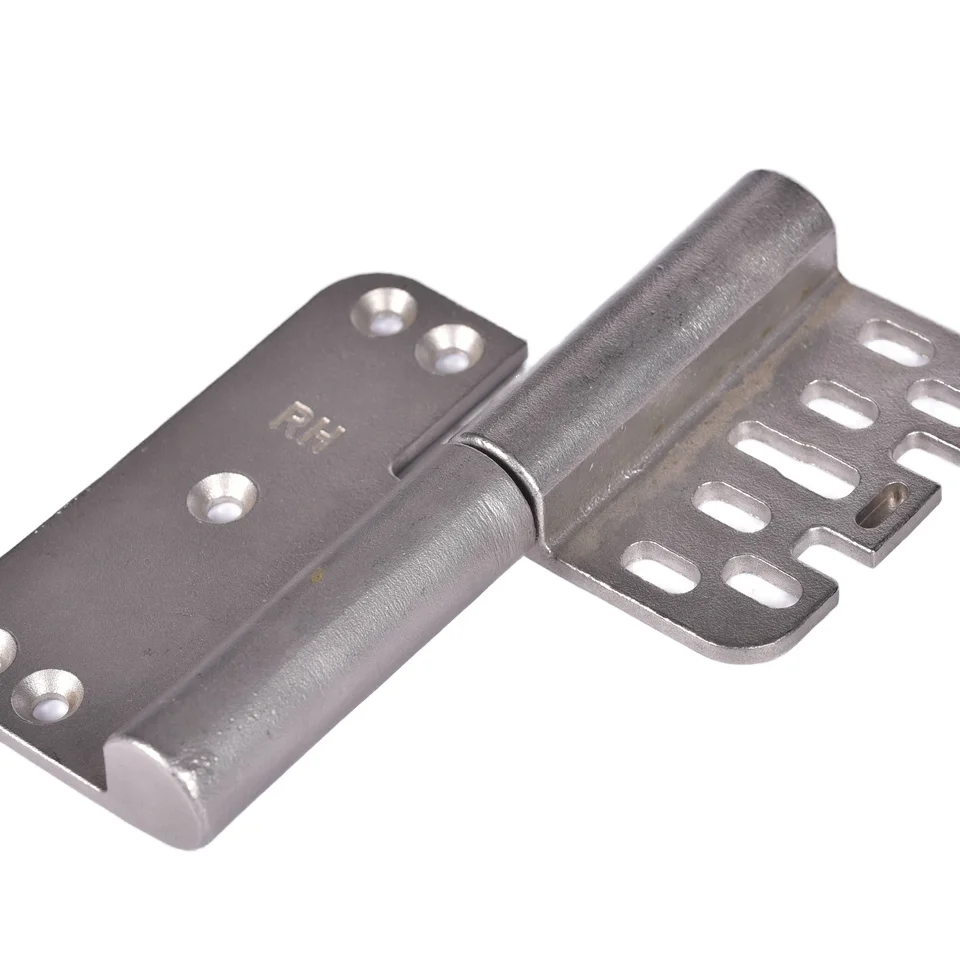
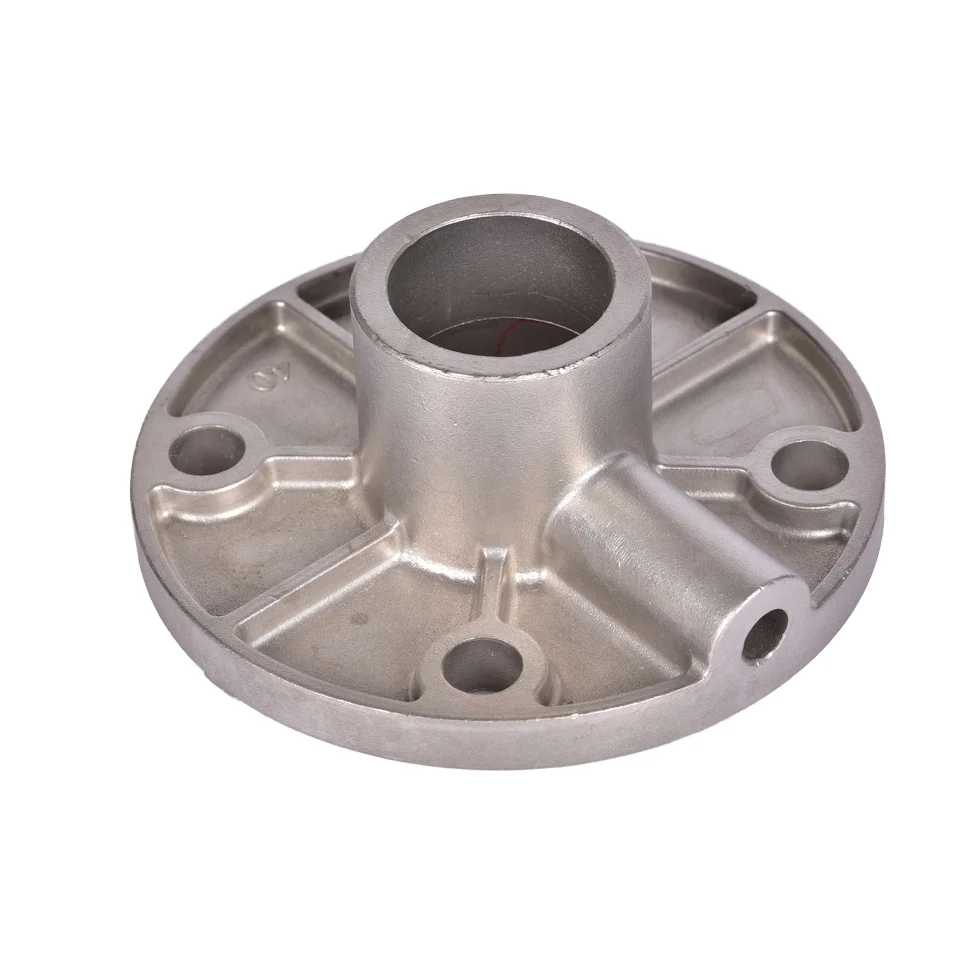
OEM SUS 304 Investment-Cast Auto Parts with CNC, Sand Blasting and Polishing
Let’s define your requirement
Send a product link, drawing or short brief. We’ll work through the details with you.
- Confirm the specificationGrade or model, size and intended use.
- Define your orderQuantity, finish or configuration, and samples.
- Agree the quotation scopeIncluded work, key checks and delivery needs.
-
Surface FinishSandblasted , PolishedAlloy Grade316 , 304
-
Material304, 316, 310, 1.4301 carbon steel etc
-
Processlost wax casting, investment castingCertificationISO9001:2015
-
Casting ToleranceCT4-CT6Surface treatmentSand Blasting, Polishing
-
ApplicationMachinery, Industrial PartsQuality Control100% Inspection
-
Machining ProcessCNC Precision MachiningLead Time25-30 Days
OEM SUS 304 auto-part requests combine lost-wax investment casting with CNC precision machining. Sand blasting, polishing and 100% inspection are offered, while machinery and industrial components provide further application directions for the casting service.
Choose the material designation for the actual part
SUS 304 is the primary auto-part direction. Further grade or material inquiries include 316, 310, 1.4301 and carbon steel, with the actual designation and work route to be agreed. Keep the chosen material with the component geometry and intended auto or machinery interfaces throughout the request.
Apply CT4–CT6 to an agreed casting definition
The casting-tolerance direction is CT4–CT6. Identify the applicable document and edition and the features governed by the selected class. Distinguish those casting requirements from dimensions assigned to CNC work, so the dimensional acceptance describes the actual finished component.
Set the sand-blasted or polished surface scope
Sand blasting and polishing can be discussed for the selected casting. Identify the surfaces involved and the finished condition required at any mating areas. Connecting the treatment with the material and dimensional definition makes the surface request useful for the intended component fit and appearance.
- Auto-part request
- Identify the actual assembly and its mating geometry.
- Machinery request
- Define the interfaces and application acceptance for the industrial part.
Give full inspection the relevant criteria
Agree the dimensions, material requirements and surface characteristics by which the casting will be accepted. Keep those criteria with the cast/CNC work allocation and the chosen CT direction. This gives the 100% inspection offer a concrete scope for the actual OEM component.