
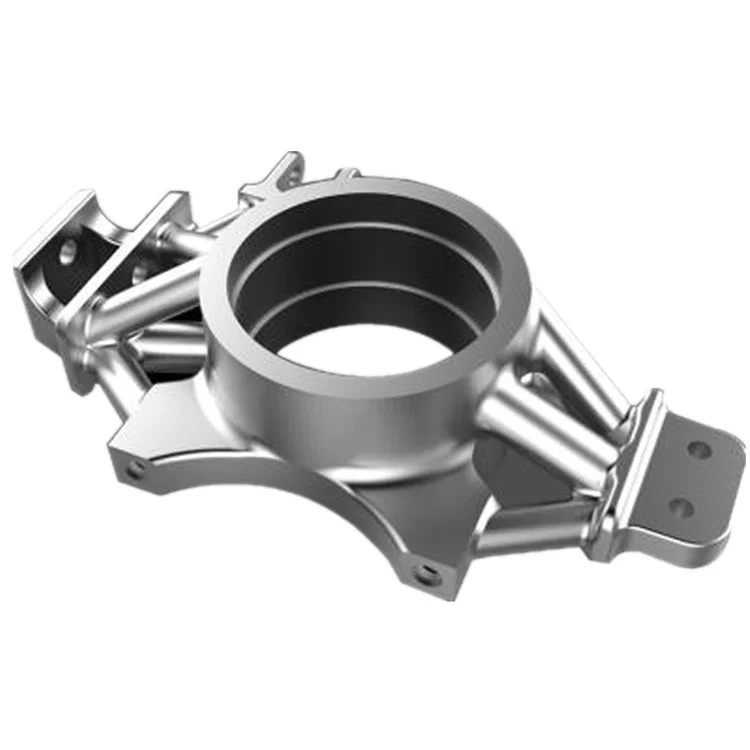
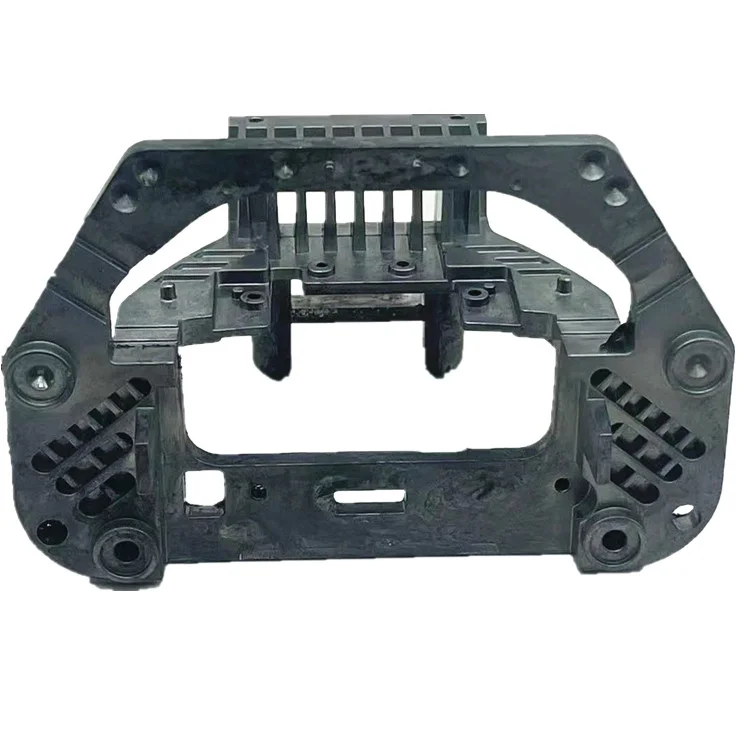
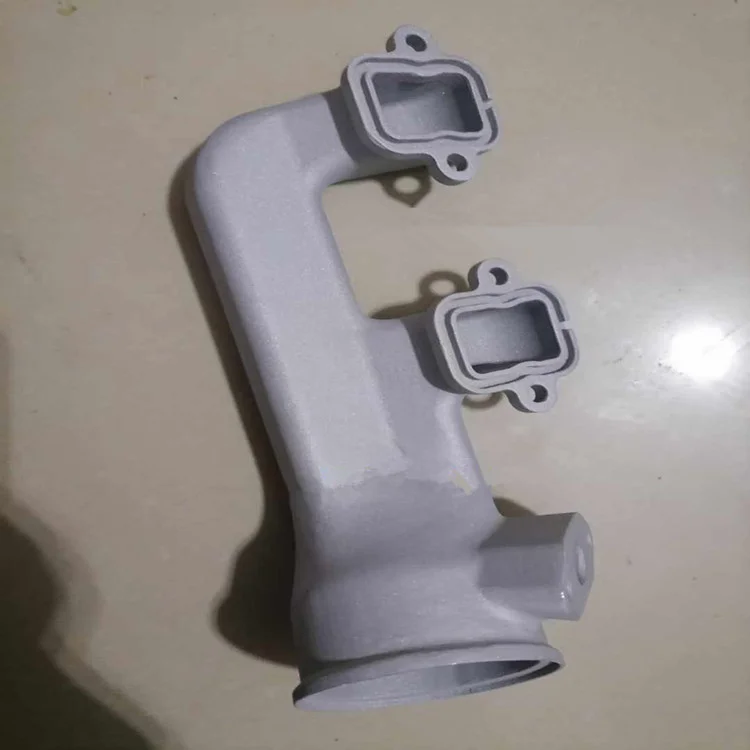
OEM Stainless-Steel Precision Investment Castings | Custom-Size CNC, Turning, Milling and 5-Axis Work
Let’s define your requirement
Send a product link, drawing or short brief. We’ll work through the details with you.
- Confirm the specificationGrade or model, size and intended use.
- Define your orderQuantity, finish or configuration, and samples.
- Agree the quotation scopeIncluded work, key checks and delivery needs.
-
Surface FinishSandblasted , Polished
-
Drawing Format2D/(PDF/CAD/DWG/DXF)3D(IGES/STEP/VDA)
-
CertificationGB/T19001-2016/ISO9001:2015standardSizeCustomized Size
-
Surface finishAnodized Powder Coating Polishing.sandblastingProduct nameinvestment casting
-
Materialgrey iron, ductile iron, steel, stainless steel, aluminum, copperApplicationIndustry, automotive, agriculture, aviation, construction, electrical
-
ProcessCasting, CNC, turning, milling, 5 AxisToleranceCustomer's Drawing Request
OEM stainless-steel precision investment-cast components use customized sizes and tolerances defined by the customer's drawing. Processing directions include CNC, turning, milling and 5-axis work. Anodizing, powder coating, polishing and sandblasting provide finish choices, with the actual material and component requirements governing the selected manufacturing and supplied condition.
Stainless grade and drawing-controlled interfaces
Define the actual stainless grade and geometry for the requested component. Identify the important cast dimensions and the interfaces requiring further work. Relate the drawing's tolerance requirements to those areas, establishing the material, size and dimensional acceptance needed for the supplied OEM investment-casting part.
Turning, milling and 5-axis scope
Assign the selected CNC operations to the component areas that require them. Agree the finished dimensions and measurement criteria for those machined interfaces. Connect the turning, milling or 5-axis work to the geometry and intended function, defining what is included in the actual component request and how the completed areas are accepted.
Four finishes across the material choices
Broader materials include grey iron, ductile iron, steel, aluminum and copper alongside stainless steel. Select the actual material and its appropriate anodizing, powder-coating, polishing or sandblasting treatment. Identify the treated surfaces and their required appearance, dimensional condition and acceptance after the chosen casting and machining work.
Seven file formats and application requirements
Drawing inputs include 2D PDF, CAD, DWG and DXF, plus 3D IGES, STEP and VDA. Applications cover industrial, automotive, agricultural, aviation, construction and electrical components. Define the particular component duty and required qualification, connecting its drawing, selected material and finished interfaces to the actual dimensional and surface acceptance criteria.








