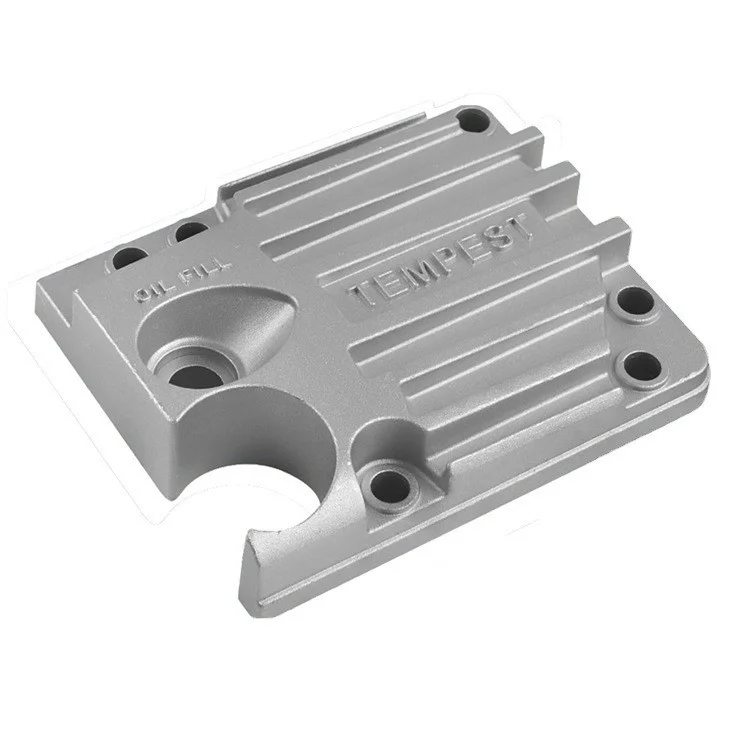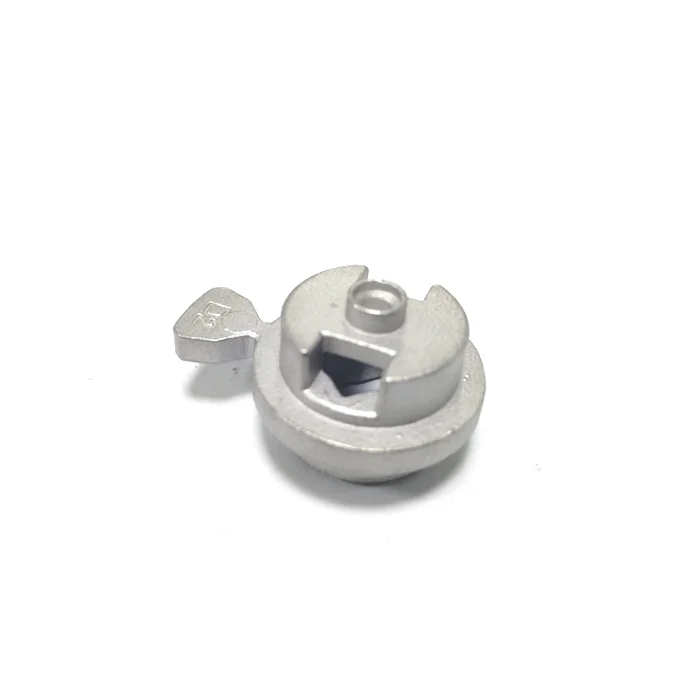
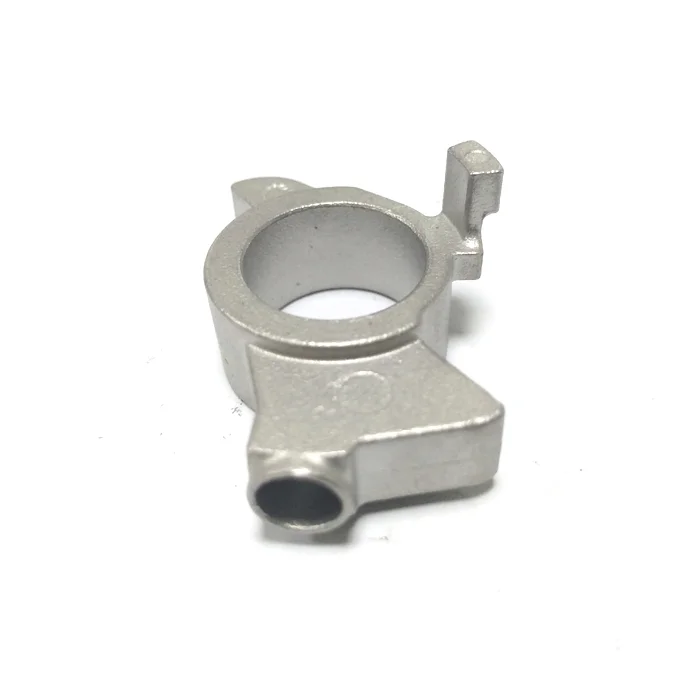
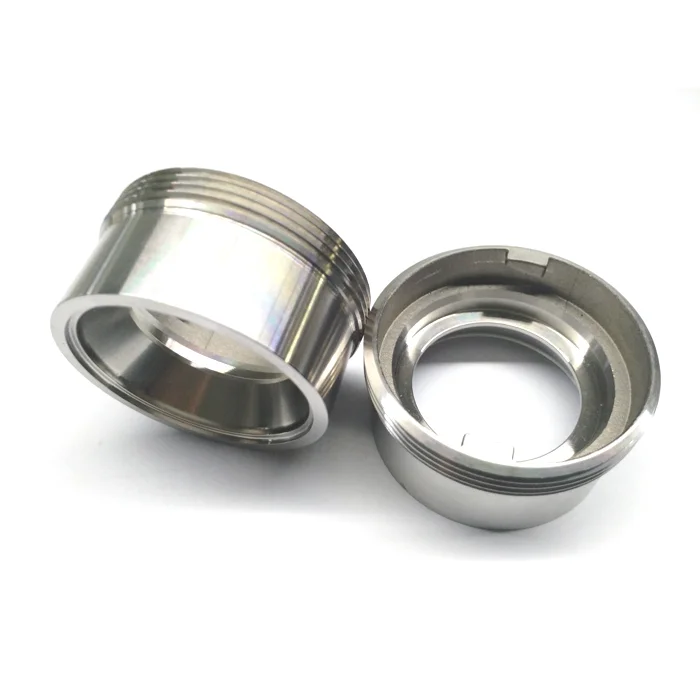
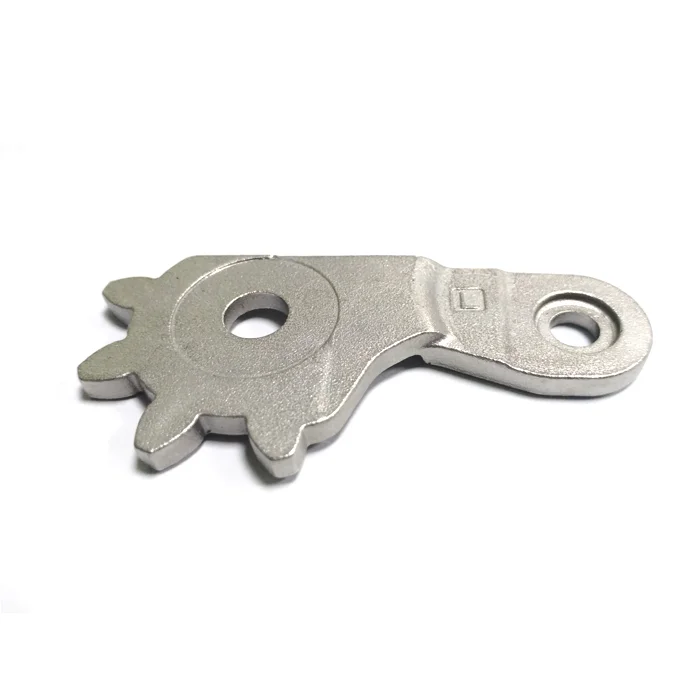
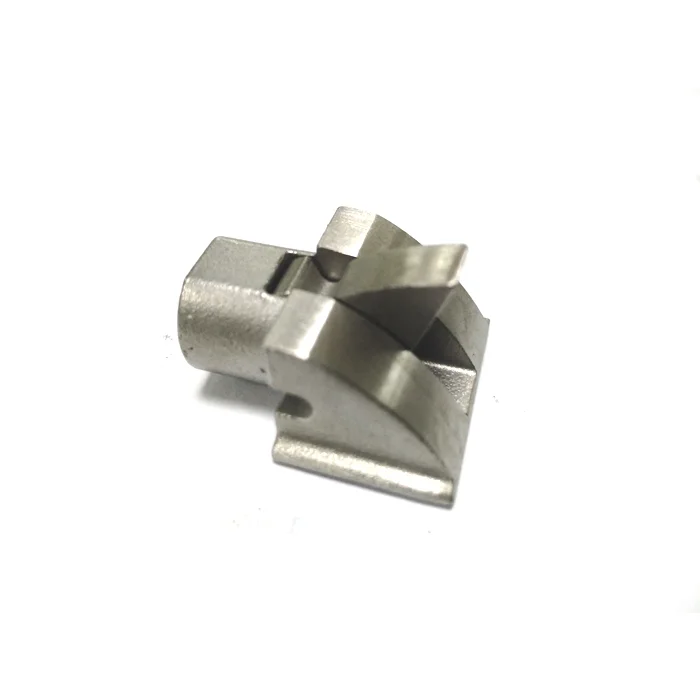
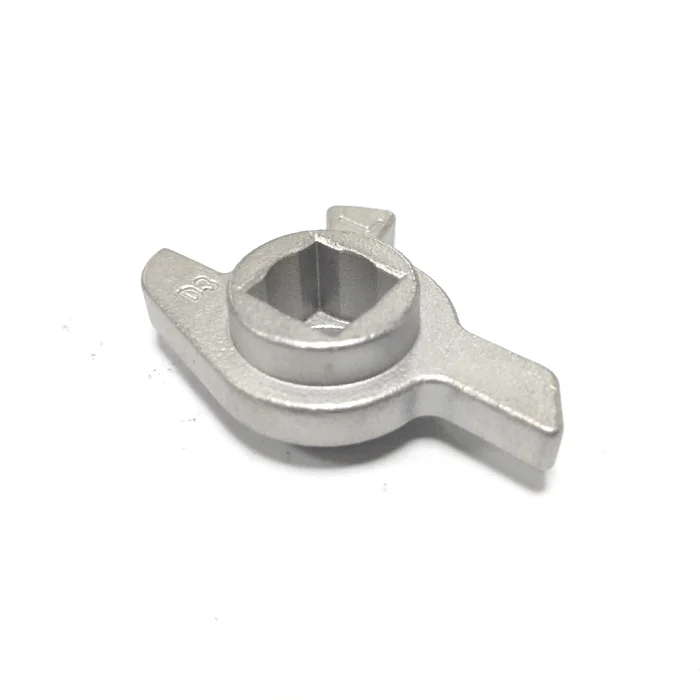
OEM Stainless Steel Machinery Investment Castings with Machining and Polishing
Let’s define your requirement
Send a product link, drawing or short brief. We’ll work through the details with you.
- Confirm the specificationGrade or model, size and intended use.
- Define your orderQuantity, finish or configuration, and samples.
- Agree the quotation scopeIncluded work, key checks and delivery needs.
-
Surface FinishPolished
-
MaterialStainless steel
-
ApplicationMachineryProduct namecustom stainless steel investment casting machining
-
Surface treatmentPolishingProcessInvestment Casting+machining+polishing
-
ServiceOEM SeriviceCertificationISO9001:2015
-
StandardGB ASTM AISI DIN BSSizeCustomer's 3D Drawing
-
Tolerance0.02mm
Custom stainless steel investment casting serves machinery components with machining and polishing in the process scope. OEM service follows the customer's 3D drawing for component size, while a 0.02 mm tolerance reference provides a point for discussing controlled features. The enquiry should connect the cast geometry, machined interfaces and polished surfaces with the part's function.
Use the 3D drawing to define the machinery part
Identify the stainless steel grade and the geometry needed within the machinery assembly. Mark the interfaces requiring machining and show the dimensions that control their fit. A consistent 3D drawing and dimensional specification help keep the component's shape, required operations and finished condition aligned as the investment casting enquiry is reviewed.
Apply the tolerance to the relevant feature
The 0.02 mm reference needs an agreed dimensional limit, controlled feature and manufacturing stage. Identify whether acceptance concerns the cast condition, machined surface or final polished face. Polishing should be specified with the required surface condition so the dimensional discussion remains connected to the form in which the machinery component will be used.
Specify the applicable material and quality references
GB, ASTM, AISI, DIN and BS are the named standard families; identify the actual grade, document and edition required for the part. ISO9001:2015 certification is stated, with the relevant scope to be confirmed for the project. Include the machinery function and dimensional or surface acceptance requirements alongside the 3D drawing to define a coordinated OEM casting and processing enquiry.