
OEM Stainless Steel Machine Base Lost-Wax Castings with Precision Machining in 201 304 and 316
Let’s define your requirement
Send a product link, drawing or short brief. We’ll work through the details with you.
- Confirm the specificationGrade or model, size and intended use.
- Define your orderQuantity, finish or configuration, and samples.
- Agree the quotation scopeIncluded work, key checks and delivery needs.
-
Surface FinishSandblasted , PolishedAlloy Grade201 , 316 , 304
-
MaterialStainless Steel 201/304/316Processcasting
-
ServiceOEM ODM CustomisedMOQ1000 Pcs
-
StandardISO9001/IATF16949/CE/PED/ROHSFinishPolish.sandblast
-
PAYMENTT/T 40% DepositQuality Control100% Inspection
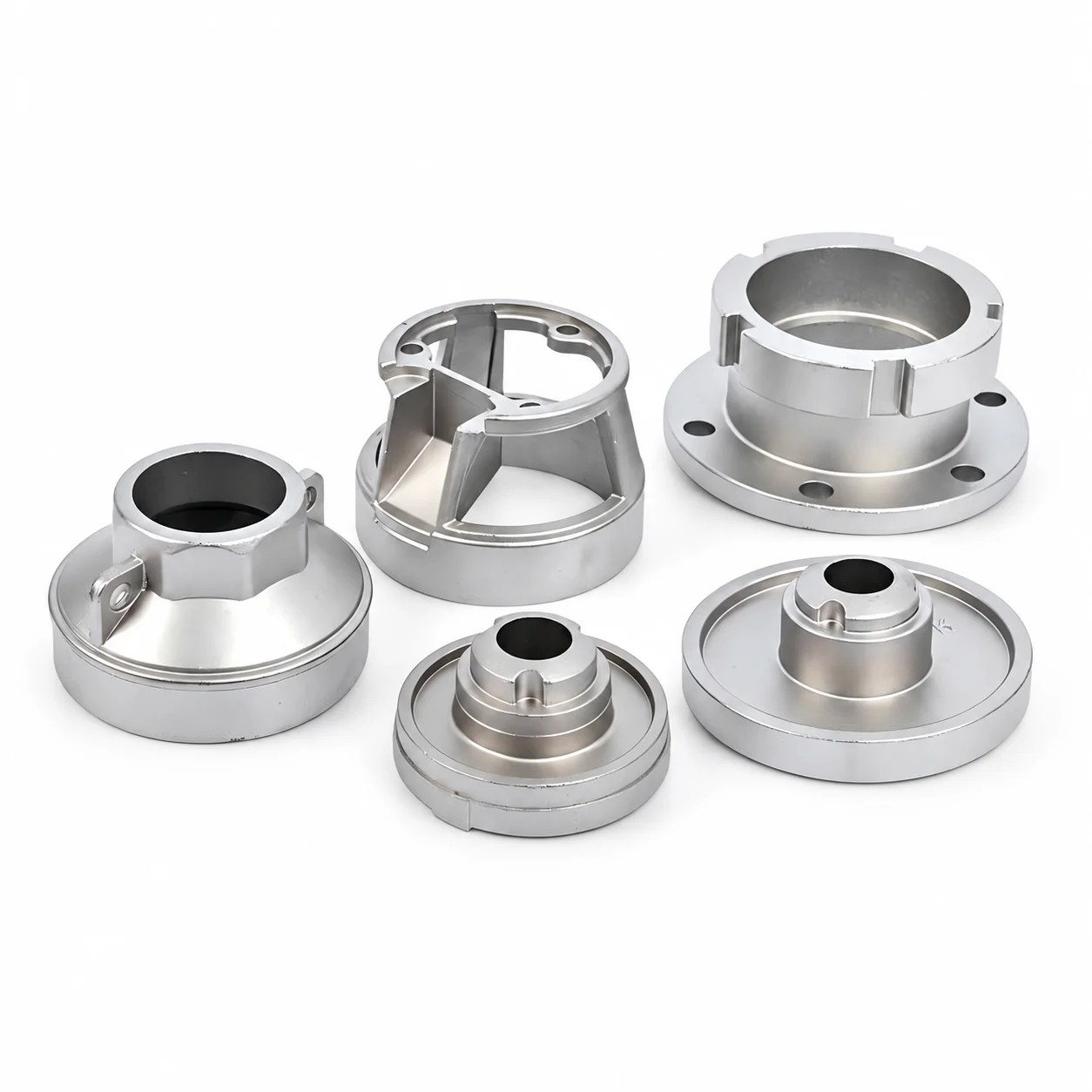
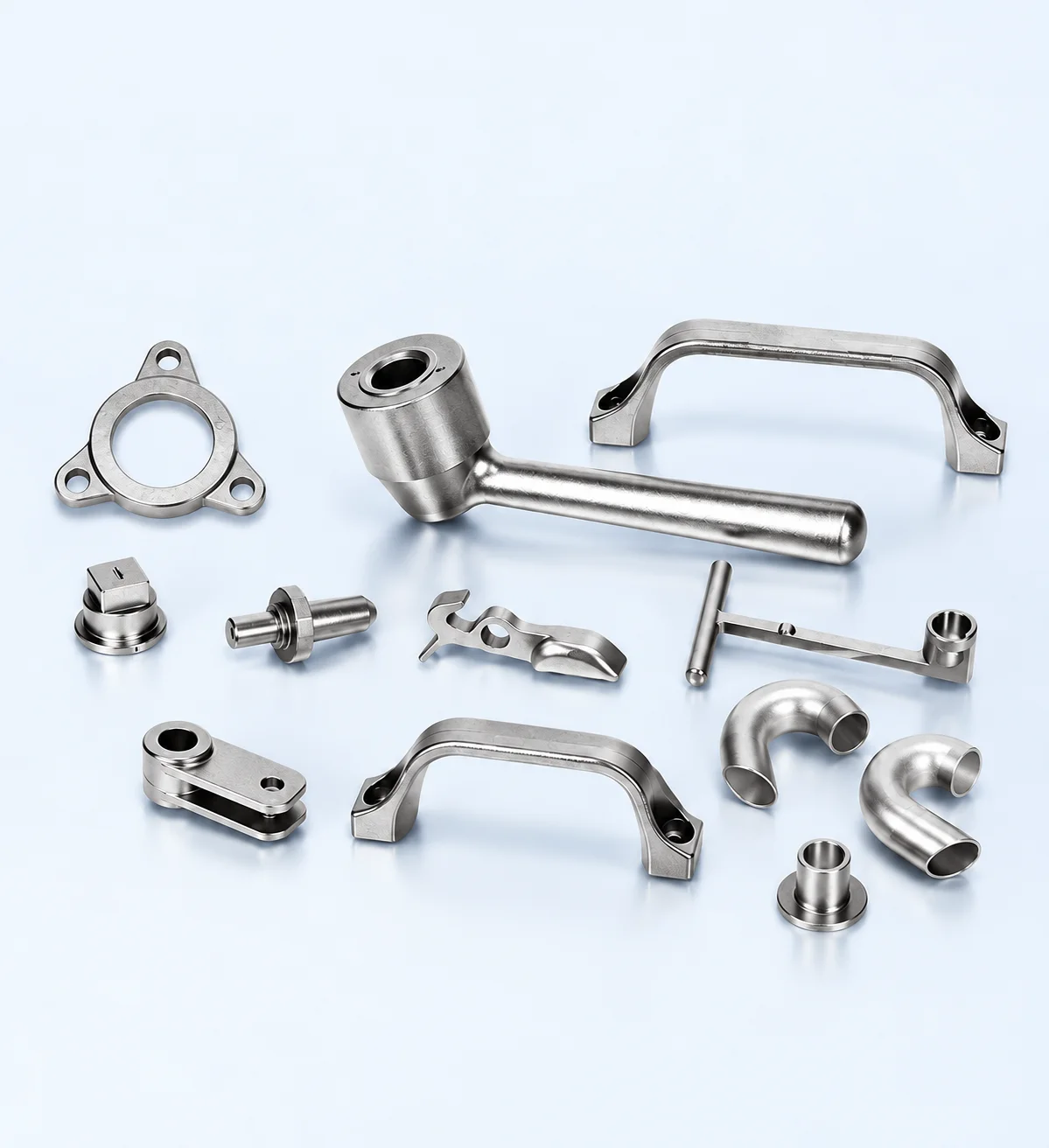
A stainless-steel machine base is selected as a component of an equipment assembly. This OEM/ODM casting offering combines a lost-wax route with precision machining and a choice of finish, allowing the base to be defined through its material, geometry and accepted machined condition.
Choose one stainless grade for the base
The material alternatives are 201, 304 and 316 stainless steel. Specify the grade required by the equipment project and keep it associated with the individual base drawing. The alternatives identify material choices; the base's suitability should be assessed against its actual operating requirements rather than assuming the grades are interchangeable.
Separate cast geometry from precision machining
Lost-wax casting defines the component route, while precision machining addresses the areas included in that work scope. Identify the dimensions and interfaces that need machining and agree how they will be accepted. This connects the machined areas to their surrounding assembly and keeps the tolerance agreement specific to the base.
Compare polished and sandblasted finishes
Polishing and sandblasting are the two stated finish choices. Select the treatment for the surfaces required by the machine-base design, keeping any accepted machined condition clear within that choice. The finish decision should describe the actual base exterior and component requirements, rather than stand in for a mechanical performance rating.
Anchor acceptance in the equipment assembly
Quality control specifies 100% inspection, which should relate to the accepted base drawing and its critical dimensions. Establish the required operating and load conditions for the equipment component before approval, then use those conditions with the selected grade, machined geometry and finish when reviewing the proposal. Applicable ISO9001, IATF16949, CE, PED or RoHS documentation can be confirmed where the order requires it.








