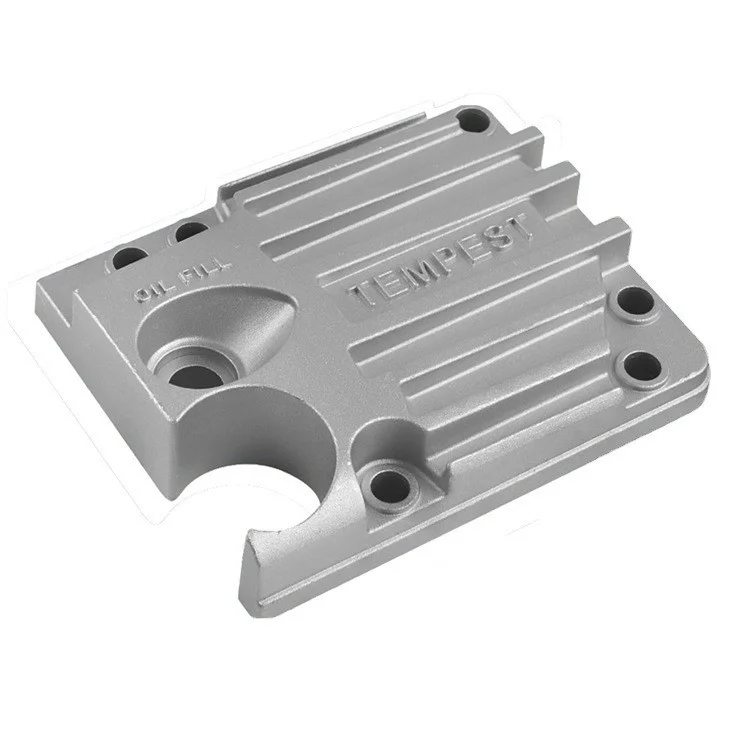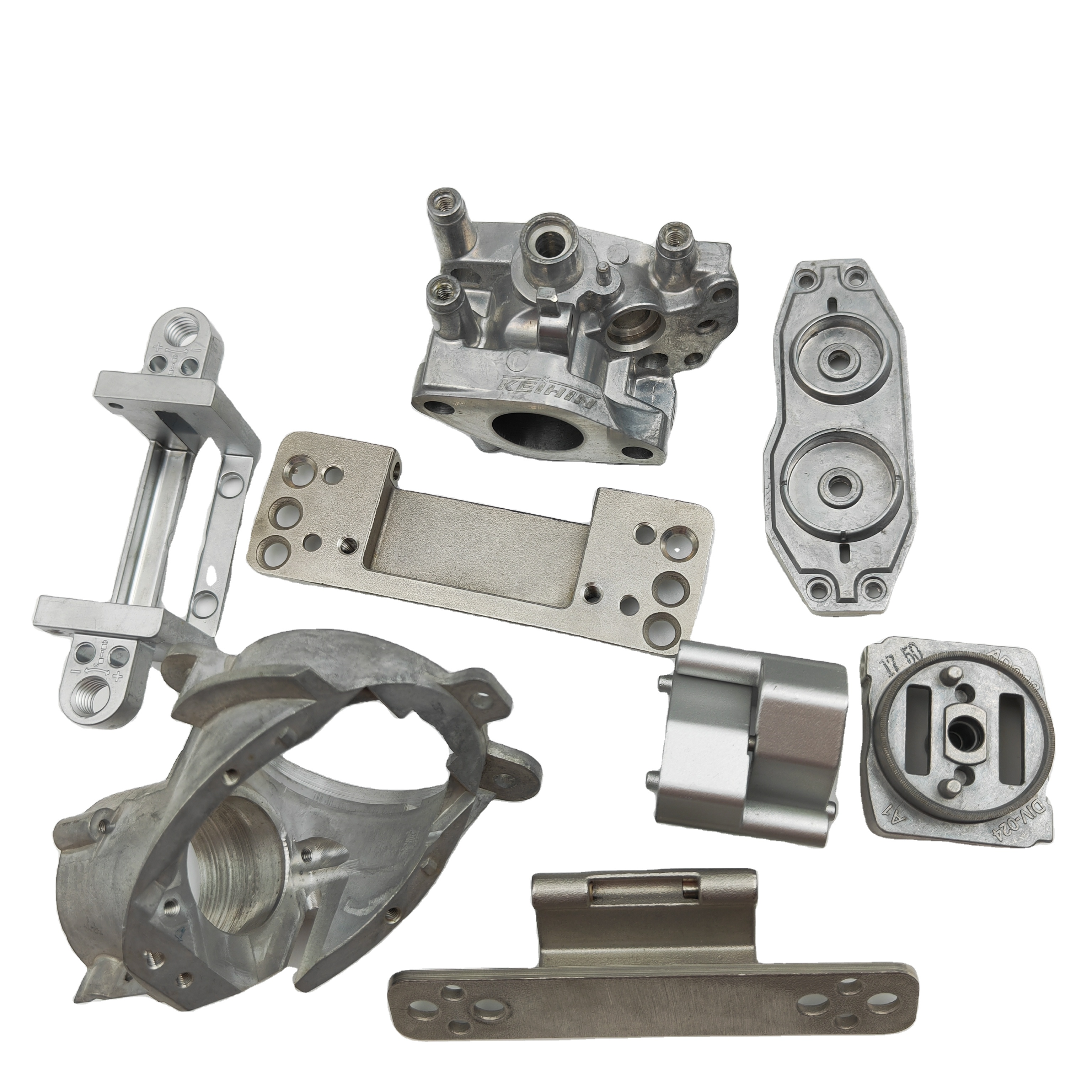
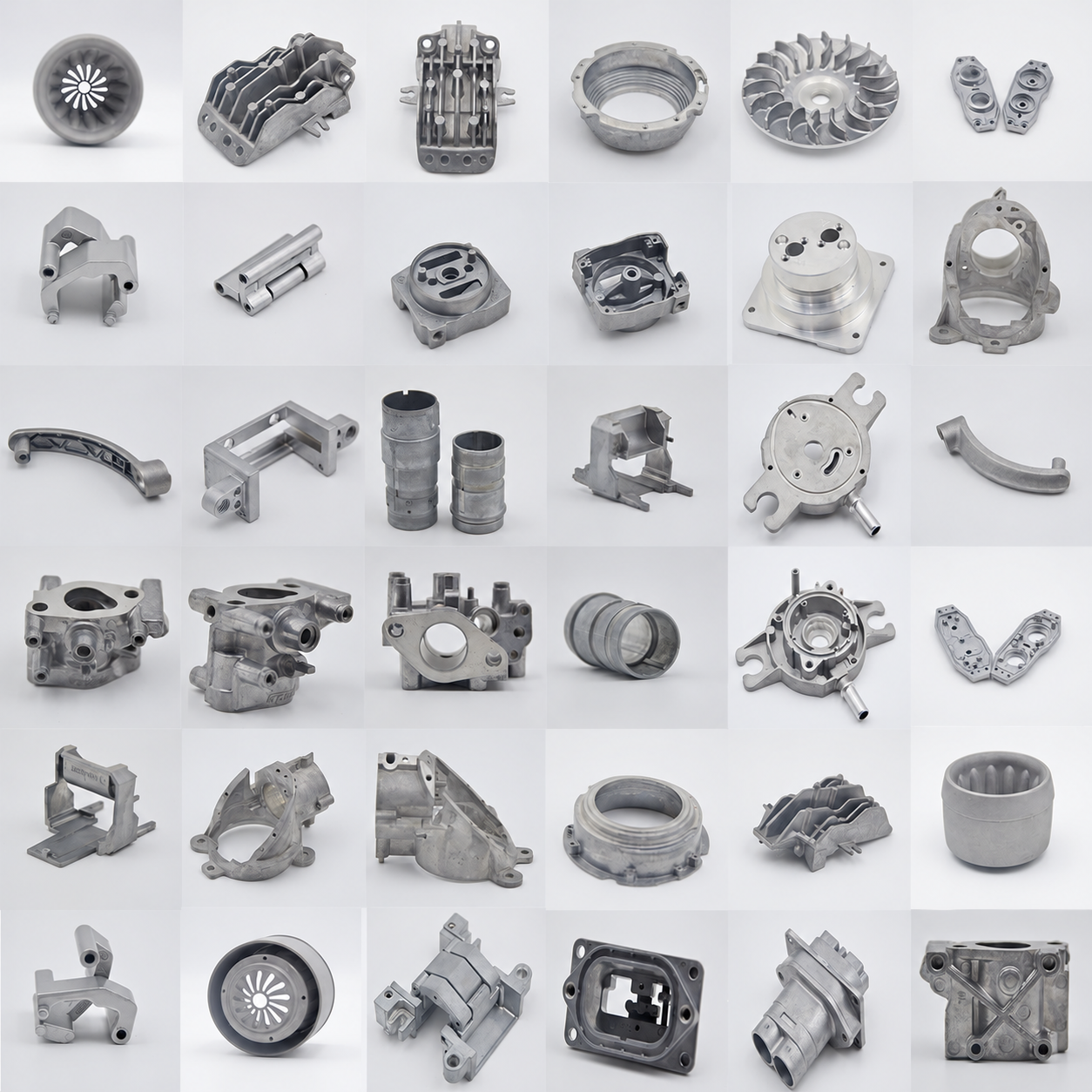
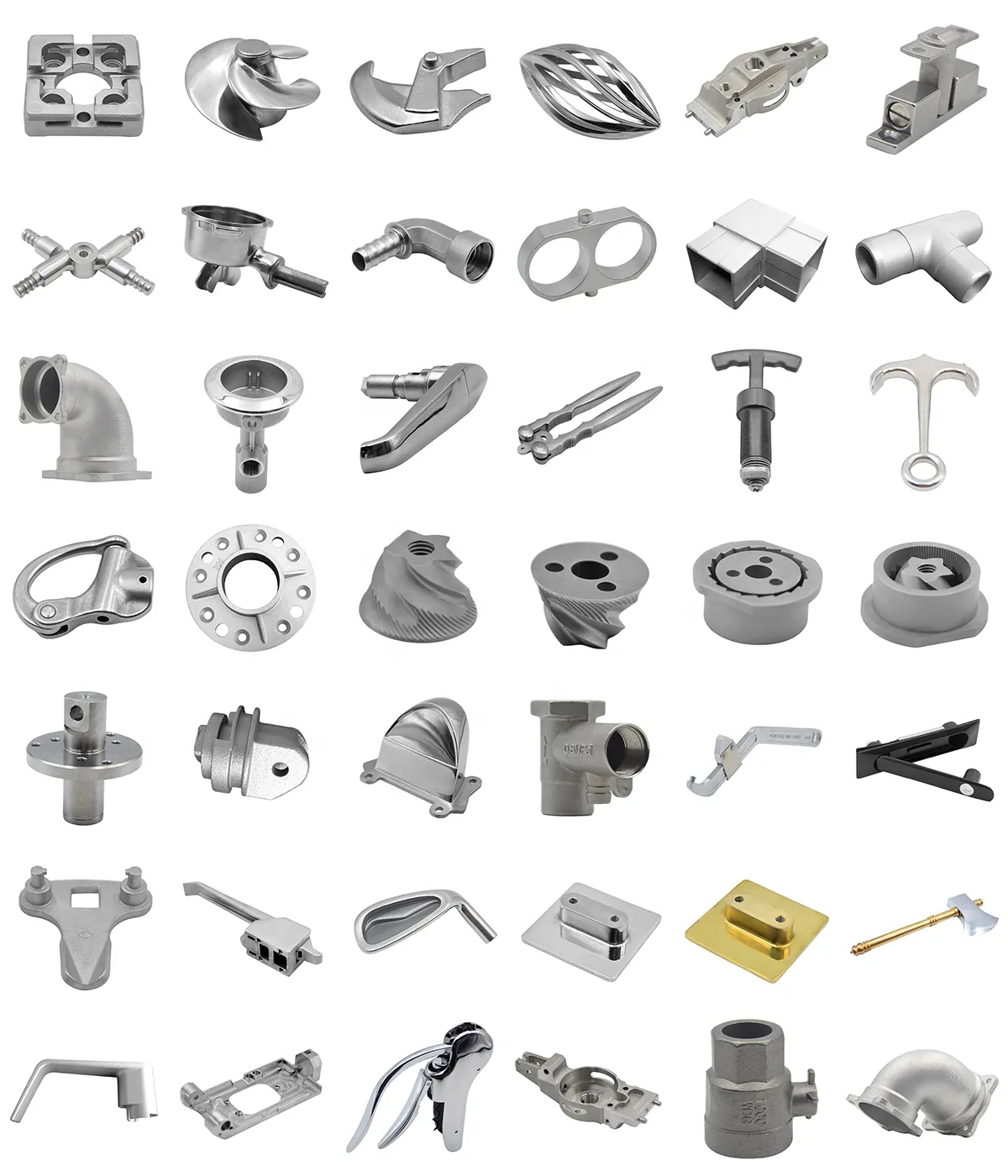
OEM Stainless Steel and Aluminum Investment Lost Wax Casting Parts with CT4–CT6 and CNC/Die-Casting Options
Let’s define your requirement
Send a product link, drawing or short brief. We’ll work through the details with you.
- Confirm the specificationGrade or model, size and intended use.
- Define your orderQuantity, finish or configuration, and samples.
- Agree the quotation scopeIncluded work, key checks and delivery needs.
-
Surface FinishSandblasted , Polished
-
ProcessLost Wax Casting
-
KeywordSteel Investment CastingOther ProcessDie casting,CNC machining,Injection molding,Stamping,etc
-
MaterialStainless Steel,Carbon Steel,Aluminum,Brass,etcCustomizedAvailable
-
Surface treatmentPolish,Sand blasting,Powder coating,Painting,Plating,etcMOQ1 Piece
-
RoughnessRa1.6~3.2ToleranceCT4-CT6
-
Drawing formatSTP,STEP,etc
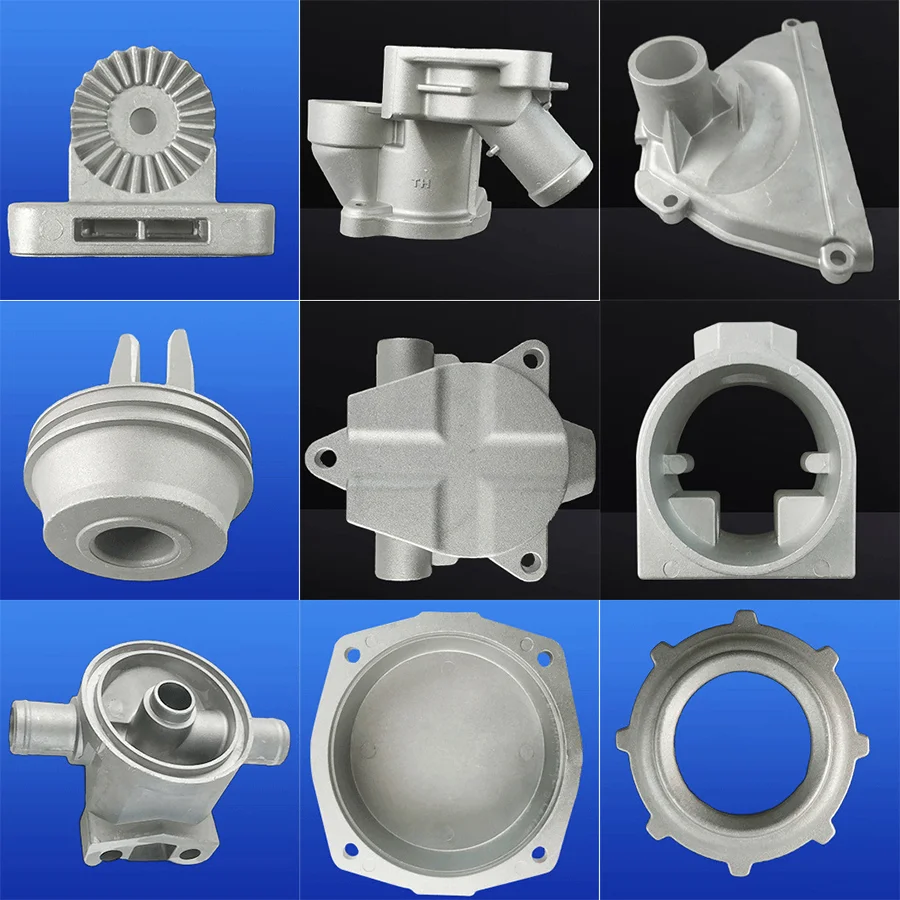
Custom OEM casting work combines steel investment and lost-wax casting enquiries with material and process selection for the individual part. Stainless steel, carbon steel, aluminum and brass are available material choices, with CT4–CT6 casting tolerance and a roughness designation of Ra1.6–3.2.
Choose the material and route as one decision
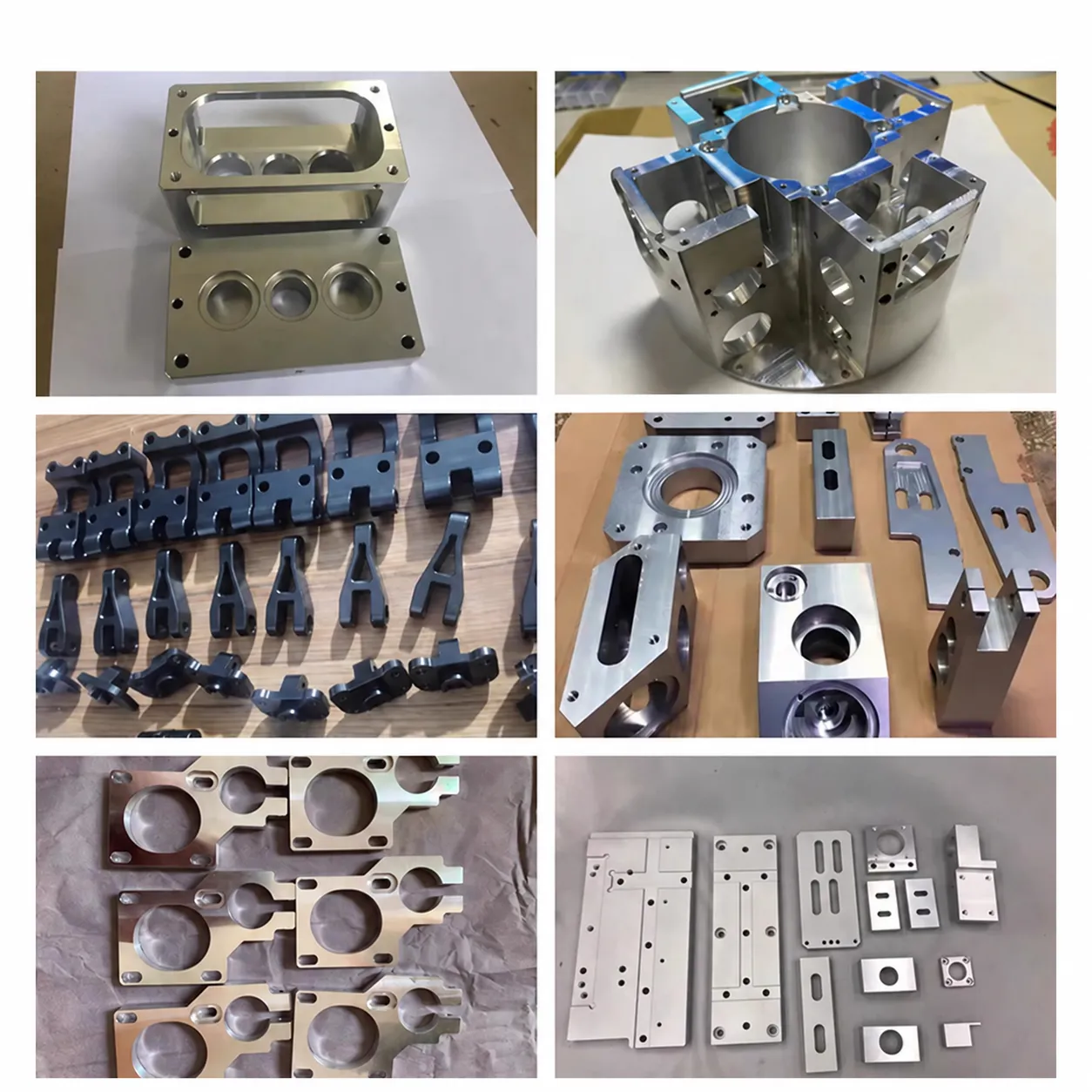
A stainless investment-cast component and an aluminum die-cast component require their own manufacturing plans. Die casting, CNC machining, injection molding and stamping are additional process options to discuss for the project. Select the appropriate route for the actual material and geometry rather than applying the whole process menu to one part. Identify any interfaces that need CNC work so that the casting and subsequent operations can be considered together.
Distinguish casting classes from finished interfaces
CT4–CT6 provides a casting-tolerance basis for reviewing the drawing. Define the critical dimensions and any final machined acceptance separately, particularly where the part must fit another component. For Ra1.6–3.2, confirm the roughness unit, measurement locations and surface condition being evaluated. This makes the casting requirement and finished-interface requirement clear at the same review stage, without assuming that a casting class defines every machined dimension.
Define the surface on the STP or STEP model
Polishing, sand blasting, powder coating, painting and plating are surface-treatment choices for customized work. Match the selected treatment to the alloy and identify any mating or appearance surfaces that require specific control. STP and STEP files can carry the component geometry into the enquiry. Include the chosen alloy grade, route, critical dimensions and finish requirements with that model so the customized part can be reviewed as a complete manufacturing proposal.