
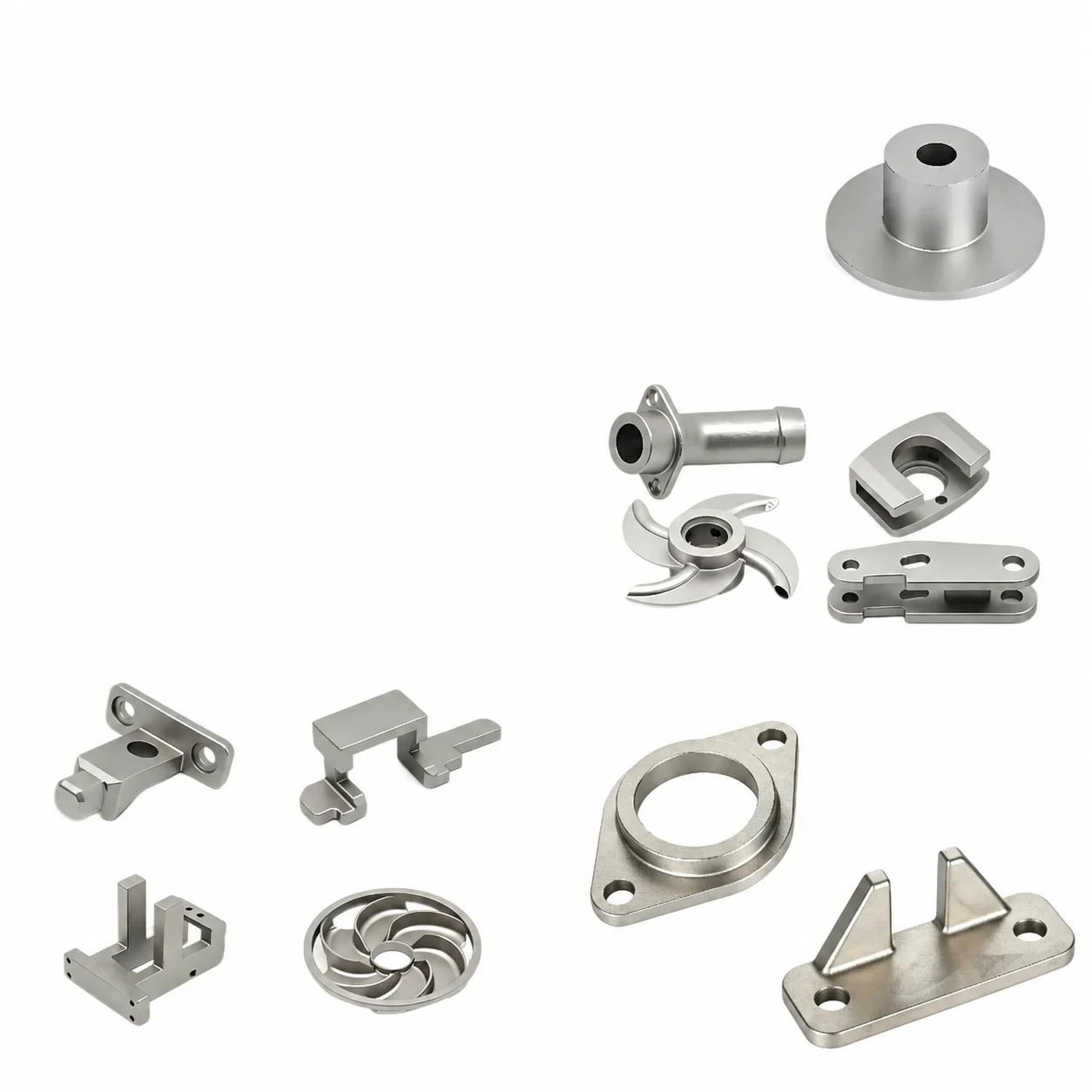
OEM Precision Stainless Steel Lost Wax Investment Casting and Machining with Surface Finishing
Let’s define your requirement
Send a product link, drawing or short brief. We’ll work through the details with you.
- Confirm the specificationGrade or model, size and intended use.
- Define your orderQuantity, finish or configuration, and samples.
- Agree the quotation scopeIncluded work, key checks and delivery needs.
-
Surface FinishAnodized , Polished
-
Surface TreatmentGrinding/Polishing/Anodizing/Galvanizing/Deburring
-
MaterialsStainless Steel/Aluminum Alloy/Carbon SteelProcessable MaterialsCast Iron/ Copper Alloy
-
Surface FinishingPassivation/Degreasing & Oil Removal/Electroplating/Pickling
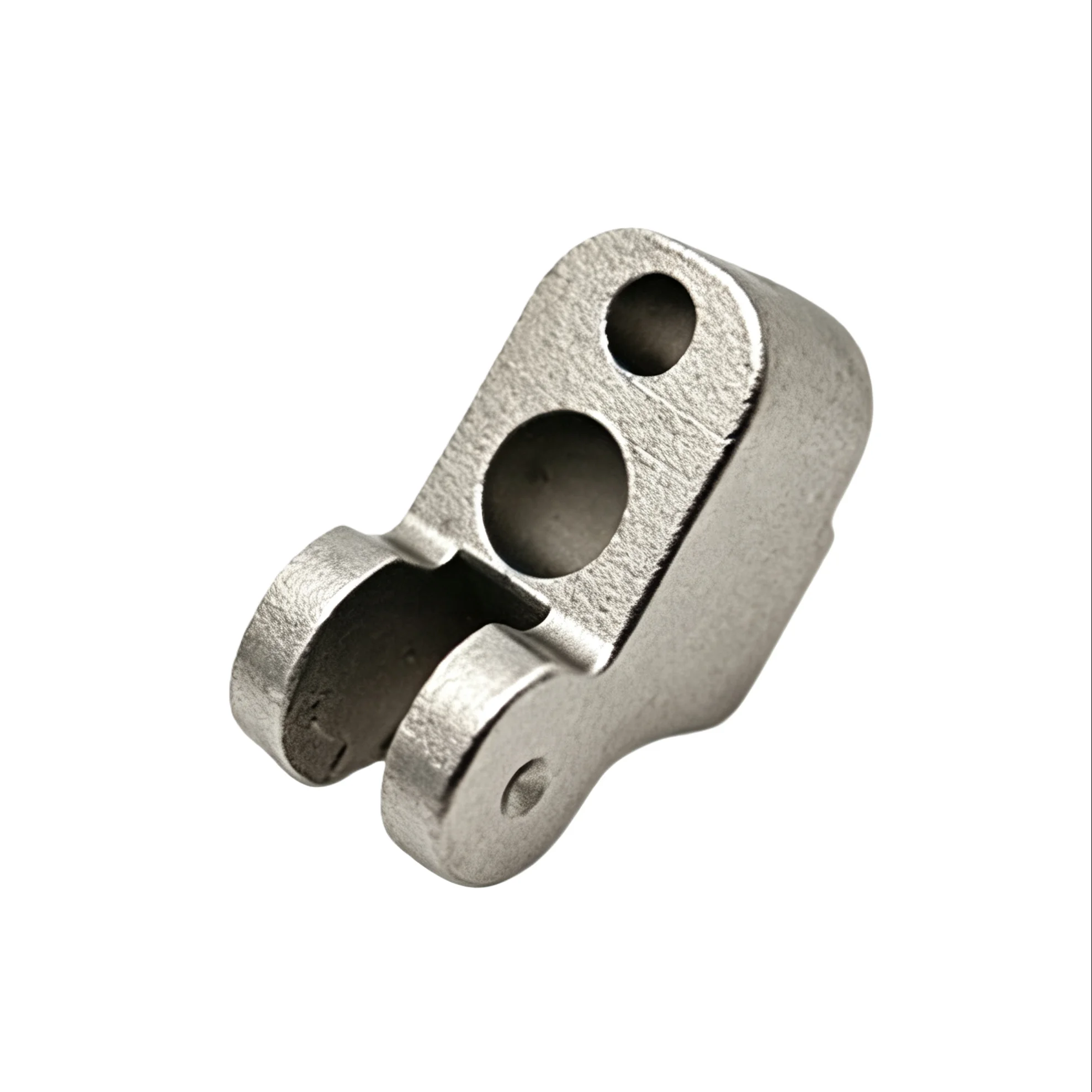
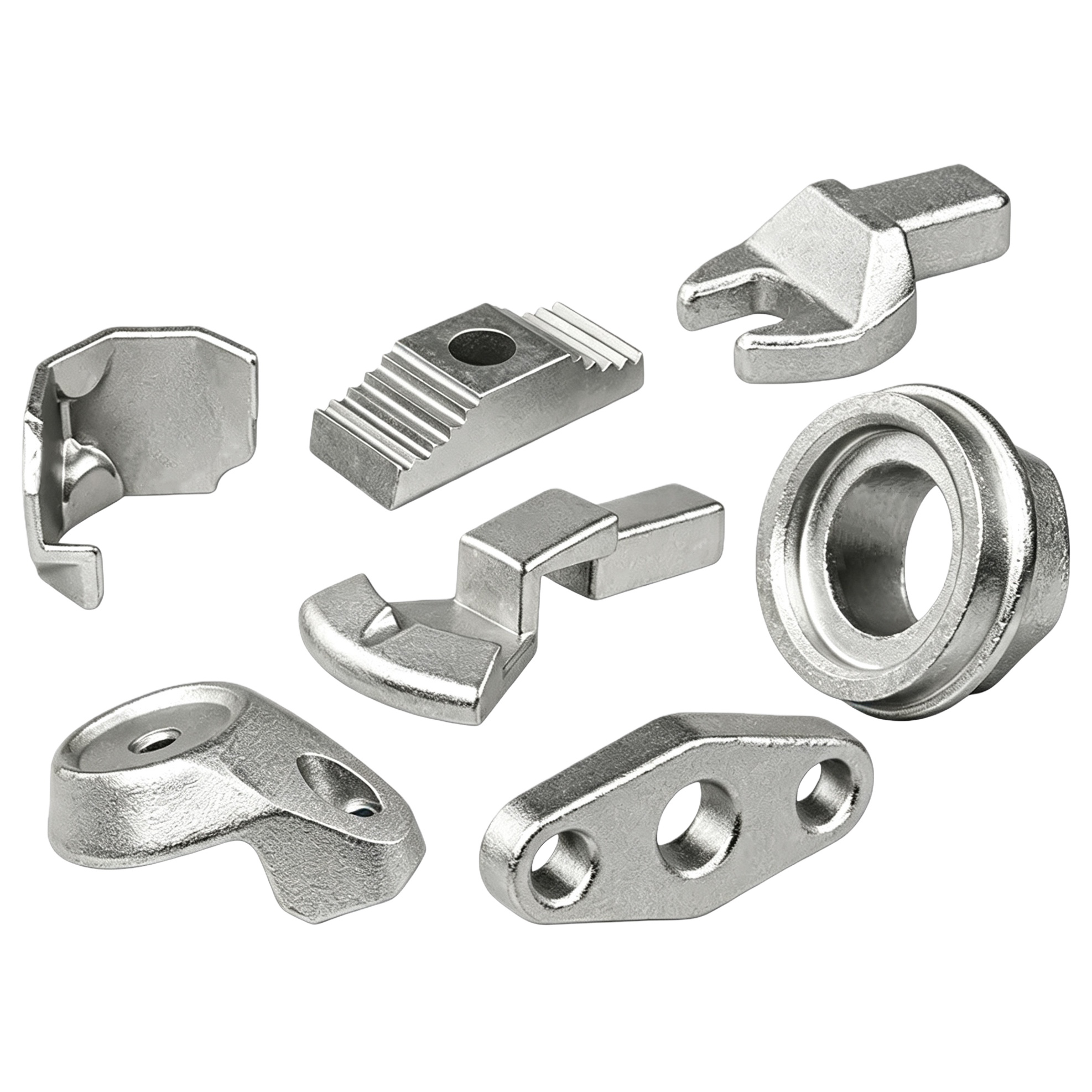
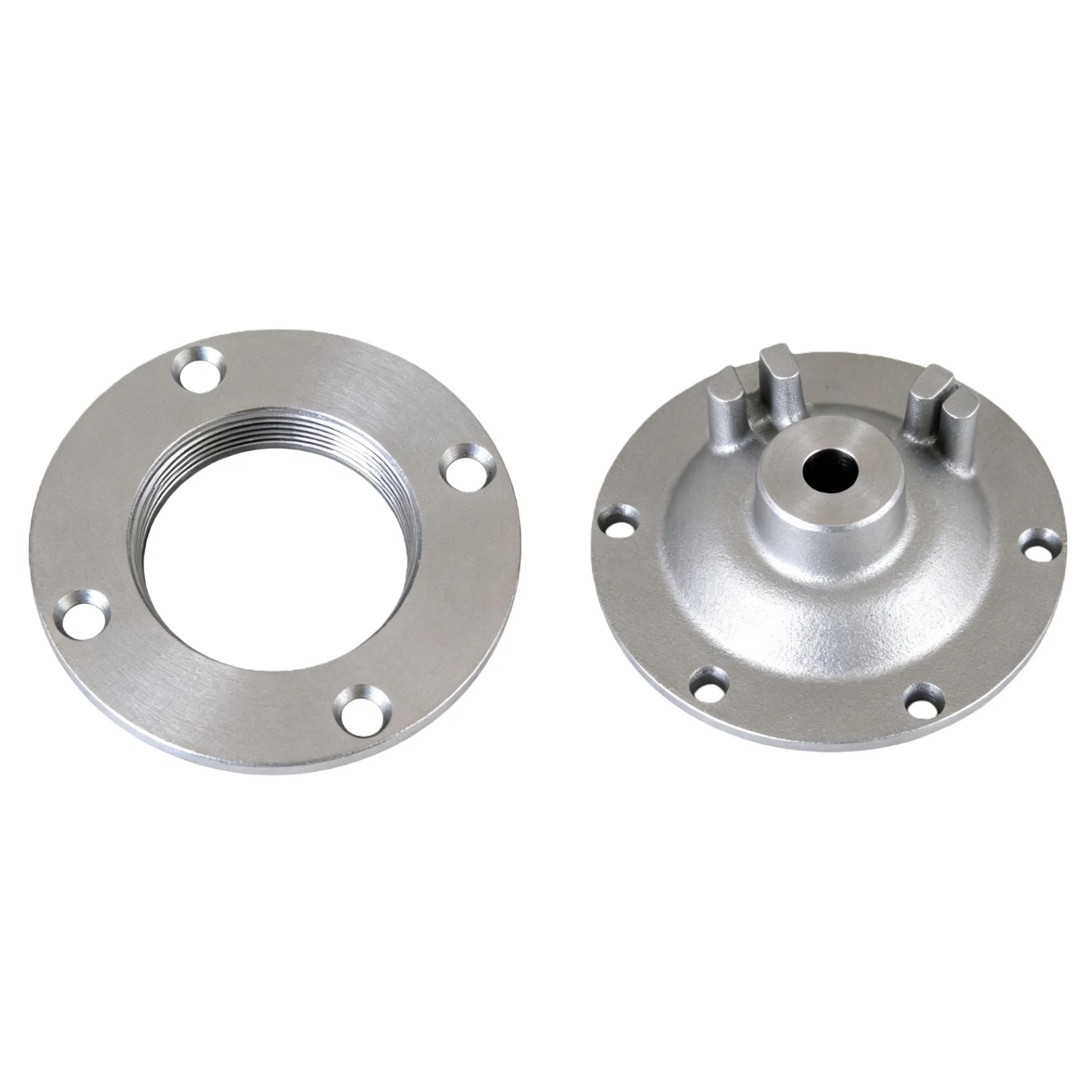
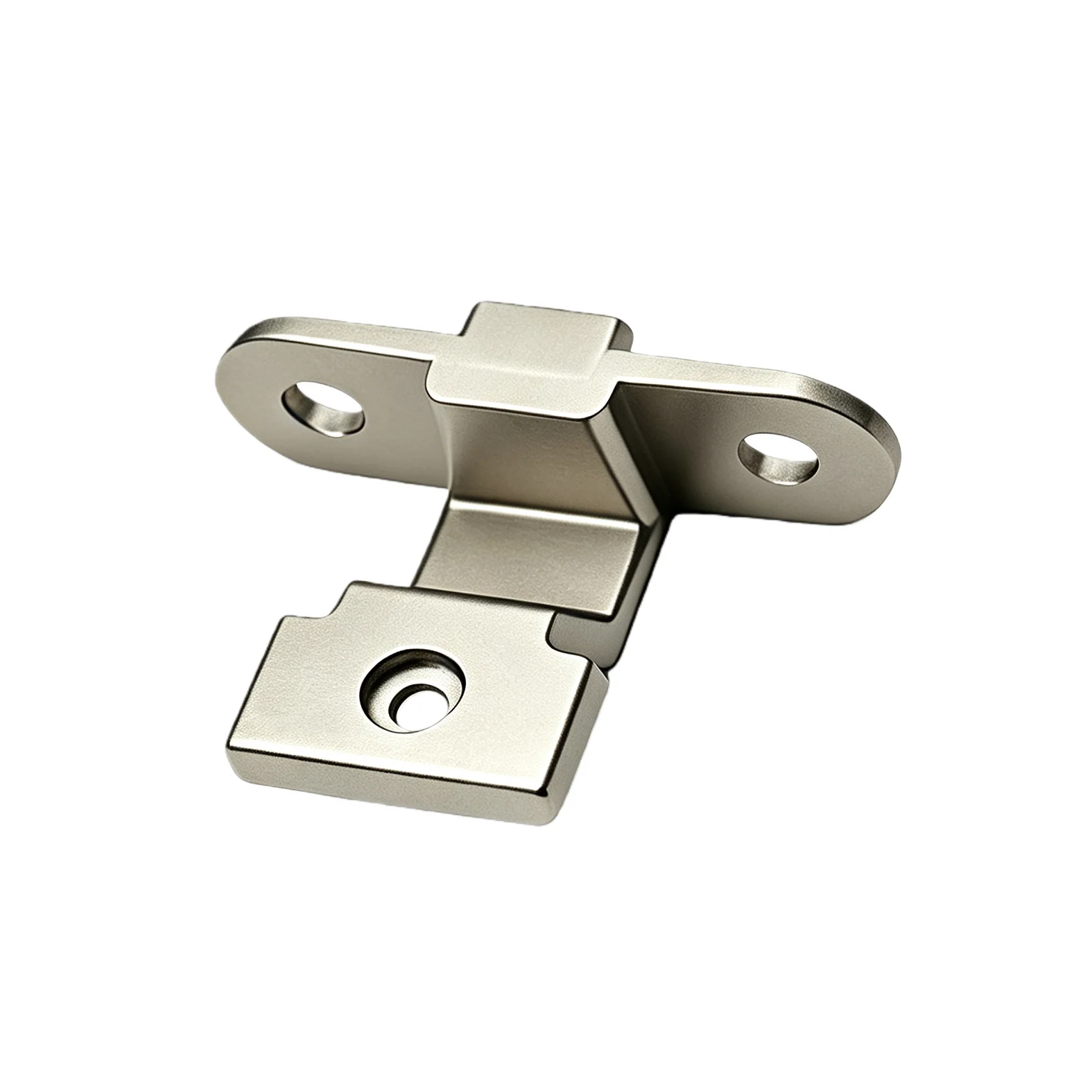
OEM precision stainless steel lost-wax investment casting and machining are available with a broad surface-finishing menu. Material enquiries also include aluminum alloy, carbon steel, cast iron and copper alloy. The selected metal and required finished condition determine which operations belong in the component's manufacturing plan.
Choose the material before the finish sequence
Define the actual grade and component geometry for the enquiry. The machining scope and dimensional requirements should describe the part's intended finished condition. Identify surfaces needing treatment and any interfaces requiring particular acceptance. This connects the casting and machining work to the finish decisions for the selected metal.
Select mechanical and coating operations
Grinding, polishing and deburring are available surface-work enquiries. Anodizing and galvanizing are additional choices whose compatibility should be established for the actual material. Select the required operations and their sequence rather than applying the full menu to every metal. The finished appearance and dimensional condition should be described for the relevant faces.
Specify chemical finishing and acceptance
Passivation, degreasing and oil removal, electroplating and pickling complete the named surface-finishing options. Identify which of these are required for the selected component and the condition expected after that work. The treatment plan should remain consistent with the metal grade and any other chosen operations. Agree the dimensional and surface inspection criteria for the finished part. Bringing these requirements together gives the OEM enquiry a clear scope from precision investment casting and machining through the selected final surface treatment.








