
OEM Precision Cast-Iron/Aluminum Car Parts | Investment/Die Casting, CNC and CT4–CT8/±0.02mm References
Let’s define your requirement
Send a product link, drawing or short brief. We’ll work through the details with you.
- Confirm the specificationGrade or model, size and intended use.
- Define your orderQuantity, finish or configuration, and samples.
- Agree the quotation scopeIncluded work, key checks and delivery needs.
-
Surface FinishSandblasted , Polished
-
MaterialStainless Steel,Steel,Brass,Copper,Aluminum,Iron,Plastic
-
TechnologyInvestment Casting,Sand Casting,Machining,Welding,ForgingMachiningBroaching,DRILLING,Milling,Turning,Tapping,Wire
-
ProcessMolds,Casting,Deburring,Machining,Surface Treatment,PackingWeightAvailable from 0.01 Kg-10T
-
StandardISO,GB,DIN,JIS,ANSI,BSW,ASTM,ASME,BS,API,ENCasting ToleranceCT4-CT8
-
Machining Tolerance+/-0.02mmSurface TreatmentPolishing, Passivating, Sandblasting, Zinc plating, Oxide black
-
CertificationIS09001: 2015,TUV
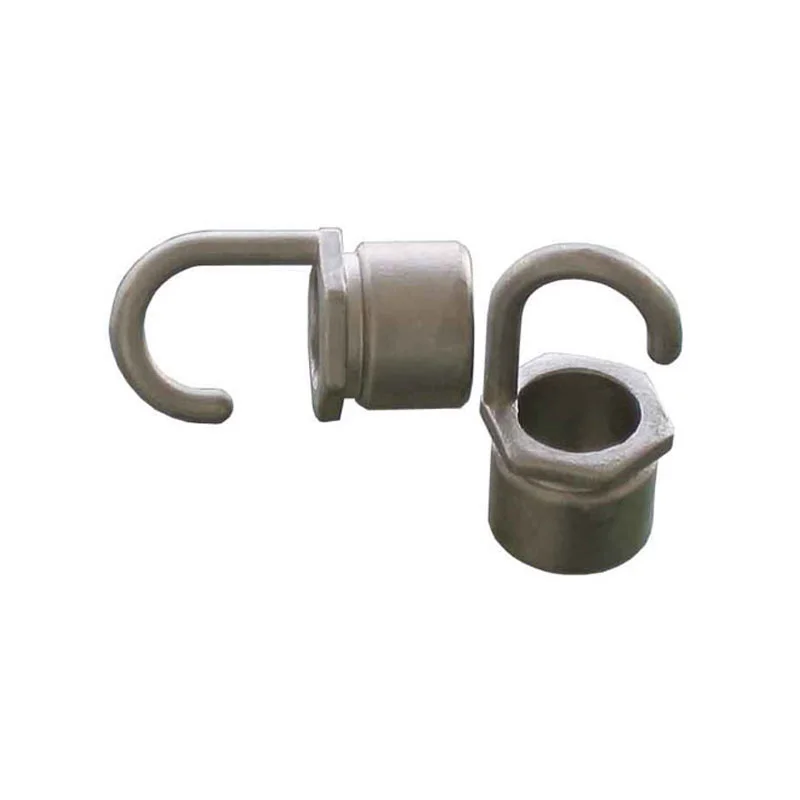
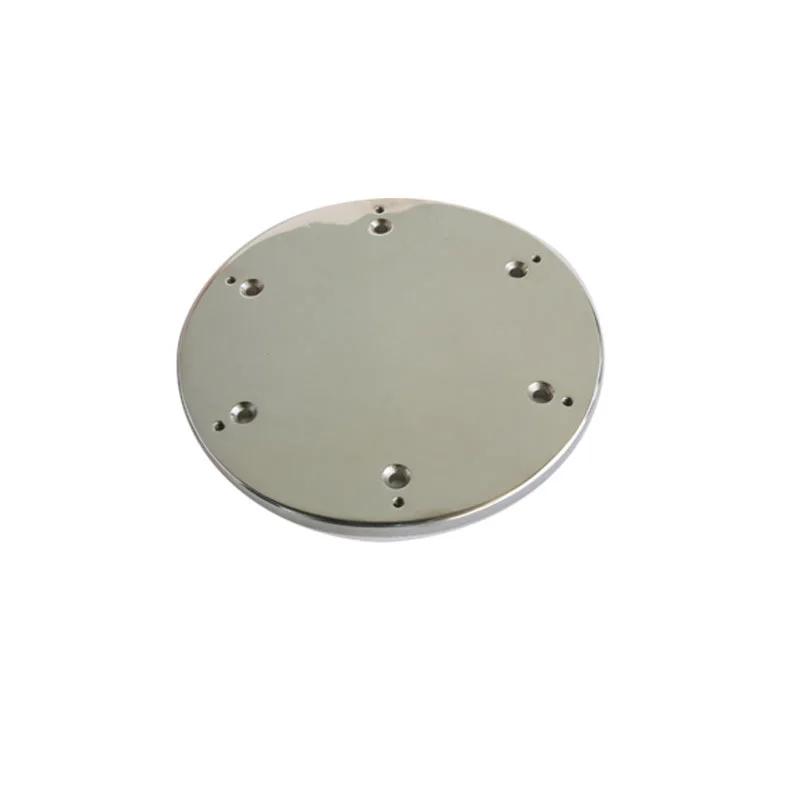
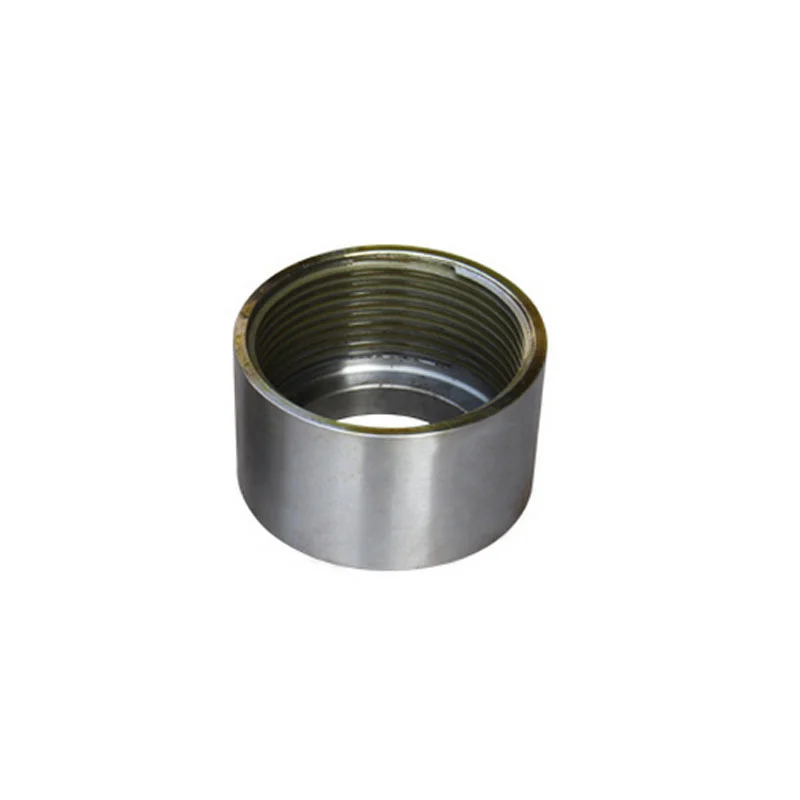
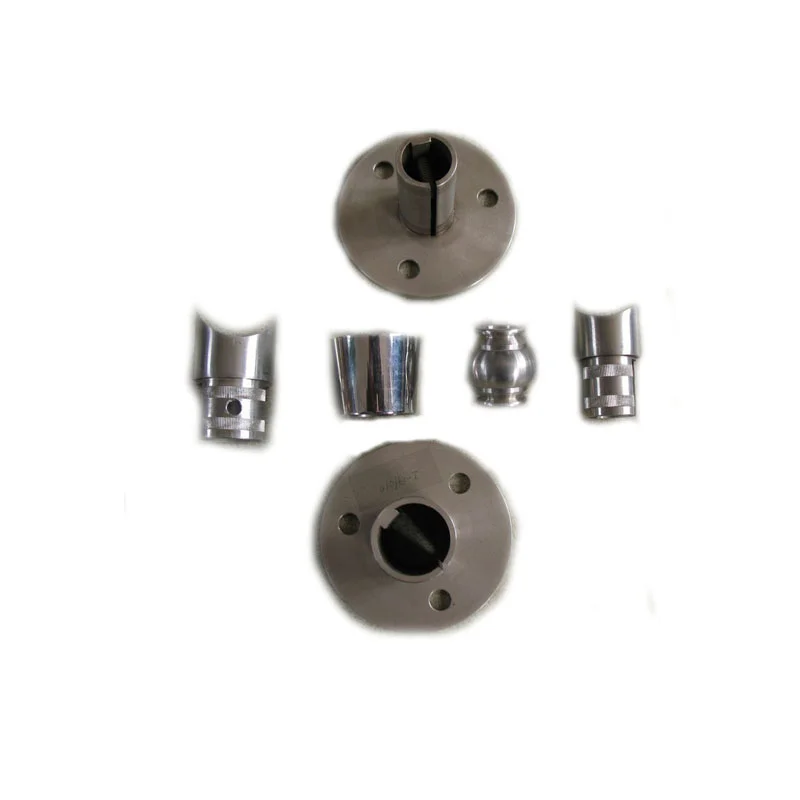
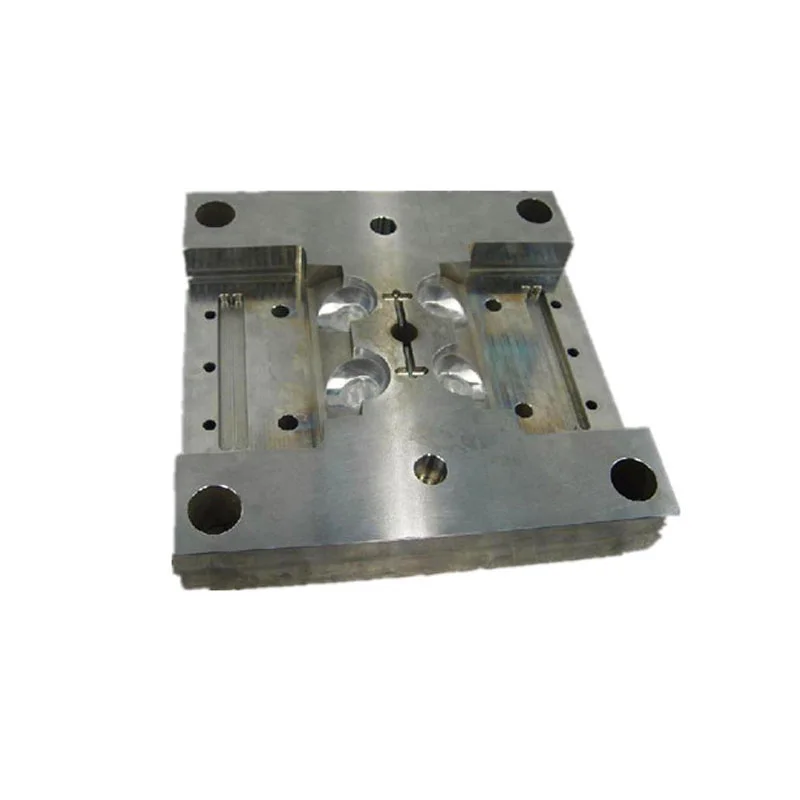
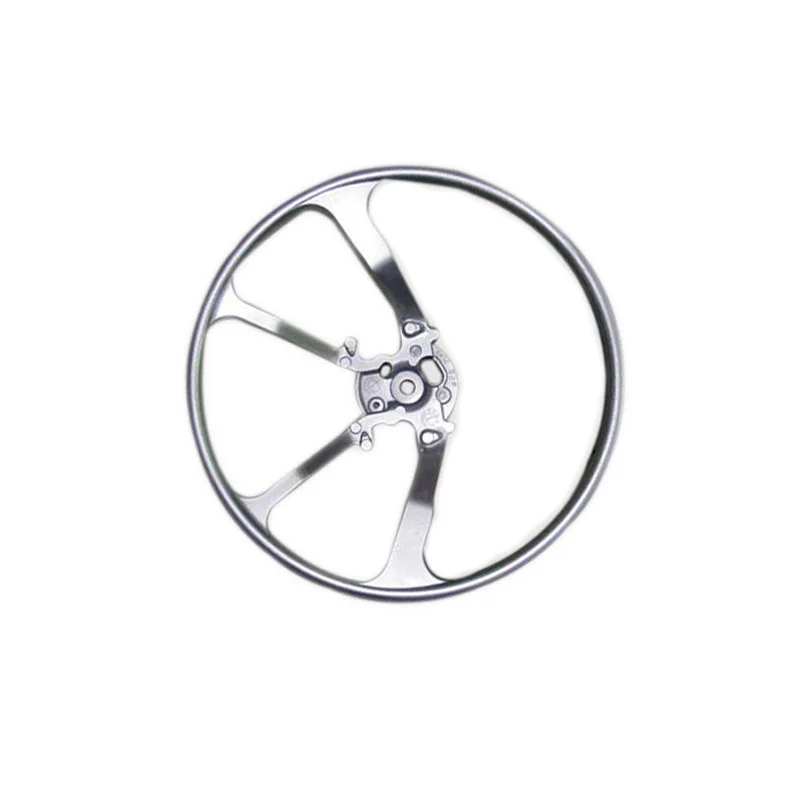
Custom OEM car-part casting inquiries in cast iron or aluminum include investment, die-casting and CNC directions. Casting tolerance is CT4–CT8, with ±0.02 mm as the machining-tolerance reference. Define the actual automotive component and controlled areas, relating those references to its selected material and manufacturing route.
Automotive interfaces and precision acceptance
Identify the actual part geometry and the interfaces relevant to the vehicle-component task. Assign CT4–CT8 requirements to its cast dimensions and define the machined areas governed by ±0.02 mm. Agree their measurement basis and required fit, connecting dimensional acceptance to the component's intended function and supplied condition.
Material selection and the manufacturing stages
The broader materials cover stainless steel, steel, brass, copper, aluminum, iron and plastic. Services include investment/sand casting, machining, welding and forging, alongside die-casting inquiries. Stages encompass molds, casting, deburring, machining and surface treatment. Select the actual material and route, then identify the broaching, drilling, milling, turning, tapping or wire work needed for the specific geometry.
Polish, passivation and selected surface work
Finish directions are polishing, passivation, sandblasting, zinc plating and black oxide. Select the work appropriate to the actual material and required surface condition. Define the treated areas and their dimensional and visual acceptance after processing, relating those requirements to the component's cast surfaces and important CNC-machined interfaces.
Standards within the car-part request
Reference families include ISO, GB, DIN, JIS, ANSI, BSW, ASTM, ASME, BS, API and EN. Define the applicable material and inspection requirements for the selected component. Connect that standard scope to the agreed geometry, cast/machined tolerances and finished surfaces, establishing the acceptance needed to evaluate the actual automotive part.








