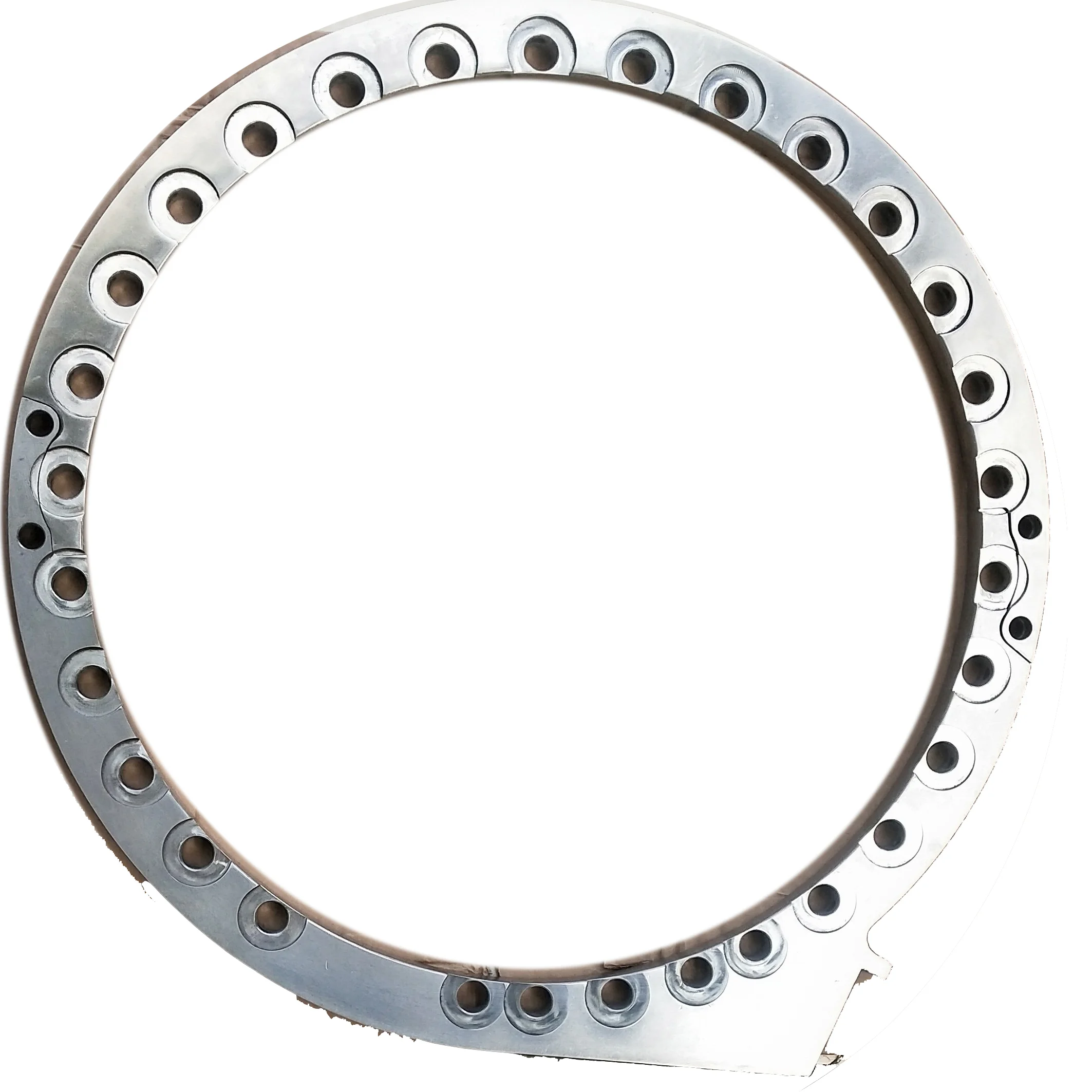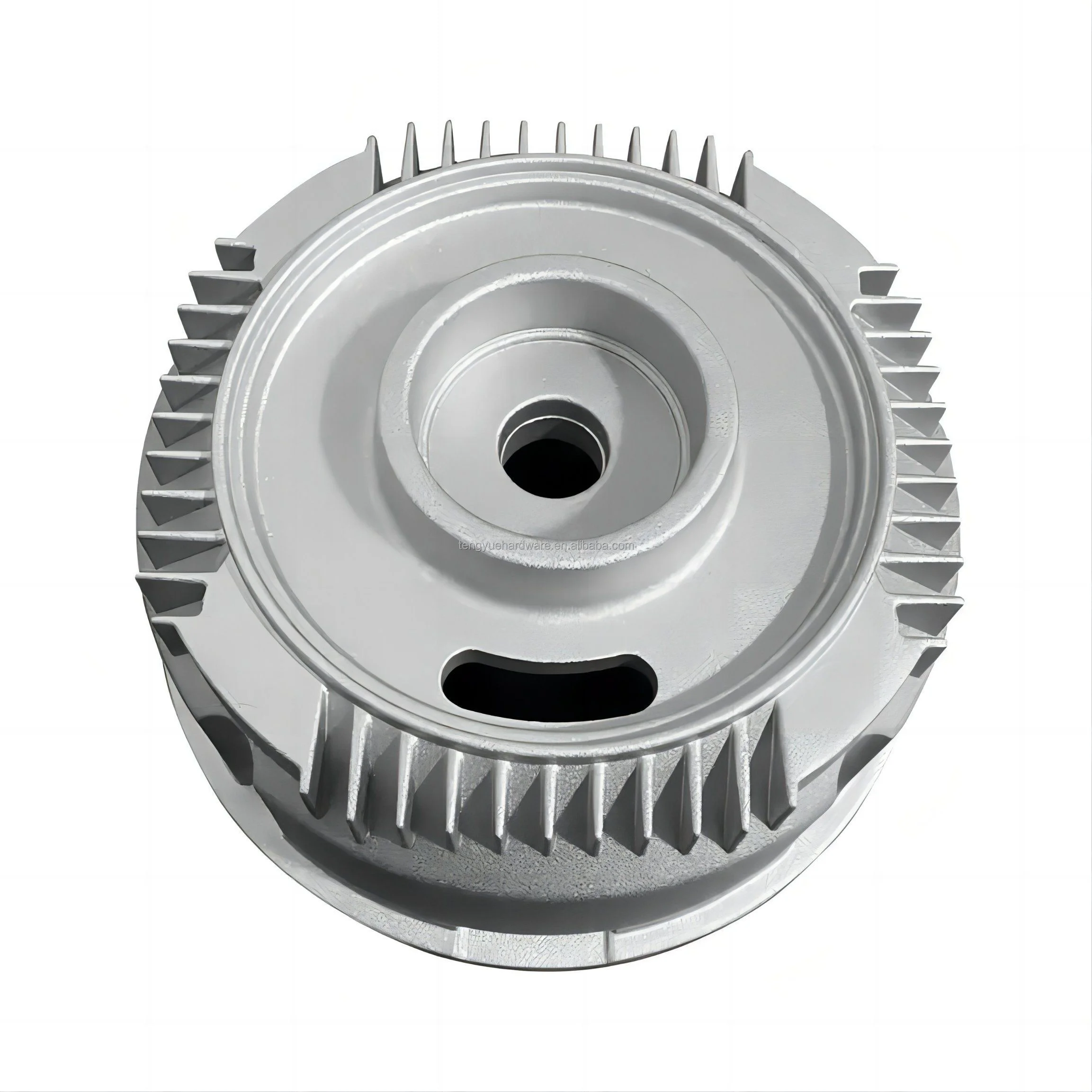
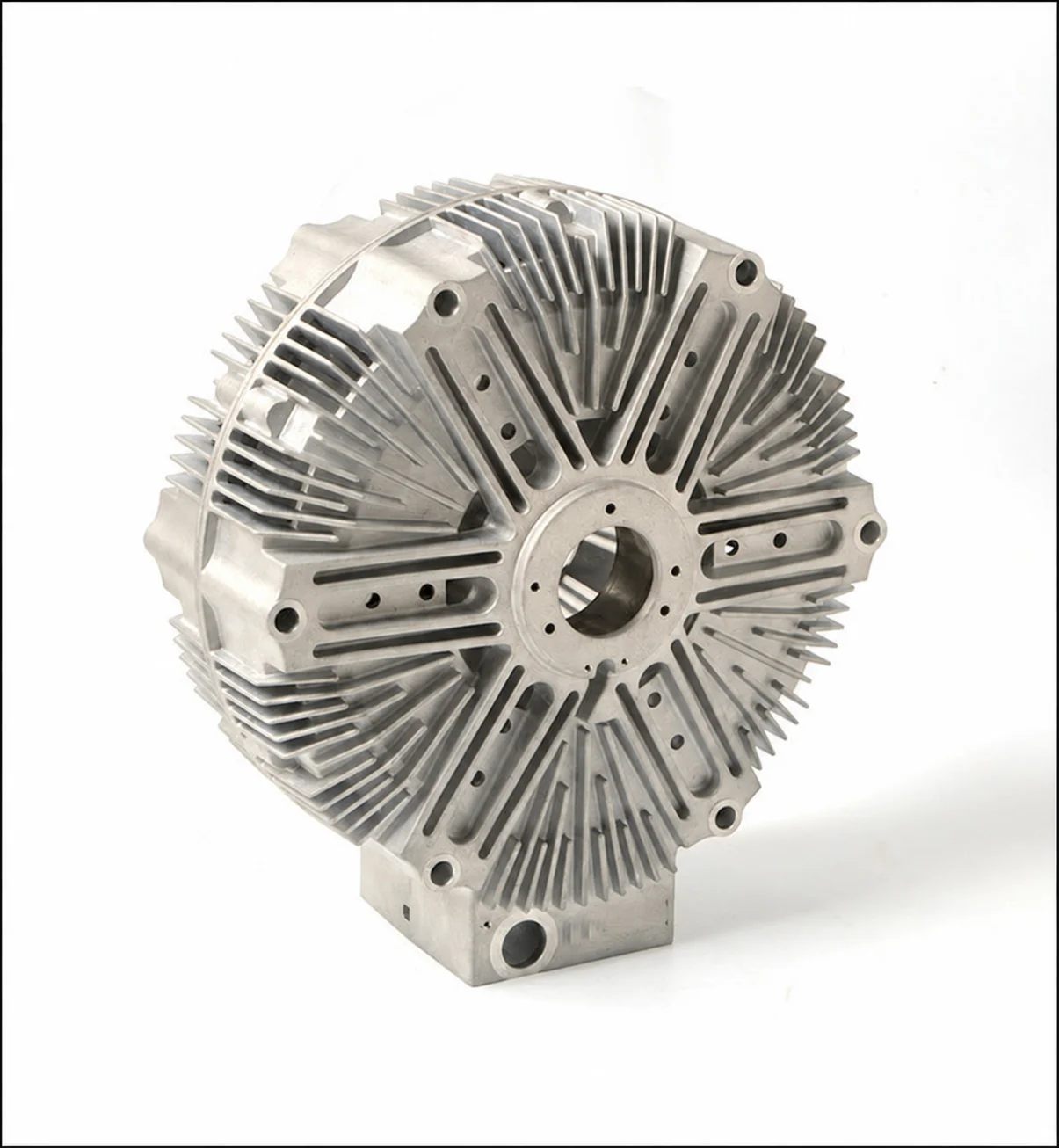
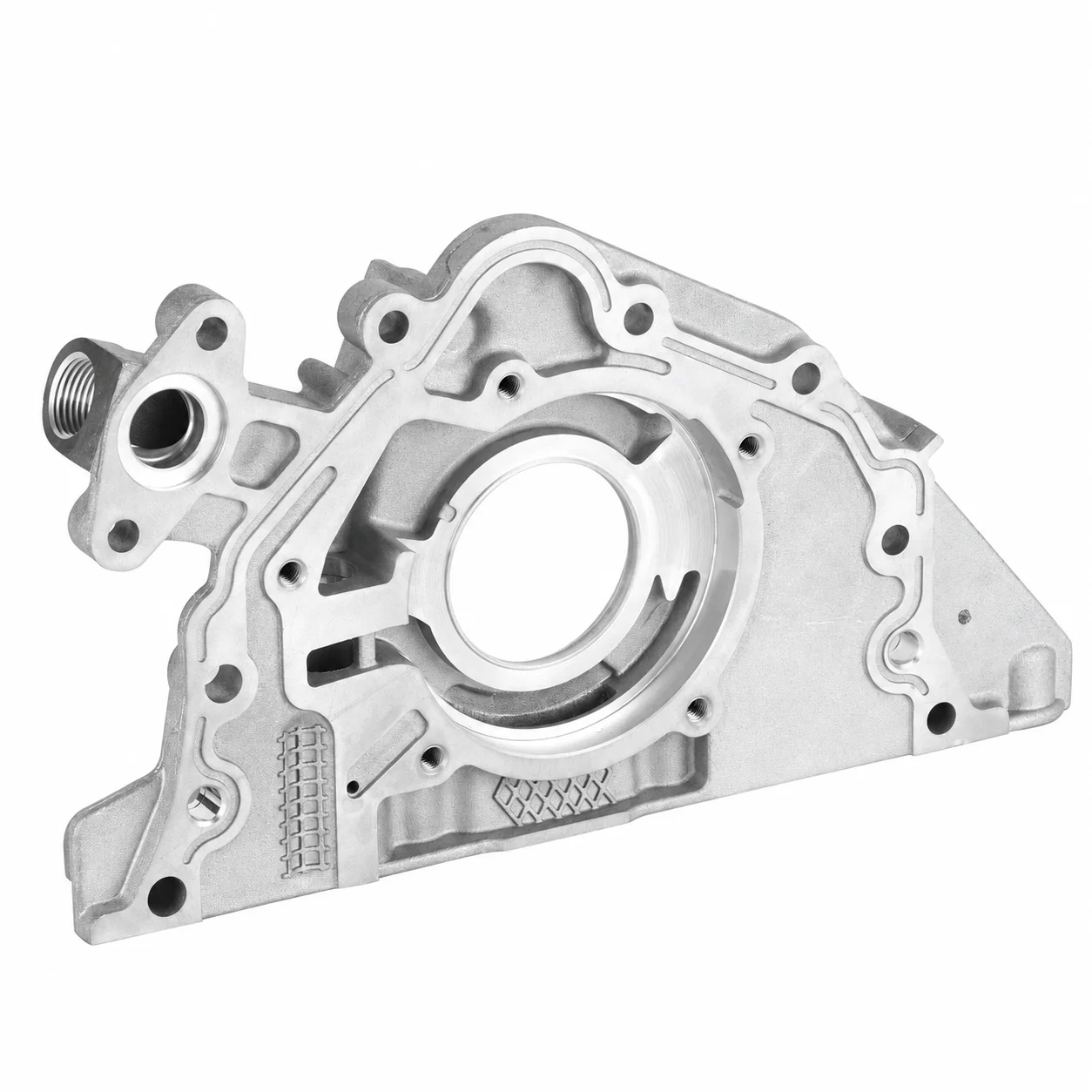
OEM Precision Aluminum Auto-Part Die Casting and Cast-Iron, Zinc or Magnesium Inquiries
Let’s define your requirement
Send a product link, drawing or short brief. We’ll work through the details with you.
- Confirm the specificationGrade or model, size and intended use.
- Define your orderQuantity, finish or configuration, and samples.
- Agree the quotation scopeIncluded work, key checks and delivery needs.
-
Surface FinishPainted , Powder Coated
-
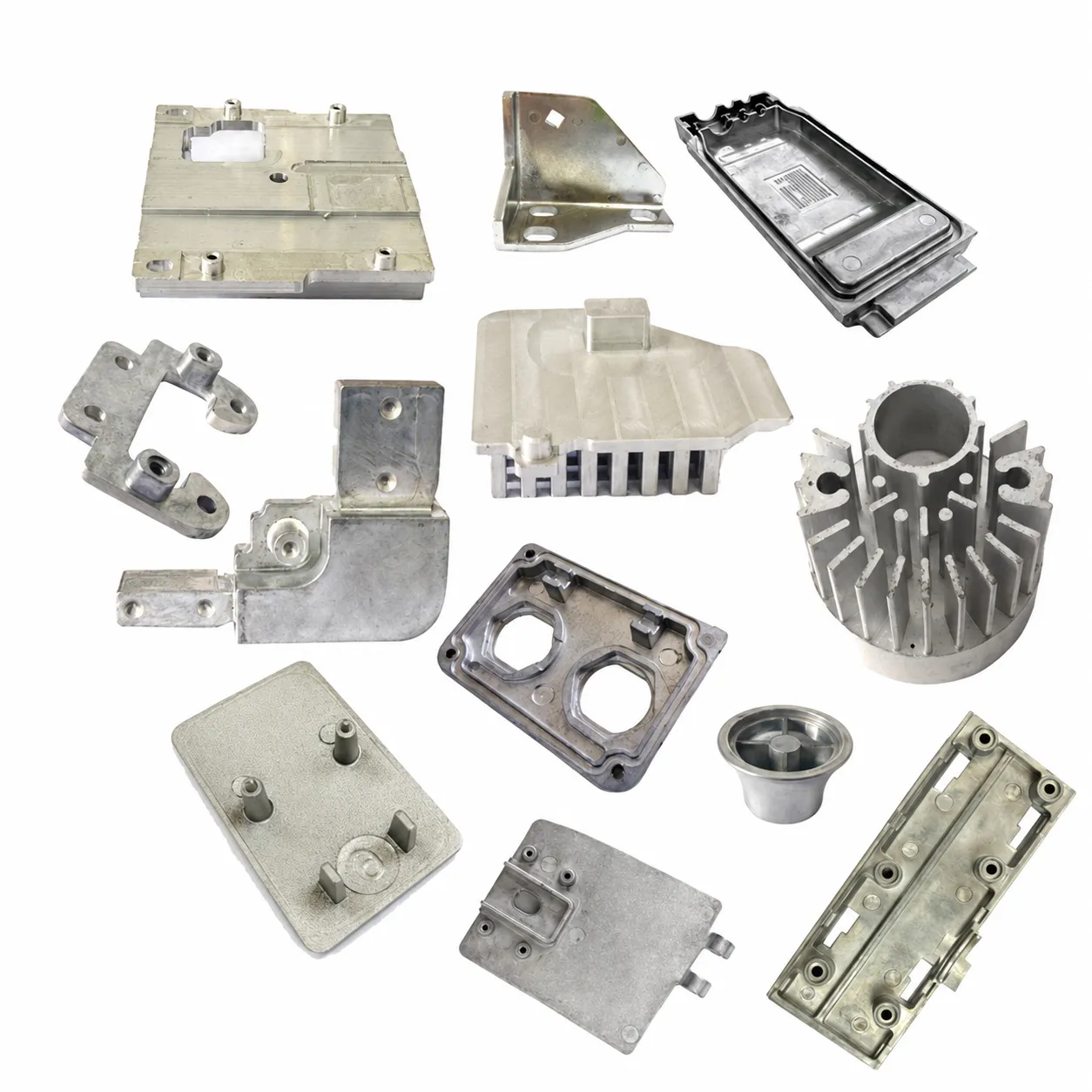
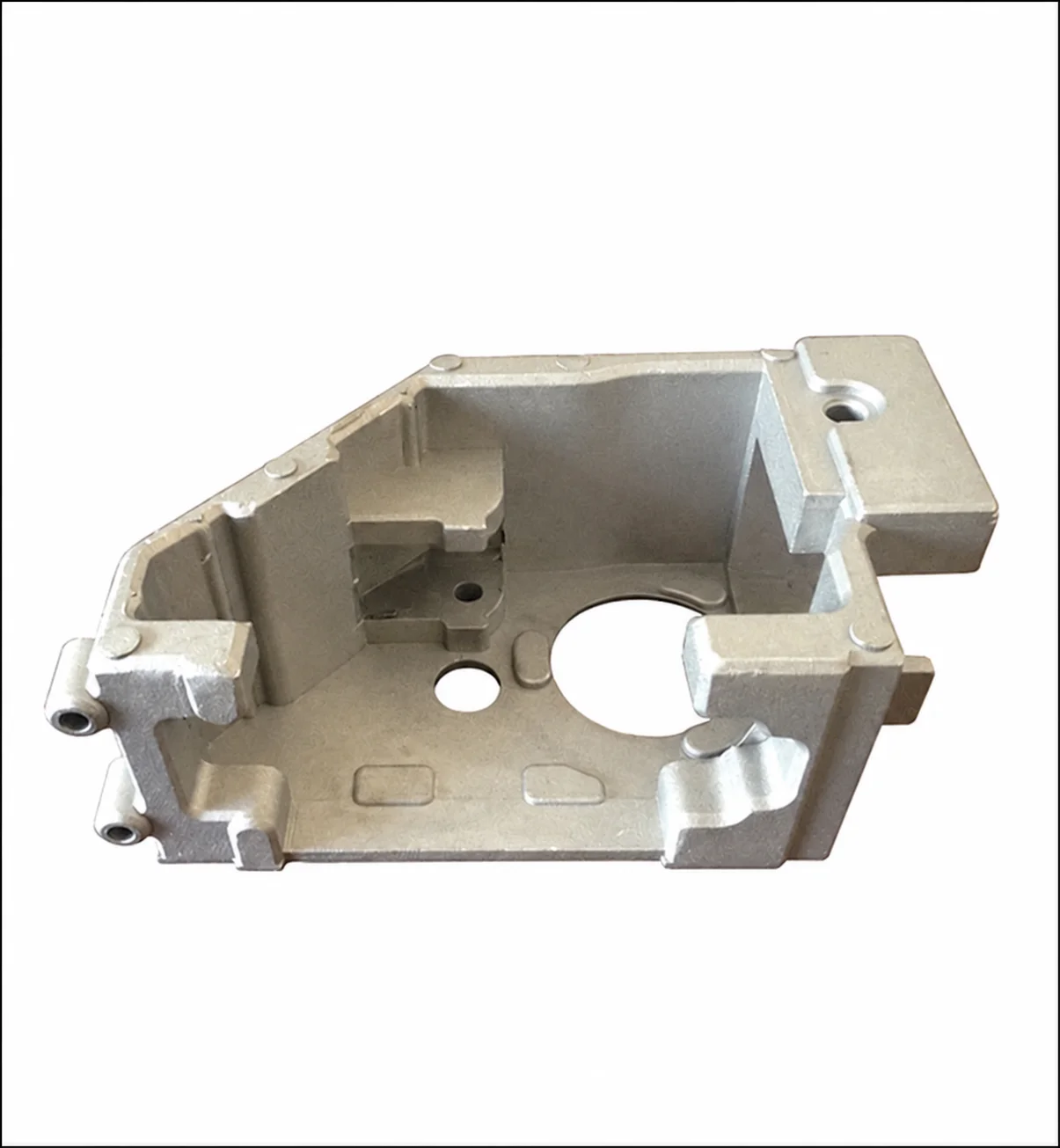
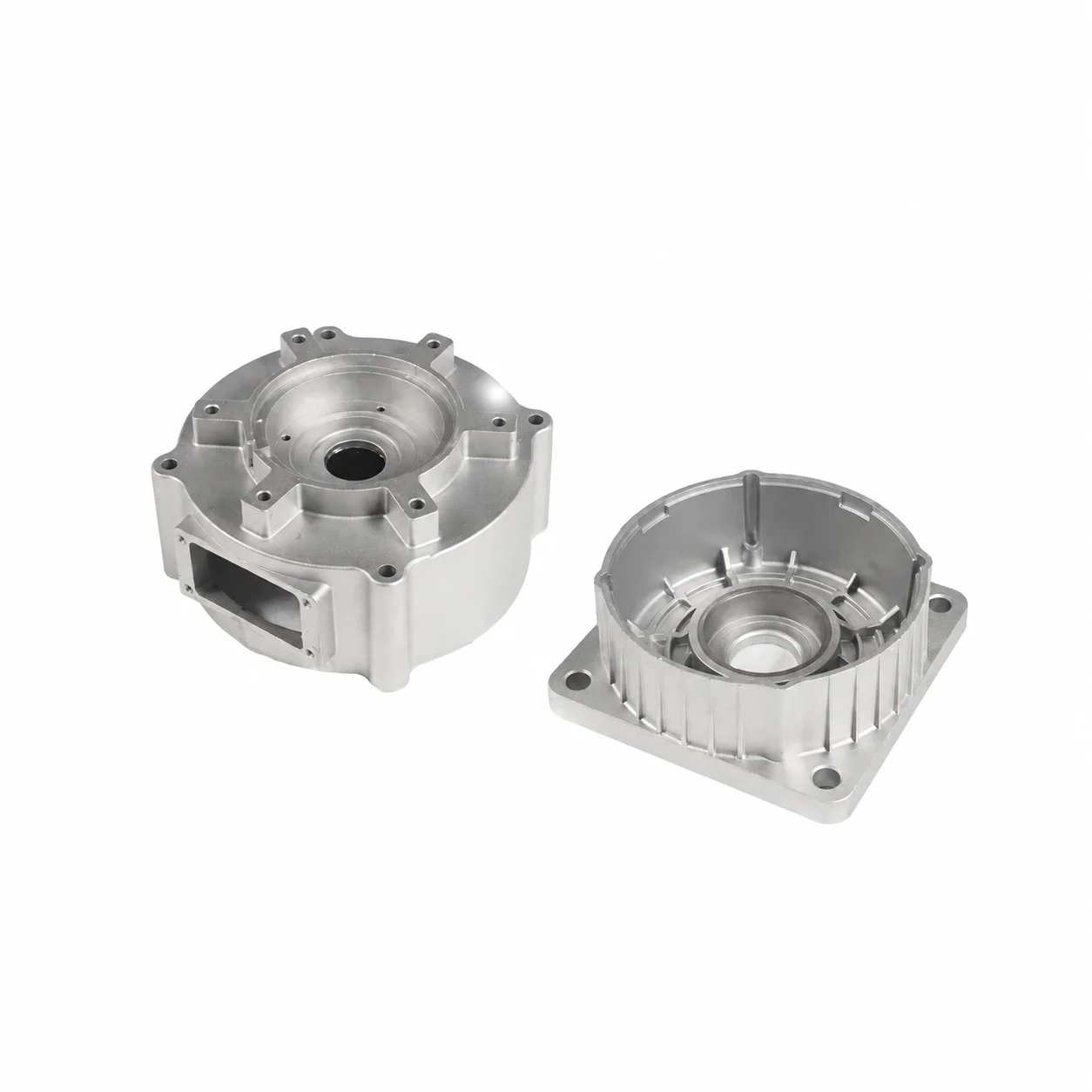
Product nameDie Casting Aluminum parts
-
Keywordsand cast aluminumSurface treatmentPaint/Powder coating/oxidation etc
-
ApplicationAuto parts ,Machine parts,Medical parts,electronicProcessDie Casting-deburring- Machinery
-
QualityControl Professional InspectionFeatureEco Friendly
-
ServiceOEM ODMPackageCustomer Requriement
OEM/ODM precision casting inquiries cover aluminum automotive parts, with die-casting/deburring and a selected die- or sand-casting scope for the component. Paint, powder coating and oxidation are surface directions. Professional inspection and an eco-friendly direction accompany the custom service, with the actual part and acceptance to be defined.
Choose the casting route for the aluminum part
Identify the component and agree whether its aluminum casting scope follows the die-casting or sand-casting inquiry. Die casting and deburring are concrete process stages, with any following operation to be defined for the design. The chosen route can then be reviewed around the component geometry and material requirement.
Other metals and intended application
Cast-iron, zinc and magnesium inquiries need their own selected material and manufacturing scope. Automotive, machine, medical and electronic parts are application directions for the broader service. Define the actual component function and applicable acceptance so the material and process discussion stays specific to the part being requested.
Surface direction, environment and inspection
Paint, powder coating and oxidation provide three treatment directions to review with the selected material. Discuss the eco-friendly direction against the project's environmental criteria, together with the relevant surface and dimensional requirements. Professional inspection can then address the actual component against its agreed material, geometry and delivered condition.
- Part and route
- Identify the component and selected material/casting scope.
- Delivered surface
- Choose the relevant paint, powder-coating or oxidation requirement.
- Project acceptance
- Connect the actual use and environmental criteria with the component inspection.