
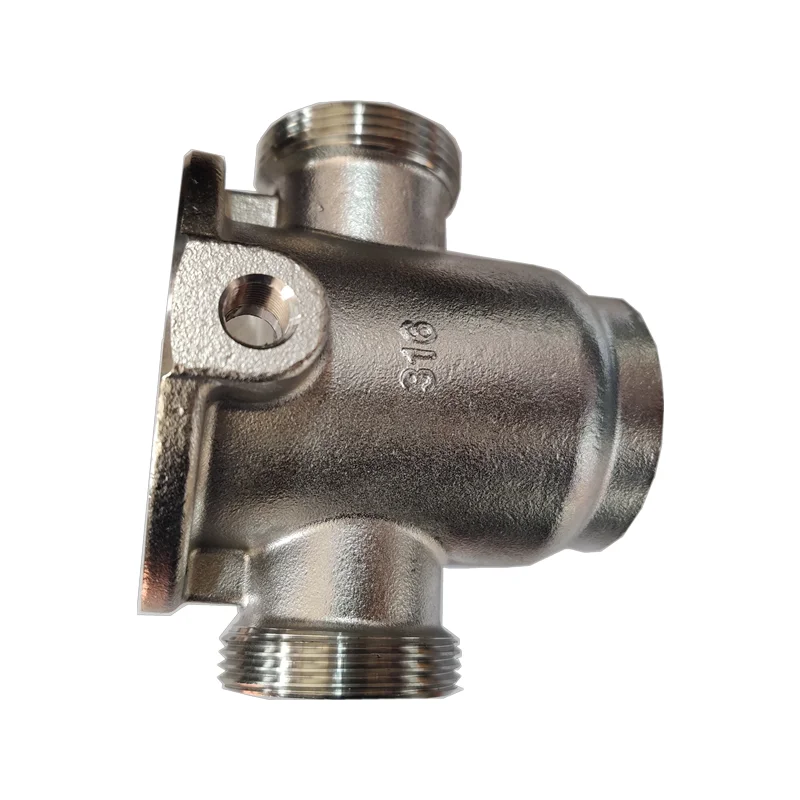
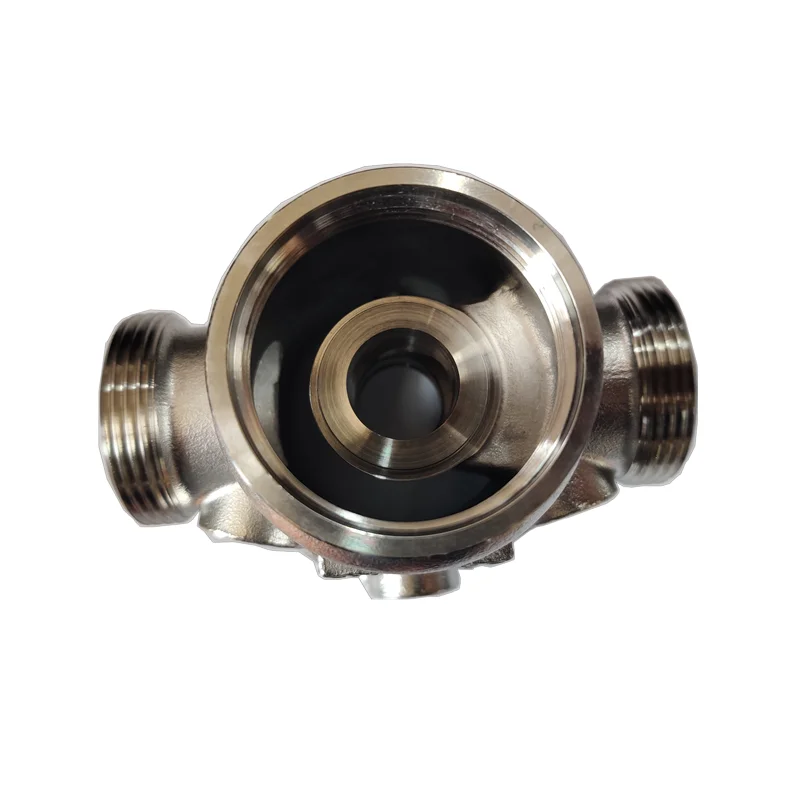
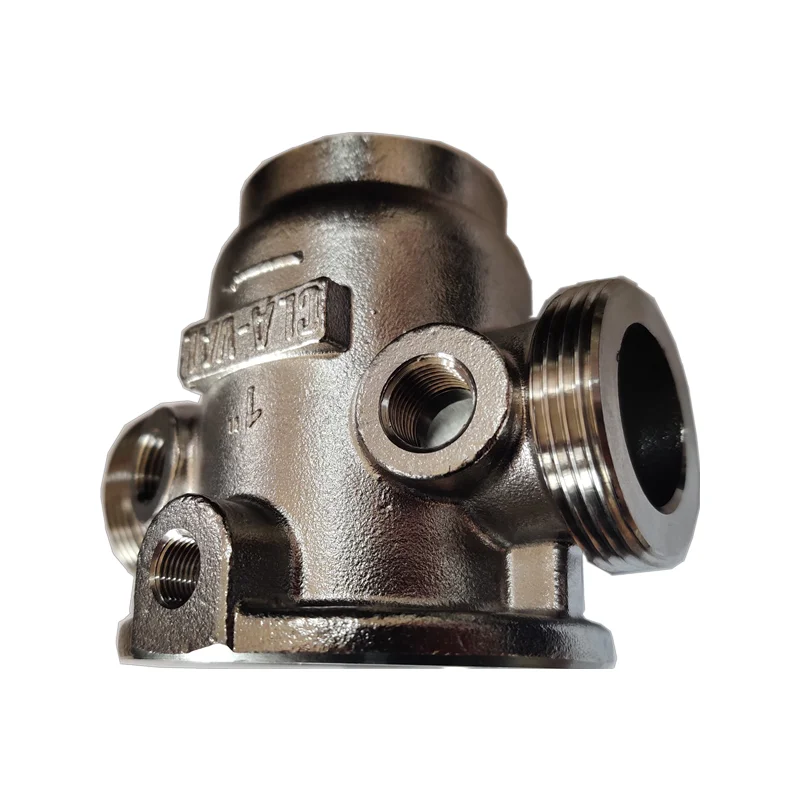
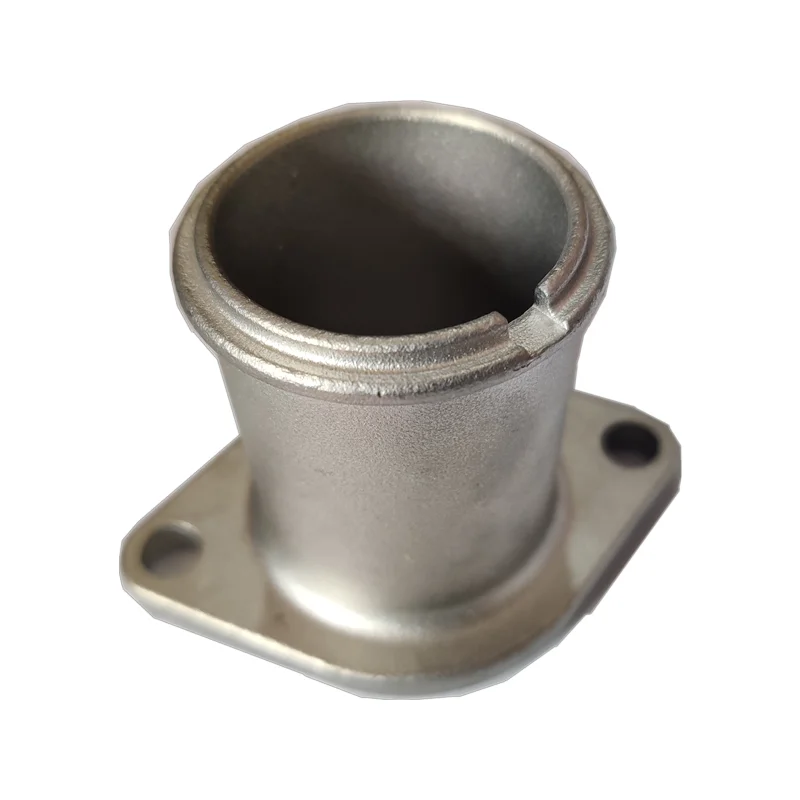
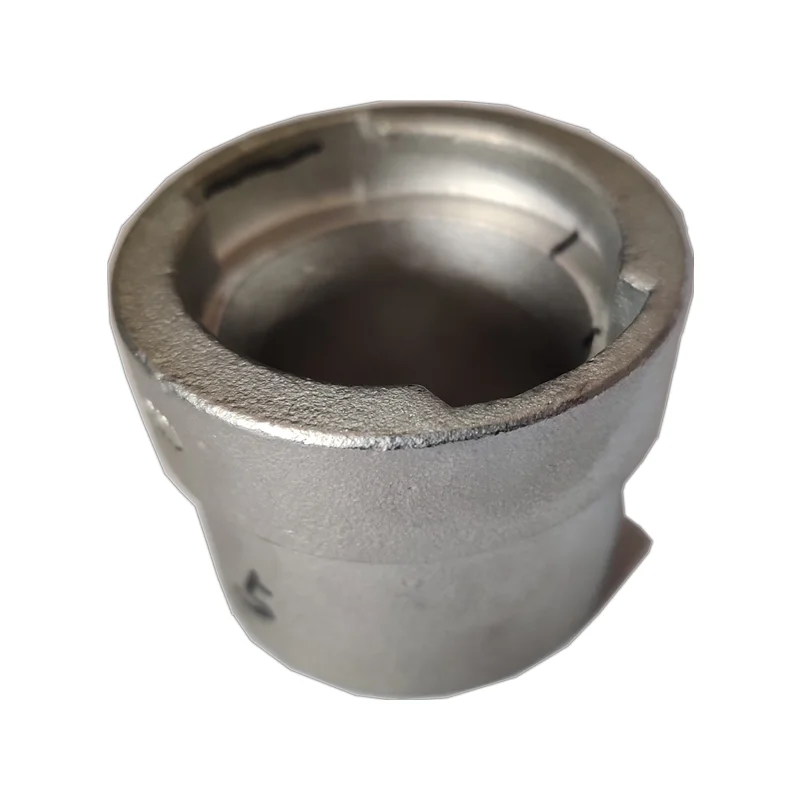
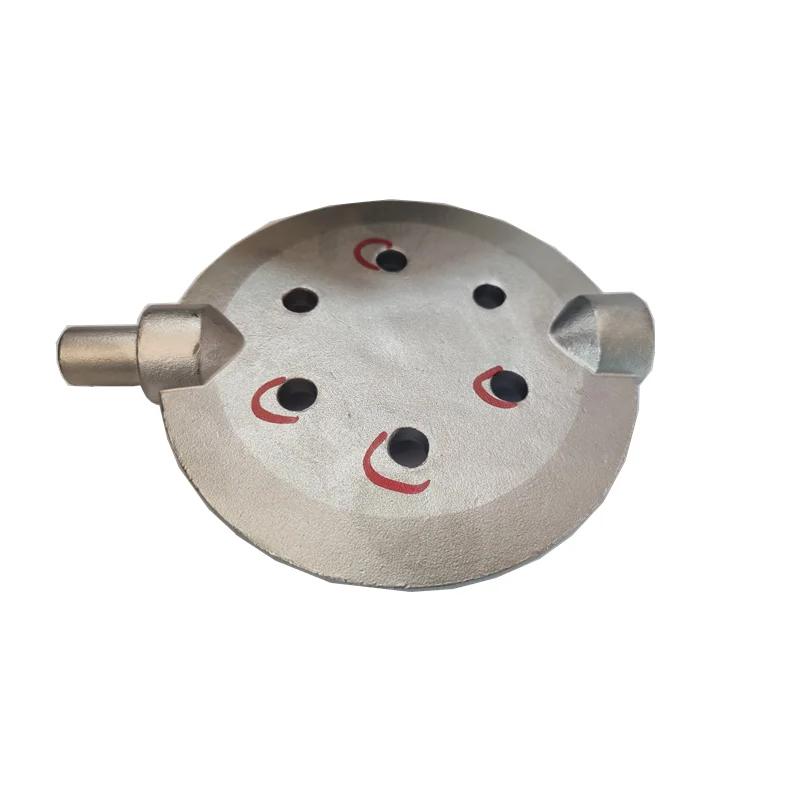
OEM/ODM Steel/Cast-Iron/Stainless Valve Components | Silica-Sol Lost-Wax Investment Casting & Design Optimization
Let’s define your requirement
Send a product link, drawing or short brief. We’ll work through the details with you.
- Confirm the specificationGrade or model, size and intended use.
- Define your orderQuantity, finish or configuration, and samples.
- Agree the quotation scopeIncluded work, key checks and delivery needs.
-
Surface FinishPolished
-
MaterialPrecision Stainless Steel Investment Casting Lost Wax Casting
-
Applicationfood machineNameODM Customized Castings
-
Surface treatmentPolishingProcessInvestment casting, Silica sol investment casting, lost wax
-
ServiceDesign optimization, polishing, OEMCertificationISO9001:2015
-
MOQ1 PieceQuality Control100% Inspection
-
ColorCustomized Color
Custom precision investment-casting directions cover steel, cast iron and stainless steel for valve/solenoid-valve components and food-machinery parts. Silica-sol investment casting and lost-wax processing are supported alongside OEM/ODM design optimization and polishing. Customized color and 100% inspection are part of the component-service scope.
Define the supplied valve or food-machine part
Select the actual material and grade, then identify the component being requested. For a valve or solenoid-valve part, describe the interfaces and applicable pressure or service requirements. For a food-machinery component, establish its actual service and any food-contact requirements rather than relying on the application name alone.
Connect design optimization with silica-sol casting
Define the geometry and controlled dimensions for the precision casting. Use the design-optimization scope to agree the actual part definition and its applicable tolerances. Keep the selected steel or cast-iron material, silica-sol process and required component interfaces connected within that definition.
Specify polished/color areas and inspection acceptance
Identify the areas requiring polishing and the customized color result expected for the selected material. Agree the finished dimensional and surface criteria for those areas. Identify how the selected surfaces and interfaces will be measured. The cast components receive 100% inspection, with actual characteristics and methods defined for the part. Establish any functional valve-assembly or food-contact approval requirements within their own applicable scope, alongside the records needed to evaluate the requested casting.








