OEM/ODM Sand and Lost Foam Casting with CNC Machining for Intricate Heat-Resistant Carbon Steel Designs
Let’s define your requirement
Send a product link, drawing or short brief. We’ll work through the details with you.
- Confirm the specificationGrade or model, size and intended use.
- Define your orderQuantity, finish or configuration, and samples.
- Agree the quotation scopeIncluded work, key checks and delivery needs.
-
Product TypeCustom Stainless Steel Investment Casting
-
Service ScopeOEM & ODM Precision Mold Making,Stainless Steel Investment CastingAvailable MaterialAluminum Alloy,stainless steel,titanium alloy,cast iron
-
Processing TechnologyDie Casting + CNC MachiningSupporting Equipment5-Axis Milling & CNC Lathe Processing
-
Applicable IndustriesAutomotive, Electronics, Home Hardware,mechanicalCustom FeatureCustomized Size & Structural Design
-
Quality ControlStrict Full-Process InspectionSupply AbilityPrototype to Mass Production
-
Target MarketNorth America, European Countries
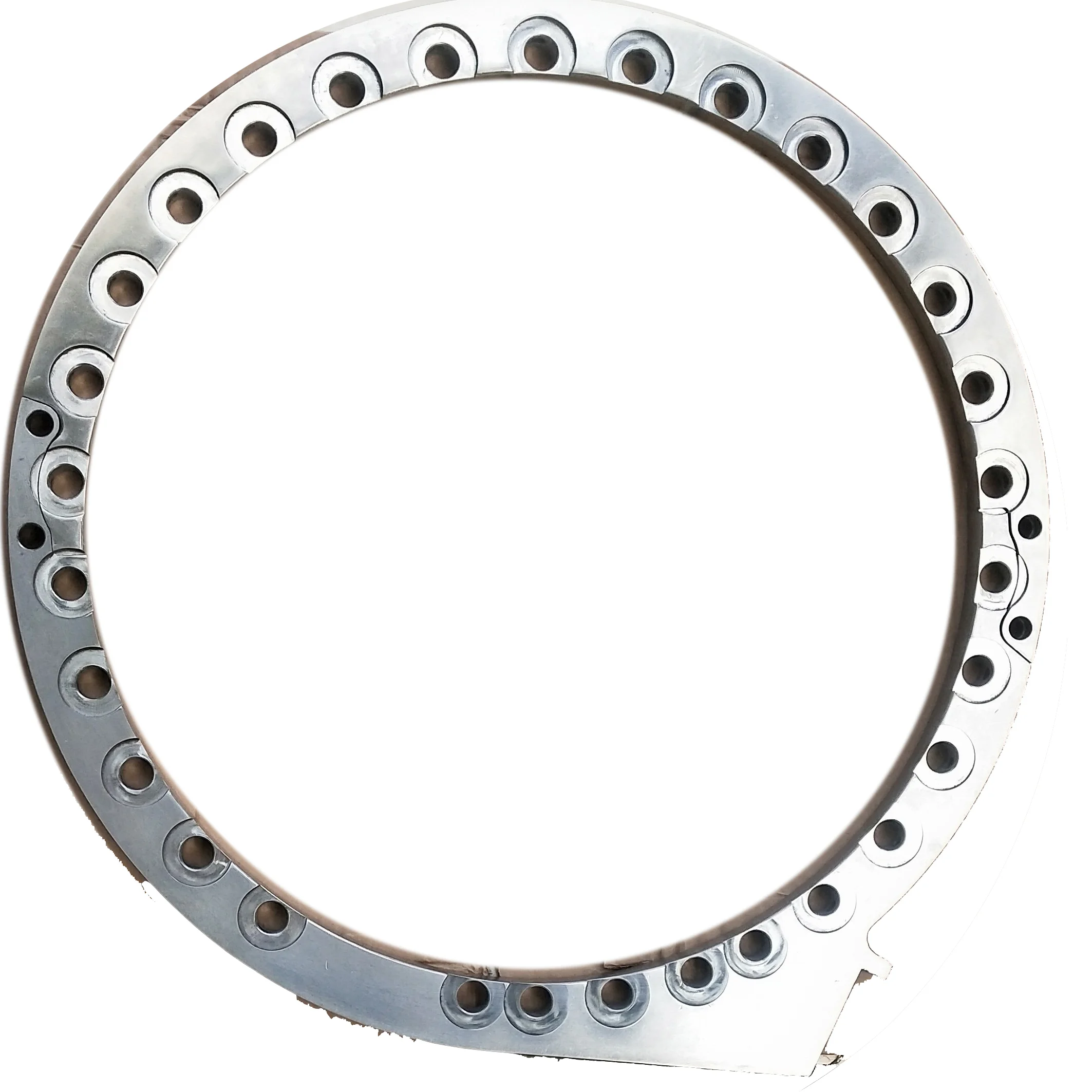
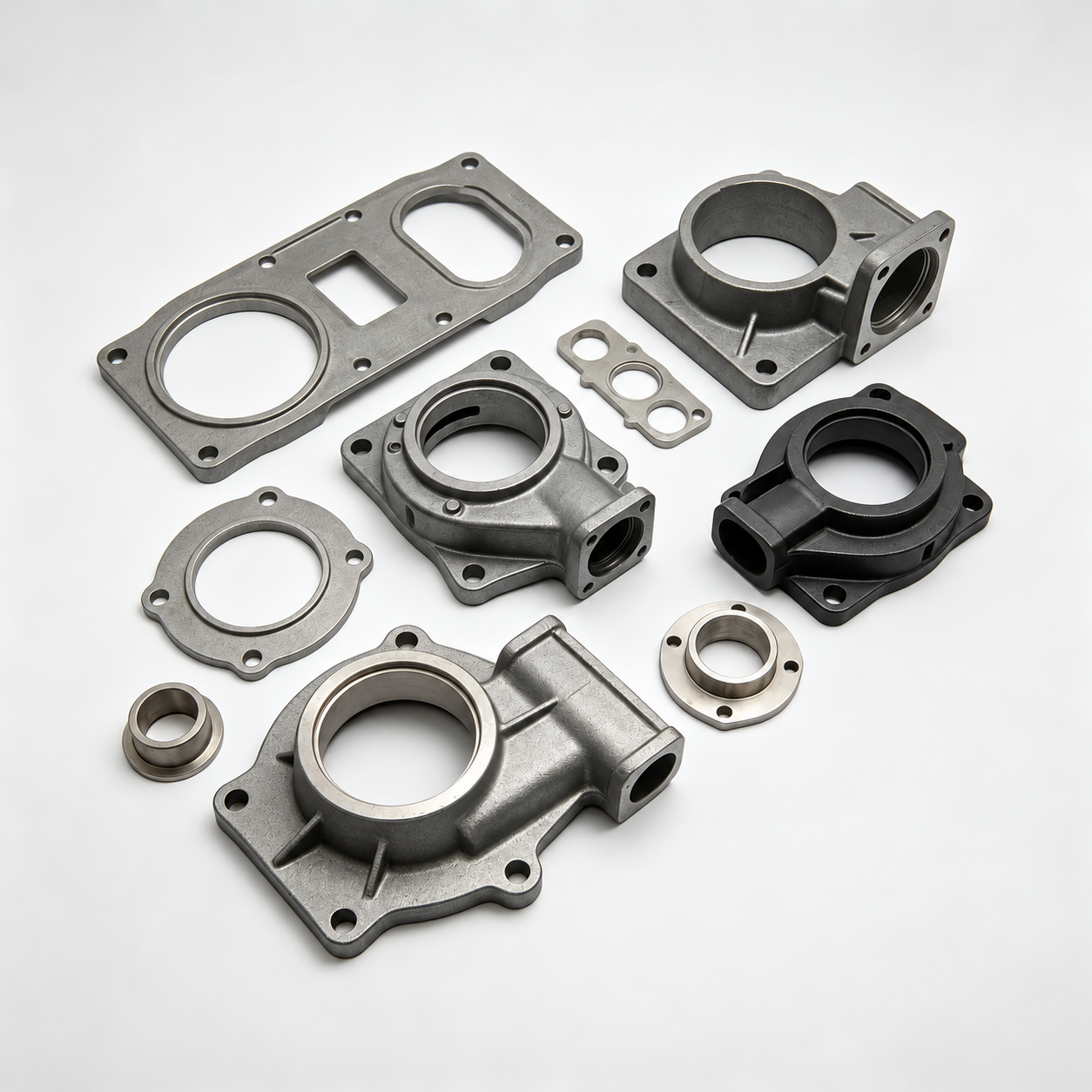
OEM/ODM casting enquiries include sand and lost-foam routes for intricate heat-resistant carbon-steel designs, alongside stainless steel investment casting. Precision mold making and selected die-casting/CNC work extend the manufacturing scope for compatible materials. Custom size and structural design support the actual component from prototype to mass production.
Choose the material and forming route
Available material enquiries include carbon steel, stainless steel, aluminum alloy, titanium alloy and cast iron. Select the grade and casting route for the required geometry. The component definition should identify which mold-making and forming work belongs in its manufacturing sequence. This keeps the broad service menu tied to one selected part.
Locate the five-axis and lathe work
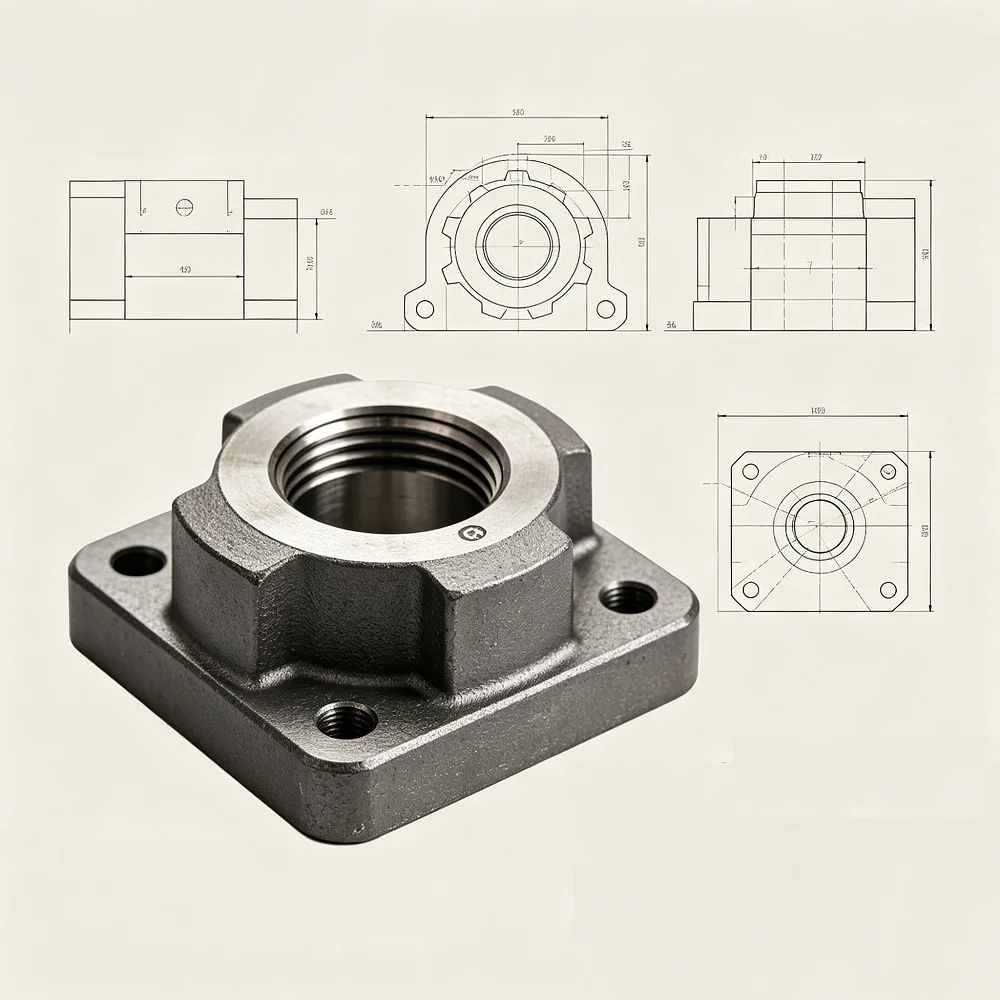
Five-axis milling and CNC lathe processing are available machining resources. Mark the areas requiring these operations and the final dimensions expected there. The structural design and machining requirements should describe the same component revision. That connection helps relate the cast form to the finished geometry.
Define thermal duty for heat-service parts
Heat-resistant carbon-steel enquiries should state the exact grade and intended thermal exposure. Agree the acceptance relevant to the actual component duty. Those requirements can then be considered with the intricate shape and selected process. The material and geometry definition should remain consistent with the required finished condition.
Connect prototype and production inspection
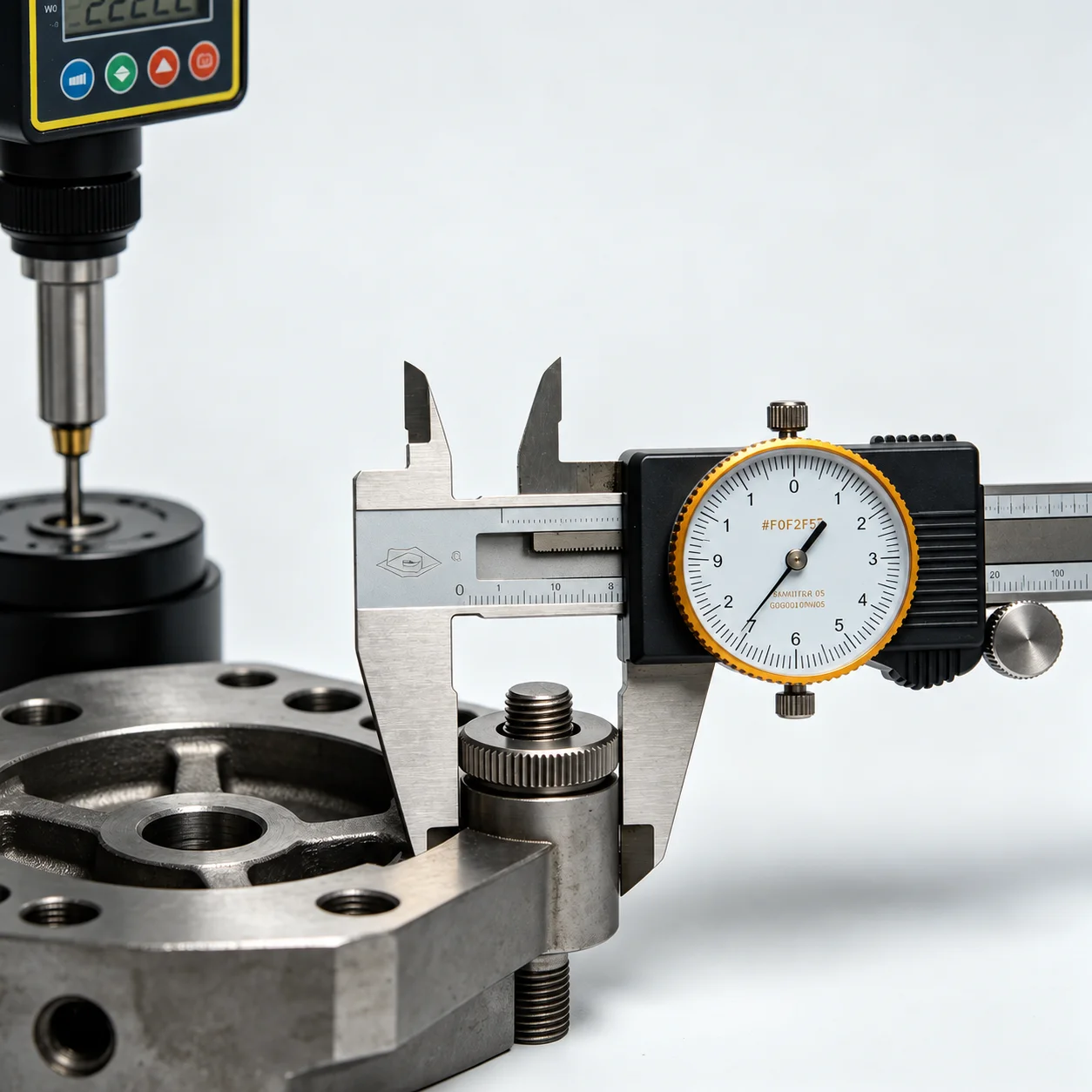
Strict full-process inspection supports the custom service, with actual stages, methods and criteria established for the project. Define the checks needed as the component moves from prototype to mass-production work. Application enquiries include automotive, electronics, home hardware and mechanical parts. The relevant dimensional, surface and functional acceptance should follow the selected component through that manufacturing plan.