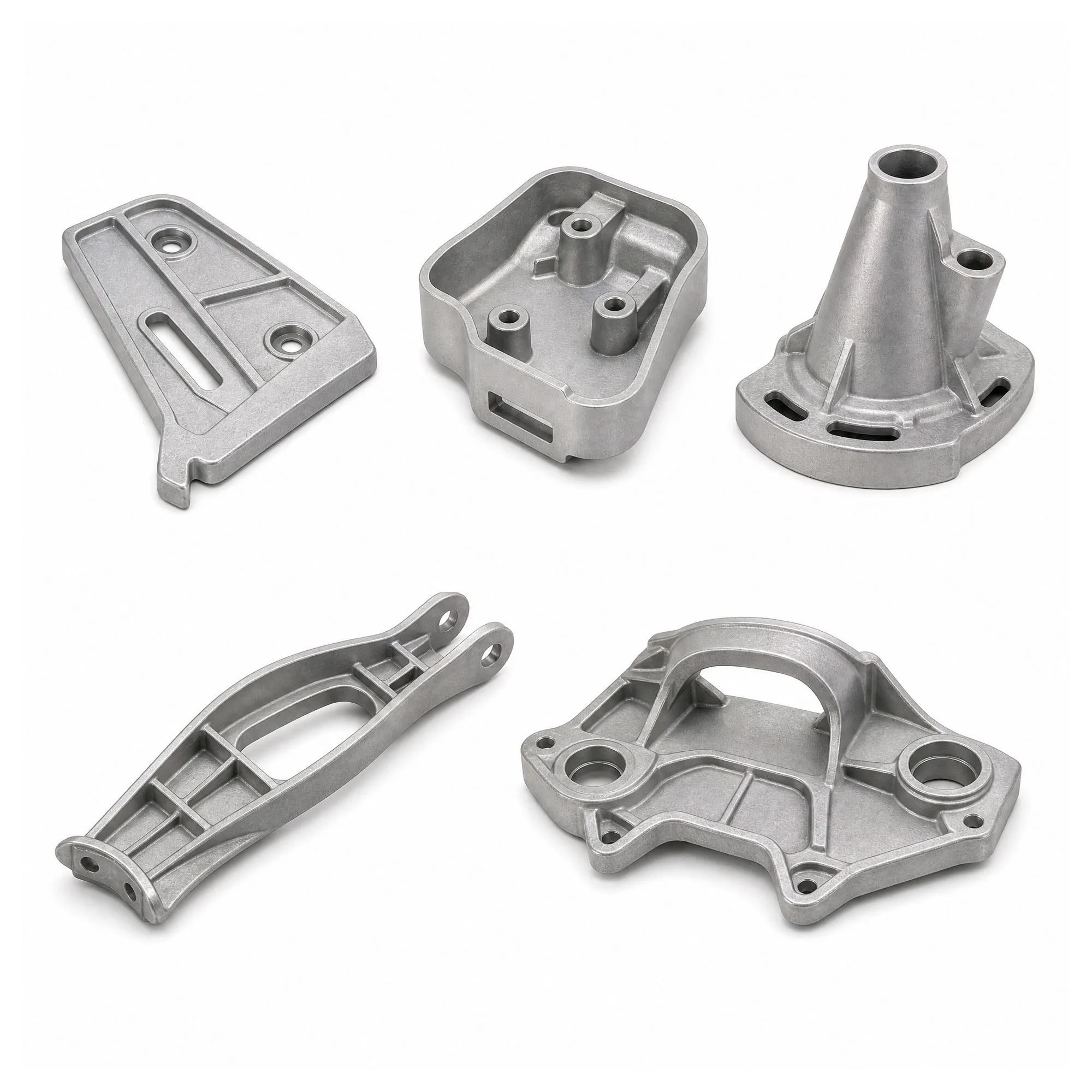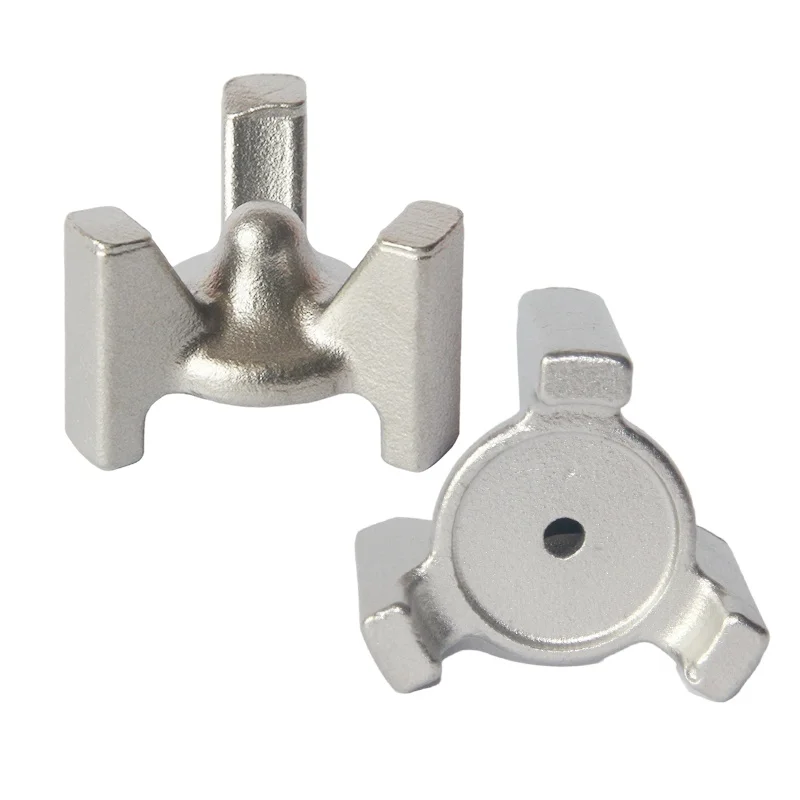
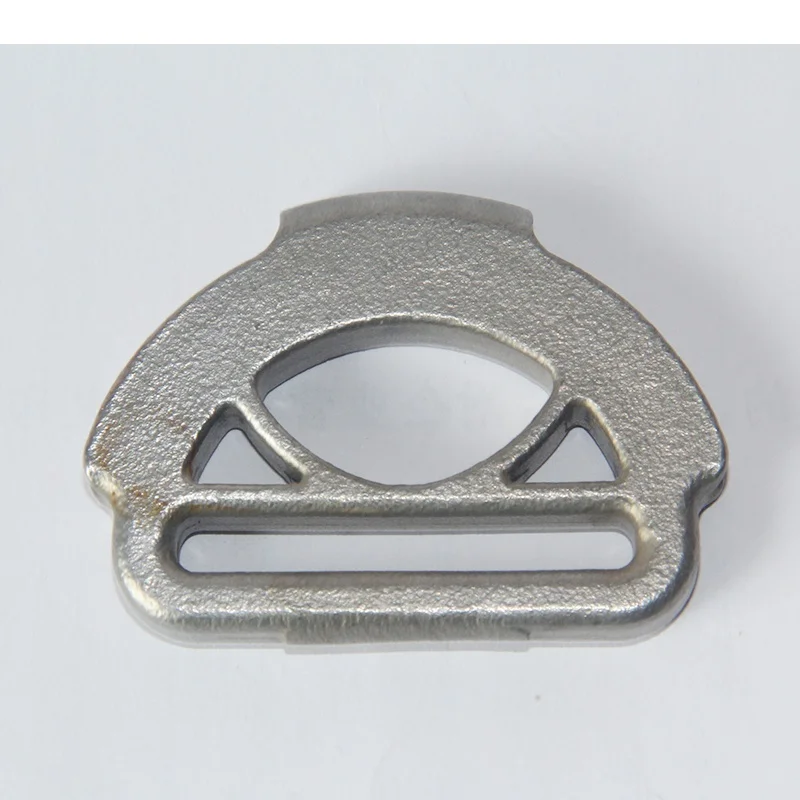
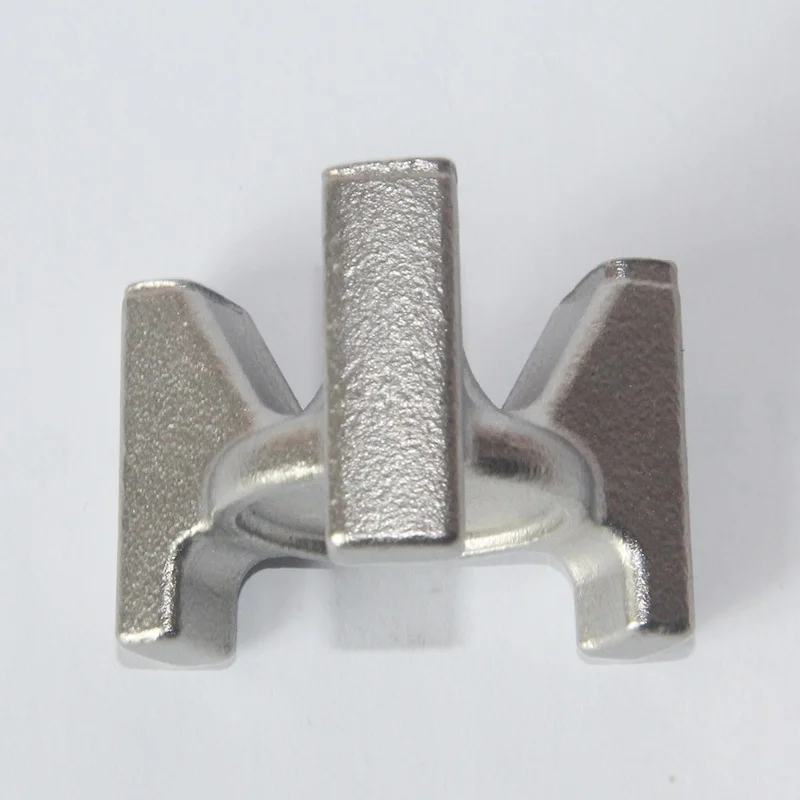
OEM/ODM Precision Steel/Iron/Zamak Investment Castings | Custom-Design Vacuum/Sand/Lost-Wax Routes and Inspection
Let’s define your requirement
Send a product link, drawing or short brief. We’ll work through the details with you.
- Confirm the specificationGrade or model, size and intended use.
- Define your orderQuantity, finish or configuration, and samples.
- Agree the quotation scopeIncluded work, key checks and delivery needs.
-
MaterialSteelApplicationIndustry
-
SizeCustomized SizeProcessLost Wax Casting
-
StandardInternational Certification StandardsQuality ControlProfessional Inspection
-
ServiceOEM ODM CustomisedProduct nameCustom Casting Parts
-
Surface treatmentLost Wax CastingShapeCustomized Shape
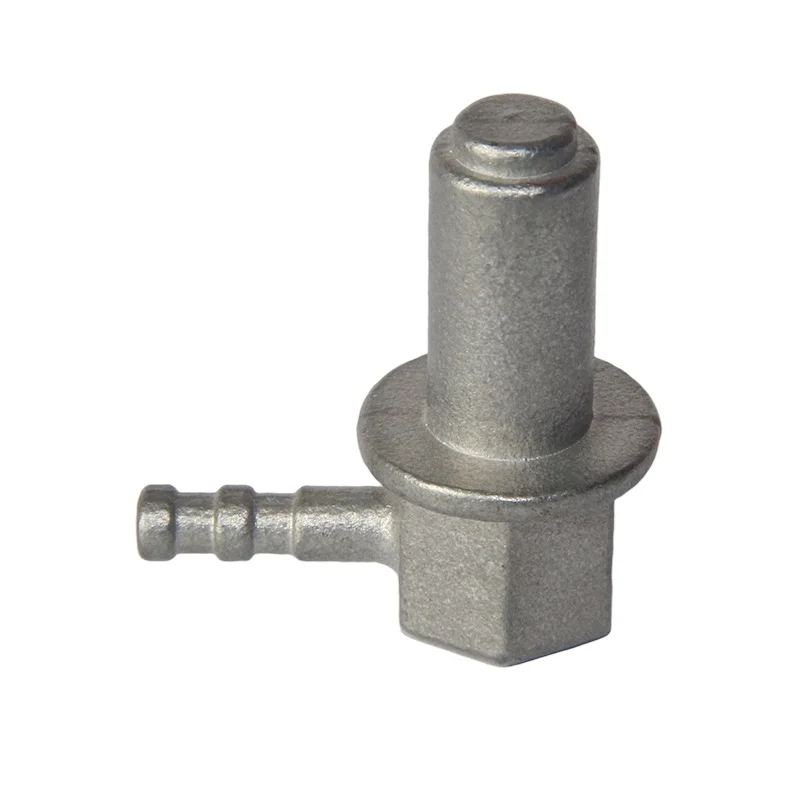
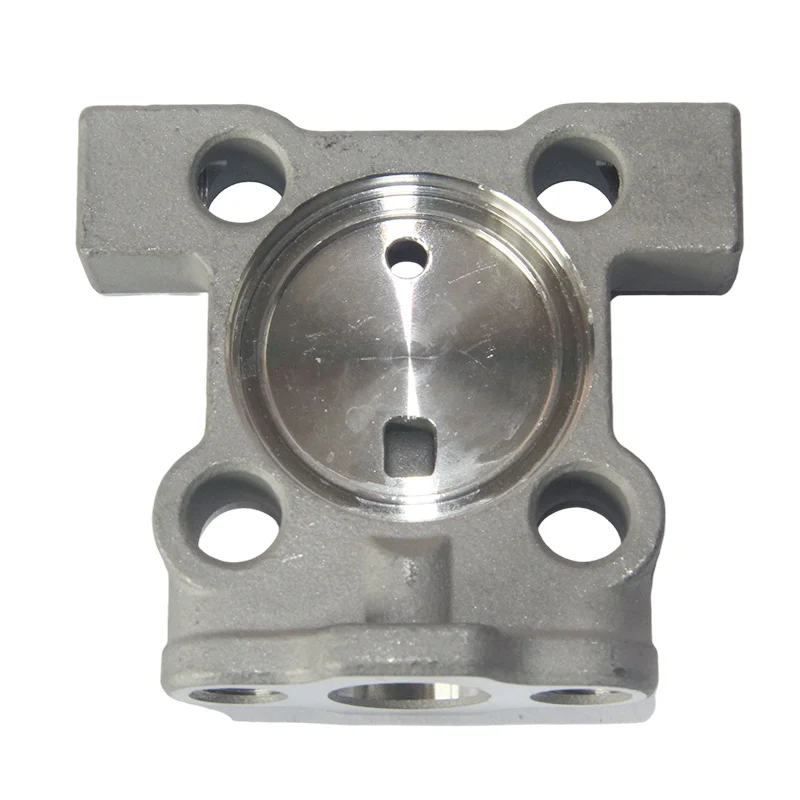
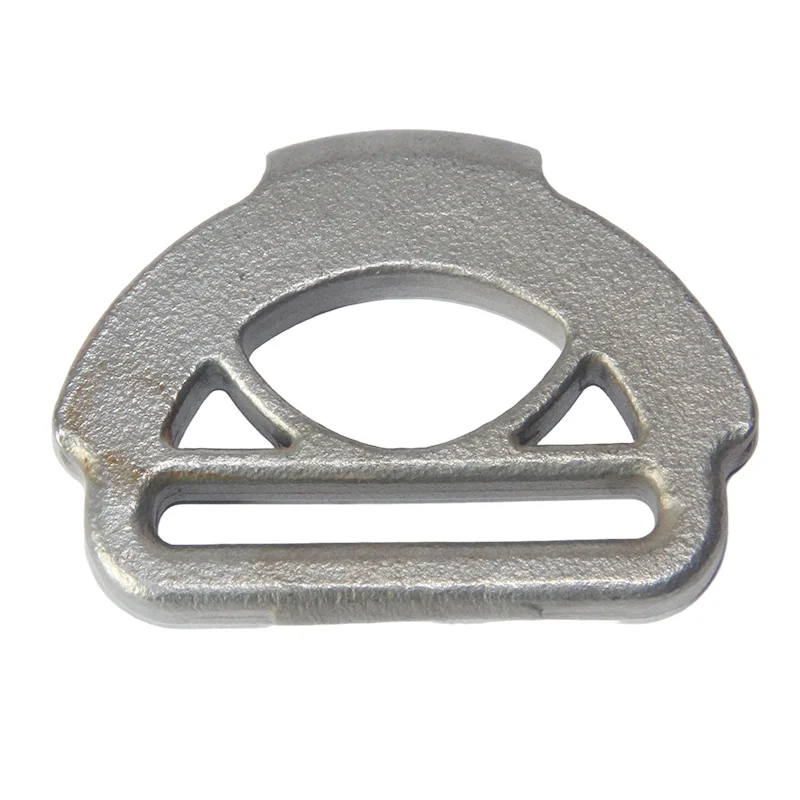
Custom industrial casting work covers steel, iron and Zamak material directions, with vacuum, sand and lost-wax investment-casting routes selected for the actual part. OEM/ODM service includes custom design, size and shape with professional inspection. The requested component, material and supplied condition define the selected manufacturing and acceptance scope.
Custom geometry and the selected material route
Identify the actual material designation and the shape required for the industrial component. Define the important dimensions and interfaces within that geometry. Agree the casting route for the selected material and part, connecting the vacuum/sand/lost-wax direction to the supplied condition and dimensional acceptance needed for the actual component. Identify which surfaces and dimensions the selected route needs to control.
Supplied surfaces and professional inspection
Define the finished-surface condition required for the requested casting and the areas covered by that requirement. Agree the actual inspection methods and acceptance for the selected part. Relate the professional-inspection scope to the material, component geometry and controlled dimensions, establishing the checks needed for the supplied condition of the industrial casting.
Industrial duty and applicable requirements
Specify the actual component use and the requirements that govern its acceptance. Identify the applicable standard and any qualification needed for the selected manufacturing task. Connect those conditions to the custom size/shape, material and casting route, agreeing the supplied-part requirements and inspection criteria for that particular OEM/ODM industrial component request.