
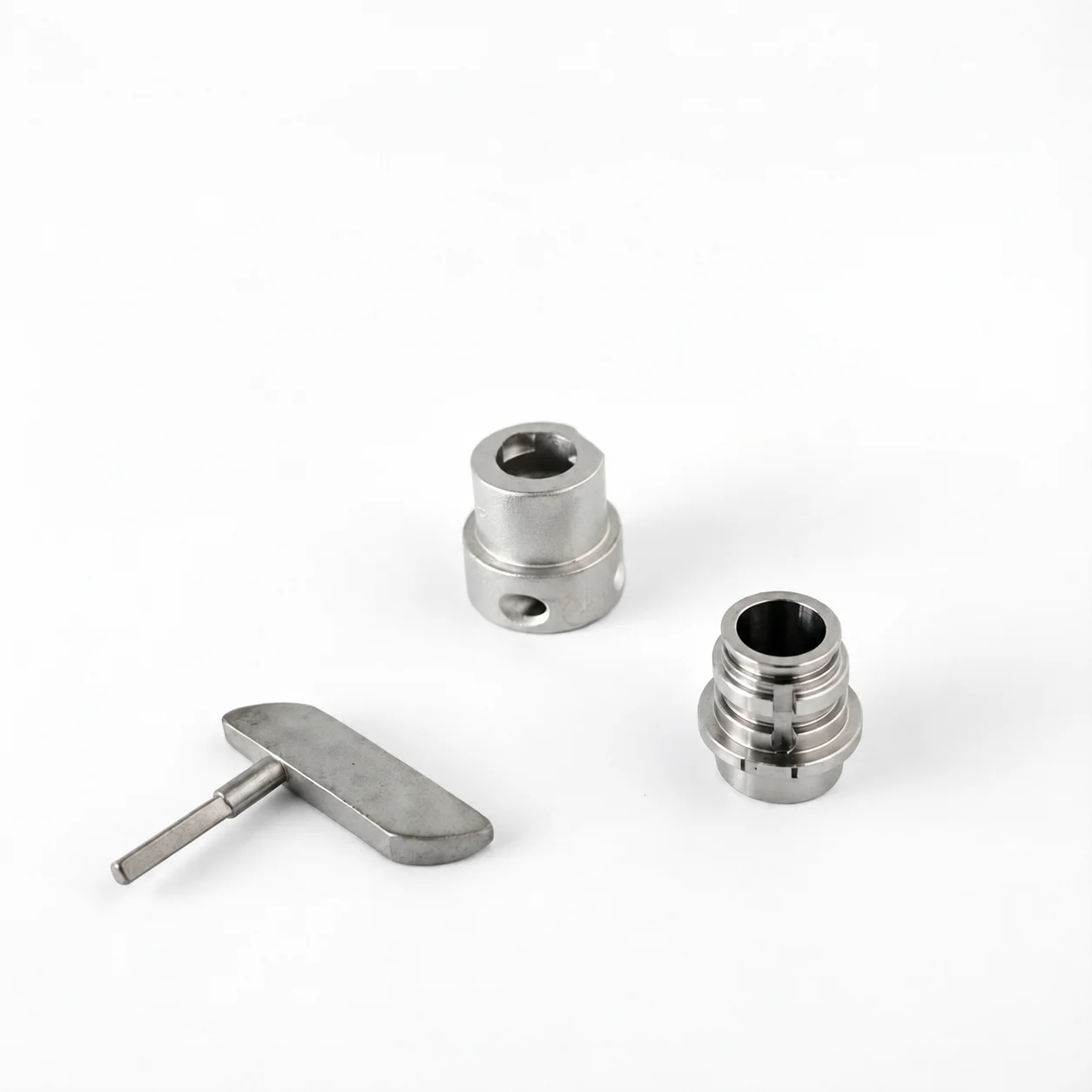
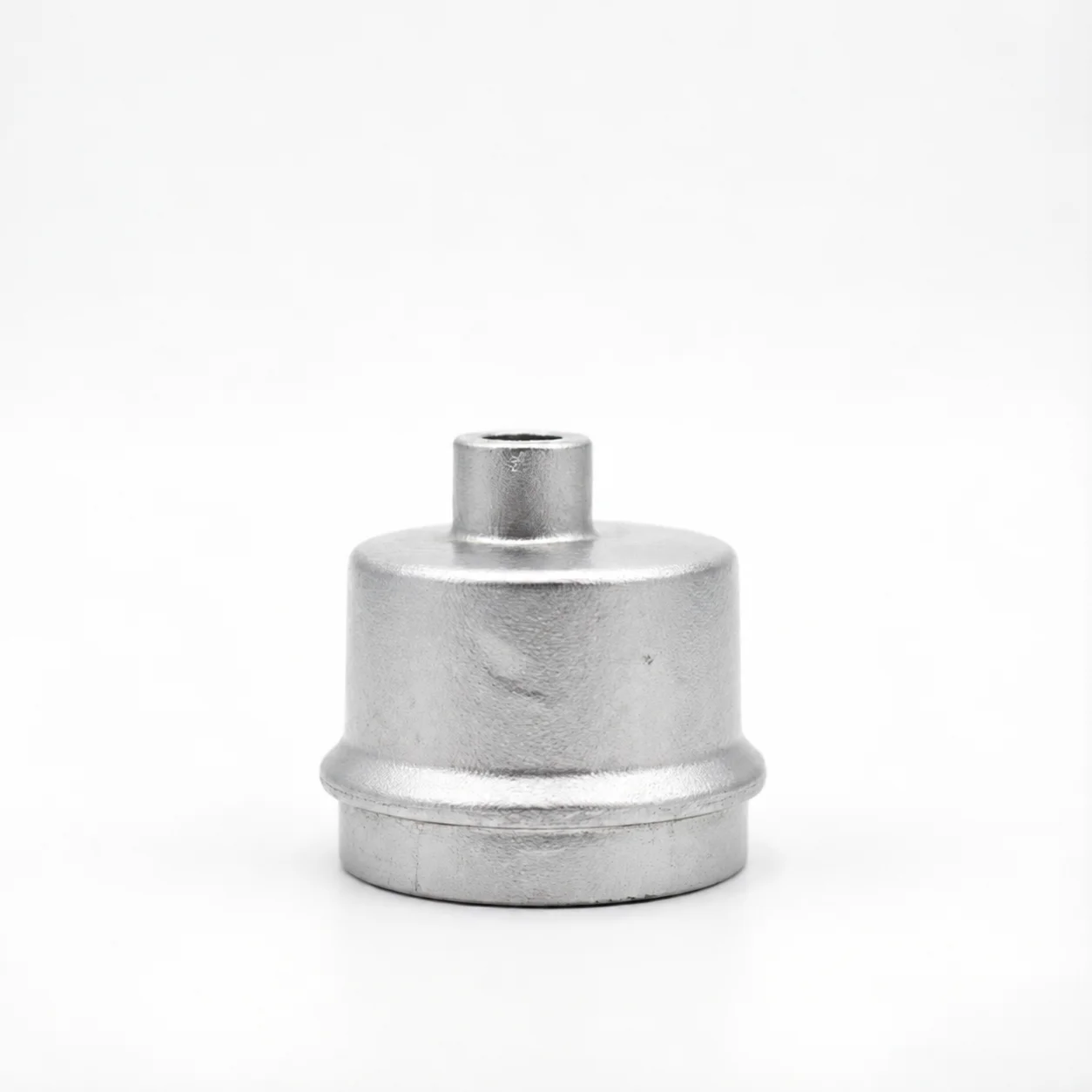
OEM/ODM Precision Cast-Steel/Stainless Investment/Lost-Wax Mechanical Parts | CNC Machining, DIN Reference
Let’s define your requirement
Send a product link, drawing or short brief. We’ll work through the details with you.
- Confirm the specificationGrade or model, size and intended use.
- Define your orderQuantity, finish or configuration, and samples.
- Agree the quotation scopeIncluded work, key checks and delivery needs.
-
MaterialStainless Steel
-
Surface treatmentCustomers' DemandApplicationIndustry
-
Product nameCustom Casting PartsProcessCasting +Machining(if Need)+surface Treatment
-
CertificationISO9001:2015ServiceOEM\ODM
-
StandardDINMOQSmall Orders Accepted
-
MachiningCnc Machininng
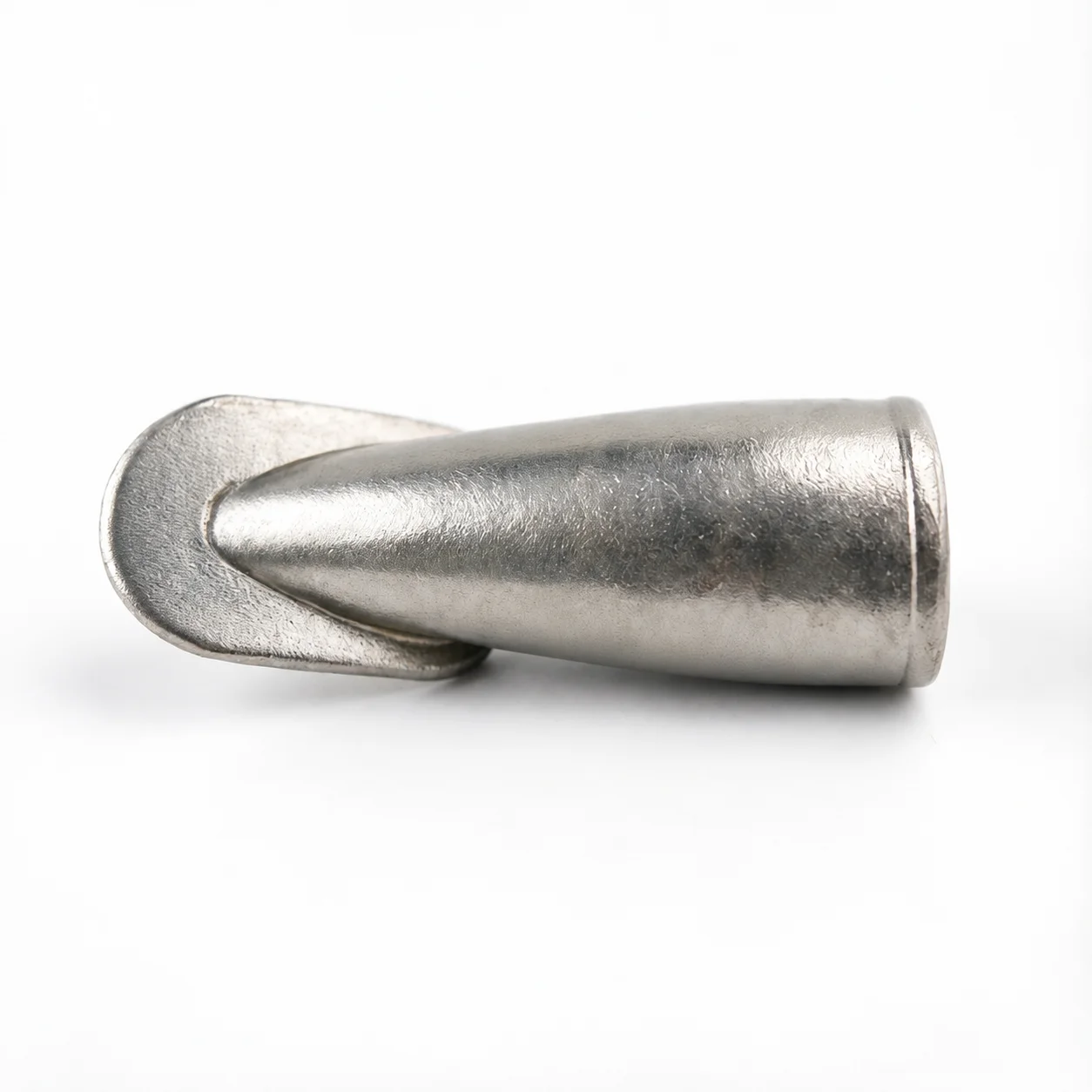
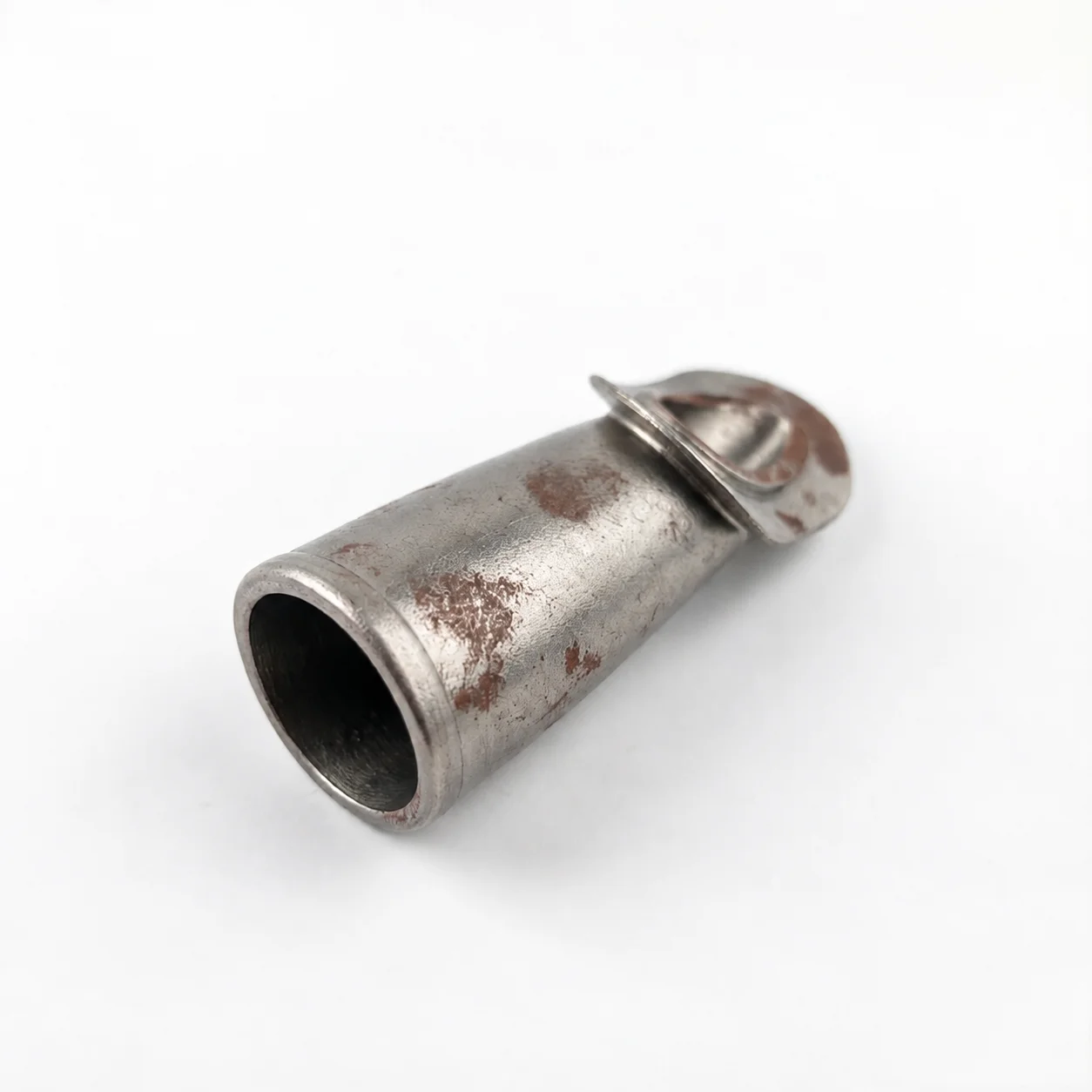
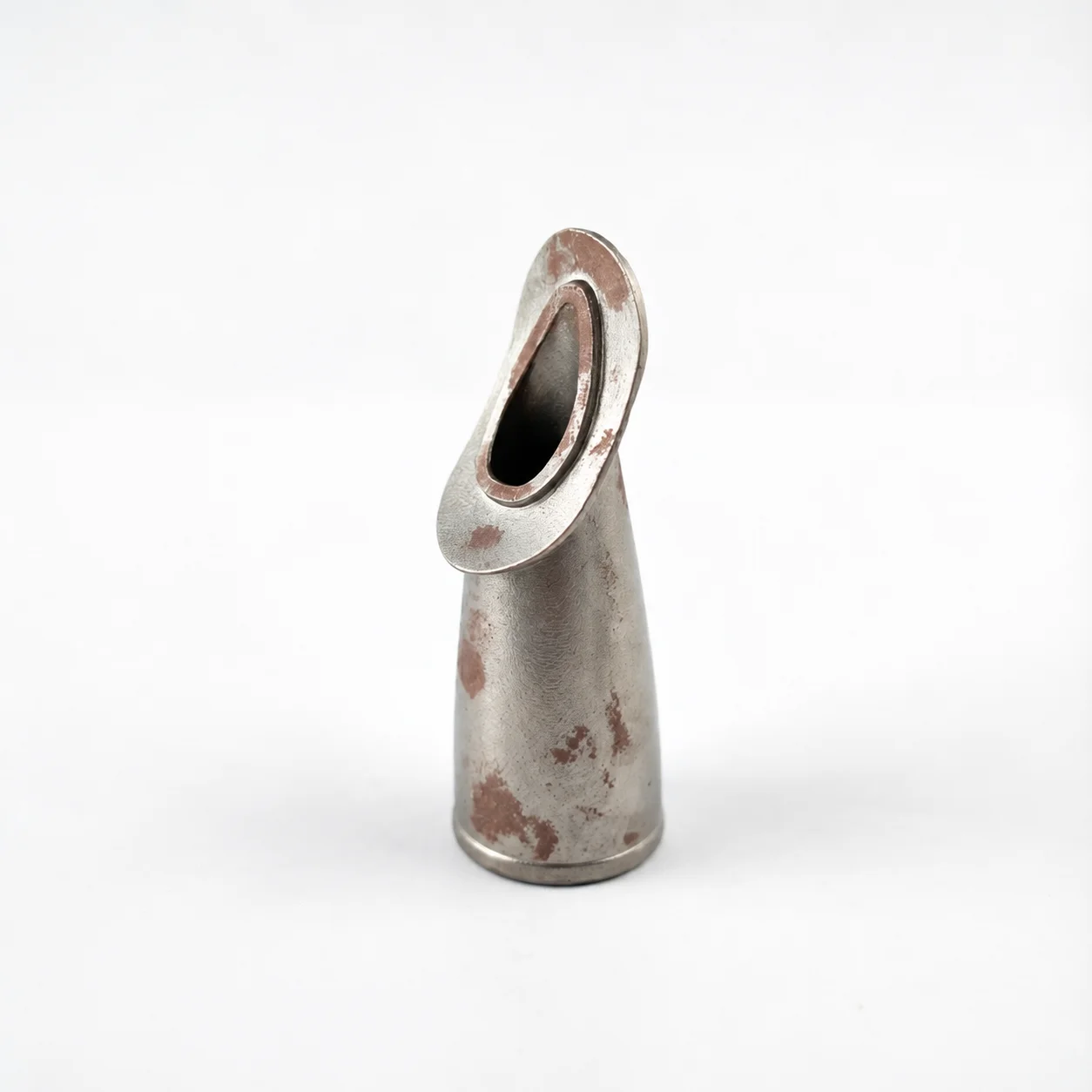
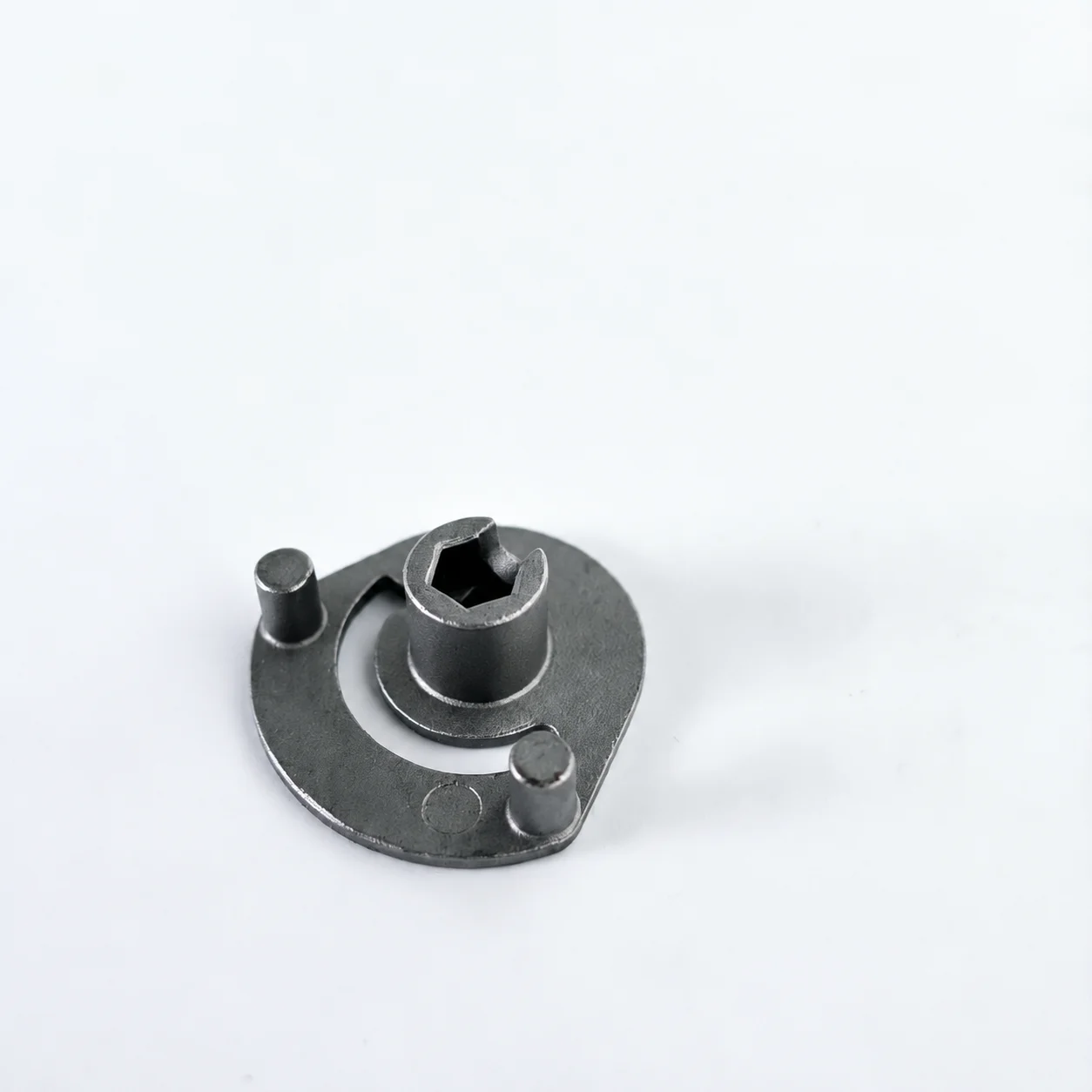
Custom industrial cast-steel and stainless-steel components use precision investment/lost-wax casting with machining when needed. CNC machining and OEM/ODM service are available for the actual mechanical-part request. Surface treatment follows customer requirements, with a DIN standard-family reference and small-order support as further service directions.
Specify the steel and applicable DIN requirements
Choose the actual steel or stainless grade and define the component geometry required for the industrial job. Establish the applicable numbered DIN requirements for that selected part. Keep the material designation, geometry and standard scope together when setting the manufacturing definition, so that the casting request has a clear technical basis.
Assign casting and CNC-controlled dimensions
Identify the geometry to be produced through investment/lost-wax casting and the dimensions that require CNC work. Define the machining scope around the supplied condition required for the actual component. Requested surface treatment should be specified with its applicable areas and final condition, then related to the dimensions and surfaces that will be accepted.
Define the industrial job and its acceptance
Small-order support can be discussed for the OEM/ODM request while the technical scope remains specific to the part. Agree the dimensional and surface inspection criteria for the selected grade, casting and CNC operations. Establish the quality-system documentation applicable to the job alongside those criteria. Use the finished-component definition to keep the material, DIN requirements, operations and acceptance connected for the intended mechanical manufacturing work.








