
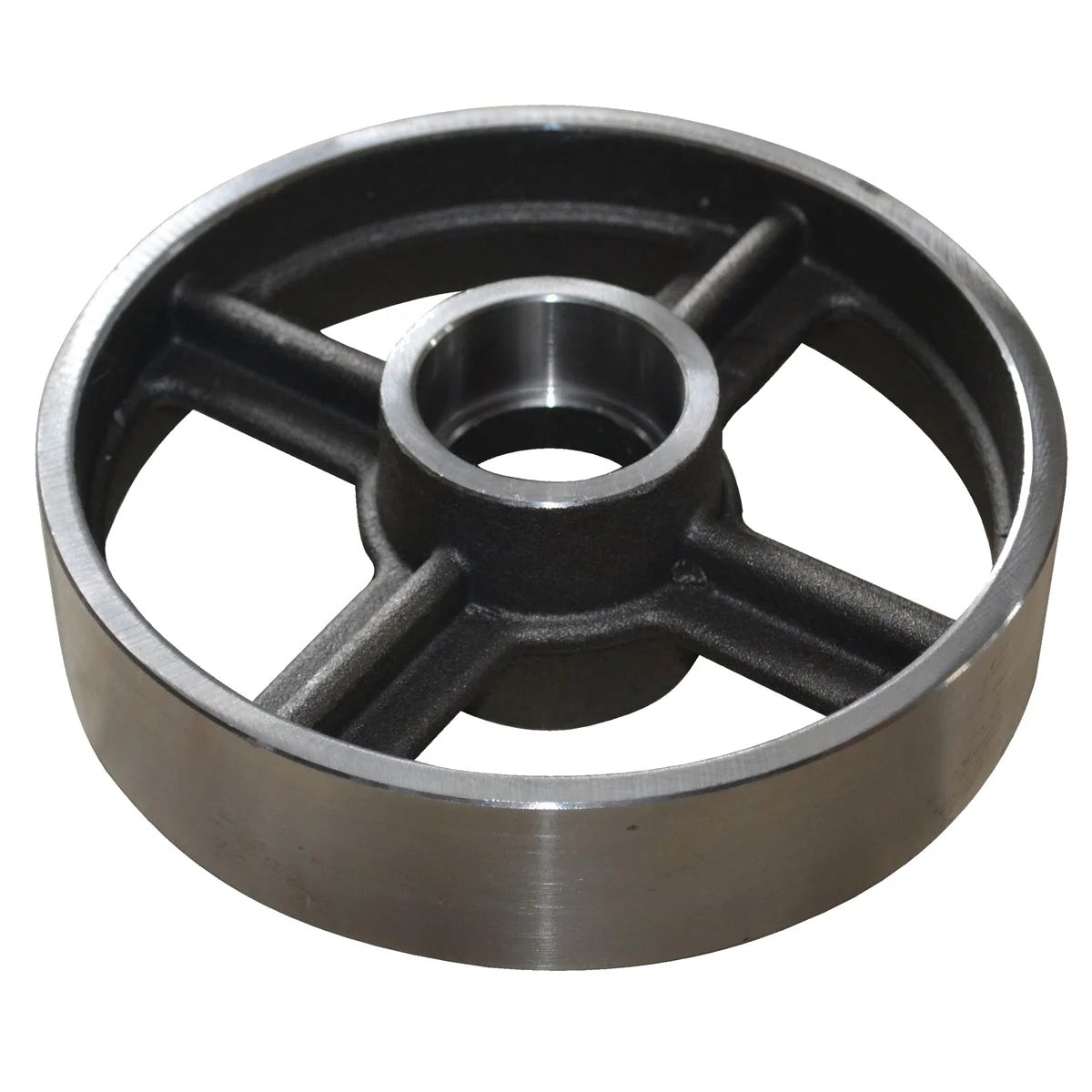
OEM/ODM Lost-Wax Steel Parts | Engineering/Heavy Equipment, Machining-Center Work and Painting
Let’s define your requirement
Send a product link, drawing or short brief. We’ll work through the details with you.
- Confirm the specificationGrade or model, size and intended use.
- Define your orderQuantity, finish or configuration, and samples.
- Agree the quotation scopeIncluded work, key checks and delivery needs.
-
Surface FinishPainted
-
MaterialSteel
-
ApplicationMachinerySurface treatmentPainting
-
ProcessLost Wax CastingServiceOEM ODM Customised
-
Quality Control100% InspectionPackingWooden Case
-
Tolerance0.01-0.05mmMachining ProcessMachining Center
-
Drawing Format2D/(PDF/CAD)3D(IGES/STEP)
Custom OEM/ODM lost-wax steel parts are directed to machinery, engineering and heavy-equipment tasks. Machining-center work and painting are part of the actual manufacturing scope, with a 0.01–0.05 mm tolerance reference. The selected component and its operating duty should define the grade and finished acceptance.
Steel component within the equipment task
Specify the actual steel designation and the geometry required for the engineering or heavy-equipment component. Identify its important interfaces and intended function within the machinery. Connect those details to the operating conditions and required material acceptance, giving the custom lost-wax request a specific part and duty.
0.01–0.05 mm and machining-center work
Define the dimensions controlled by the tolerance reference and agree the applicable process stage and measurement basis. Relate the machining-center work to the component's actual interfaces and the finished fit needed for them. The dimensional requirements should remain connected to the selected steel and cast geometry.
Painted surfaces, design inputs and checks
Painting is the surface-treatment direction; identify the treated areas and their required finished condition. Drawing inputs include 2D PDF/CAD and 3D IGES/STEP. Every requested steel equipment casting falls within the 100% inspection scope, with the actual criteria to agree. Include the controlled dimensions, paint acceptance and material requirements with those inputs, linking the manufacturing and inspection request to the finished component needed for the intended equipment use.








