OEM/ODM Inconel Heat-Resistant Vacuum Investment/Lost-Wax Foundry Services | Iron/Steel Material Selection
Let’s define your requirement
Send a product link, drawing or short brief. We’ll work through the details with you.
- Confirm the specificationGrade or model, size and intended use.
- Define your orderQuantity, finish or configuration, and samples.
- Agree the quotation scopeIncluded work, key checks and delivery needs.
-
Sizecustomized
-
Surface TreatmentcustomizedMaterialsIron,steel, etc
-
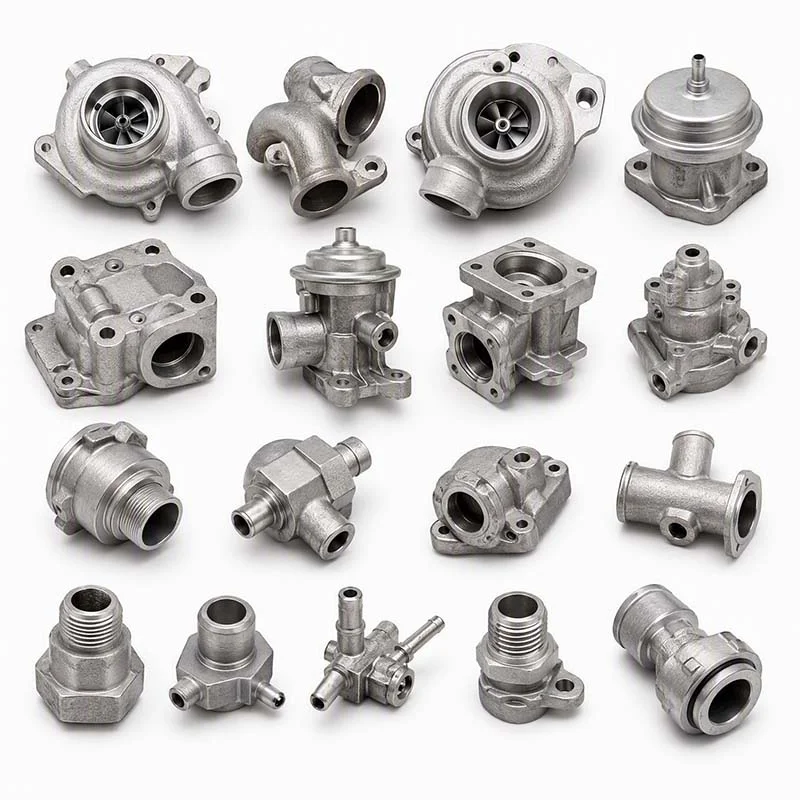
Product nameCustom Casting PartsMaterialIron,steel, etc
-
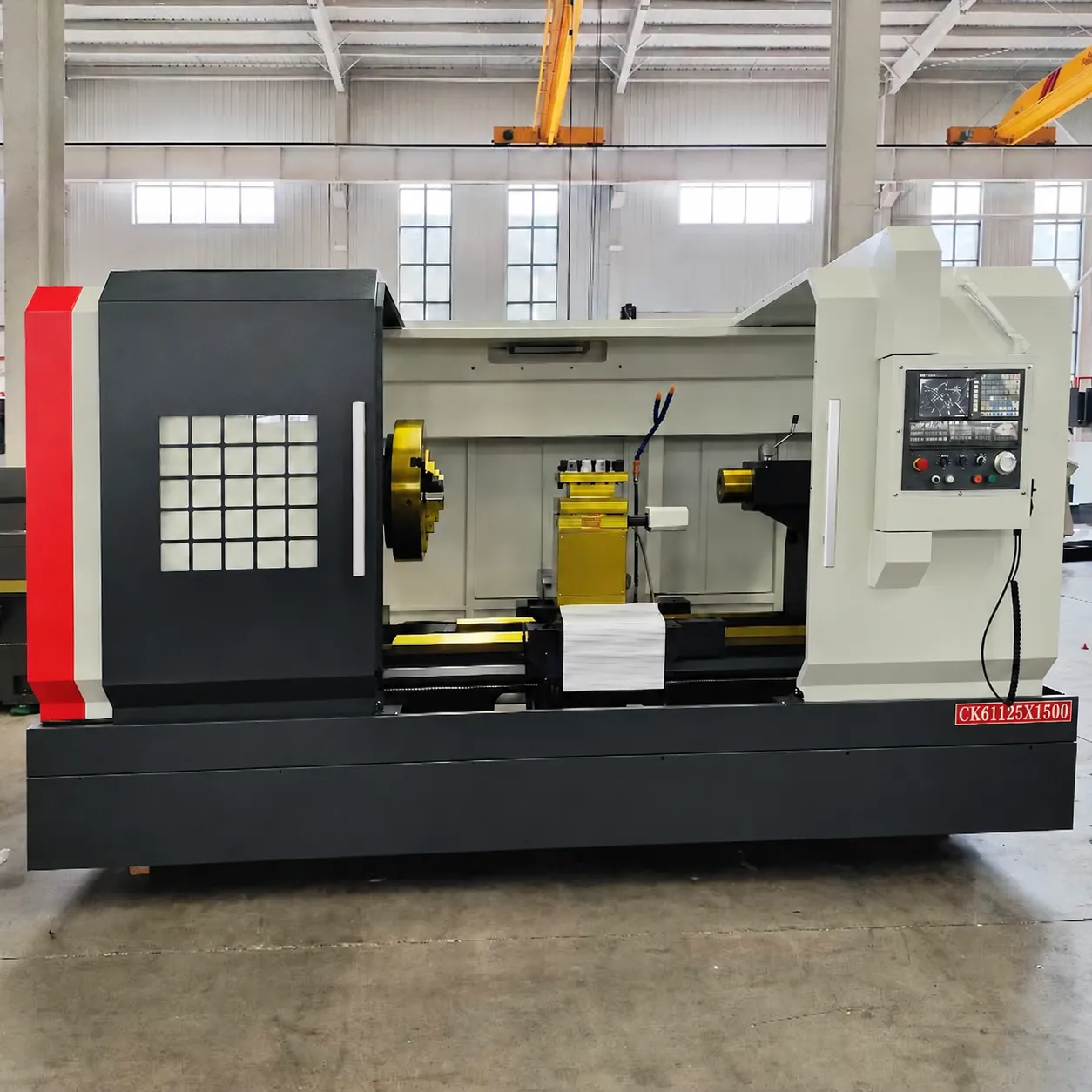
ProcessCasting +Machining(if Need)+surface TreatmentApplicationIndustry
-
SpecificationAs per drawingsDrawing Format2D/(PDF/CAD)3D(IGES/STEP)
-
PackingCarton Wooden BoxCertificationISO9001/TS16949/RoHS
-
Surface treatmentCustomers' DemandServiceOEM ODM Customised
Custom industrial foundry work includes an Inconel heat-resistant vacuum investment/lost-wax casting direction, alongside iron and steel material directions. Select the actual material and grade for the component being requested. OEM/ODM work supports custom size and surface requirements, with machining included when needed after casting.
Define the material and heat-related requirement
Identify the Inconel, iron or steel grade required for the actual component and agree its applicable material standard. For heat-related work, describe the operating conditions and the material acceptance needed for the intended use. Keep that requirement attached to the selected grade and component geometry when defining the foundry request.
Scope the casting and optional machining
Vacuum investment/lost-wax work provides a casting direction for the custom service. Define the casting geometry and identify the dimensions that need subsequent machining. Surface treatment can follow customer requirements, so describe the areas and finished condition needed for the actual part. Agree the operations together with the dimensional and surface acceptance that will govern the supplied component.
Use the drawing inputs to complete the job definition
Specifications follow drawings, with 2D PDF/CAD and 3D IGES/STEP inputs available. Use the geometry inputs to establish custom size, material, casting scope and any machining or surface work. Agree the material and qualification requirements applicable to the component alongside those technical criteria, so that the industrial foundry request remains tied to the actual grade, working conditions and finished part.