
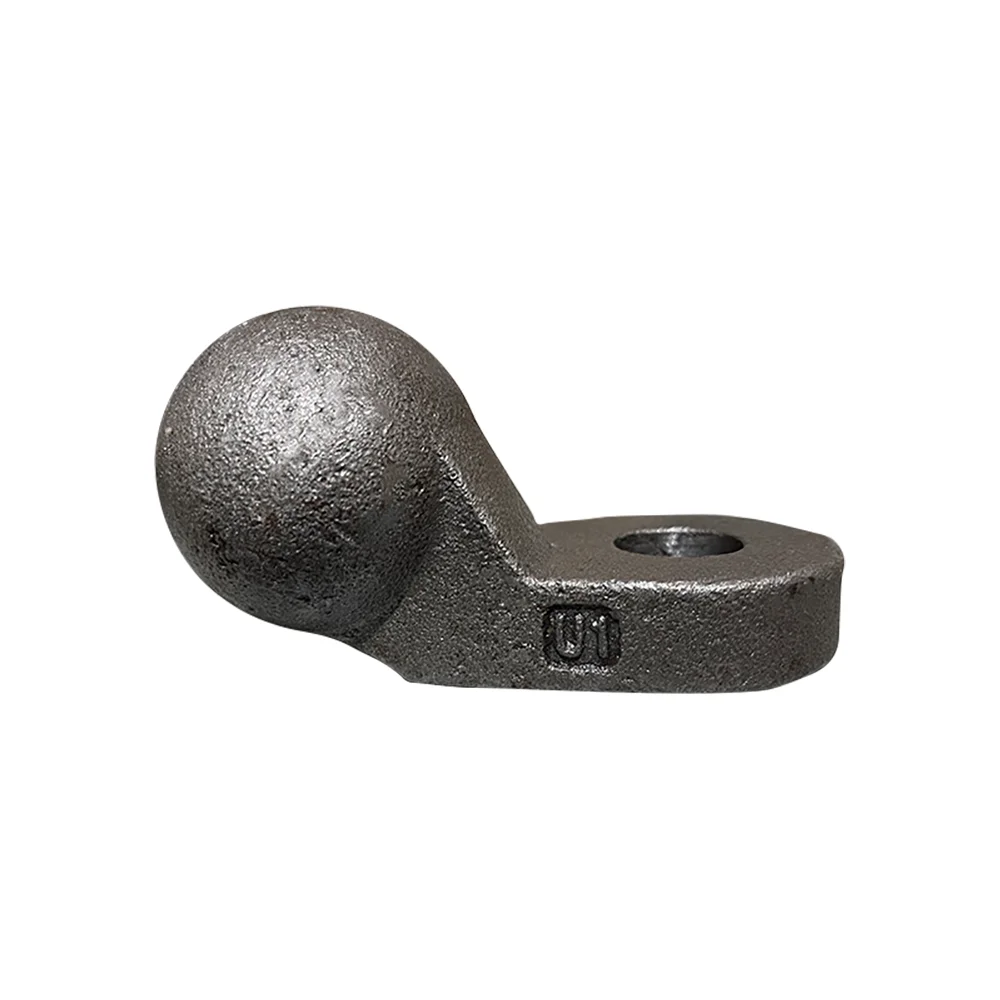
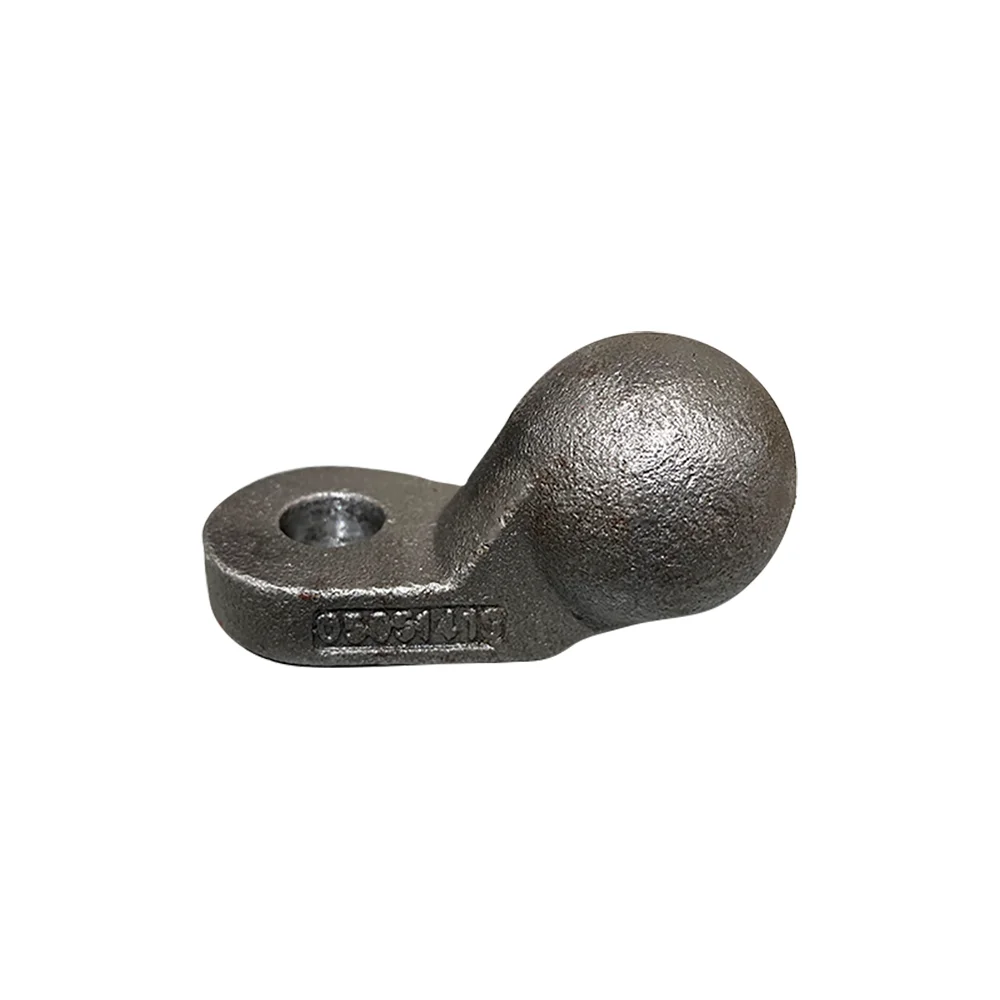
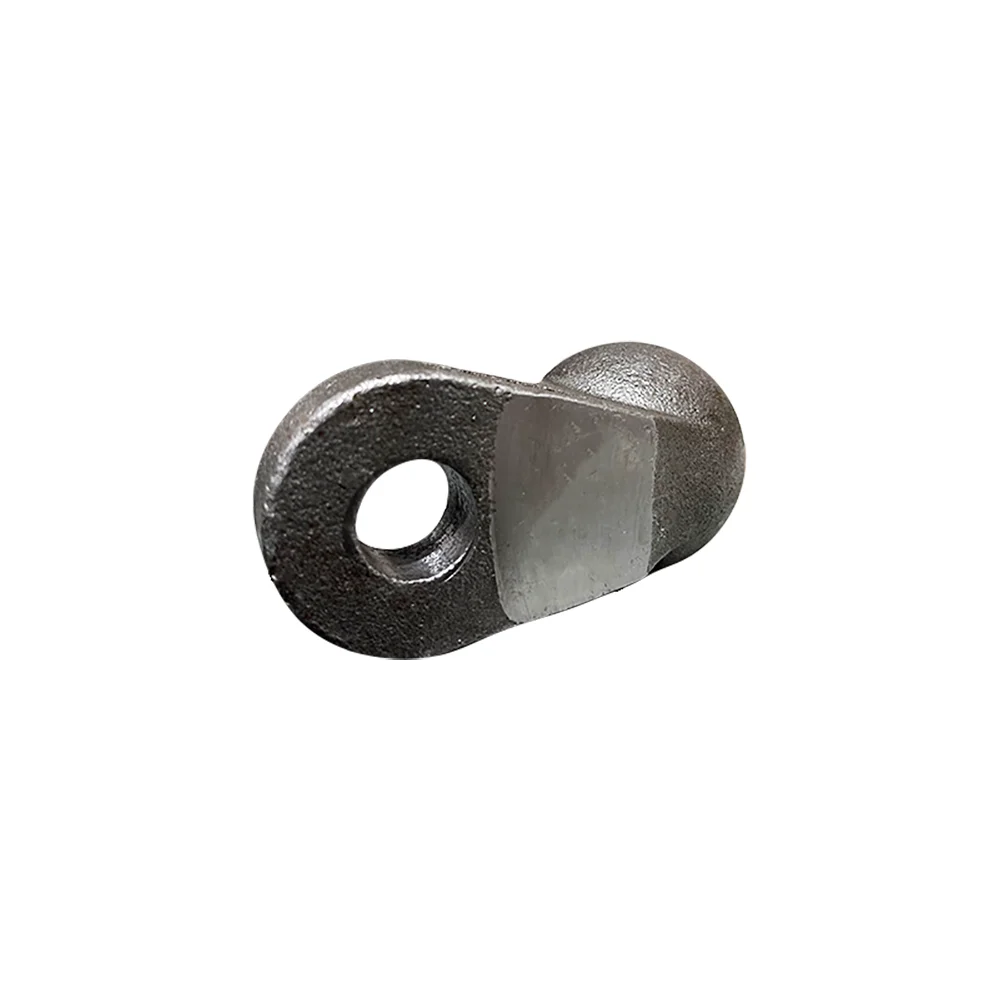
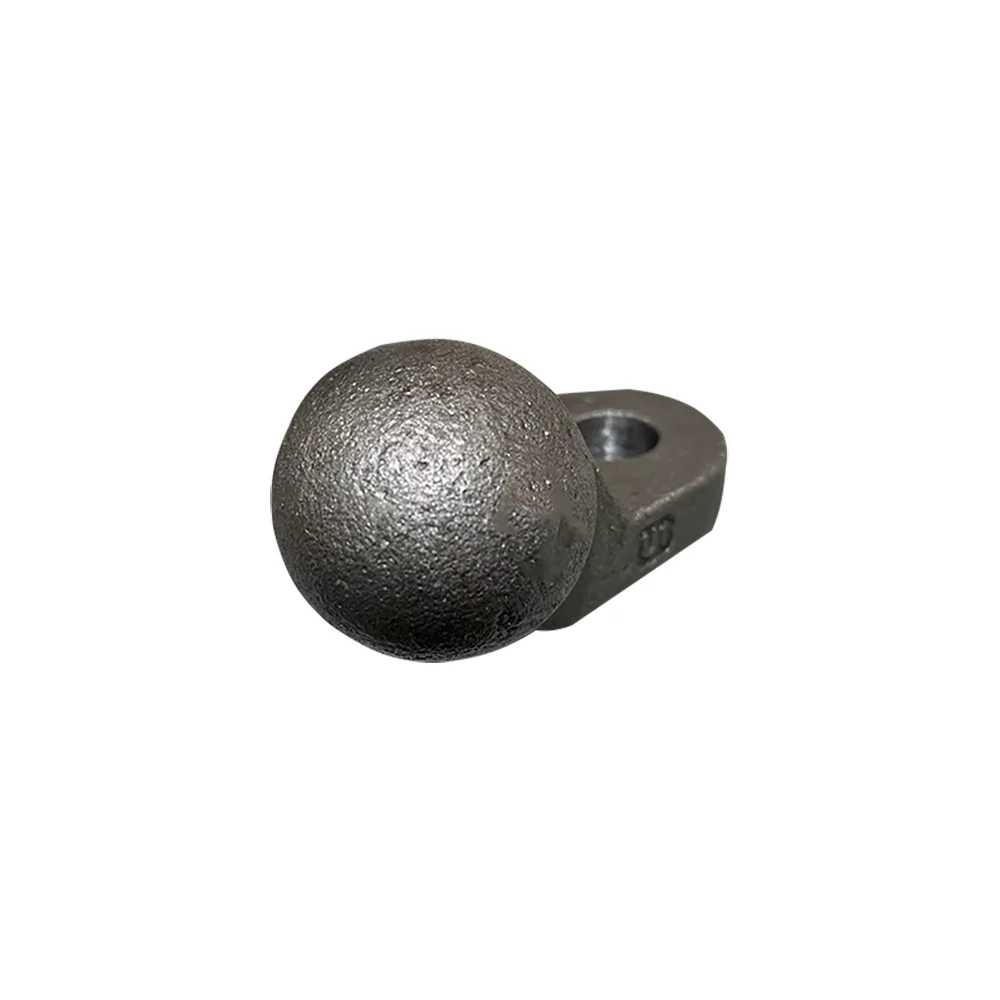
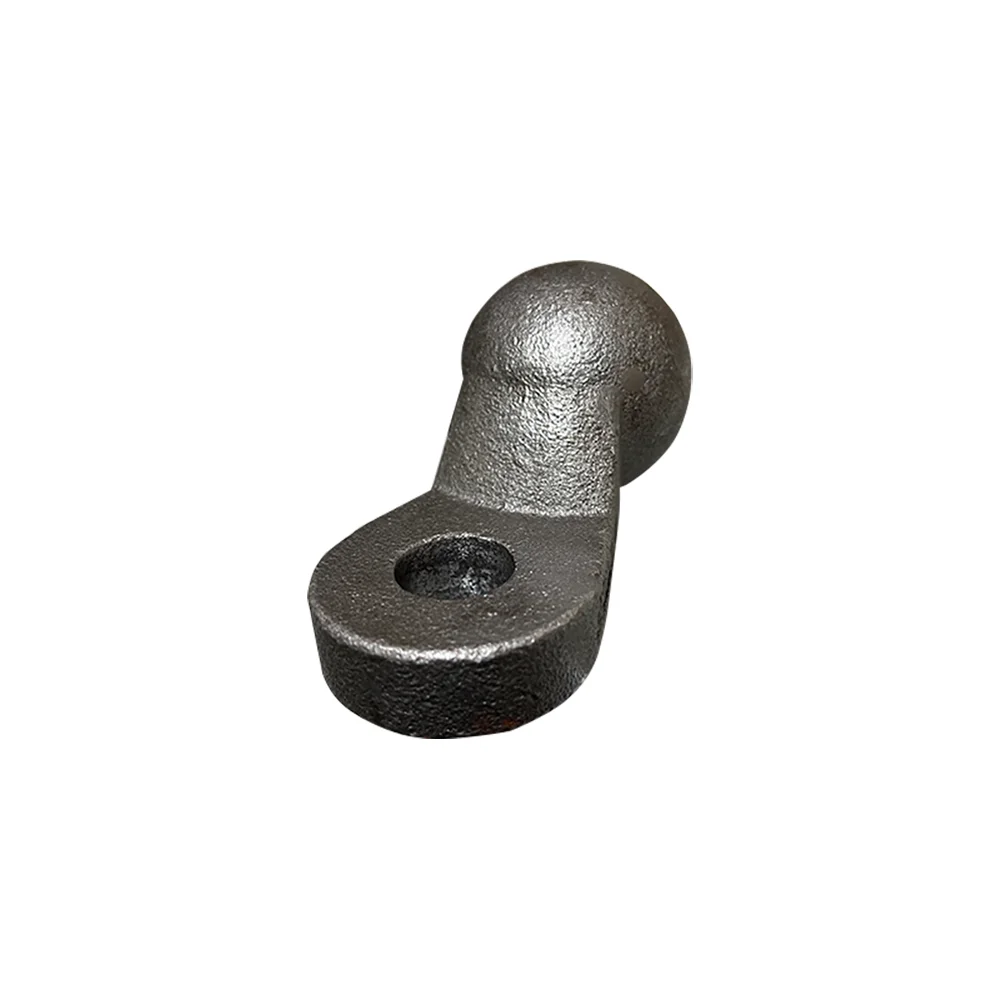
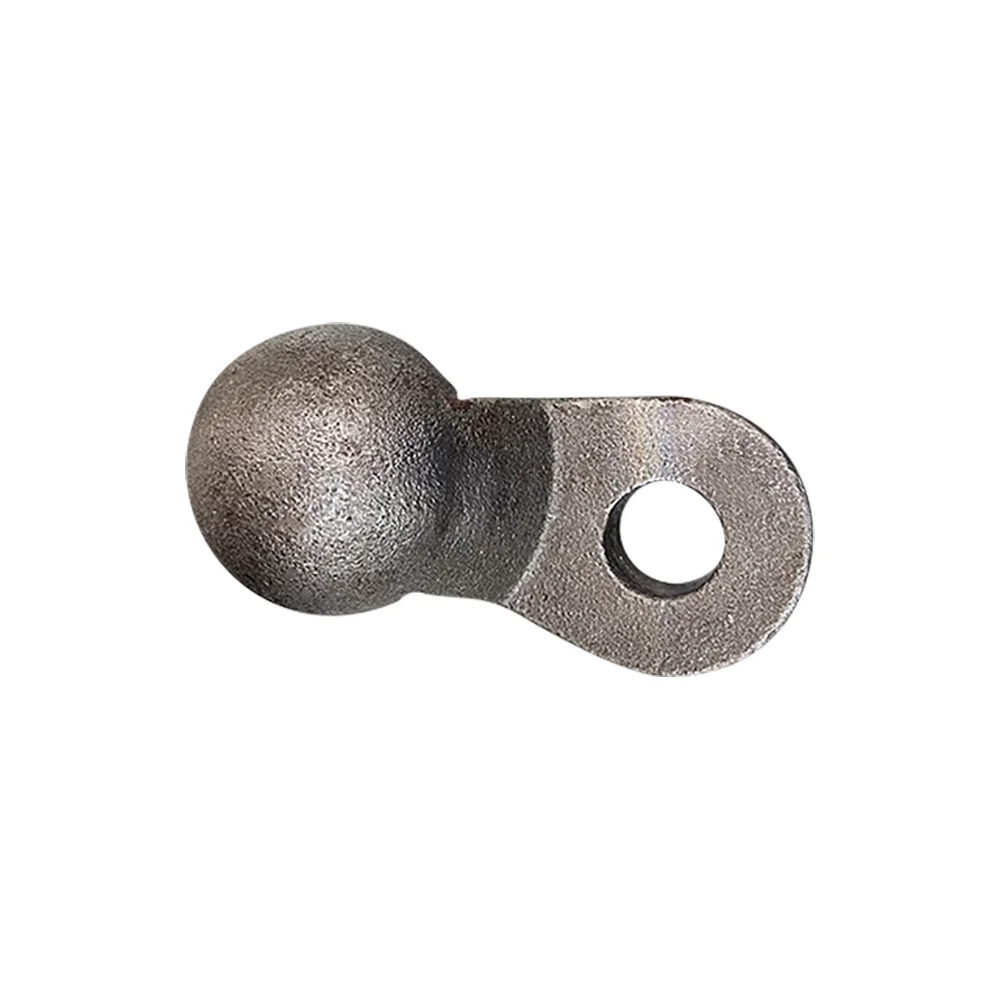
OEM/ODM High Precision Alloy Steel Castings and Optional Machining for Special-Shaped Forklift Components
Let’s define your requirement
Send a product link, drawing or short brief. We’ll work through the details with you.
- Confirm the specificationGrade or model, size and intended use.
- Define your orderQuantity, finish or configuration, and samples.
- Agree the quotation scopeIncluded work, key checks and delivery needs.
-
MaterialAlloy SteelProcessCasting +Machining(if Need)+surface Treatment
-
ServiceOEM ODM CustomisedStandardISO9001:2008
-
Quality ControlProfessional InspectionDimensionsCustomized Dimension
-
PackingWooden PalletsWeight0.05kg~20kg
Build a special-shaped forklift component around the required alloy steel form and the way it joins the assembly. The OEM/ODM service combines casting, machining when needed and surface treatment, with customized dimensions and professional inspection for the requested part.
Describe the special shape in its assembly context
A forklift component enquiry needs more than a general outline of the casting. Identify the mating interfaces, relevant dimensions and the location of the part within the intended assembly. These details help define the component being commissioned and keep the discussion tied to the actual forklift design, including any service or load requirements that the design must satisfy.
Allocate the casting, machining and treatment steps
Alloy steel is the material family for these custom components. Casting establishes the requested form, while machining is considered when the design calls for an additional operation. Specify the particular alloy grade and identify the features for which machining or a defined surface condition is required. The route can then be agreed around that component without assuming every casting receives identical secondary work.
Give professional inspection a clear acceptance basis
Professional inspection supports this custom manufacturing service. Agree the dimensional and surface criteria that matter to the forklift part, together with any material or service requirements established by its design. A clear acceptance basis connects the customized dimensions to the component's intended assembly role, while leaving replacement fit and application loading to the actual engineering definition.
- Define the alloy steel grade and the special-shaped geometry.
- Mark the interfaces and any features requiring machining.
- Specify the surface condition and the checks needed for acceptance.








