
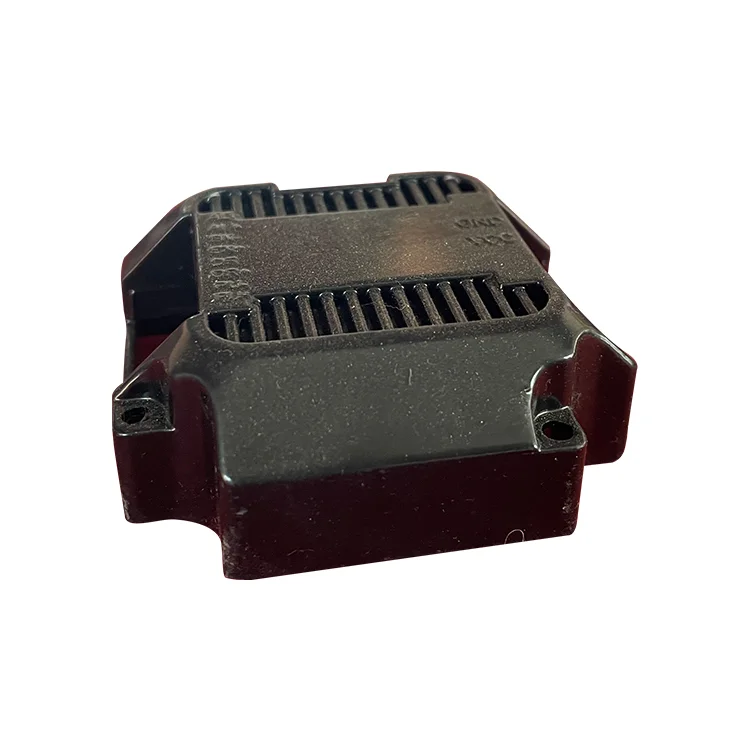
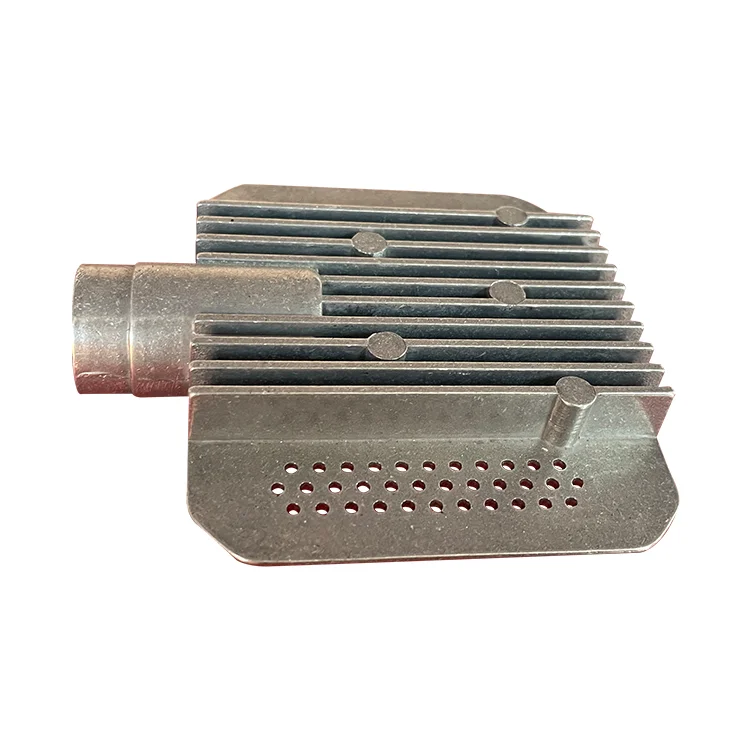
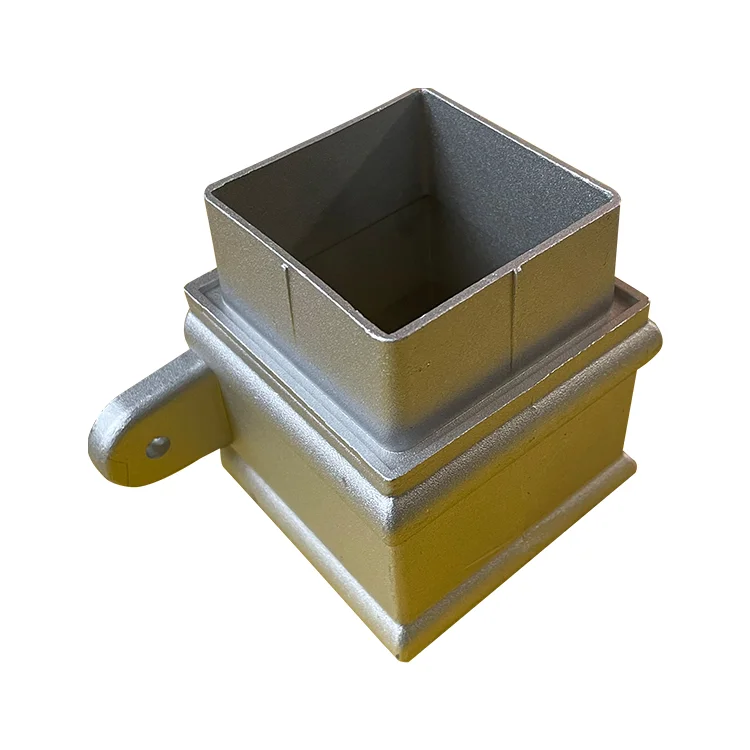
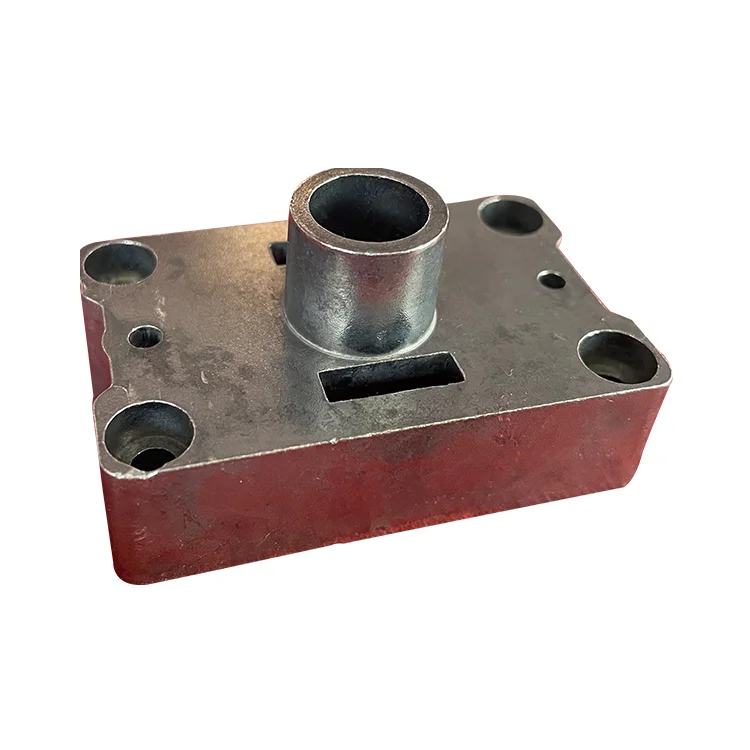
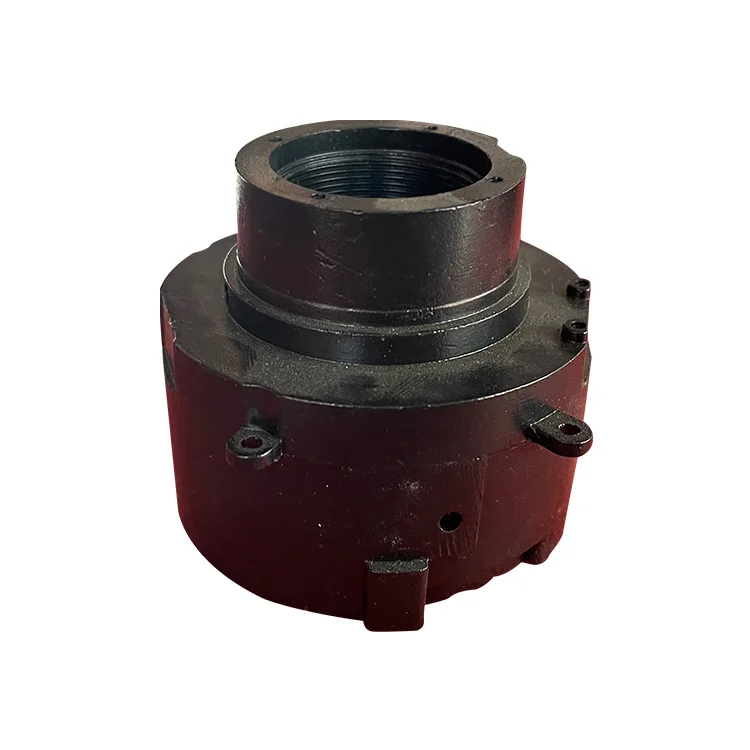
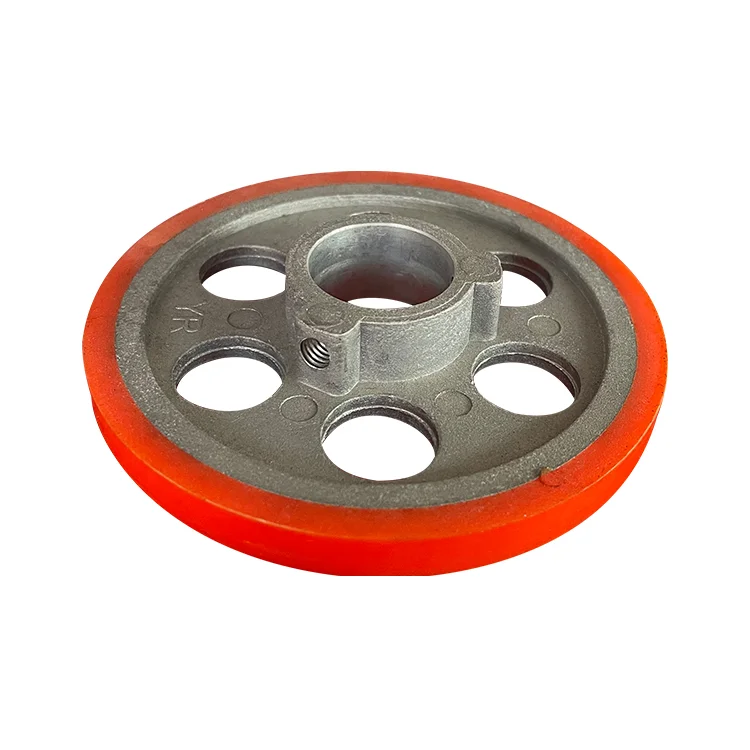
OEM/ODM Gray/Ductile-Iron/Alloy-Steel Foundry and Aluminum Die-Cast Parts | Drilling/Milling, Custom Logo
Let’s define your requirement
Send a product link, drawing or short brief. We’ll work through the details with you.
- Confirm the specificationGrade or model, size and intended use.
- Define your orderQuantity, finish or configuration, and samples.
- Agree the quotation scopeIncluded work, key checks and delivery needs.
-
Surface FinishAnodized , Polished
-
Product NameCustom Customized Die Casting Parts
-
Machined WorkDrilling, Milling, Other Machining ServiceMaterialAluminum,Brass,Stainless Steel,Titanium,Plastic
-
RoughnessRa0.2-Ra3.2Tolerance±0.02mm
-
Surface TreatmentAnodizing/Polishing/Plating/PaintingMOQ10 Pieces
-
LogoAccept Custom LogoDelivery Time7-15 Days
-
OEM/ODMOEM ODM Die Casting Service
Custom foundry directions include gray iron, ductile iron, alloy steel and aluminum die-cast parts. OEM/ODM service combines the actual component request with drilling, milling and other machining directions. Select the material and manufacturing scope for the part, with ±0.02mm and Ra0.2–Ra3.2 as precision and surface references.
Set the material and operation scope
Define the actual gray-iron, ductile-iron, alloy-steel or aluminum component and its required grade. Other material directions include brass, stainless steel, titanium and plastic. Agree the suitable casting and machining scope for the chosen material rather than treating every direction as an aluminum die-casting route. Identify the drilled or milled areas needed for the actual geometry.
Locate the tolerance and roughness requirements
The tolerance reference is ±0.02mm, and the roughness reference is Ra0.2–Ra3.2. Define the controlled dimensions and manufacturing stage for the tolerance, then confirm the roughness unit and surfaces to which the selected condition applies. Agree the dimensional and surface acceptance for the actual part, with its material and operations kept explicit.
Choose the surface treatment and custom marking
Anodizing, polishing, plating and painting are surface directions, and custom logos are accepted. Select the applicable treatment for the material and identify the treated and marked areas. Define the logo requirement together with the finished condition and component dimensions. Relate the surface and marking acceptance to the intended use of the supplied OEM/ODM part.








