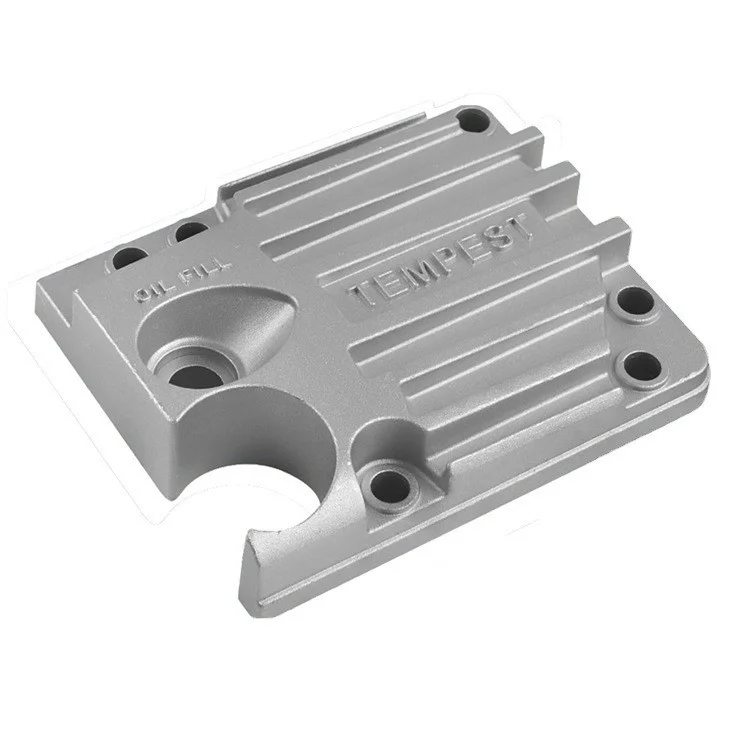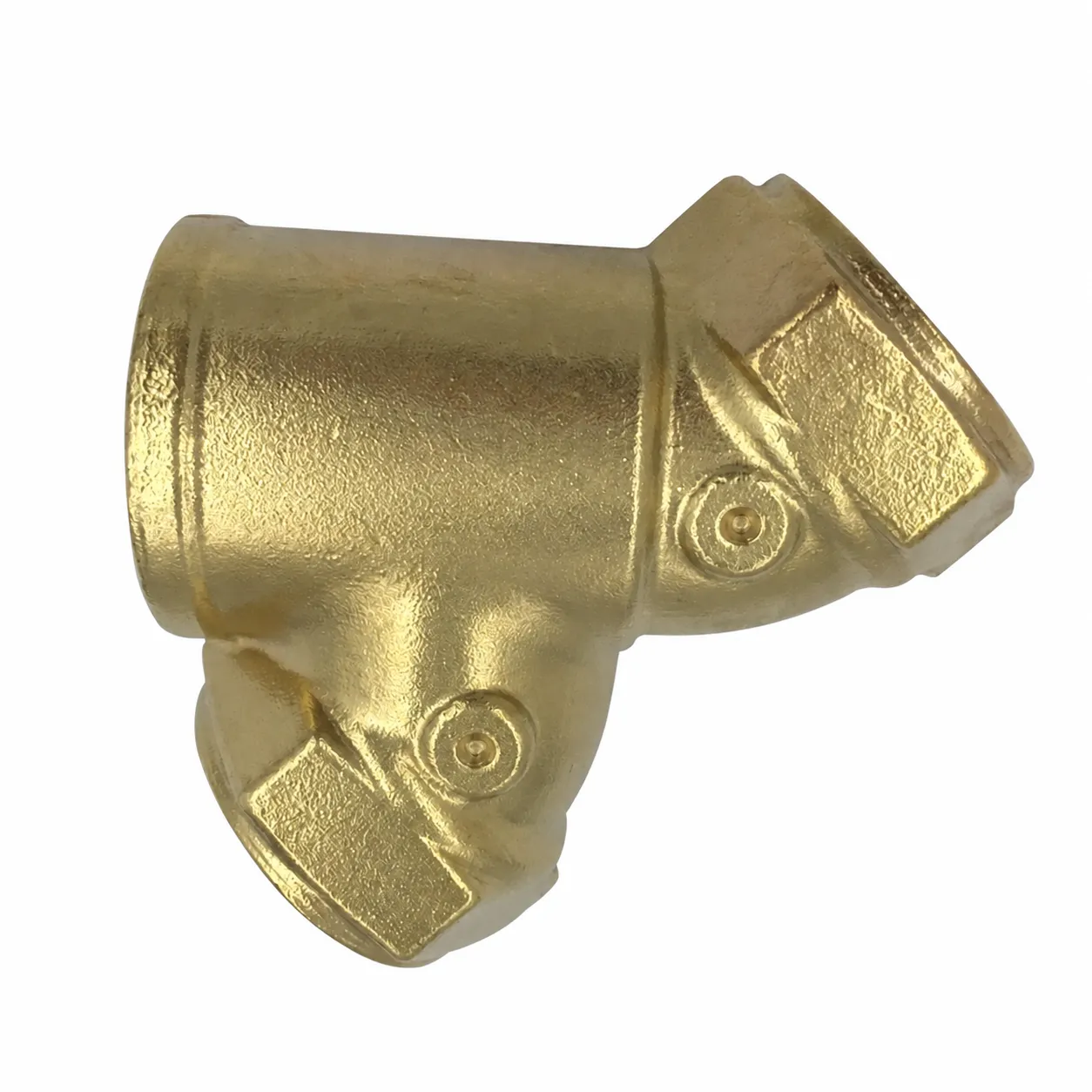
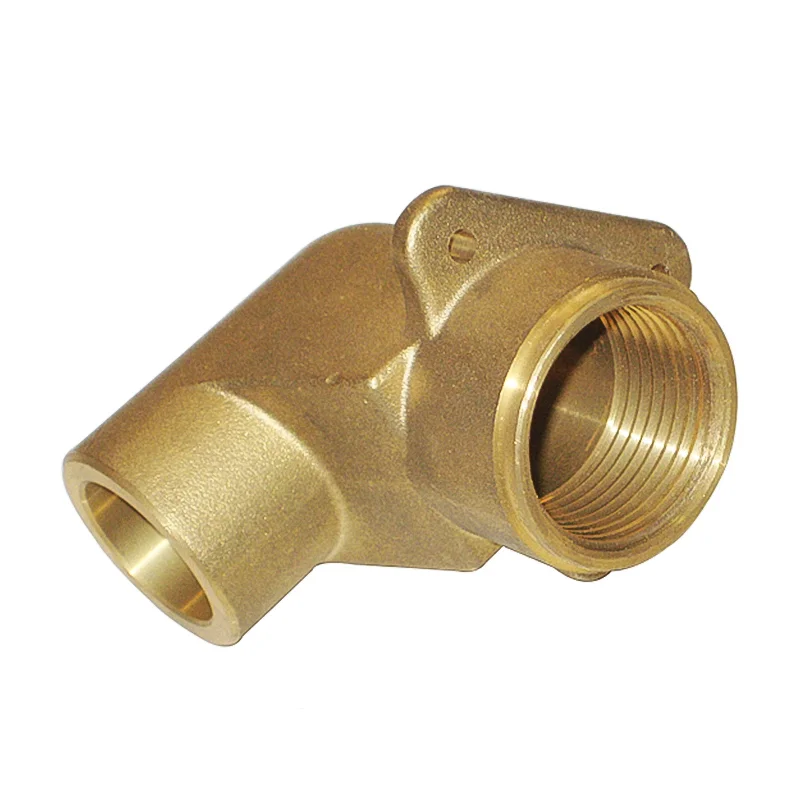
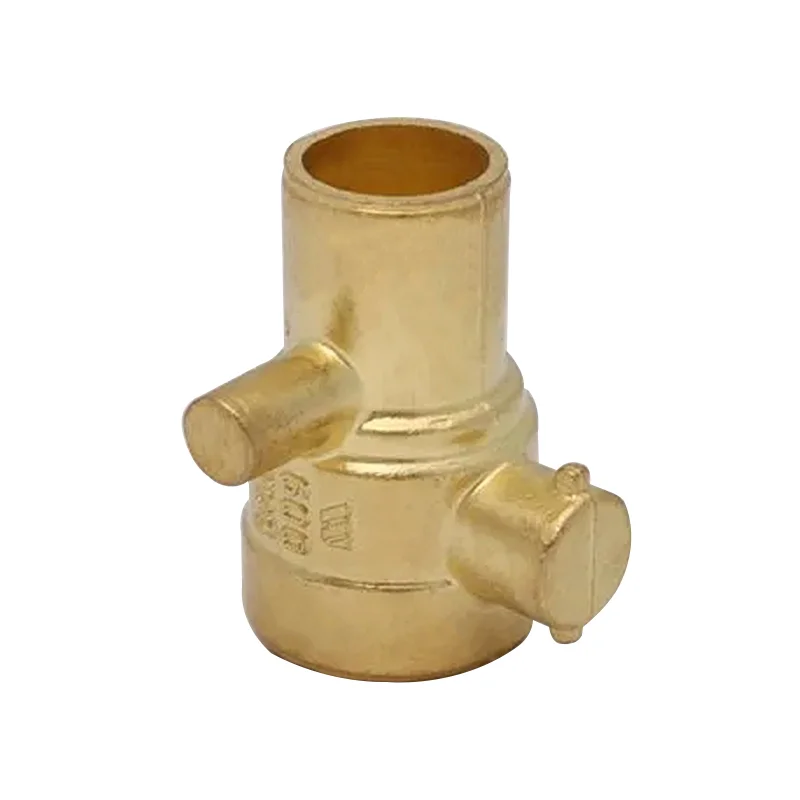
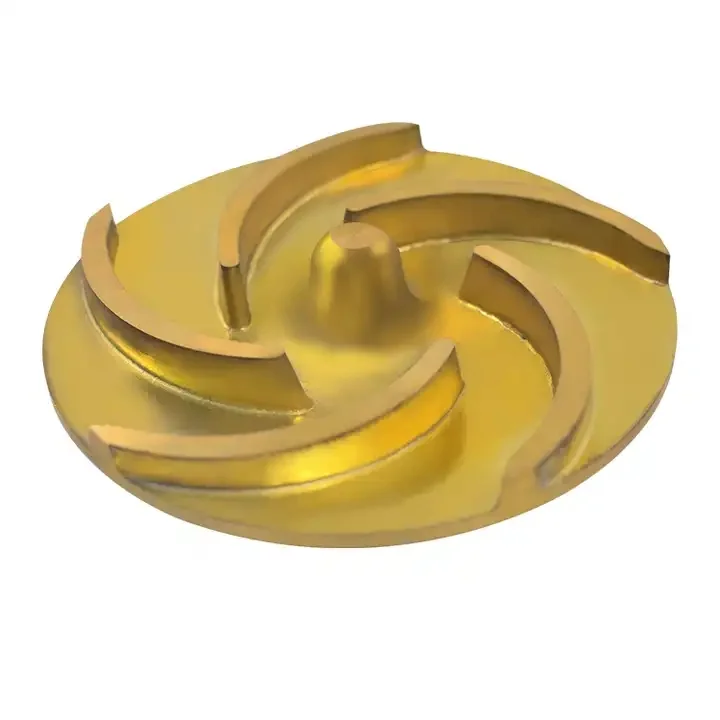
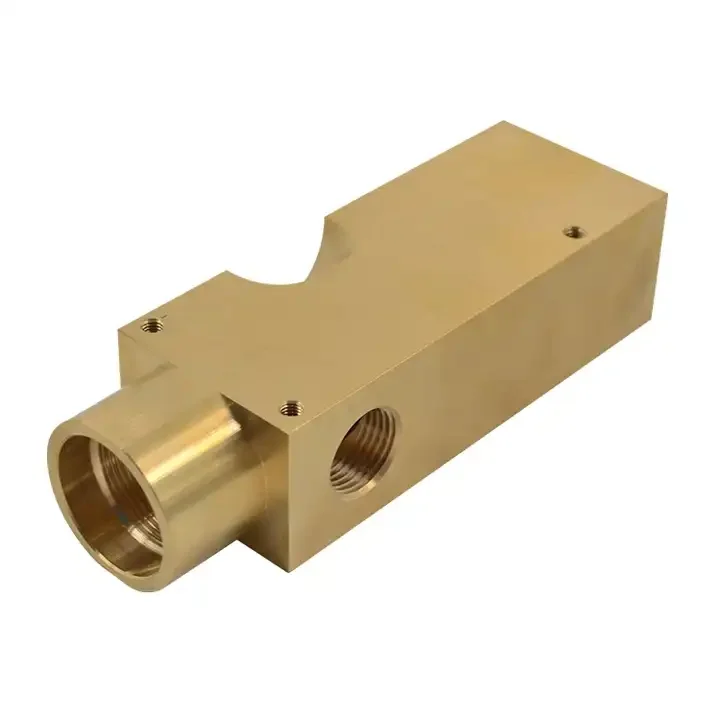
OEM/ODM Brass and Copper Lost-Wax Investment Casting | CNC Milling and Turning
Let’s define your requirement
Send a product link, drawing or short brief. We’ll work through the details with you.
- Confirm the specificationGrade or model, size and intended use.
- Define your orderQuantity, finish or configuration, and samples.
- Agree the quotation scopeIncluded work, key checks and delivery needs.
-
Surface FinishSandblasted , Polished
-
finishAs requestmaterialBrass
-
typeBrass CastingSpecificationCustomized,customer Required,customer's Drawings,Samples
-
ServiceOEM / ODM CustomizedMaterialStainless steel, high carbon steel, copper alloy, etc
-
ProcessPrecision casting,Lost wax casting, Investment castingMachiningCNC machining center, CNC milling, CNC turning
-
Casting ToleranceIT5 - IT7,CT5-7Machining Tolerance+/- 0.005mm,ISO2768-f,ISO-mk
-
StandardDIN,AISI,SAE,ASTM,UNS,GOST,ISO,BS,EN,JISCertificateISO9001, TS16949,ISO1400,RoHS Finish
-
Surface TreatmentPolishing,Shoot blasting,Glass bead sand blasting,etc.
Custom brass and copper casting services combine precision investment and lost-wax casting with CNC machining support. OEM/ODM requirements can be based on customer drawings or samples. Stainless steel, high-carbon steel and copper alloys are additional material directions for a selected component.
Casting references and machined characteristics
Casting tolerance references are IT5–IT7 and CT5–7. Machining references are ±0.005mm, ISO2768-f and ISO-mk. Identify the controlled cast dimensions and machined areas separately, then agree the applicable precision requirement for each. The exact ISO-mk requirement should be clarified as part of that feature-level agreement.
CNC operations for the defined geometry
CNC machining-center work, CNC milling and CNC turning are available. Connect the required operation to the component geometry and the dimensions that require machining. Using the drawing or reference sample as an input helps define the intended part, while the agreed dimensional criteria establish how the result will be accepted.
Requested surface condition
Finish support includes polishing, shot blasting and glass-bead sandblasting, with the finish selected to the request. Identify which areas need treatment and the condition expected after that operation. Coordinate the surface requirement with the actual brass, copper alloy or steel selection and the controlled dimensions.
Standard and design-input agreement
Reference families include DIN, AISI, SAE, ASTM, UNS, GOST, ISO, BS, EN and JIS. Specify the applicable standard, alloy and component requirements rather than treating all families as simultaneous obligations. Together with the drawing or sample input, these choices provide a concrete basis for the custom casting and CNC discussion.