OEM/ODM 304/316 Stainless Gear-Body/Impeller-Gear Precision Lost Wax CNC Castings, 100% Checking for Sanitary-Water-Supply Requests
Let’s define your requirement
Send a product link, drawing or short brief. We’ll work through the details with you.
- Confirm the specificationGrade or model, size and intended use.
- Define your orderQuantity, finish or configuration, and samples.
- Agree the quotation scopeIncluded work, key checks and delivery needs.
-
Component FormImpeller / Rotor
-
SizeCustmer's Drawings
-
Surface TreatmentPerfect appearance, No cloak Burr sand holeMaterialsstainless steel/Brass
-
NameCustom Impeller Gear Parts Precision CastingMaterialStainless steel
-
Quality control100% checkMachining processLost wax CNC machining
-
Lead time15-35 daysSurfacePerfect appearance
-
CertificationISO9001/TS16949/RoHSDimensionsCustmer's Drawings
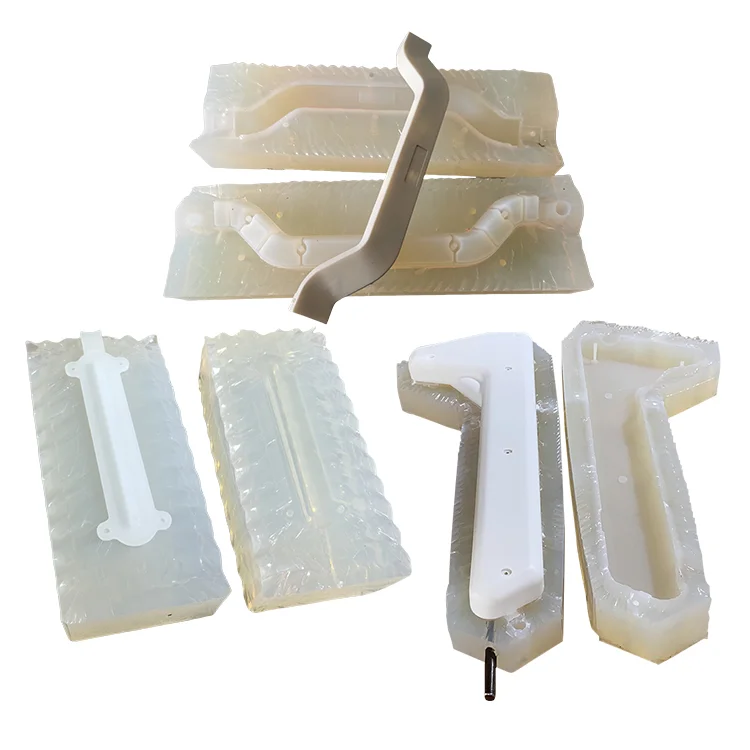
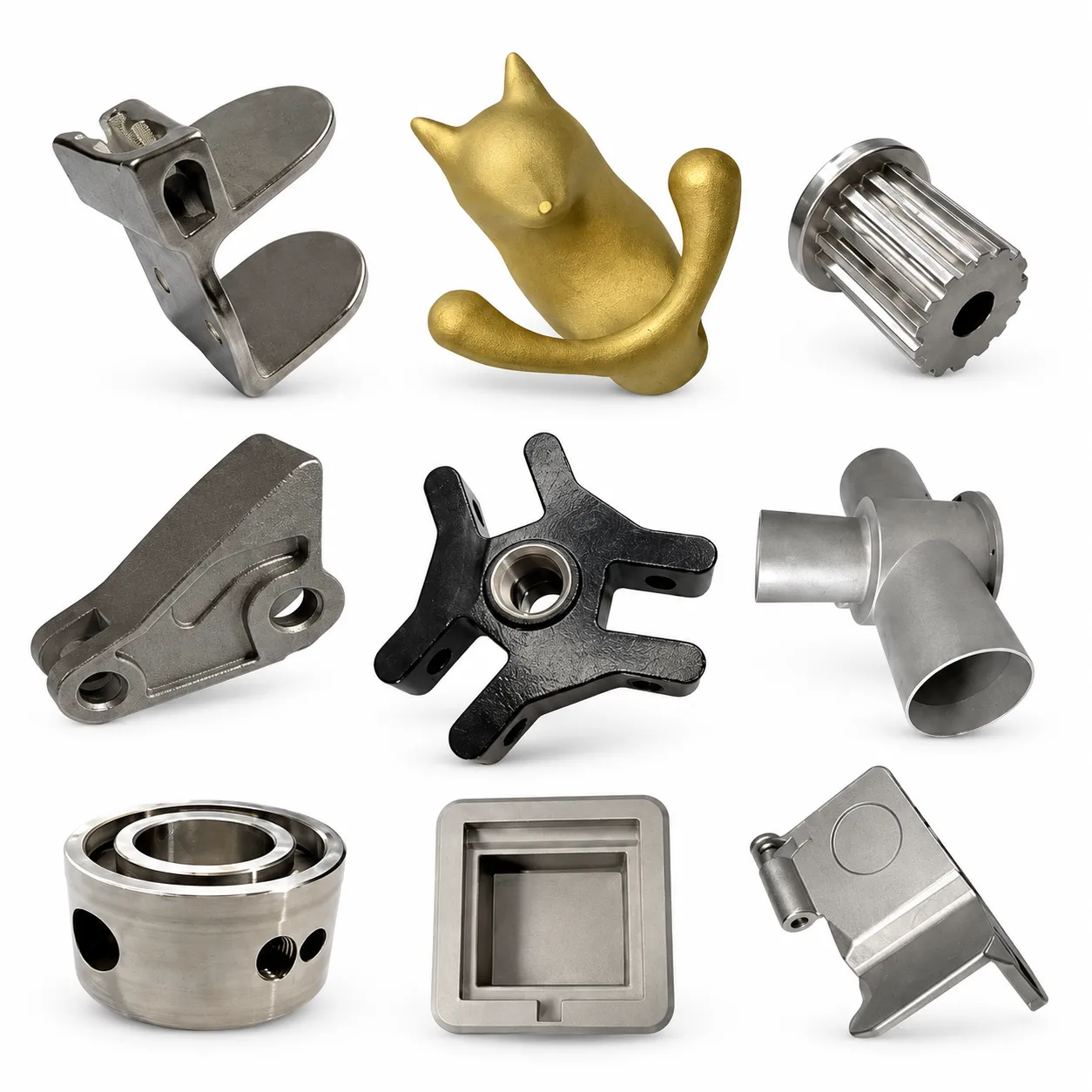
Customized OEM and ODM gear-body and impeller-gear casting requests use precision lost wax casting with CNC machining. Stainless directions include 304 and 316, with brass as another material request. Dimensions follow customer drawings, and the component-checking direction is 100%, with the actual accepted characteristics and methods to agree.
Gear or impeller component geometry
Choose the actual gear-body or impeller-gear drawing and supplied material specification. Define the mating geometry and working duty that the selected component must satisfy. Allocate cast and CNC-machined dimensions with the feature limits needed for that arrangement.
Appearance criteria and full checking
Agree the final appearance and the burr and sand-hole criteria for the part. Clarify the intended cloak criterion and select any actual treatment or roughness requirement. Specify the dimensional and surface characteristics, methods and records used for the 100% checking scope.
Sanitary-water or food-contact requirements
For sanitary-water-supply requests, identify the actual working fluid, contact conditions and component requirements. Obtain material/finish-specific acceptance and relevant compliance evidence for any sanitary or food-contact requirement before approval. Connect those requirements to the supplied component and its actual use conditions.
Reference scope and OEM/ODM responsibility
ISO9001 and TS16949 are quality-system references, while RoHS is a compliance-related reference. Agree the actual documents, object scope and responsible organization/site relevant to any current certification or compliance requirement. Confirm quantity and OEM/ODM responsibility with the accepted drawing, appearance, checking and contact requirements.