
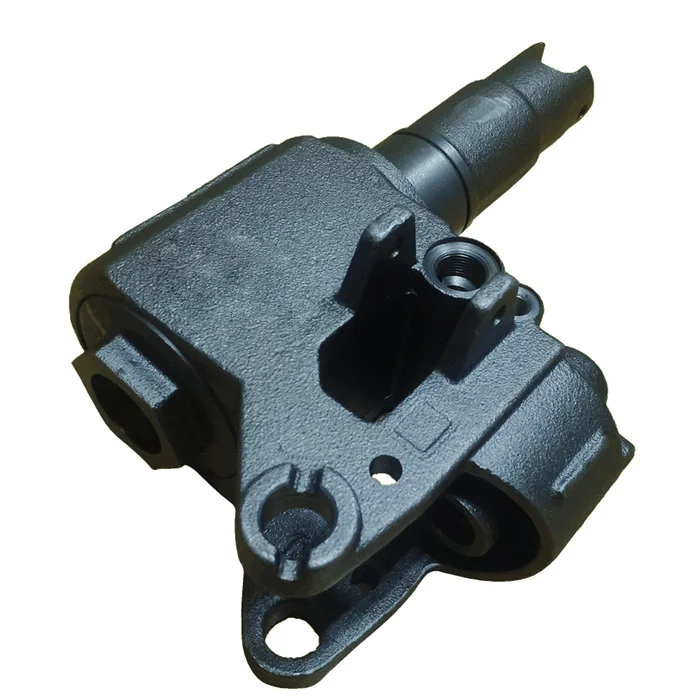
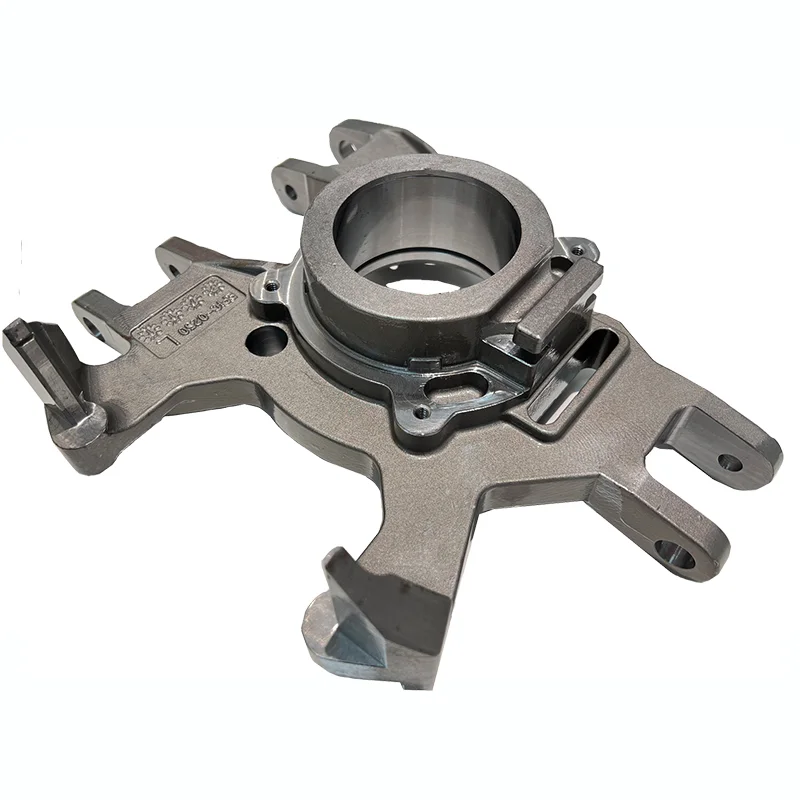
OEM Low-Carbon Alloy Steel Investment/Lost Wax Casting Parts | CNC Machining
Let’s define your requirement
Send a product link, drawing or short brief. We’ll work through the details with you.
- Confirm the specificationGrade or model, size and intended use.
- Define your orderQuantity, finish or configuration, and samples.
- Agree the quotation scopeIncluded work, key checks and delivery needs.
-
Surface FinishShot Blasted
-
MaterialSteel
-
KeywordsCast steelProcessLost wax investment casting+CNC machined
-
Heat TreatmentQuench and temper by 2 set mesh belt furnacesSurface TreatmentShot blasting+Assembling
-
Machining Facility50+ Machining centers,80+ CNC machinesInspectionMT/UT/RT/100% visual+100%gage/CMM
-
StandardASTM. AISI. DIN. BS. JIS. NF. AS.CertificationIATF16949/ISO14001
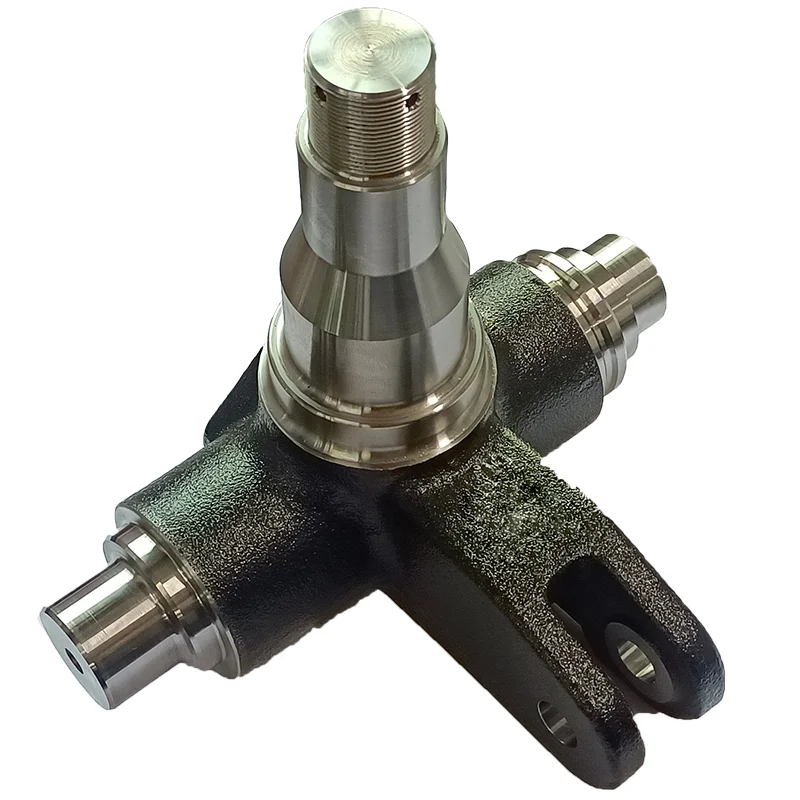
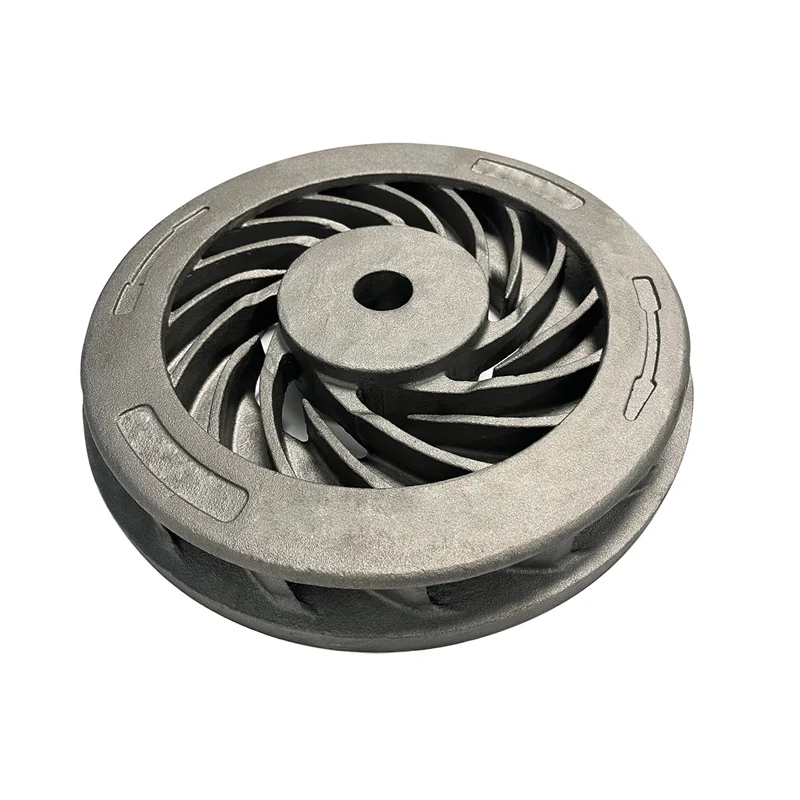
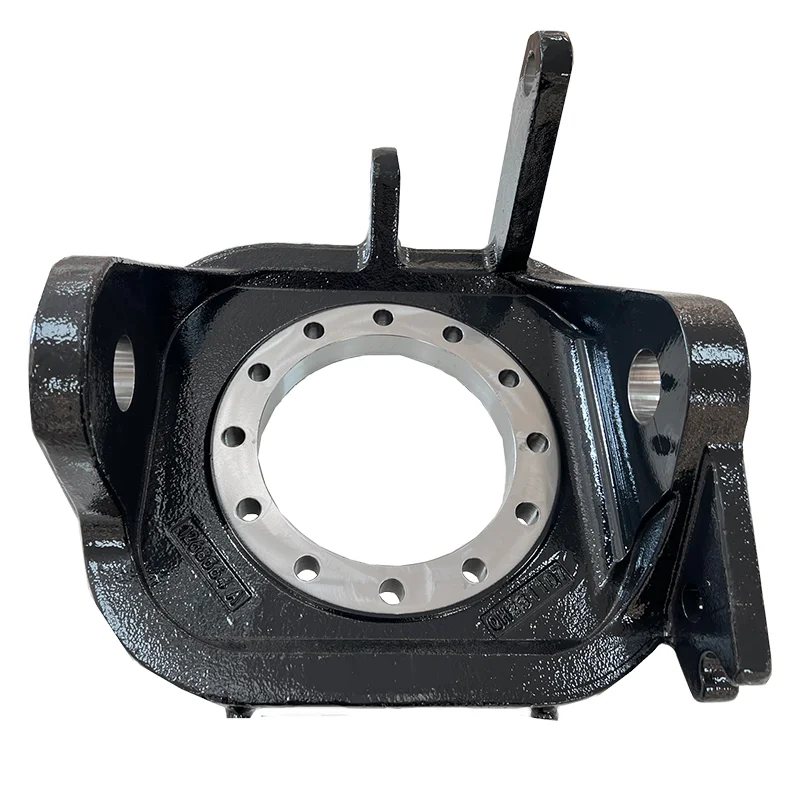
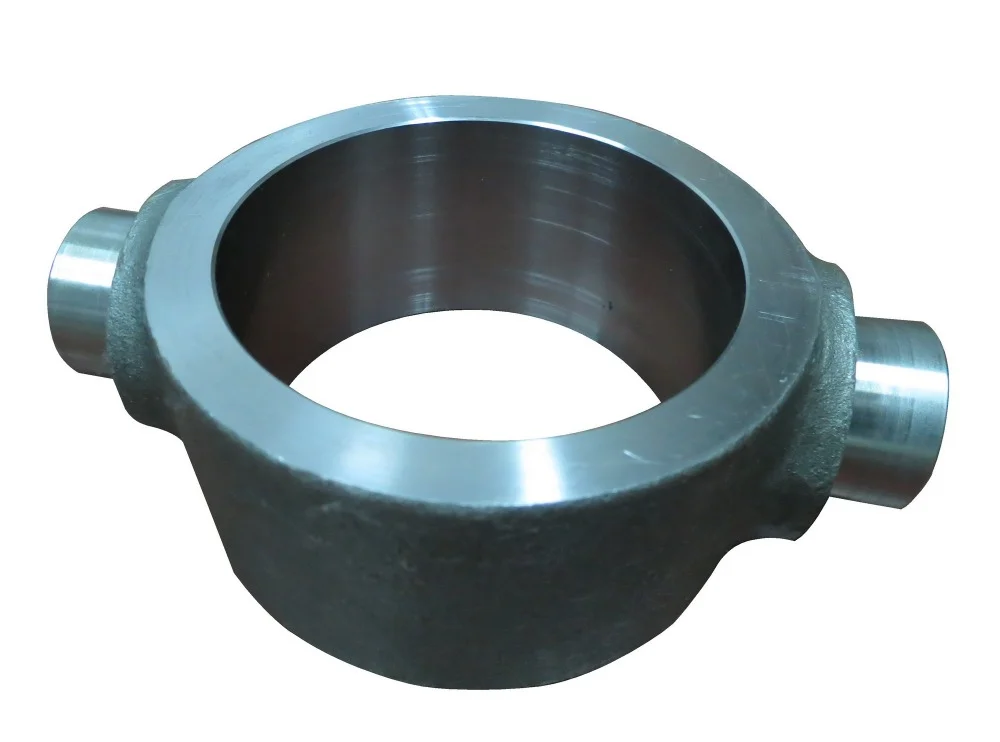
OEM low-carbon alloy steel parts are produced through lost wax investment casting and CNC machining. The precision casting direction also includes quenching and tempering, shot blasting and assembly, with the final combination defined for the individual steel component.
Low-carbon alloy and treatment condition
The exact alloy grade is the first selection within this low-carbon steel direction. Quenching and tempering are available through two mesh belt furnaces, so state the required material condition together with the component geometry. That keeps the heat-treatment discussion connected to a particular alloy and acceptance requirement rather than an assumed strength or hardness value.
OEM machining and subsequent work
Resources for the CNC work include 50-plus machining centers and 80-plus CNC machines. Identify the dimensions and surfaces requiring machining, and specify whether shot blasting and assembly form part of the finished requirement. These details make the OEM enquiry about a defined cast and machined component while preserving the actual processing choices.
Assigning checks to the steel component
Visual inspection and gauge inspection each have a 100% scope. MT, UT, RT and CMM are further inspection methods to select and allocate for the component's acceptance plan. Identify which checks concern the cast condition and which concern the machined dimensions. ASTM, AISI, DIN, BS, JIS, NF and AS provide standard-reference families; identify the relevant criteria and confirm any required IATF16949 or ISO14001 documentation scope alongside the inspection plan.








