OEM Custom Stainless-Steel/Alloy Small Parts | High-Precision Lost-Wax Casting and Material/Process Selection
Let’s define your requirement
Send a product link, drawing or short brief. We’ll work through the details with you.
- Confirm the specificationGrade or model, size and intended use.
- Define your orderQuantity, finish or configuration, and samples.
- Agree the quotation scopeIncluded work, key checks and delivery needs.
-
Surface FinishShot Blasted , PolishedAlloy GradeA380 , ADC12
-
SizeMax 1500mm*800mm*600mm
-
Surface TreatmentPowder Coating, Shotblasting, PaintingMaterialsAluminum Alloy ADC12 Optional A380, ADC10, Zinc
-
DimensionsCustomized Sizes for Robot Parts ProcessingProcessHigh Precision Lost Wax Casting
-
Tolerance0.01mmCertificationISO9001:2015, IATF16949, ROHS
-
ApplicationPrecision industrial valves and fittingsSurface FinishAs Cast, Polishing, Passivation
-
ServiceOEM Custom Machining & Casting ServicePart Weight5g - 50kg
-
Product NameCustom Stainless Steel Alloy Small Casting Parts
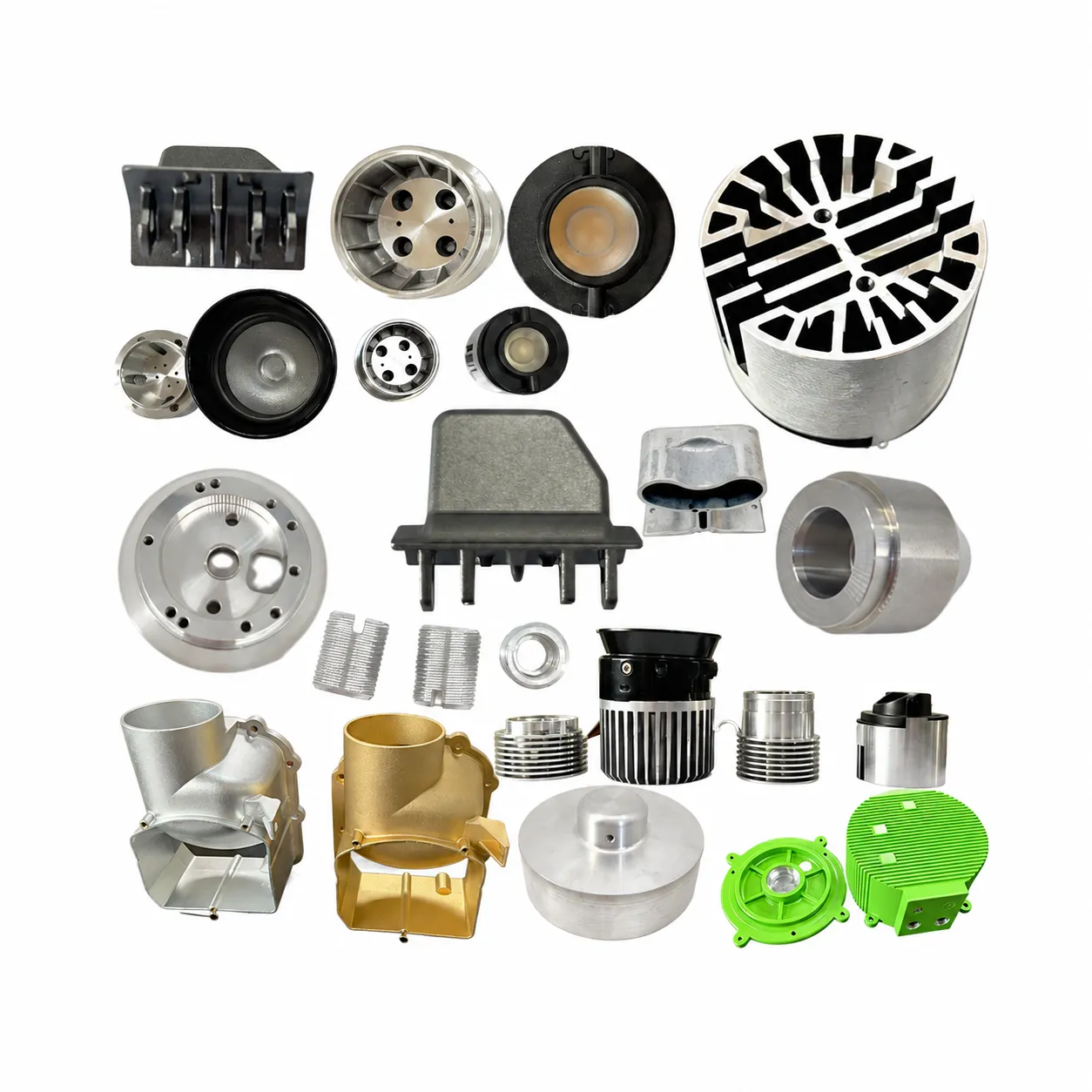
Custom OEM stainless-steel/alloy small-part work includes high-precision lost-wax casting and machining. Material inquiries also cover ADC12 aluminum with optional A380, ADC10 and zinc. Select the actual material and casting/machining route for the requested component, with its geometry and finished condition defined together.
Robot, valve or fitting component requirements
Use directions include robot-part processing and precision industrial valves/fittings, with customized dimensions. Identify the actual component and its operating conditions, including the interfaces needed for its function. Connect those requirements to the chosen material and process so the inquiry addresses a defined part and its real fit.
1500 × 800 × 600 mm and controlled dimensions
The maximum-size reference is 1500 × 800 × 600 mm, with a 0.01 mm tolerance reference. Specify the actual overall geometry and the dimensions requiring control. Agree the applicable process stage and measurement basis, relating the size and precision requirements to the particular cast/machined component.
Surface condition selected for the actual material
Options include powder coating, shot blasting, painting, as-cast condition, polishing and passivation. Select the material-appropriate condition and identify the surfaces receiving the chosen work. Agree visual and dimensional acceptance after that treatment, including its effect on the component's important interfaces.
Joining material, process and finished-part acceptance
Define the actual stainless/alloy, aluminum or zinc requirement and its chosen route within the OEM task. Include the component geometry, controlled dimensions and selected surface condition. Their inspection and operating acceptance should address the same finished part, providing a specific manufacturing request for the intended robot, valve or fitting component.