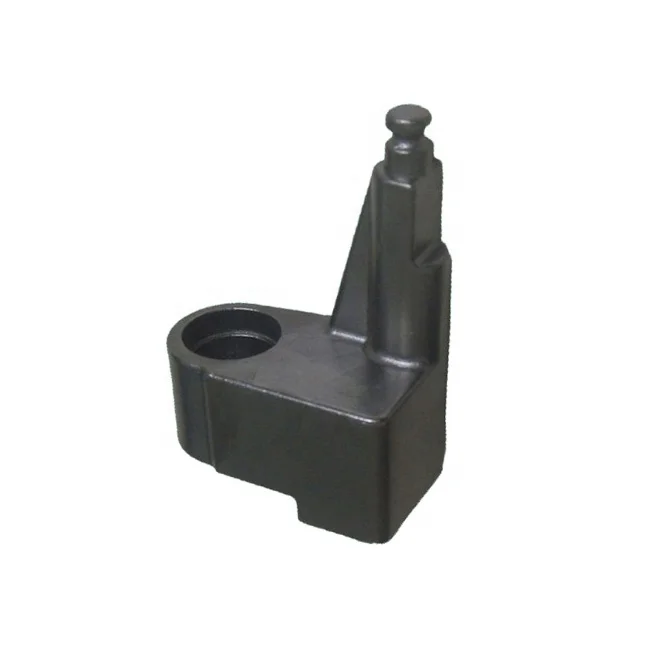
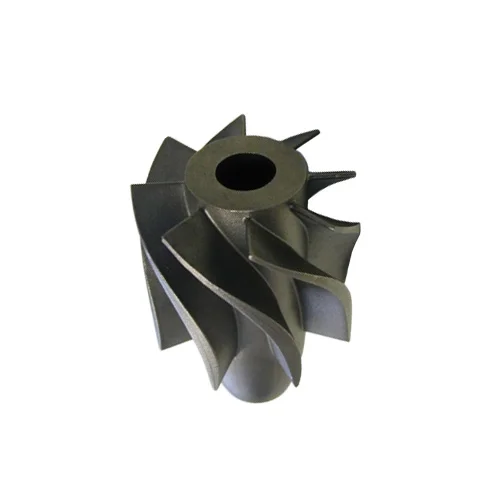
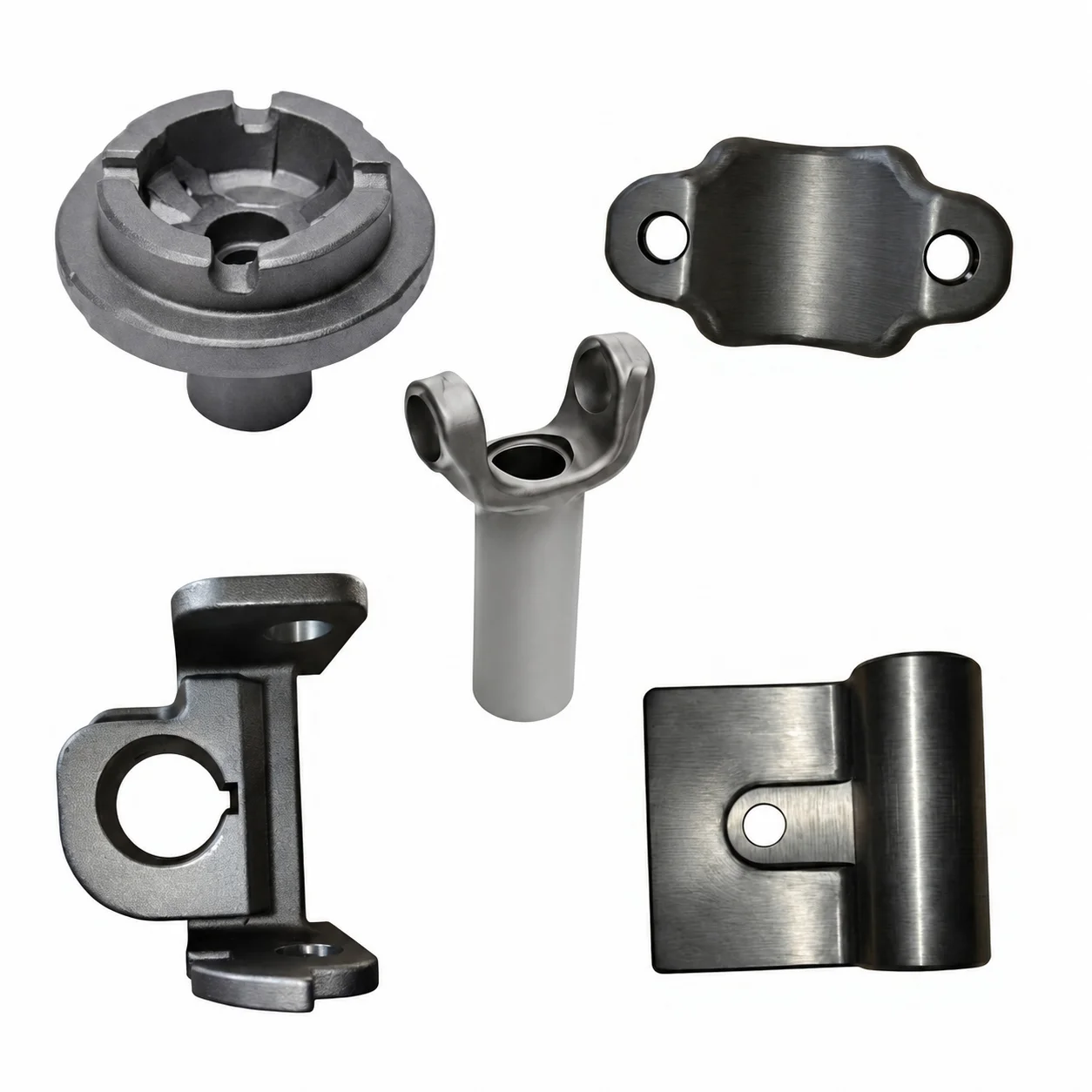
OEM Custom Carbon-Steel Investment/Lost-Wax Parts | VDG P690 D2 Casting Tolerance and Machining
Let’s define your requirement
Send a product link, drawing or short brief. We’ll work through the details with you.
- Confirm the specificationGrade or model, size and intended use.
- Define your orderQuantity, finish or configuration, and samples.
- Agree the quotation scopeIncluded work, key checks and delivery needs.
-
Processlost wax casting
-
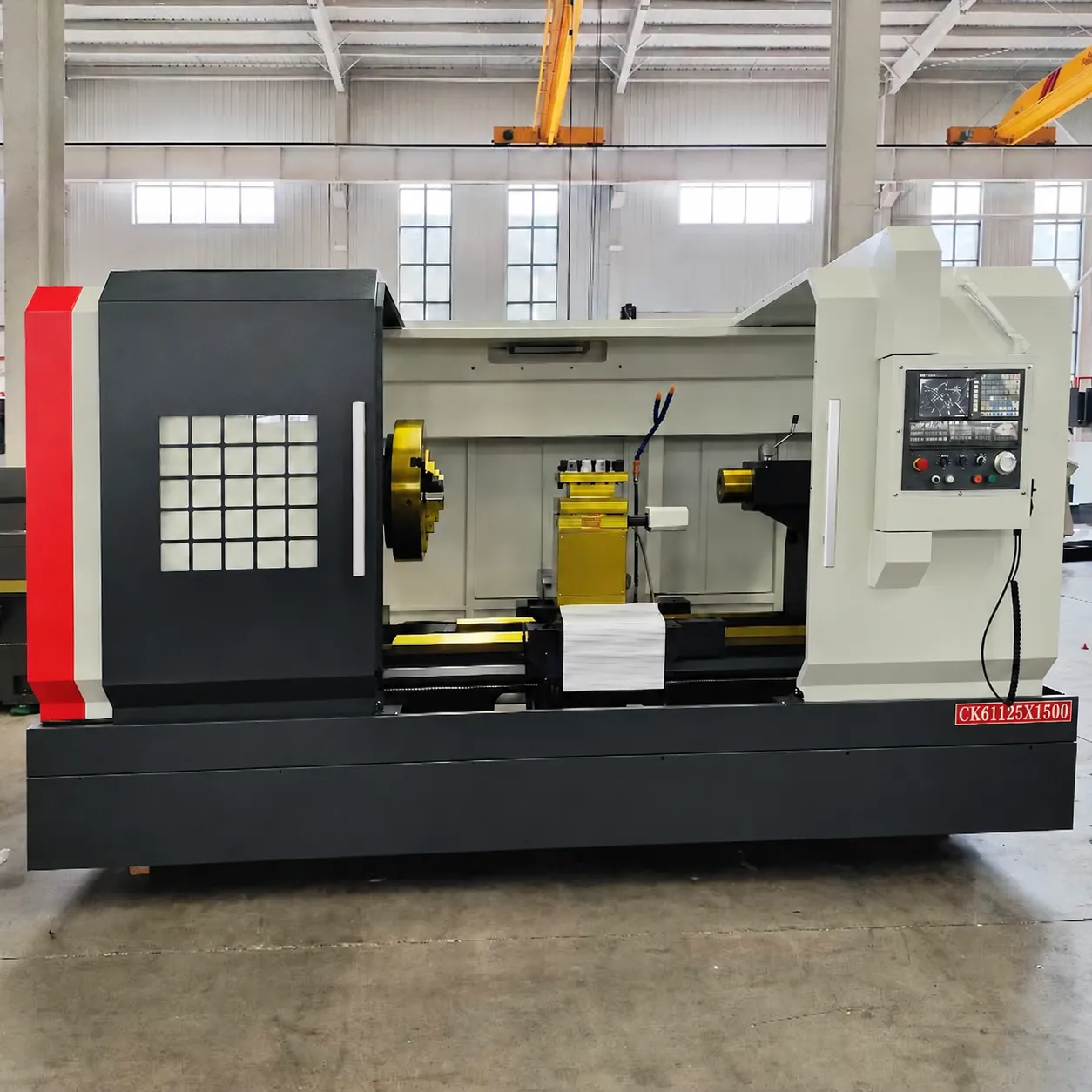
Materialcarbon steelServiceCasting and Machining
-
Sizeas drawingsCasting ToleranceVDG P690 D2
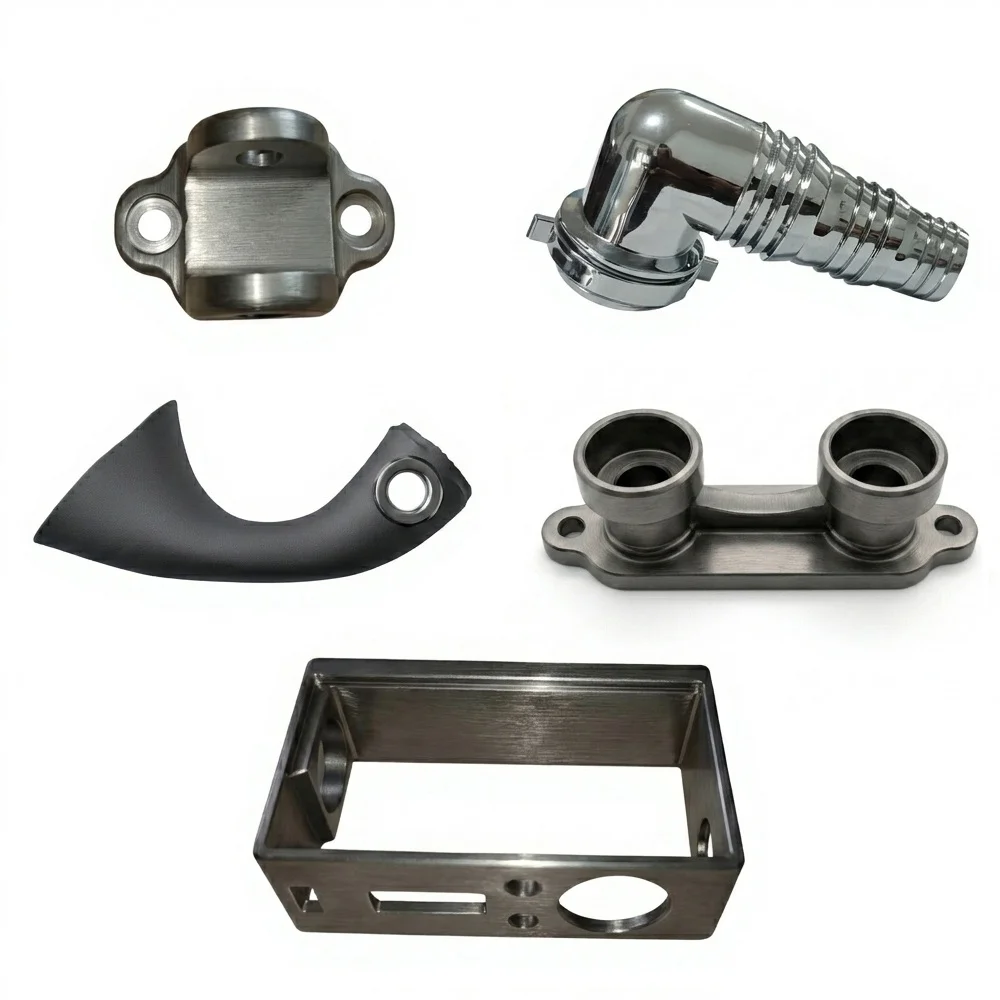
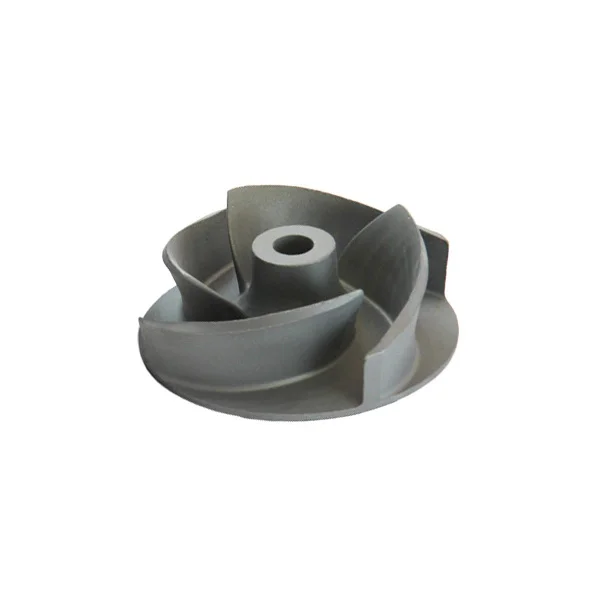
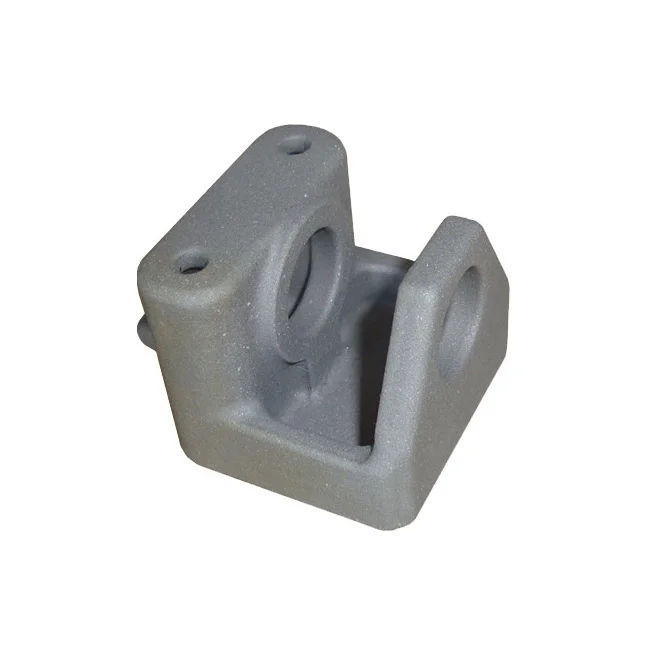
OEM custom carbon-steel parts use investment/lost-wax casting and machining, with dimensions defined by drawings. The casting-tolerance reference is VDG P690 D2. The actual grade, part geometry and cast/machined requirements should establish the selected manufacturing scope and finished acceptance.
Carbon-steel grade and the drawing geometry
Select the actual carbon-steel grade for the required component and its intended function. Identify the geometry and important interfaces in the drawing, including dimensions accepted as cast and areas requiring machining. Specify the dimensions that control fit in the intended component. Connect those requirements to the same custom part so the material and manufacturing definition address its actual function.
VDG P690 D2 on the cast dimensions
VDG P690 D2 is the casting-tolerance reference for this work. Agree how it applies to the relevant dimensions of the selected geometry and define the actual measurement criteria. Keep those cast-dimension requirements with the drawing and inspection scope, alongside the finished dimensional acceptance required for any machined features.
Machining and finished-component acceptance
Machining is part of the service direction for the selected carbon-steel casting. Specify the interfaces and dimensions to be completed through that work and agree their surface and inspection criteria. Relate them to the component's intended function and mating requirements. The actual grade, drawing, cast-tolerance basis and finished-feature criteria together provide a specific OEM part request and its casting/machining acceptance.