
OEM Custom Aluminum and 316L Stainless Steel Precision Lost-Wax Investment Casting Inquiry
Let’s define your requirement
Send a product link, drawing or short brief. We’ll work through the details with you.
- Confirm the specificationGrade or model, size and intended use.
- Define your orderQuantity, finish or configuration, and samples.
- Agree the quotation scopeIncluded work, key checks and delivery needs.
-
Product nameDie Casting Part
-
ProcessCasting. Deburring .Drilling .threadingCertificationISO9001
-
ServiceCustomized OEMSizeCustomer's 3D Drawing
-
Surface treatmentCustomers' DemandToleranceCustomer's Drawing Request
-
StandardClient SpecificationColorCustomized Color
-
Quality ControlStrictly 100% Inspection
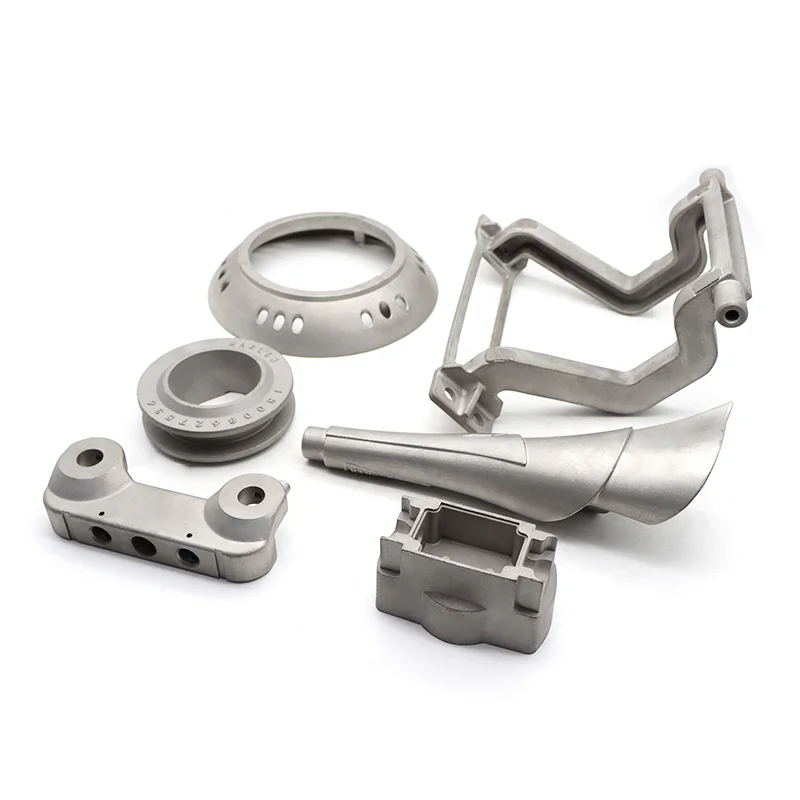
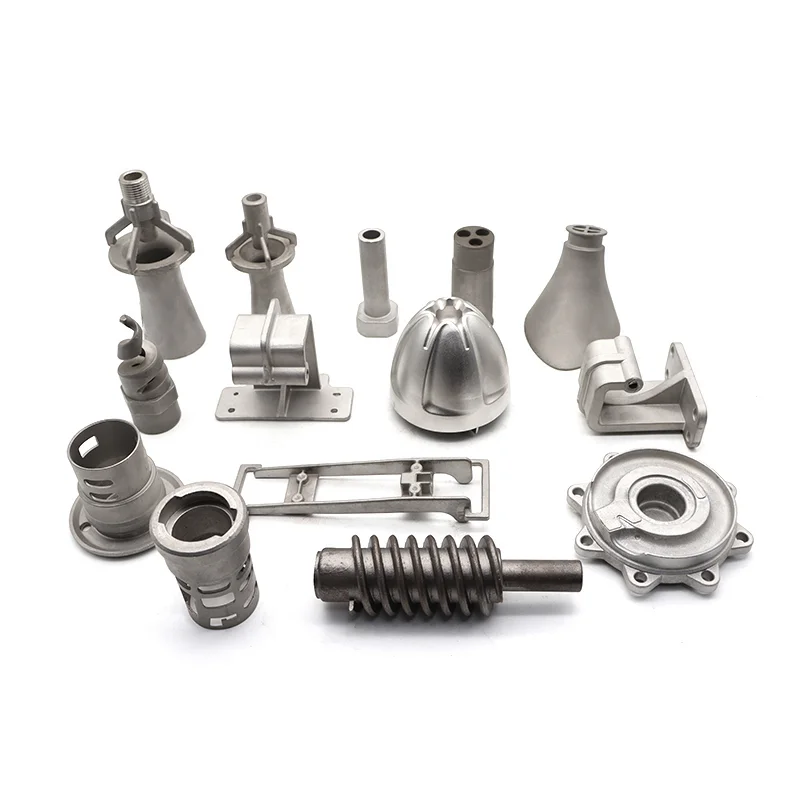
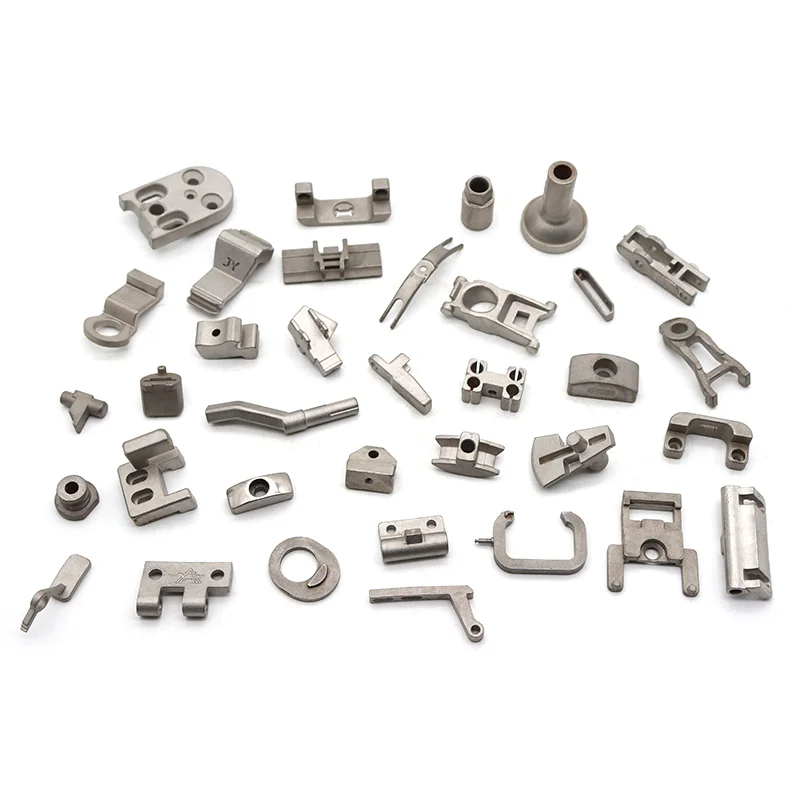
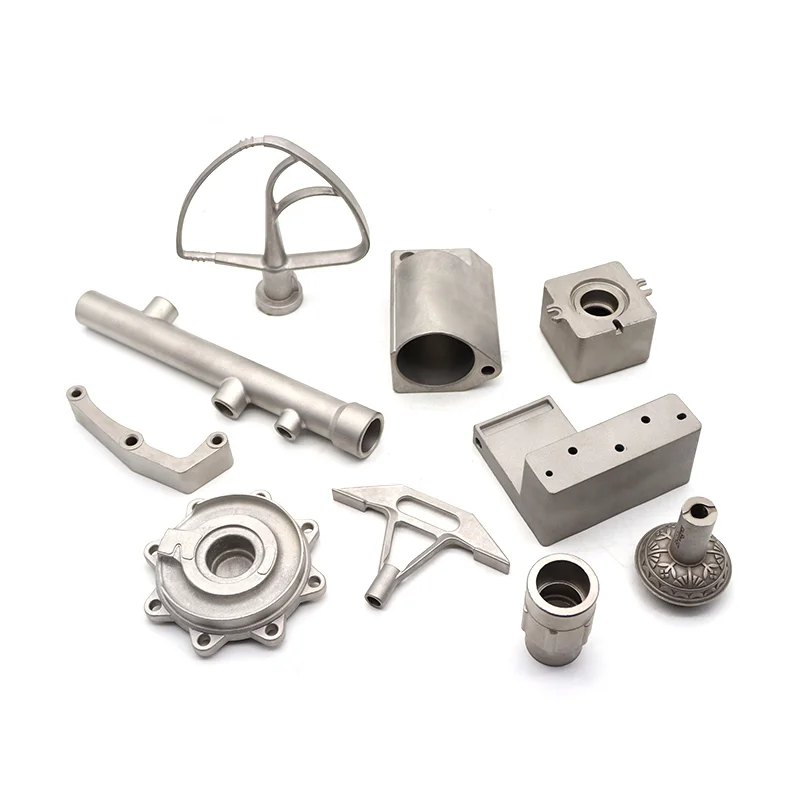
Aluminum and 316L stainless steel are material directions for custom OEM casting inquiries. Lost-wax investment casting is a manufacturing direction to review for the chosen component, with any die-cast request defined separately for its material and geometry. Secondary work includes deburring, drilling and threading.
Two materials with a defined casting route
Choose the actual aluminum alloy or the 316L stainless-steel component before agreeing the process. The route should address the part's geometry and the requirements of the selected material. This gives the casting inquiry a precise scope without assuming that every material uses the same process or that a general casting name configures the finished part.
- Material choice
- Identify the actual alloy or 316L requirement.
- Route choice
- Confirm the process for that material and drawing.
Drawing size, drilled holes and threads
Size follows the customer's 3D drawing, while tolerances follow the drawing request and standards follow the client specification. Define the cast form and the edges, holes and threaded features requiring further work. Deburring, drilling and threading can then be reviewed against the same geometry and acceptance requirements.
Customized appearance and full inspection
Surface treatment follows the customer's demand, and color can be customized. Select those requirements for the actual material and identify the visible and mating surfaces they affect. Quality control includes 100% inspection; agree the material, dimensional, thread and appearance checks needed for the component. The resulting OEM inquiry connects material and route selection with the secondary work and finish that the particular part requires.








