OEM Aluminum/Iron/Steel Precision Casting | Investment/Lost-Wax, Sand-Mold, Die/Pressure, Gravity & Continuous
Let’s define your requirement
Send a product link, drawing or short brief. We’ll work through the details with you.
- Confirm the specificationGrade or model, size and intended use.
- Define your orderQuantity, finish or configuration, and samples.
- Agree the quotation scopeIncluded work, key checks and delivery needs.
-
Surface FinishPainted , Powder Coated
-
NameCasting Services
-
MaterialAluminium,Iron,SteelDimensionsCustomer Required
-
Surface treatmentPaint/Powder coating/oxidation etcMold makingBy Ourself
-
PackingCarton & Wooden, Box & PalletProduction processDie casting / Investment Casting / Lost Wax Casting
-
SoftwarePRO/E, Auto CAD, Solid Works, UG, CAMOEMJust give us your sample, drawing or ideas
-
CertificateCE, TUV, SGS or as your requirement to do test by the third party
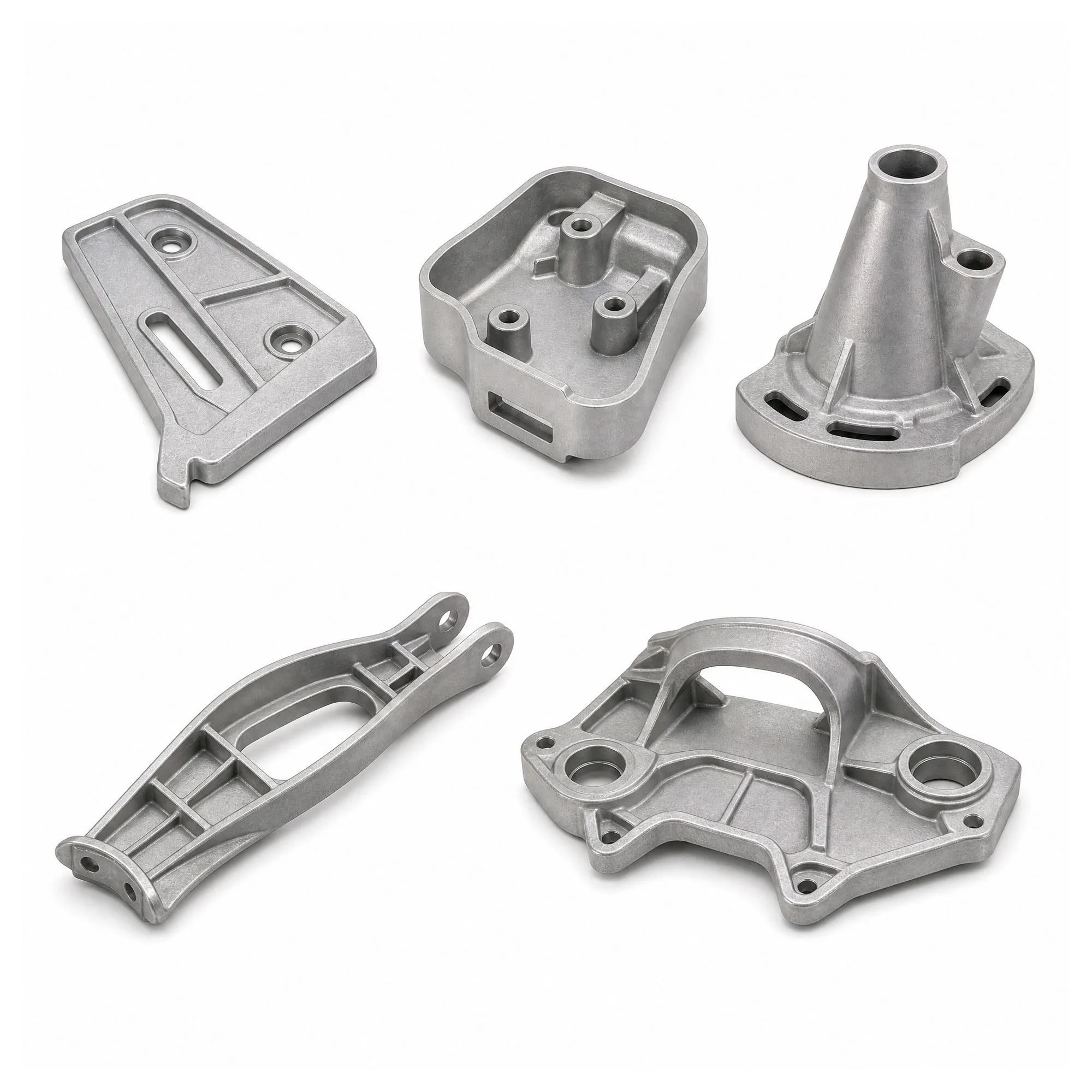
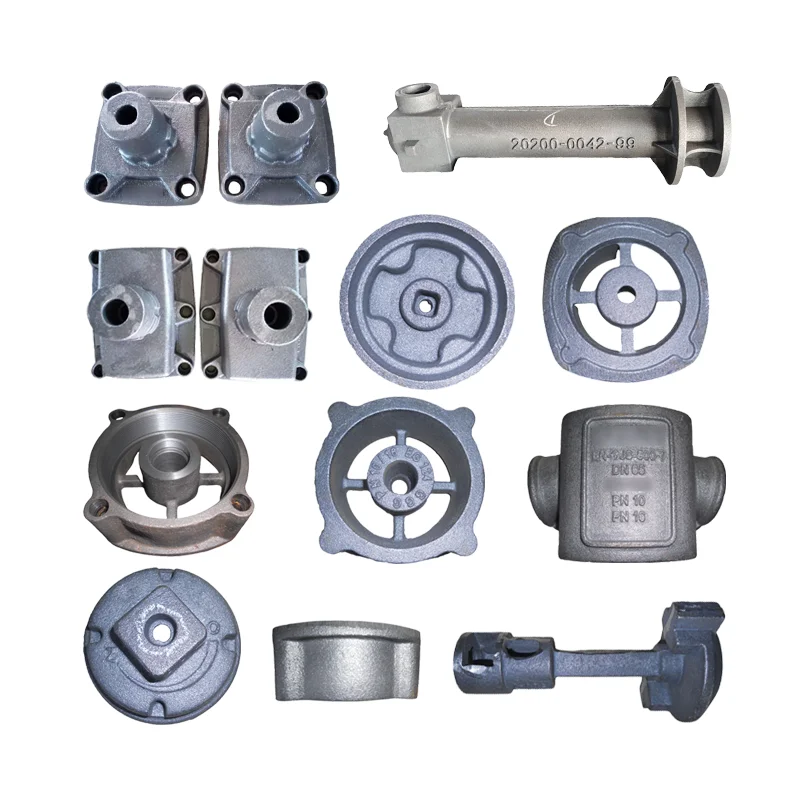
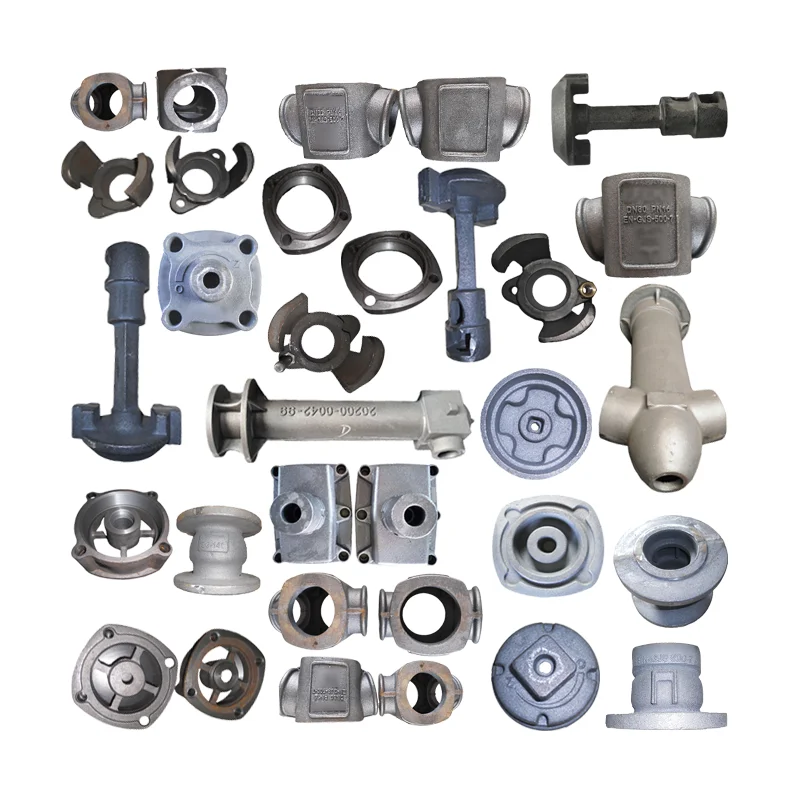
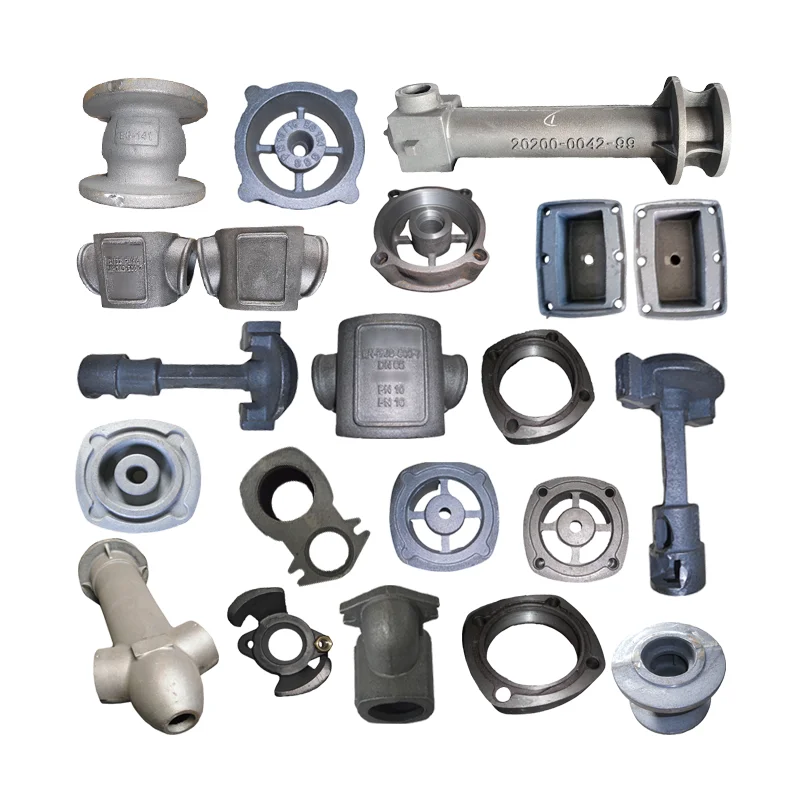
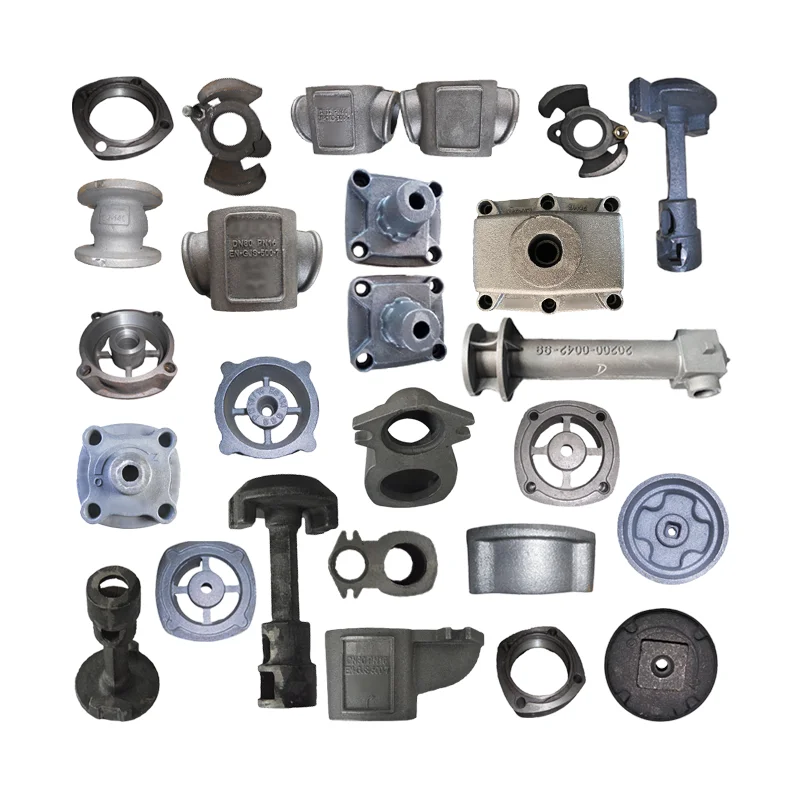
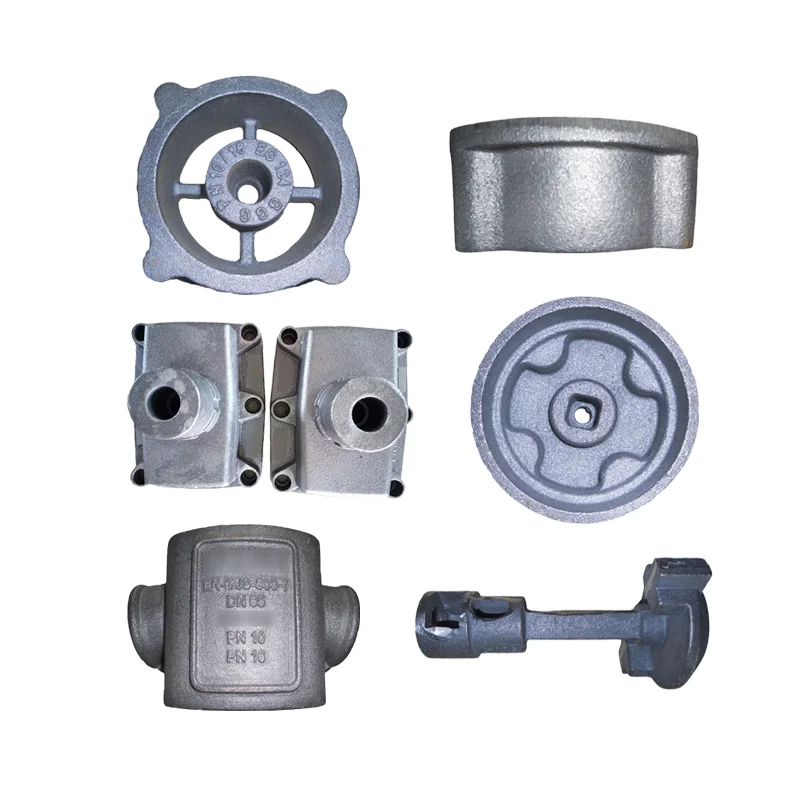
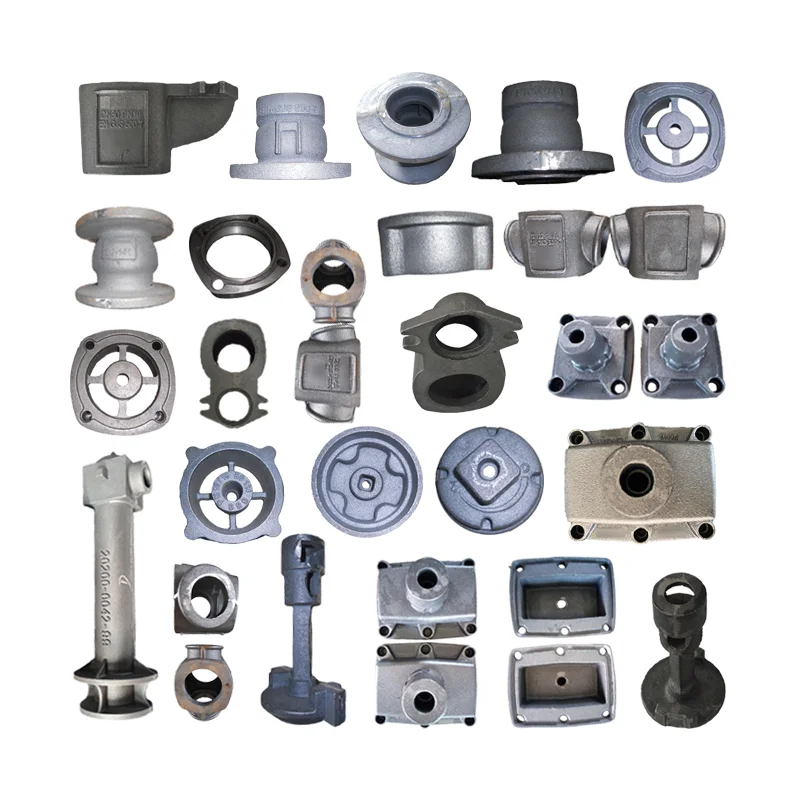
OEM casting services offer aluminum, iron and steel material directions with mold-making support and customer-required dimensions. Precision investment/lost-wax, sand-mold, die/pressure, gravity and continuous casting are process directions. Begin the custom request with a reference sample, drawing or idea, then select the actual component and compatible material-route combination.
Develop the geometry and mold requirements
Engineering software support includes PRO/E, Auto CAD, Solid Works, UG and CAM. Use the component definition to agree its dimensions, required tolerances and mold-making scope. A reference sample or idea is an input to this discussion; define the resulting geometry before setting the casting requirements for the chosen aluminum, iron or steel grade.
Select the applicable casting route and finish
The casting-method choices need to be matched to the selected metal and part geometry. Identify the route and the requirements that govern its dimensional acceptance rather than treating every process as interchangeable across materials. Painting, powder coating and oxidation are surface choices, with the applicable treatment and required result agreed for the actual component.
Specify the requested third-party testing
Third-party testing can be arranged according to requirements. Define the object to be tested, the methods and the acceptance criteria, including the records needed to evaluate the result. Connect that test scope to the component's material, dimensions and surface treatment so the requested evaluation addresses the actual custom casting and its intended requirements.