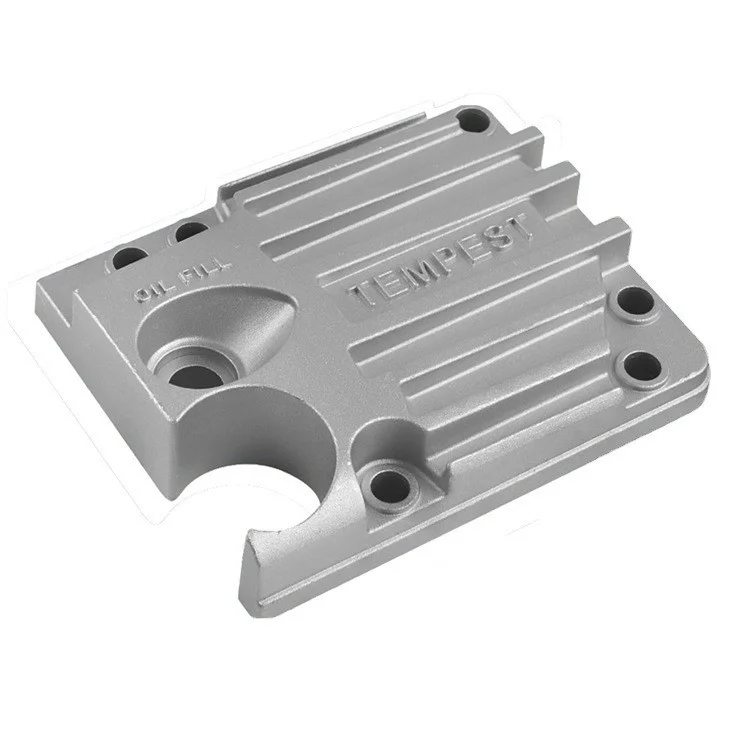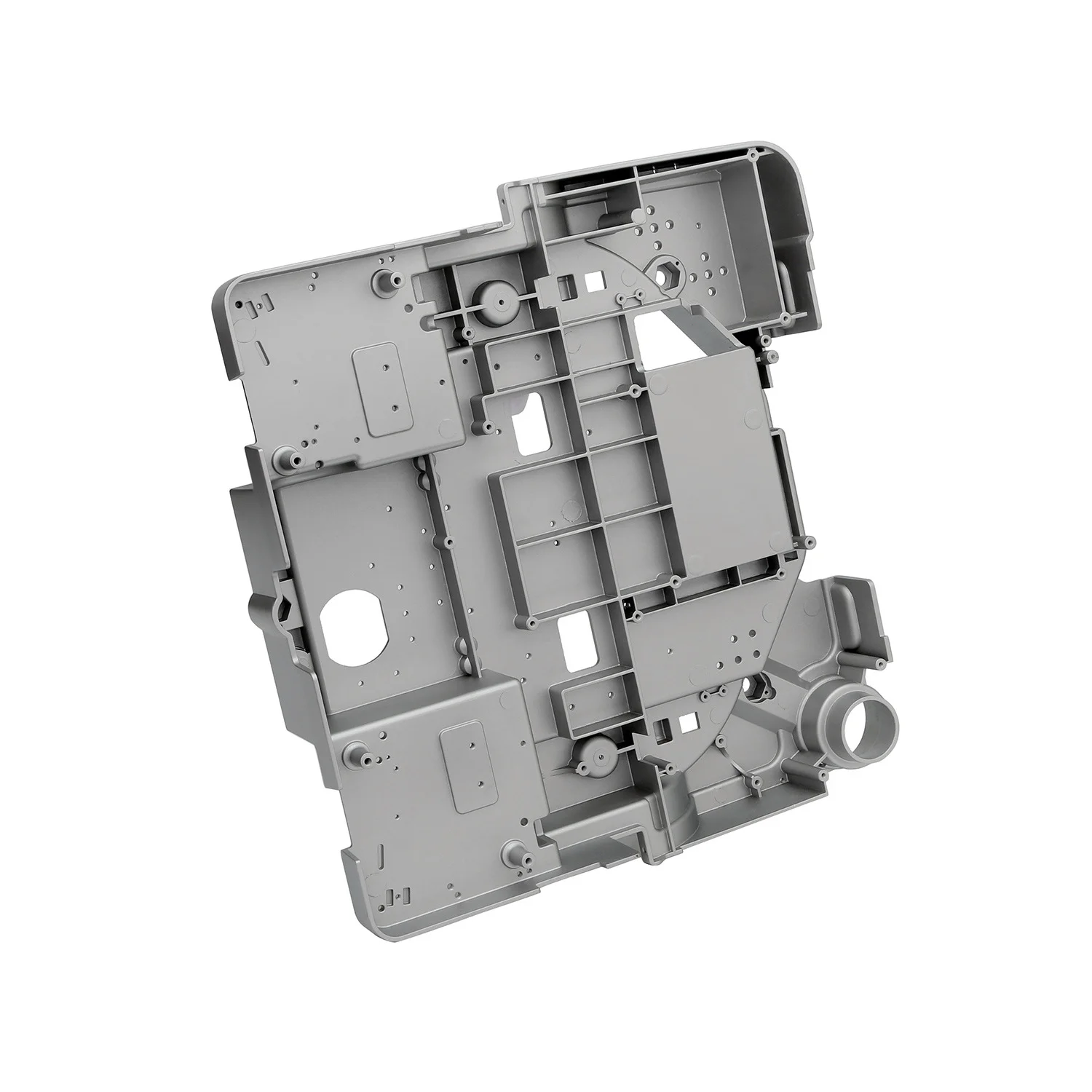
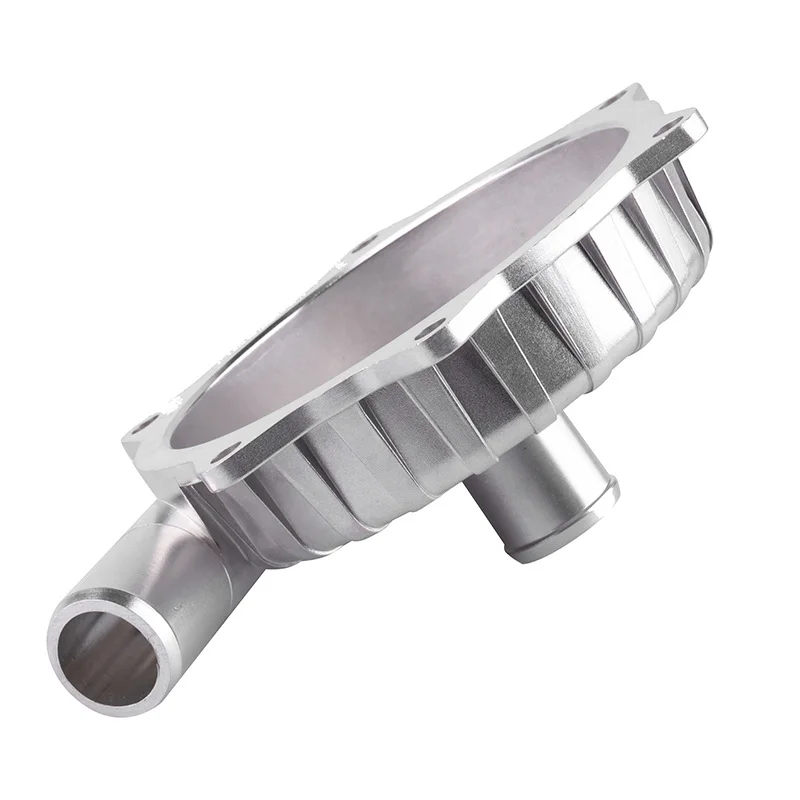
OEM Aluminum Cold Chamber Die Casting Molds and Parts | ADC12, A380, Zamak and Magnesium Enquiries
Let’s define your requirement
Send a product link, drawing or short brief. We’ll work through the details with you.
- Confirm the specificationGrade or model, size and intended use.
- Define your orderQuantity, finish or configuration, and samples.
- Agree the quotation scopeIncluded work, key checks and delivery needs.
-
Surface FinishPowder Coated , SandblastedAlloy GradeA380 , ADC12
-
Surface TreatmentSandblasting ,Powder Coating, Painting, Anodizing
-
MaterialsAluminum Alloys ADC12,A380, Zinc Alloys Zamak 3/5
Specify an aluminum die-casting or mold project with the intended alloy and finished condition clear at the enquiry stage. The service identifies aluminum cold-chamber die casting, with ADC12 and A380 aluminum and Zamak 3 or 5 zinc-alloy material requests.
Choose the alloy and identify the requested item
State whether the enquiry concerns an aluminum component, a casting mold or a separate zinc-alloy part. ADC12 and A380 are the named aluminum choices, while Zamak 3 and 5 are zinc-alloy choices. Select the actual grade for the requested item rather than treat the four names as interchangeable materials.
Agree a route for each material project
The aluminum cold-chamber direction should be connected to the selected aluminum grade and component geometry. Zamak and magnesium casting enquiries need their own alloy and route agreement. Provide the part or mold dimensions and required acceptance before treating a broad service title as a complete manufacturing plan.
Specify the surface condition for the selected metal
Sandblasting, powder coating, painting and anodizing are the surface choices. Identify which finished condition the component requires and confirm the suitable treatment for the chosen material. Keep that decision with the same component definition used for the casting enquiry, so the requested appearance and acceptance are clear.
A practical request brings three decisions together before the proposed scope is approved. Describe the actual item and its acceptance requirements alongside these selections.
- Selected alloy and the required part or mold geometry.
- Agreed casting route for that material and project.
- Surface condition and finished-part acceptance.