
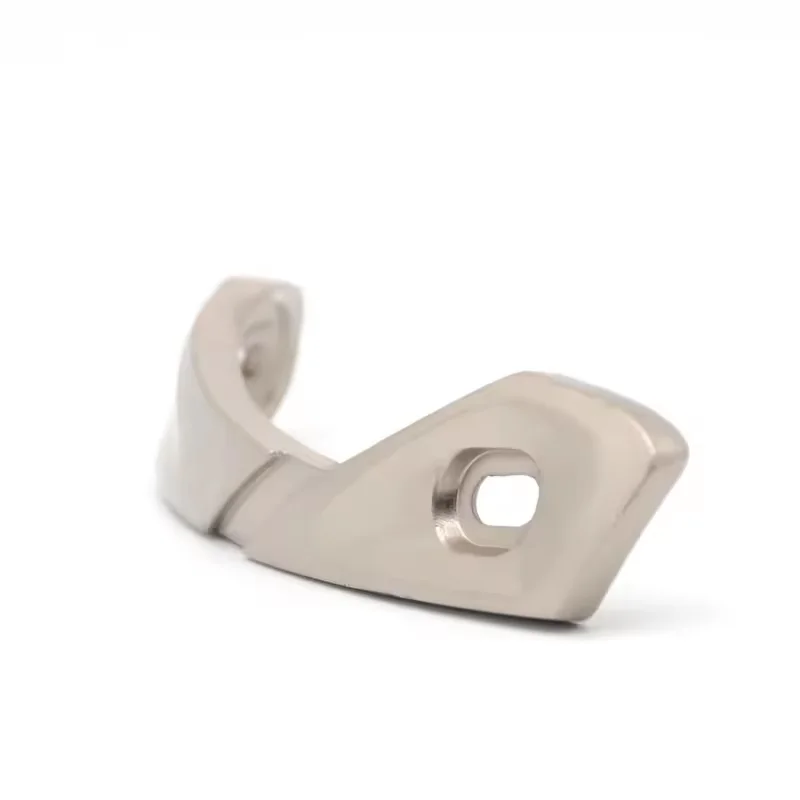
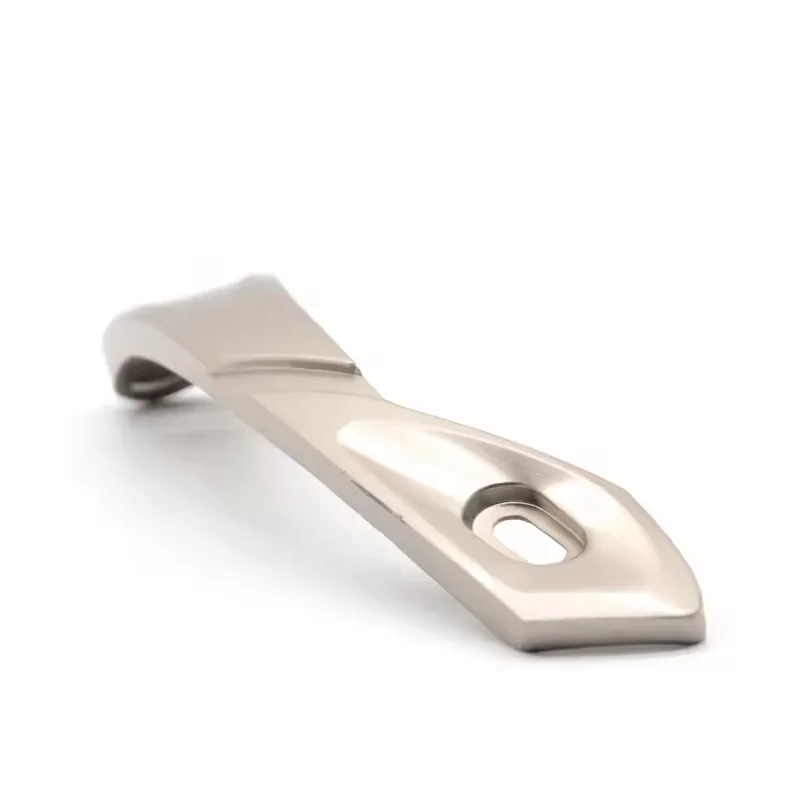
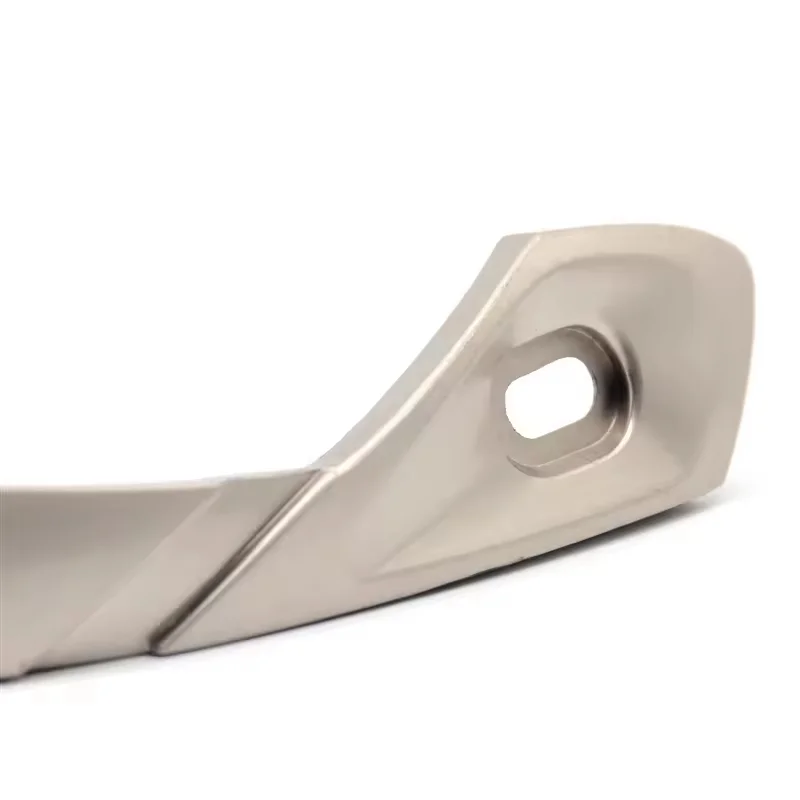
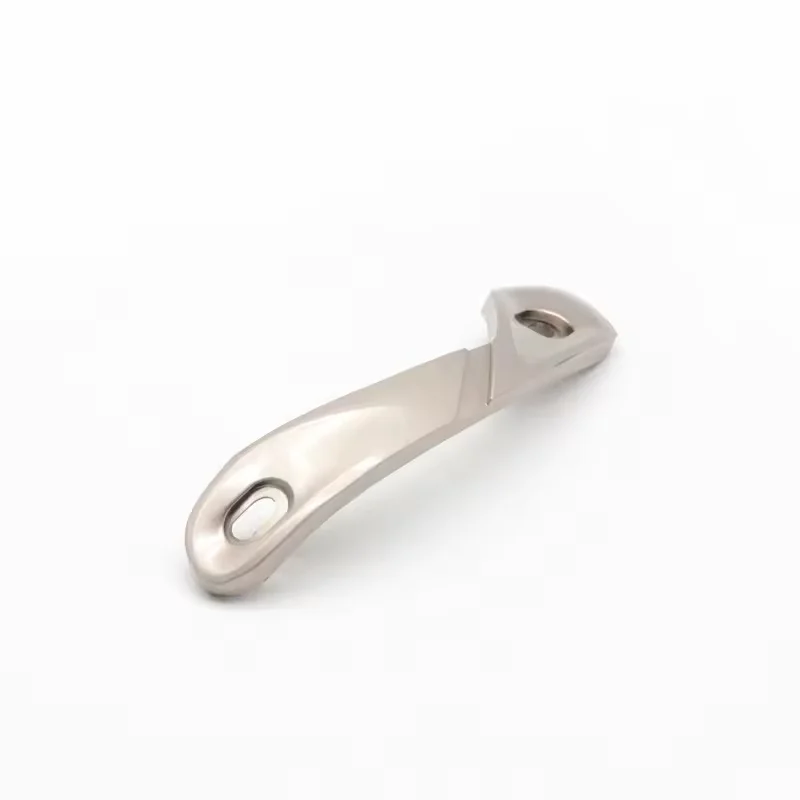
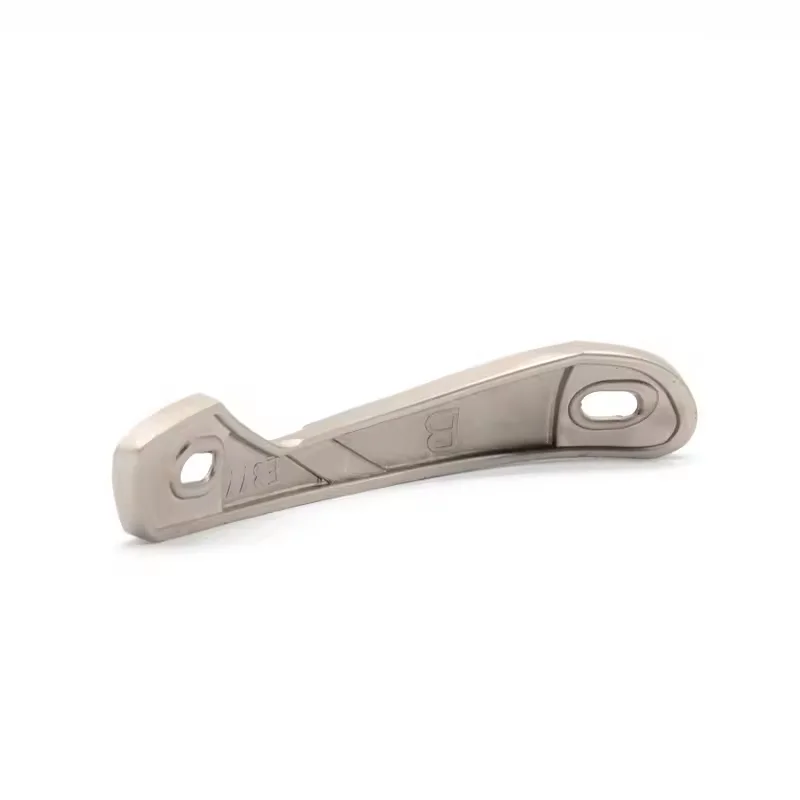
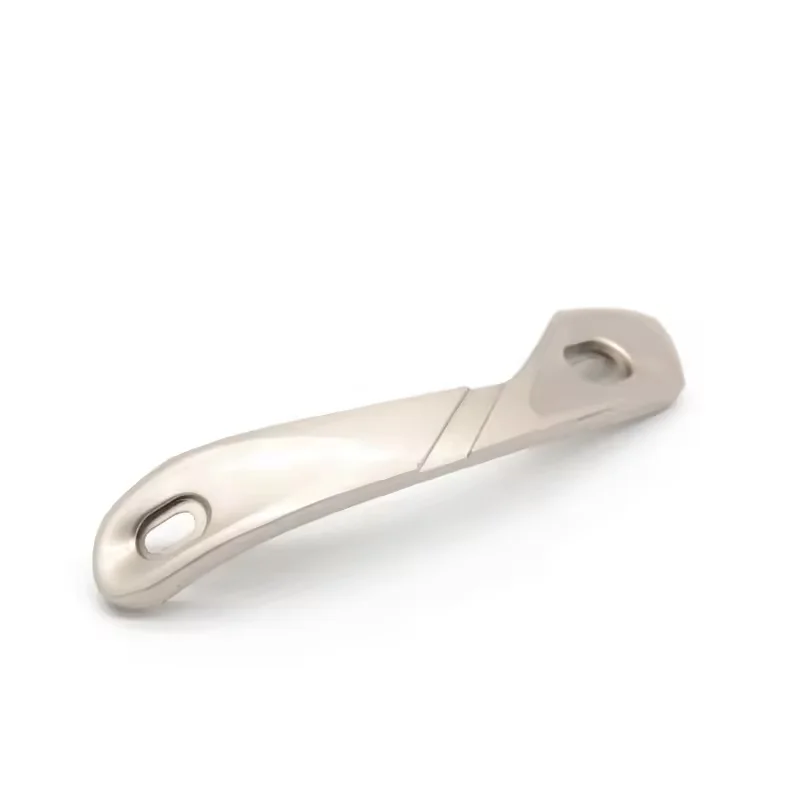
Non-Standard Aluminum Lost Wax Investment Cast Parts with CNC Machining and Anode Finish
Let’s define your requirement
Send a product link, drawing or short brief. We’ll work through the details with you.
- Confirm the specificationGrade or model, size and intended use.
- Define your orderQuantity, finish or configuration, and samples.
- Agree the quotation scopeIncluded work, key checks and delivery needs.
-
StandardNon-standard
-
MaterialAluminumHeat TreatmentNo
-
HardnessMaterial hardnessSurface treatmentAnode
-
Coat thcknessNoGradeA
-
ProcessLost wax investment casting+CNC machinedFunctionPull
-
StockNo
These non-standard aluminum parts combine lost wax investment casting with CNC machining. The surface treatment is designated Anode, and the stated condition is without heat treatment. The actual alloy, component shape and finish acceptance should be selected around the part being ordered.
Aluminum geometry and CNC detail
Use the component drawing to distinguish the cast form from the details that require CNC machining. Define the mating dimensions and the areas that govern fit in the intended assembly. Aluminum is the specified material for this request; a stainless steel alternative needs a separate material agreement before the design is approved.
Anode finish and material condition
Agree what the Anode surface treatment means for the selected aluminum part, including the required appearance and any coating measurement. Keep that finish requirement connected to the chosen alloy and final machined condition. If the design requires heat treatment or a measured hardness, define the required change and its acceptance rather than treating a general grade label as an engineering value.
Pull function and part approval
Where the component serves a pulling action, describe the actual function, mating geometry and load criteria. Those requirements help define which dimensions and material properties matter for the non-standard design. Approve the alloy designation, cast and CNC geometry, surface treatment and material condition as one component requirement. Resolve the pulling duty and finish measurements before relying on the part for the intended assembly.








