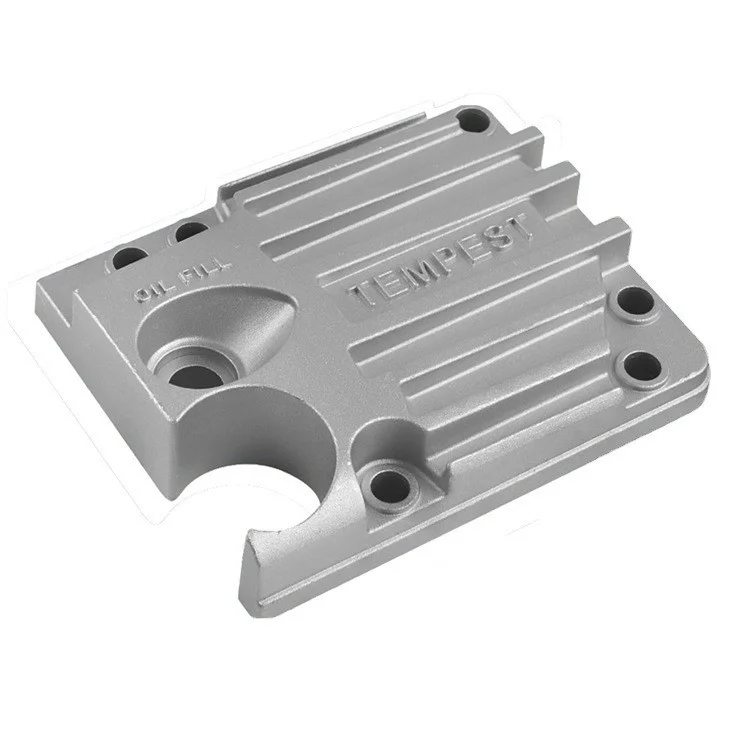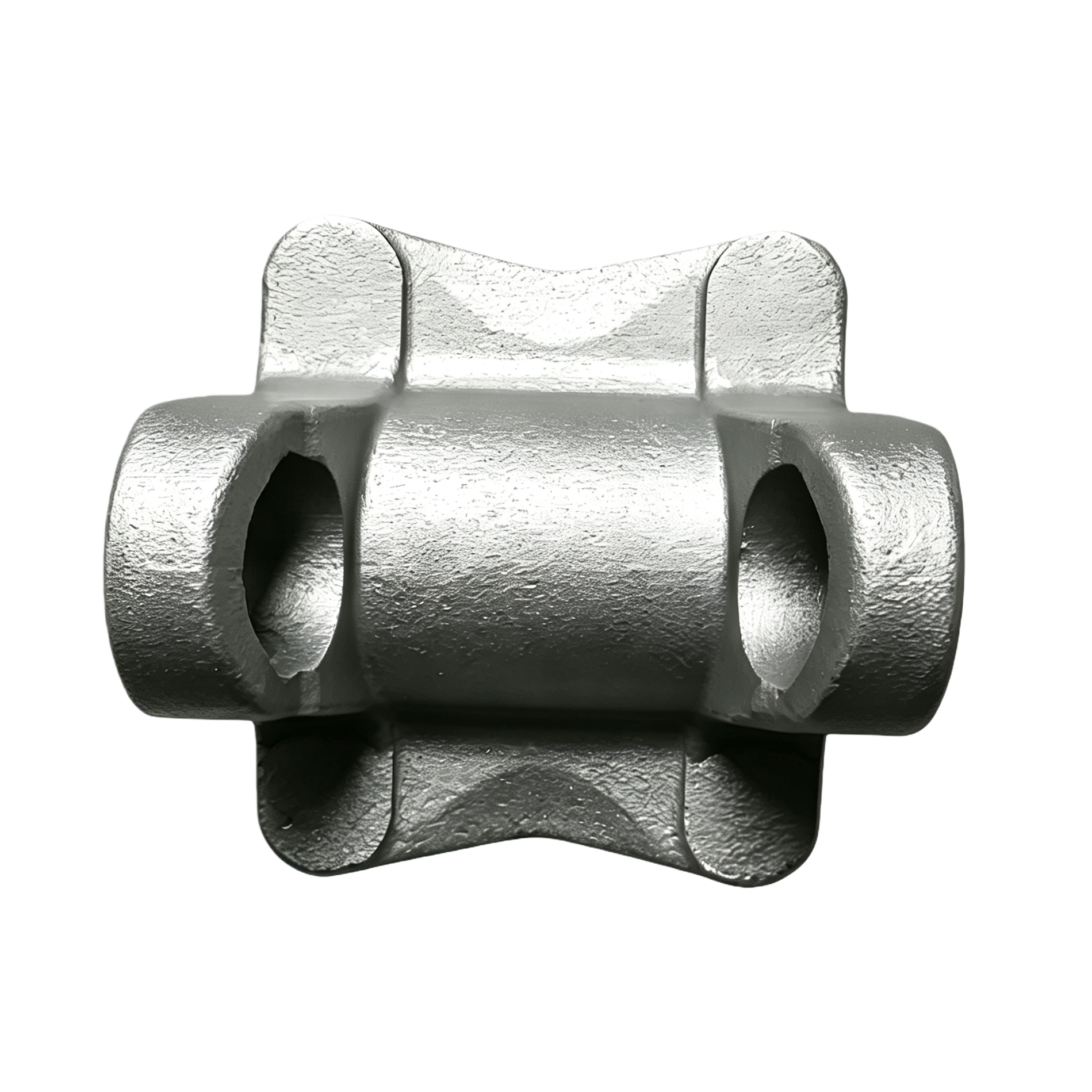
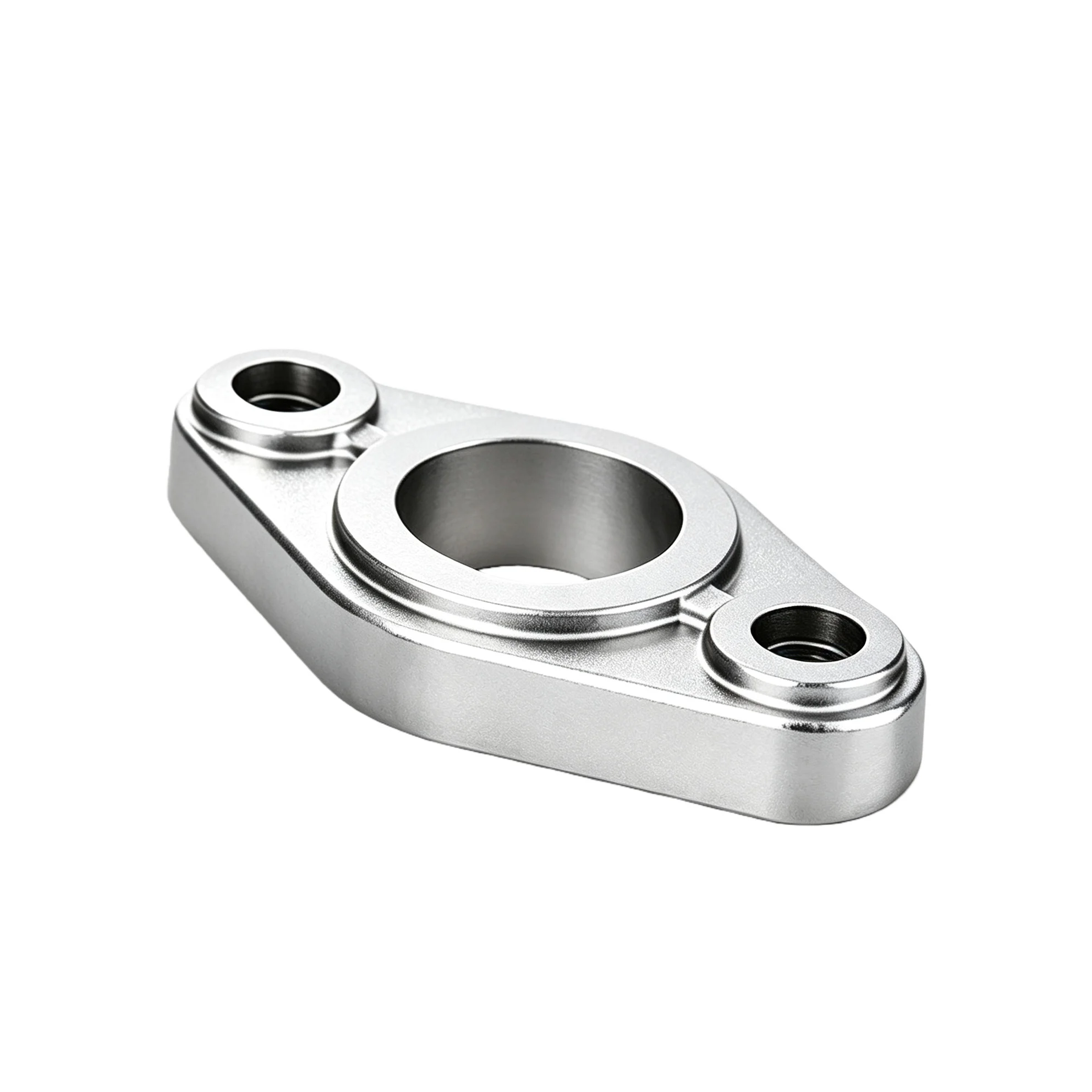
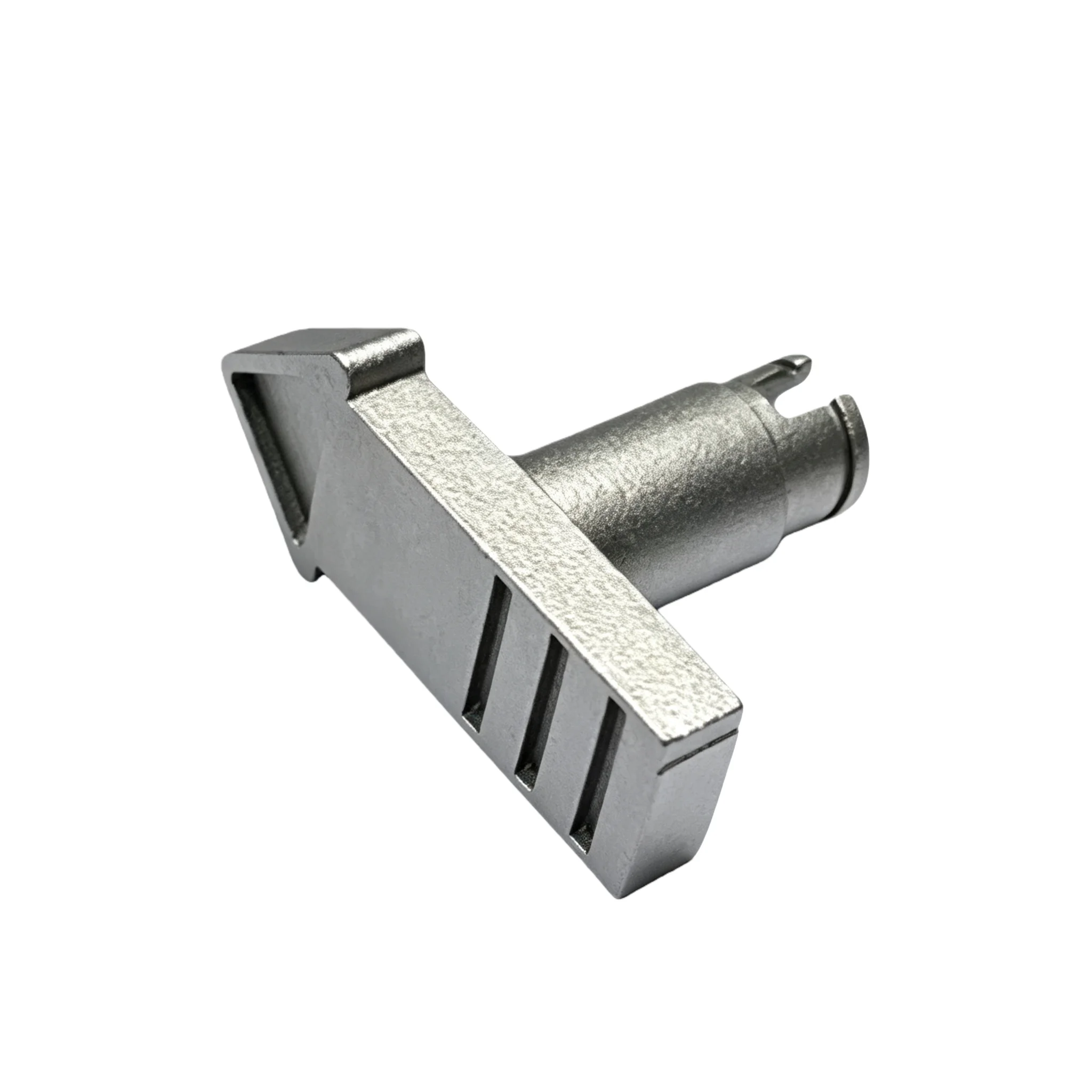
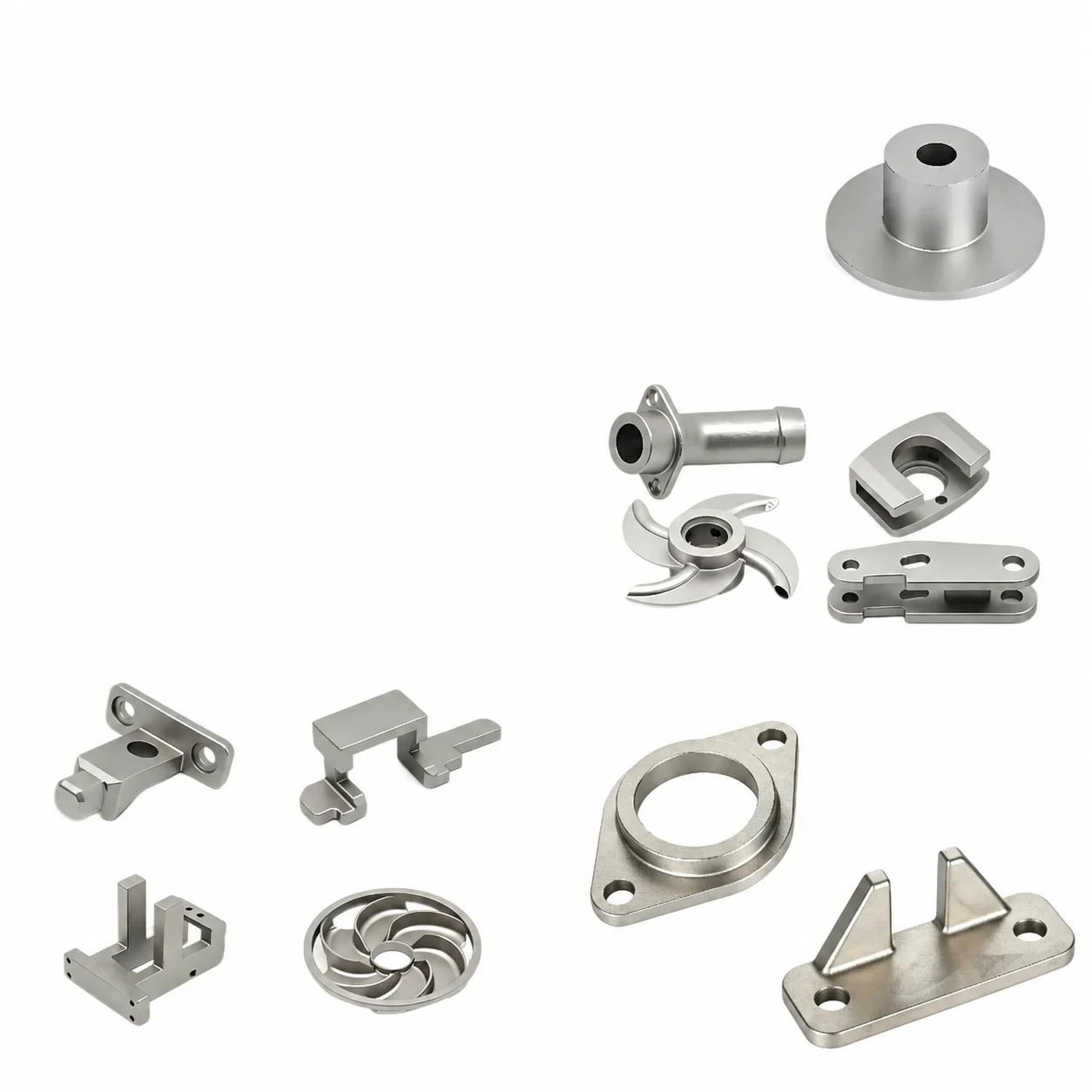
Metal Casting Service for Iron, Aluminum and Stainless Steel with Vacuum Investment and Lost Wax Processes
Let’s define your requirement
Send a product link, drawing or short brief. We’ll work through the details with you.
- Confirm the specificationGrade or model, size and intended use.
- Define your orderQuantity, finish or configuration, and samples.
- Agree the quotation scopeIncluded work, key checks and delivery needs.
-
Surface FinishAnodized , Polished
-
Surface TreatmentGrinding/Polishing/Anodizing/Galvanizing/DeburringMaterialsStainless Steel/Aluminum Alloy/Carbon Steel
-
Processable MaterialsCast Iron/ Copper AlloySurface FinishingPassivation/Degreasing & Oil Removal/Electroplating/Pickling
Metal casting and finishing enquiries can cover stainless steel, aluminum alloy and carbon steel, with cast iron and copper alloy among the processable materials. The component drawing and selected metal provide the starting point for agreeing the casting route and the required sequence of surface work.
Define the vacuum investment or lost wax scope
Identify the material grade, part geometry and required process conditions for the casting proposal. Vacuum investment and lost wax requirements should be matched to the selected component and material. Include the dimensional acceptance and intended service so the proposed route can be evaluated against the part you need.
Prepare the surfaces for mechanical finishing
Grinding, polishing and deburring are treatment choices to specify for the relevant areas of the part. Mark the surfaces associated with appearance or fit and define the required finished condition. Relating those areas to the drawing helps establish how finishing will be checked alongside the component dimensions.
Select chemical and coated treatments by metal
Anodizing, galvanizing and electroplating requests require a confirmed material and treatment combination. Passivation, degreasing and oil removal, and pickling can also be discussed within the finishing scope. Specify the surfaces, appearance or cleanliness requirements and the acceptance basis for each selected treatment, with the process sequence agreed for that metal.
Approve the sequence and finished condition
Review casting, surface preparation and final treatment together as the proposal for the supplied part. Identify any dimensions or surfaces that must be verified after finishing and the records needed to accept them. Agree the material, required surface condition and verification method before approval, so the manufacturing discussion results in a defined component and finishing scope.