
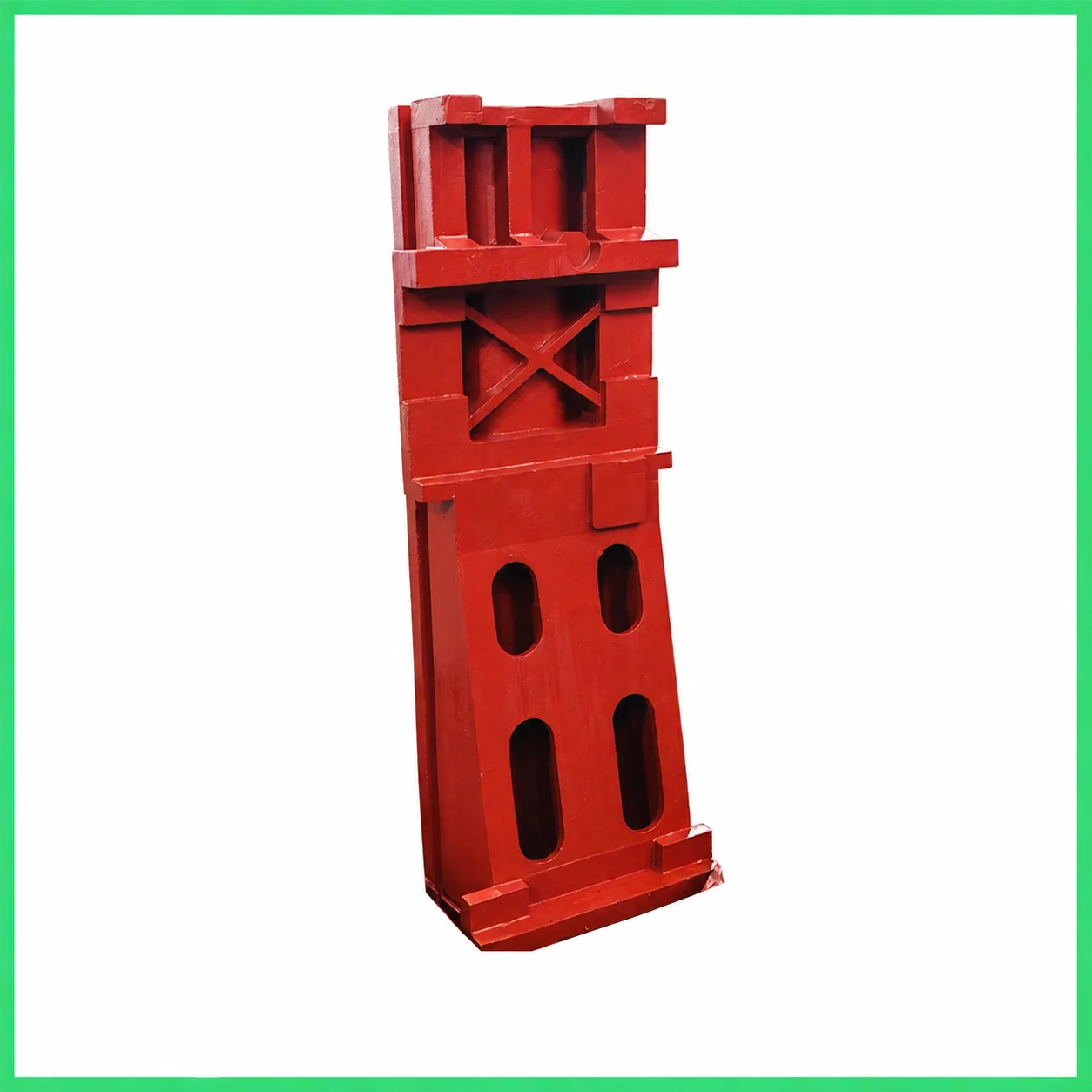
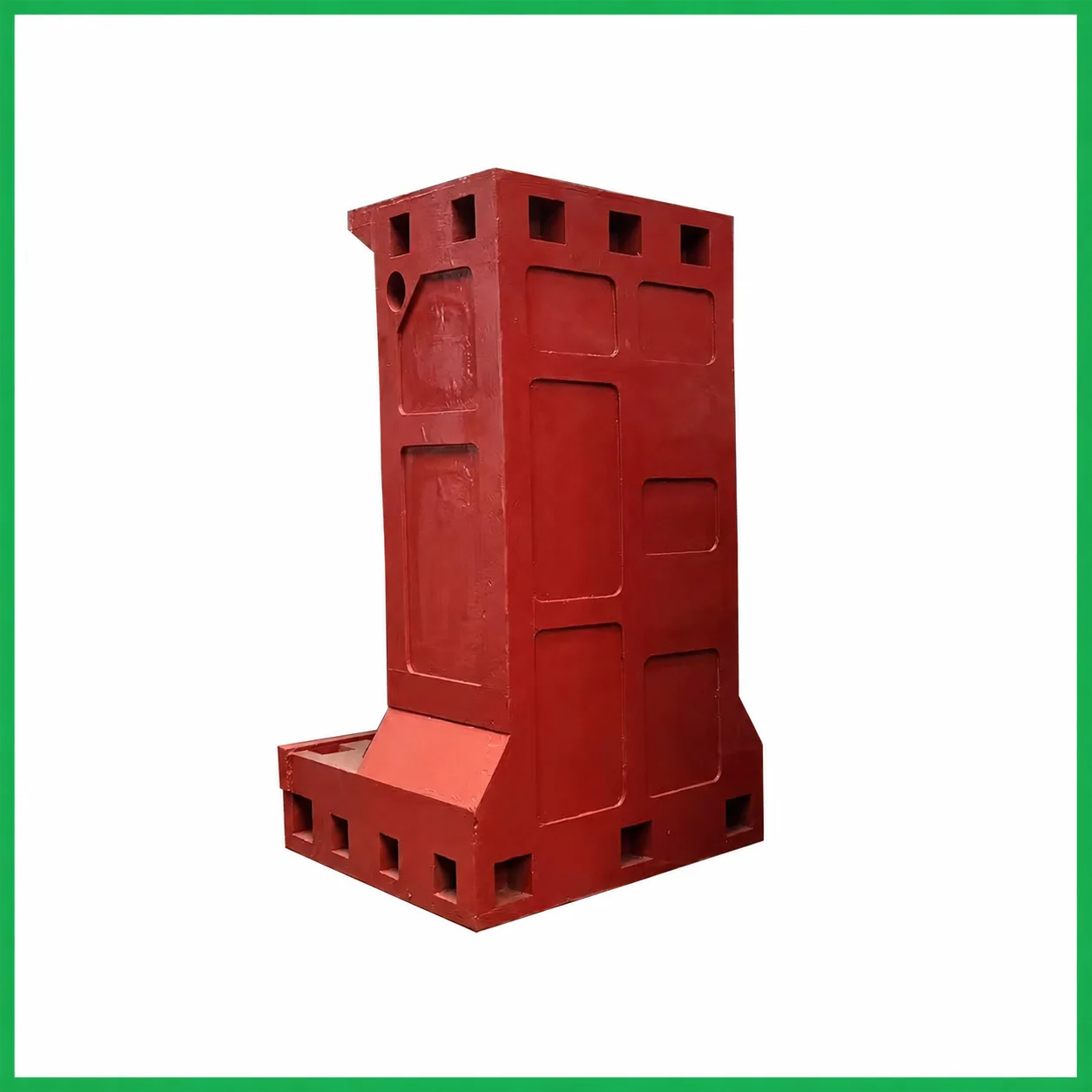
Large Heavy Custom Gray Iron, Ductile Iron, Carbon and Alloy Steel Castings with Machining
Let’s define your requirement
Send a product link, drawing or short brief. We’ll work through the details with you.
- Confirm the specificationGrade or model, size and intended use.
- Define your orderQuantity, finish or configuration, and samples.
- Agree the quotation scopeIncluded work, key checks and delivery needs.
-
Surface FinishShot Blasted
-
MaterialCast Iron, Cast Steel, Alloy Steel etc.
-
Surface treatmentShot BlastingProcessCasting +Machining(if Need)+surface Treatment
-
ServiceOEM\ODMQuality Control100% Inspection
-
PackingWooden CaseMOQ1 Piece
-
Drawing Format2D/3D/CAD/DWG//STEP/PDF/IGSLead Time30-45days
-
WeightUp to 100tons
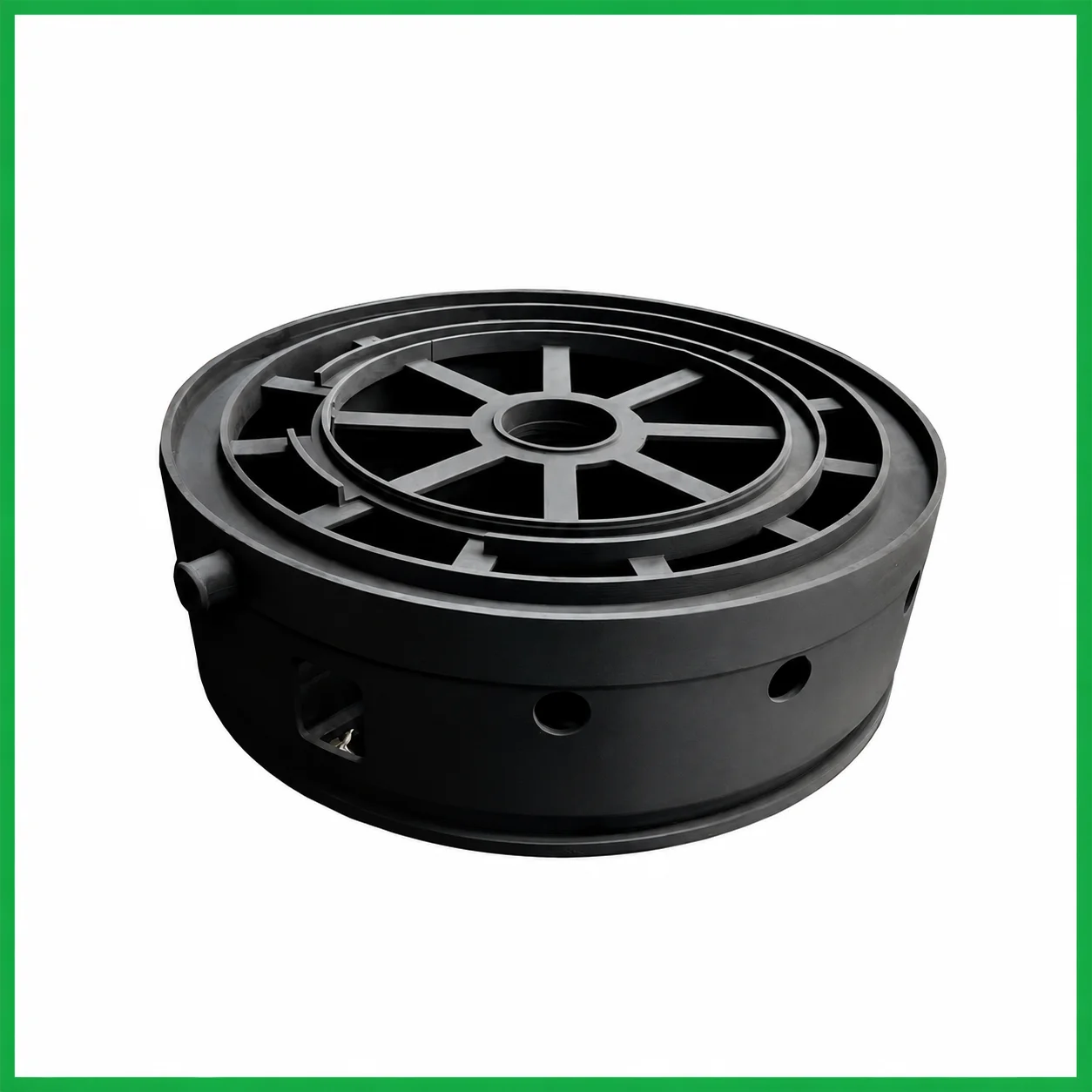
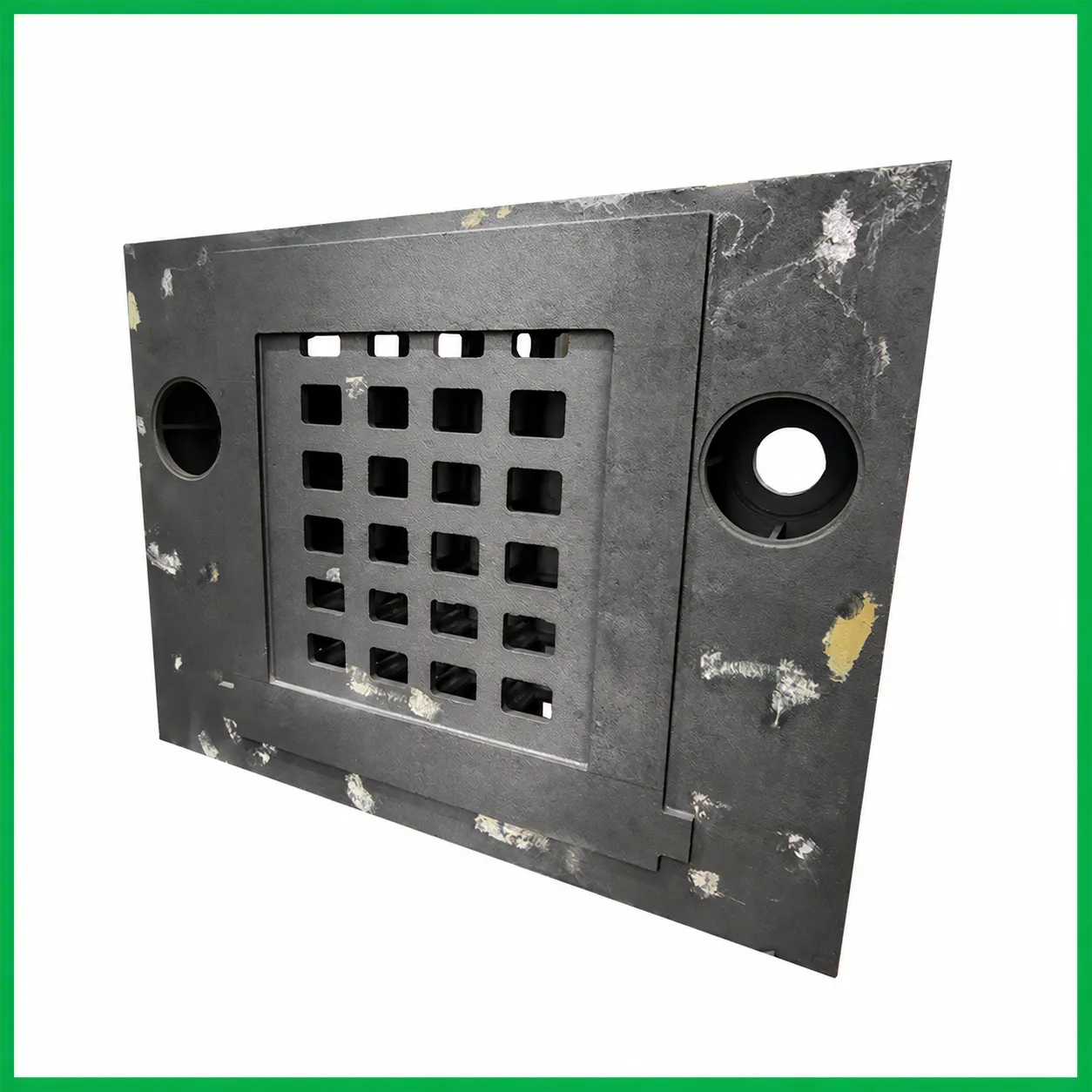
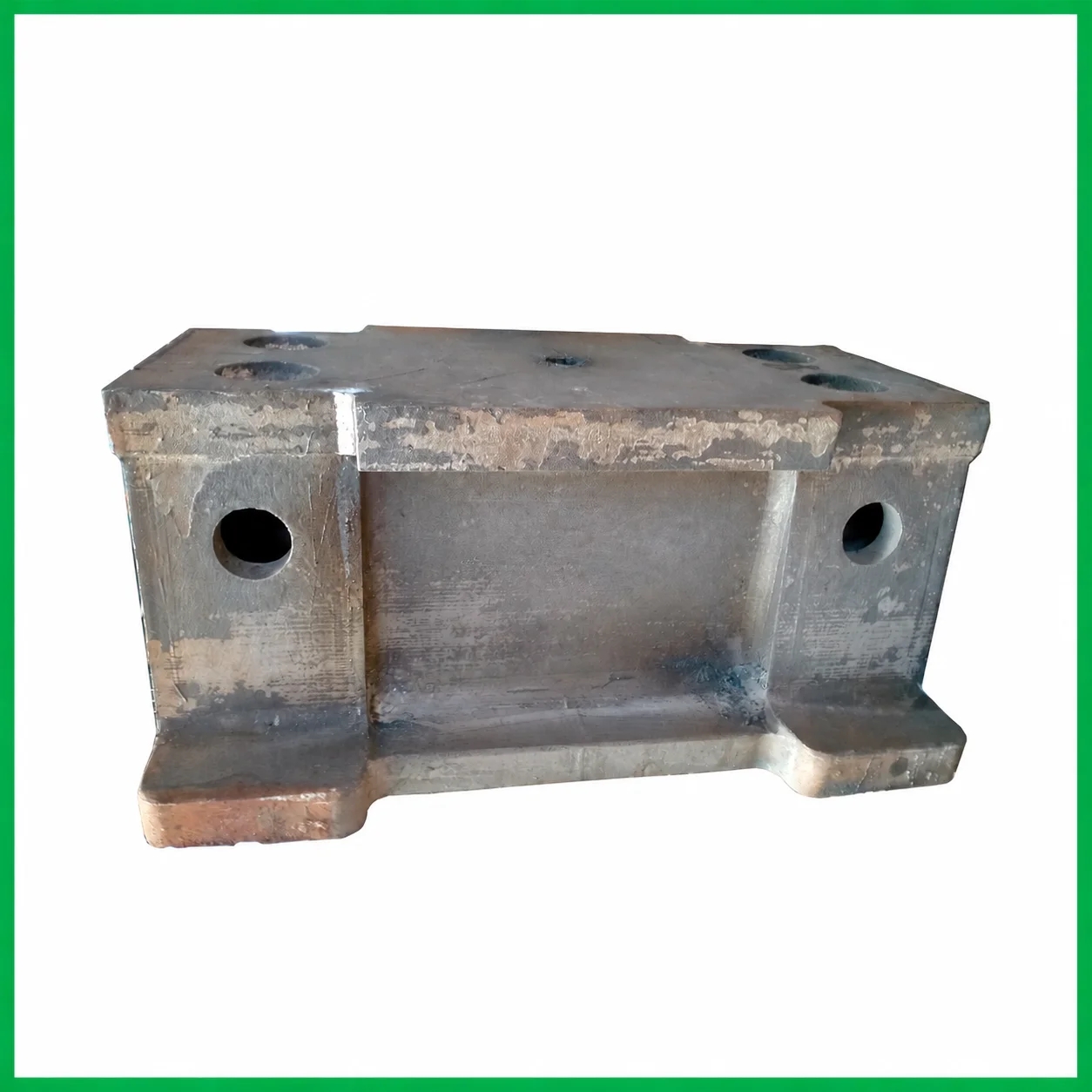
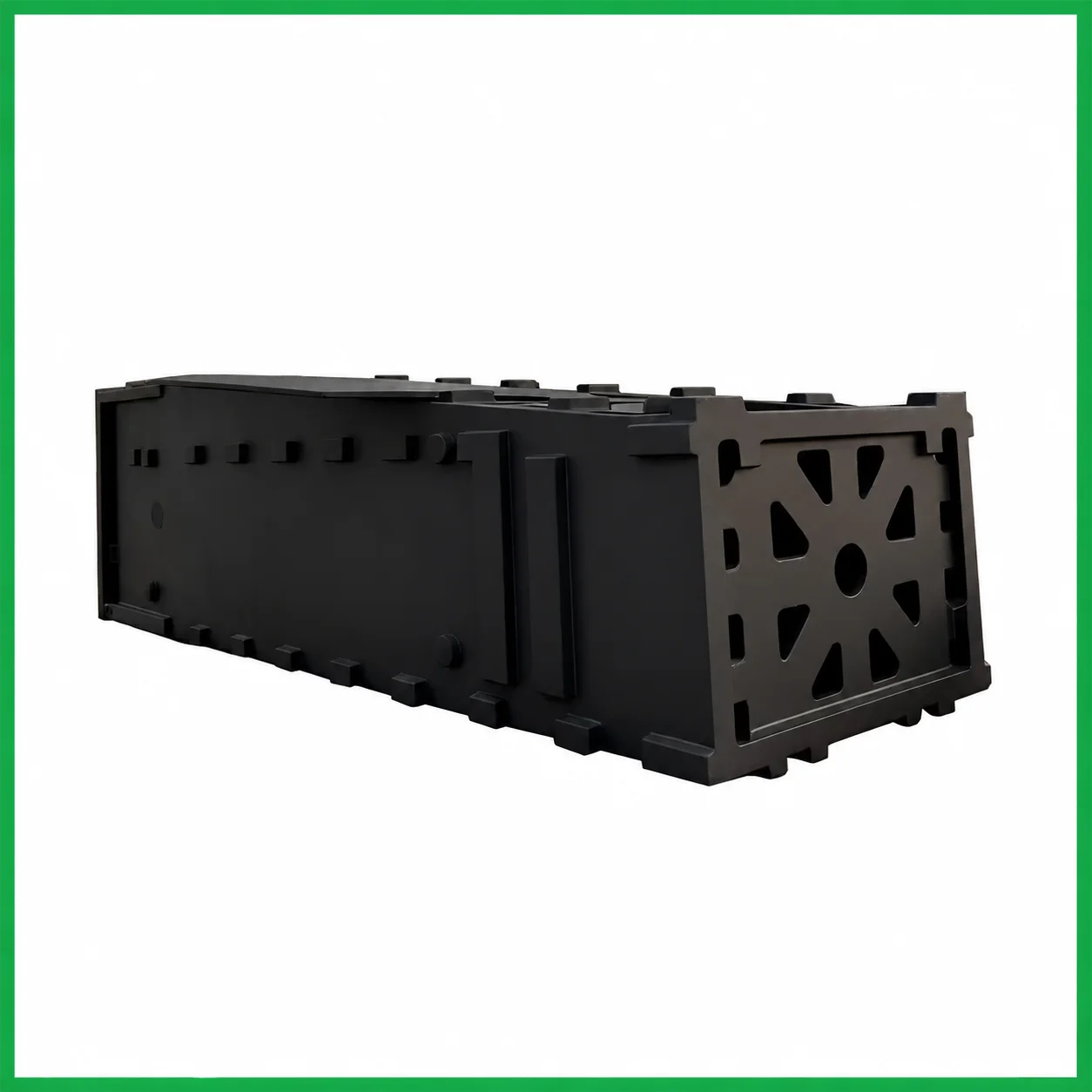
Large and heavy custom casting enquiries cover gray iron, ductile iron, carbon steel, cast steel and alloy steel. OEM/ODM service combines the casting work with machining when needed and shot blasting as the surface treatment. The selected material and component geometry establish the requirements for the foundry enquiry.
Define the heavy component and its envelope
Identify the exact material grade and the geometry required for the part. Its overall dimensions and component interfaces should be clear enough to discuss the selected casting envelope. Relate those requirements to the intended finished condition rather than relying only on the large or heavy description. This gives the custom foundry service a specific component to evaluate.
Connect the drawing to machining and shot blasting
Design inputs include 2D/3D geometry in CAD, DWG, STEP, PDF and IGS. The drawing should identify areas requiring machining and the dimensions expected after that work. Shot-blasted surfaces should also have an agreed condition for the selected part. Keeping these requirements in one component definition helps connect the cast form, secondary operations and final surface.
Set acceptance for the ordered casting
The heavy casting components are included in 100% inspection coverage, with actual methods and criteria established for their dimensions and finish. Define the checks needed on cast areas, selected machined interfaces and treated surfaces. The material standard, component geometry and inspection requirements should describe the same finished part. Together they provide a practical basis for reviewing the OEM/ODM casting enquiry and its required manufacturing scope.








