Durable Custom 304/316/316L Steel Investment Castings | CNC, CT4–8 and IT7
Let’s define your requirement
Send a product link, drawing or short brief. We’ll work through the details with you.
- Confirm the specificationGrade or model, size and intended use.
- Define your orderQuantity, finish or configuration, and samples.
- Agree the quotation scopeIncluded work, key checks and delivery needs.
-
Surface FinishPassivated , PolishedAlloy Grade316L , 316 , 304
-
ItemMetal Products Casting Services With Steel Alloy Metal Materials
-
MaterialSteel casting, or stainless steel 304, 316, 316L etc.Manufacturing ProcessInvestment casting, option Lost wax casting
-
Casting ToleranceCT4-8 for Steel Casting PartsMachining ProcessCNC Machining/ Lathing/ Milling/ Turning/ Boring/ Drilling etc.
-
Machining TolearnceUp to IT7, Ra 0.8~3.2 , according to customer requirementSurface TreatmentGalvanized, surface Passivatin, Polish. As customer request
-
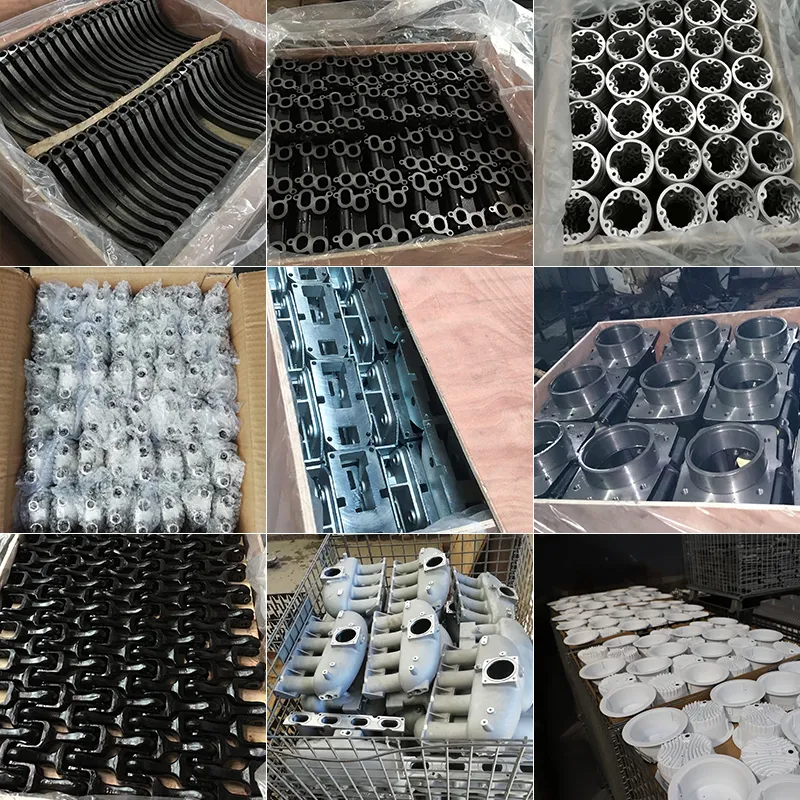
Package of Casting Steel partsMulti-layer wooden box/pallet, with big plastic bag insideLead Time45 days for Casting Services
-
Our ServiceCustom Make Casting Services
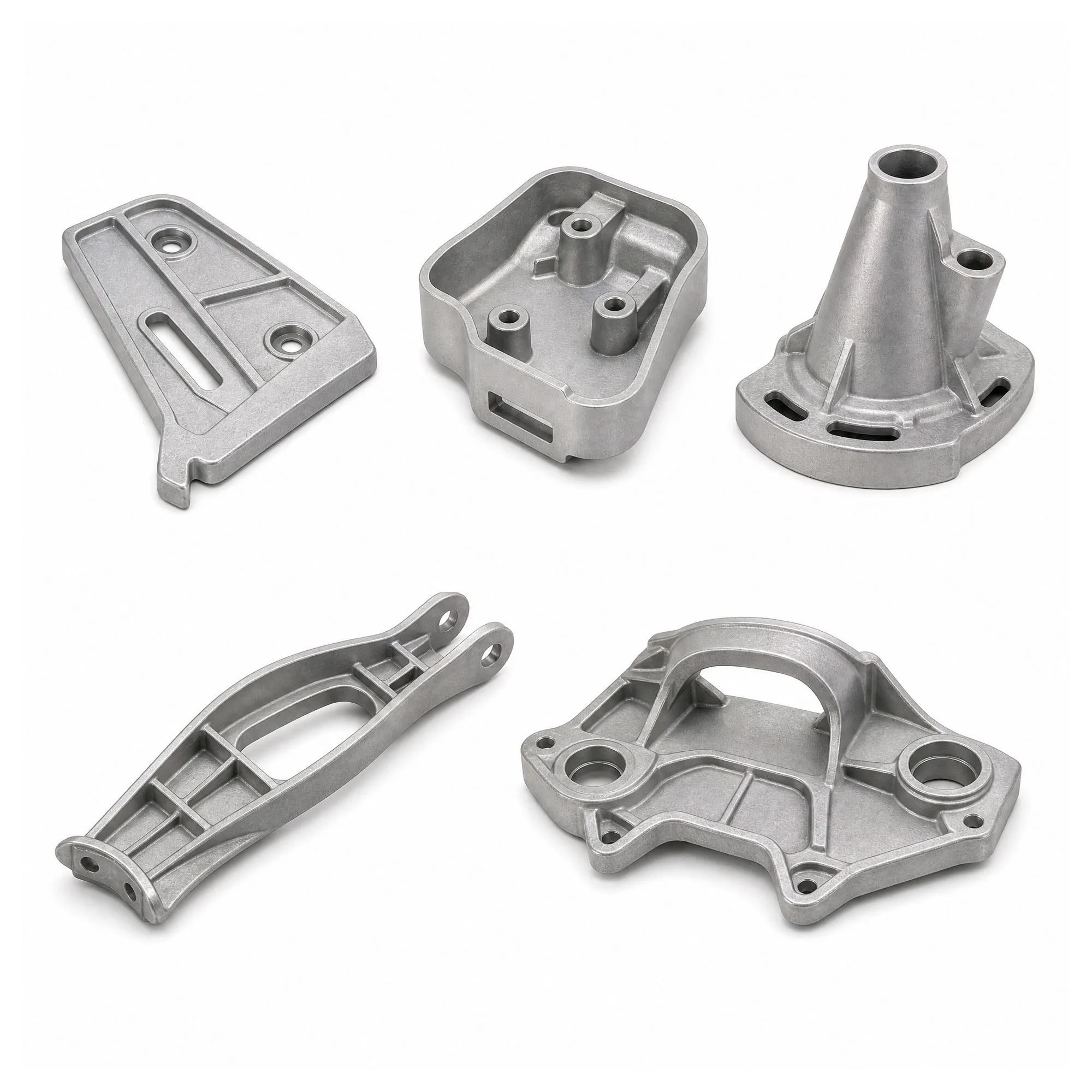
Custom industrial casting services offer durable steel and alloy-steel directions, including stainless steel 304, 316 and 316L. Investment casting with a lost-wax option is available. The technical references distinguish CT4–8 for steel casting parts from machining up to IT7 and Ra0.8–3.2 according to requirements.
Steel grade and durability requirements
Select the actual steel grade and define the industrial component's geometry and intended service. Durability is a qualitative direction for the casting service, so agree the characteristics and criteria that matter for the chosen part. Keep those requirements connected to the material and finished condition.
CNC operations and machining references
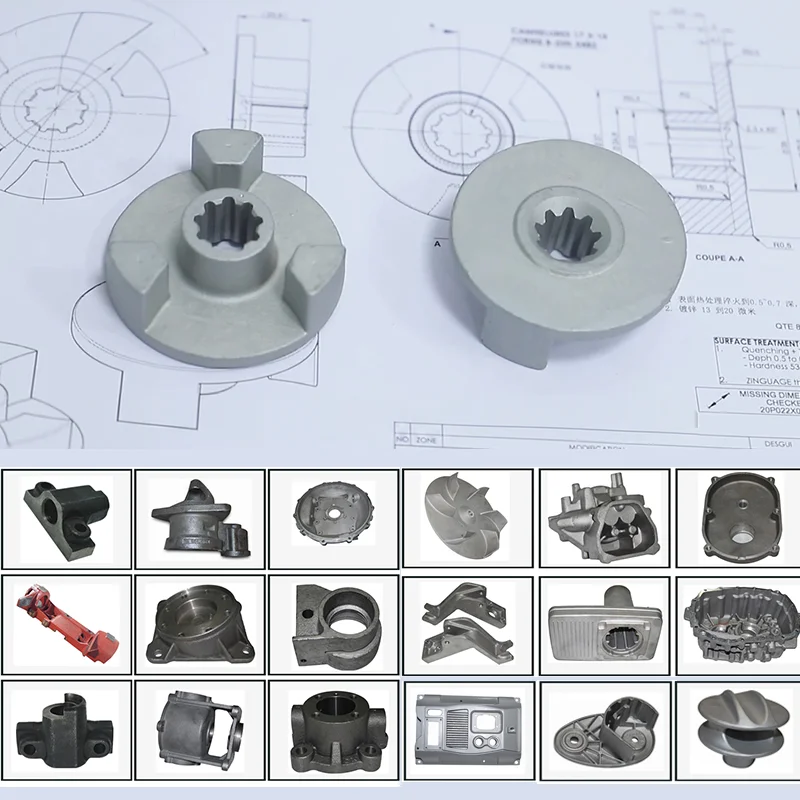
Machining support includes CNC machining, lathe work or turning, milling, boring and drilling. Identify the areas that require each operation and agree the applicable IT7 and roughness requirements for those features. Confirm the roughness units and acceptance criteria while retaining CT4–8 as the separate steel-casting reference.
Requested galvanizing, passivation or polishing
Galvanizing, passivation and polishing are available surface choices according to the request. Select the compatible treatment for the actual steel grade and identify the areas to be treated. Define the required surface condition alongside the cast and machined dimensional criteria.
For a focused industrial casting discussion, bring together the grade, durability requirements, casting geometry, CNC operations and finish selection. A clear relationship between these items supports review of the proposed steel component and the feature-specific acceptance required after casting, machining and surface treatment.