
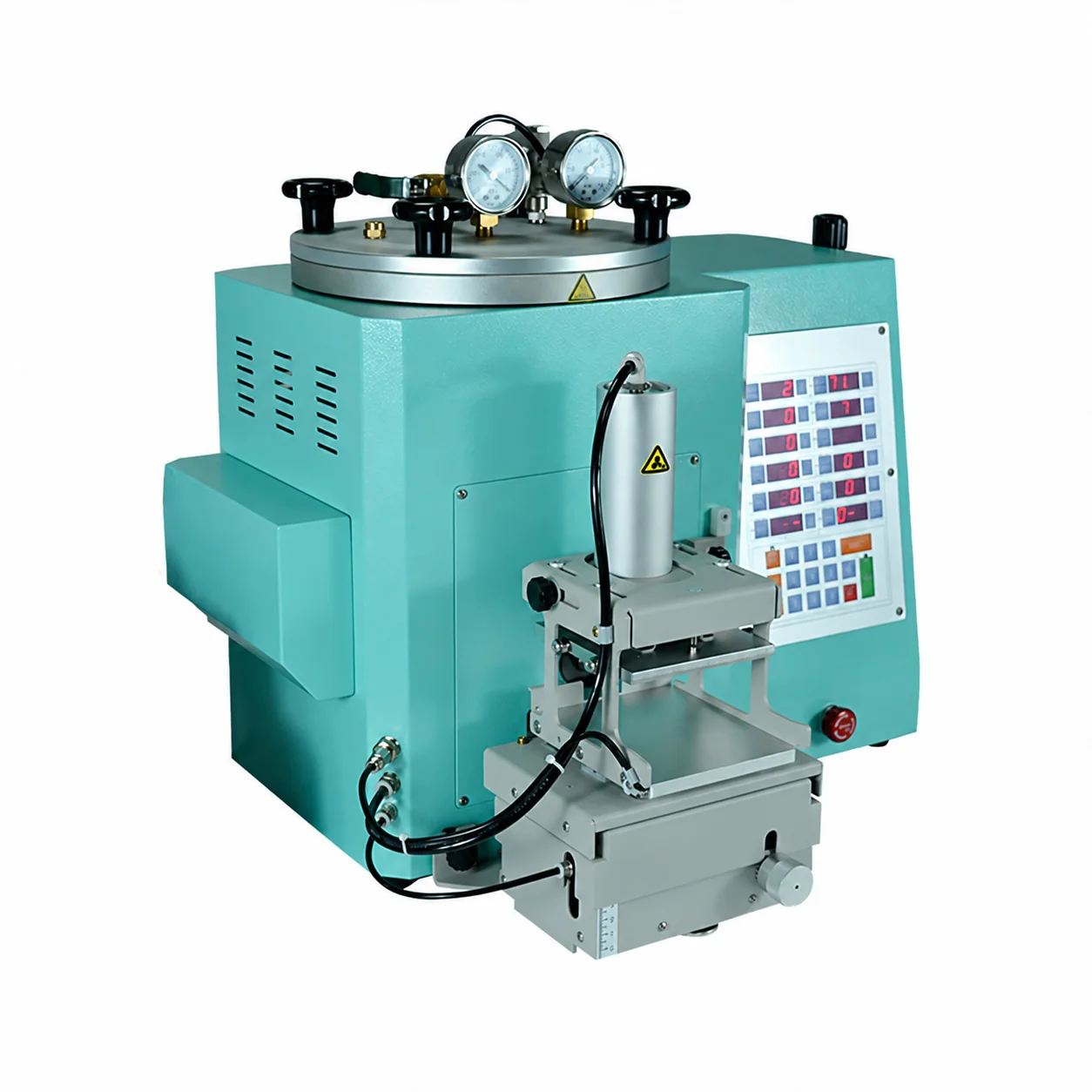
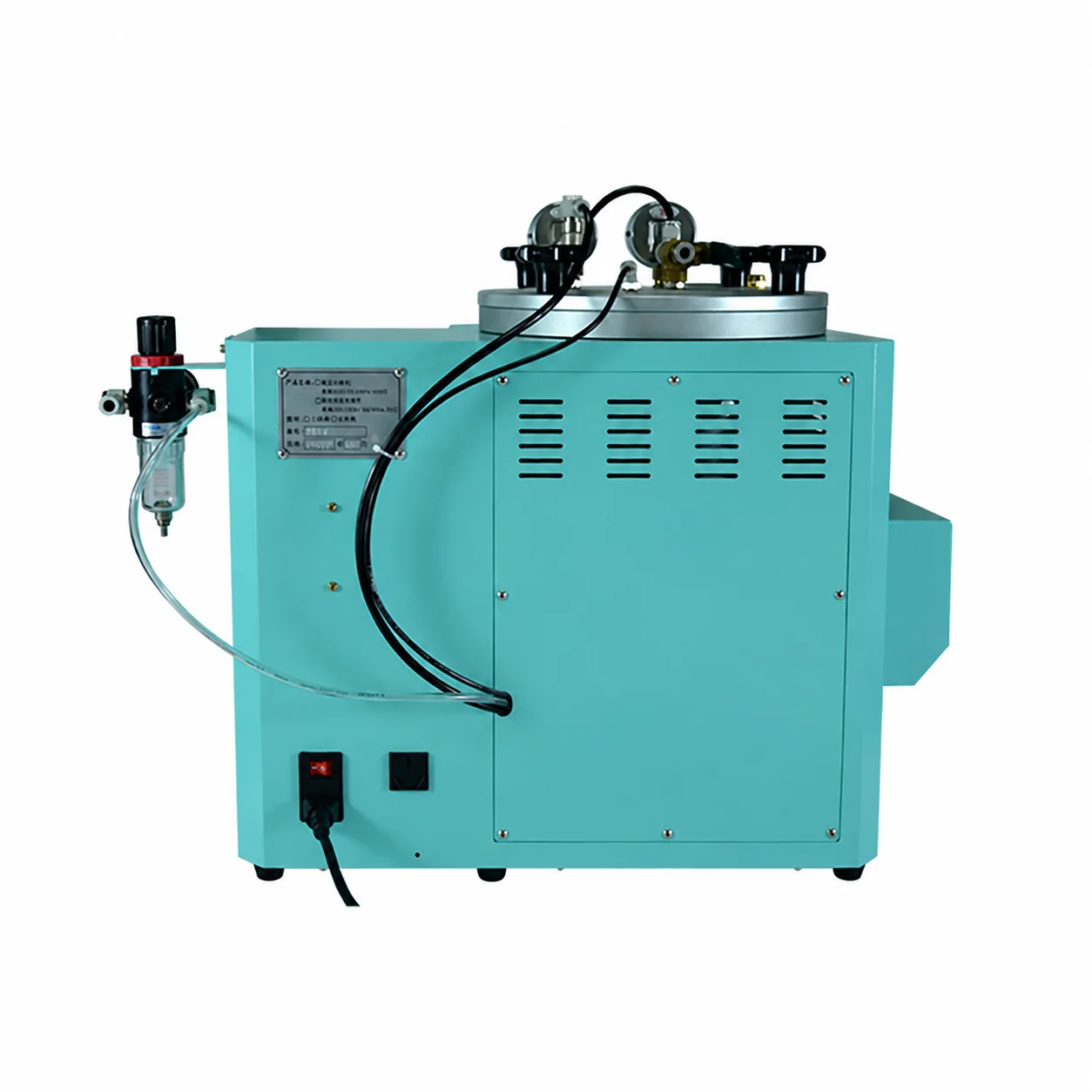
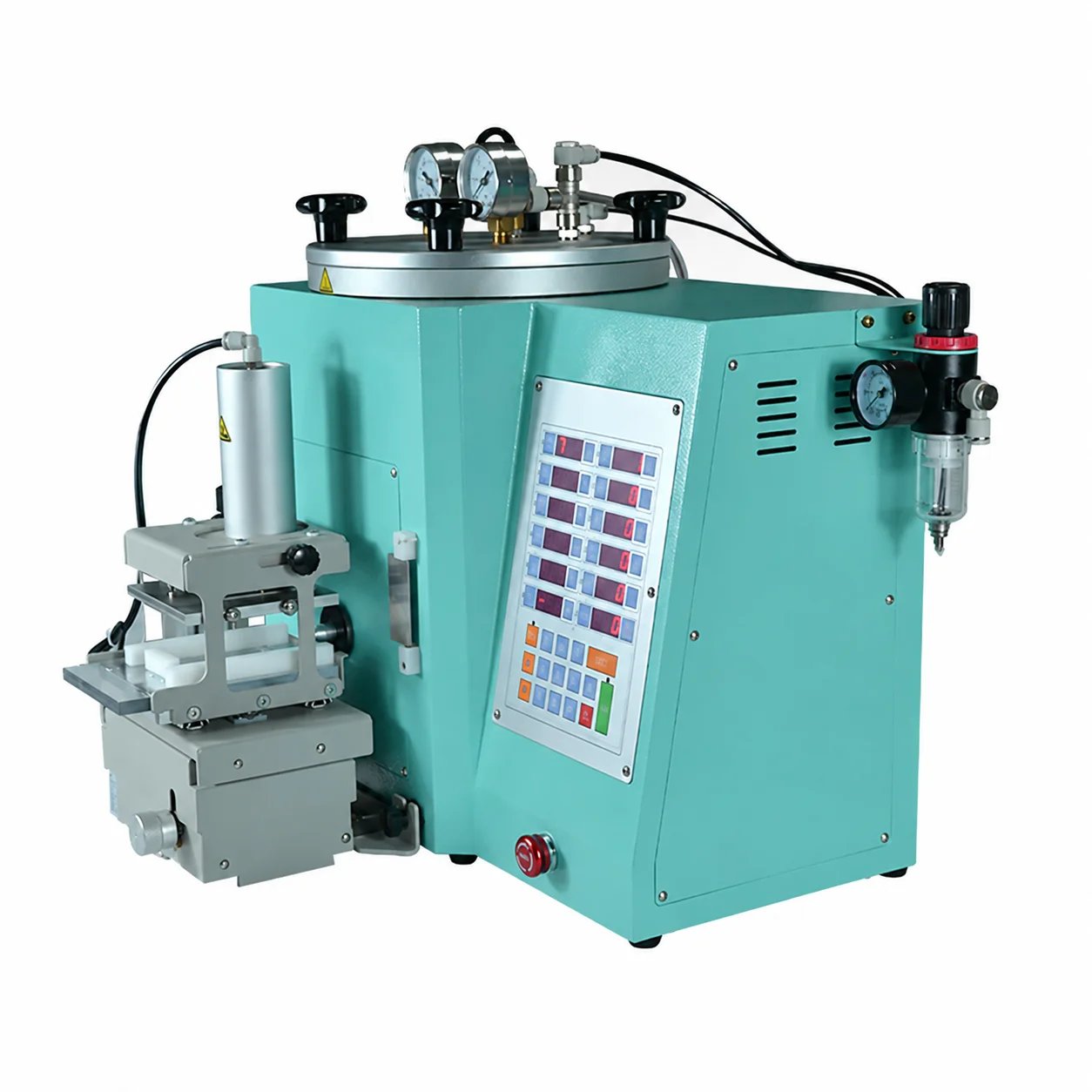
Digital Vacuum Wax Injection Machine for Gold and Silver Jewelry Lost Wax Casting
Let’s define your requirement
Send a product link, drawing or short brief. We’ll work through the details with you.
- Confirm the specificationGrade or model, size and intended use.
- Define your orderQuantity, finish or configuration, and samples.
- Agree the quotation scopeIncluded work, key checks and delivery needs.
-
Equipment Supply Voltage220V
-
machine typejewelry casting machinevoltage220V 50Hz
-
power(w)500warranty1 Year
-
weight (kg)68
A digital vacuum wax injection machine serves the pattern-making stage of jewelry lost wax casting for gold, silver and other precious-metal work. The equipment operates on 220V at 50Hz with 500W rated power, giving clear electrical starting points for reviewing the installation.
Relate the injector to the jewelry workflow
The material handled at this stage is wax for the jewelry pattern. Gold, silver and precious metals describe the downstream casting context in which that pattern will be used. Connect the injector review to the intended mold, pattern geometry and casting cycle, so the equipment discussion addresses the wax-making task within the complete jewelry process.
Choose a workable wax and mold combination
Select the wax formulation and mold geometry together, then confirm the usable wax capacity required for the job. Agree the working temperature, injection and vacuum ranges appropriate to the selected configuration. Review the actual controls and included components alongside the applicable operating instructions. These details establish how the digital vacuum injector will be set up for the specific pattern rather than assuming a recipe from its equipment name.
Check electrical needs and pattern acceptance
Use the 220V, 50Hz and 500W requirements when discussing the electrical connection for the intended work area. Confirm any installation details needed for the actual machine configuration and operating arrangement. Define the pattern dimensions and inspection criteria before the injection trial, including the geometry that matters to the jewelry design. Assess the trial against those requirements and agree the settings and operating sequence that will be used for the selected wax and mold.








