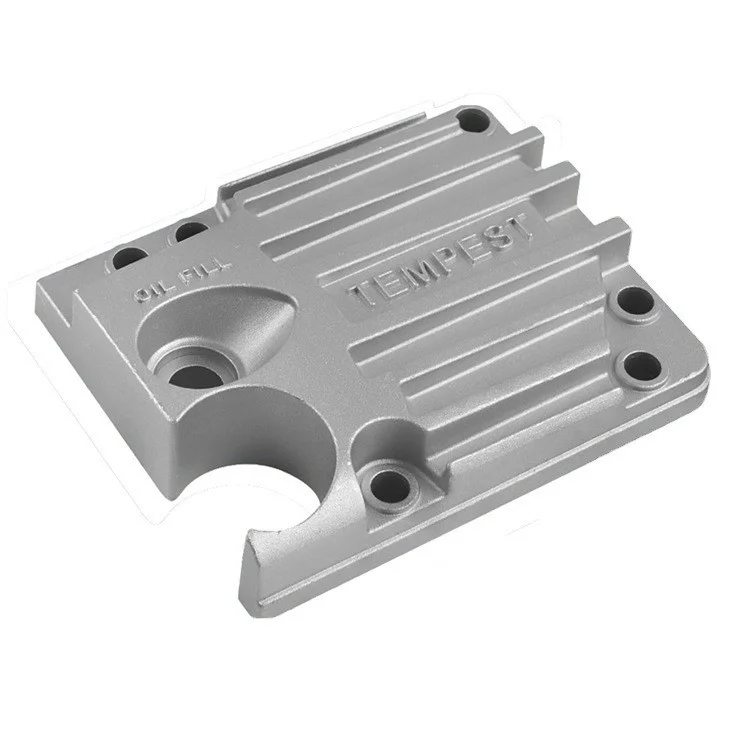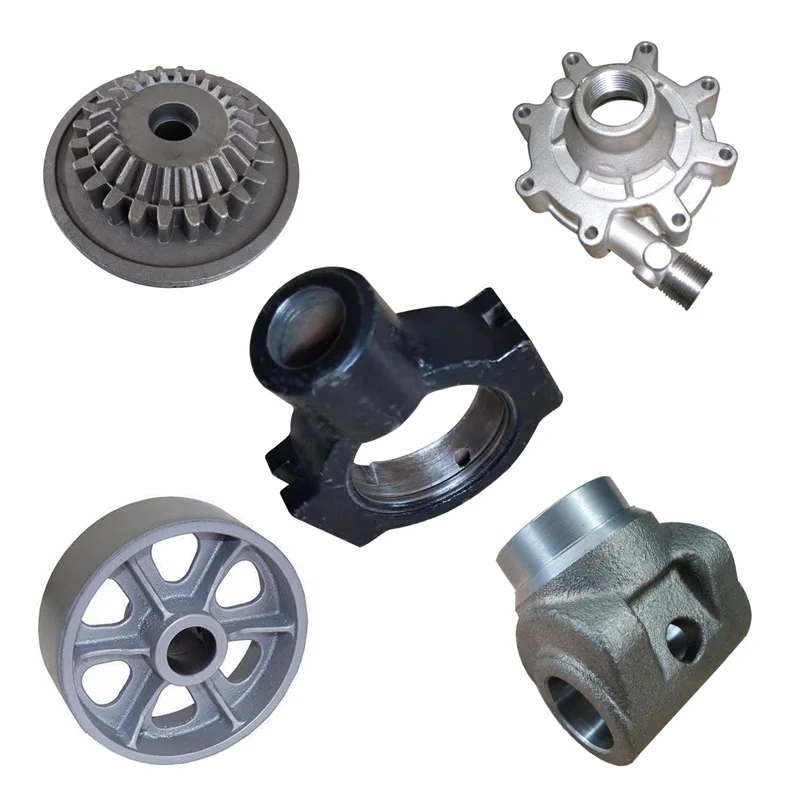
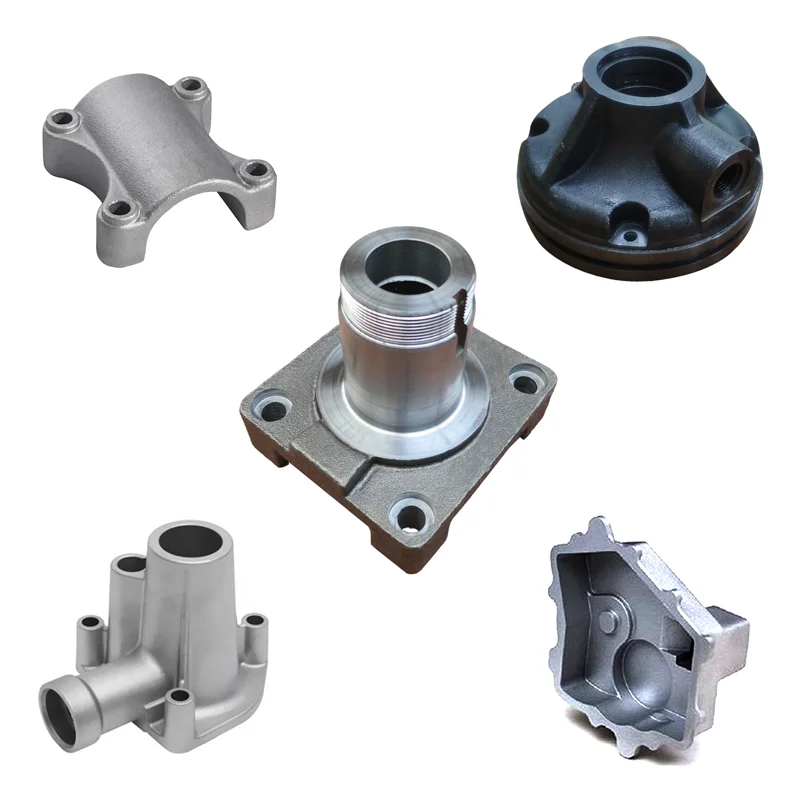
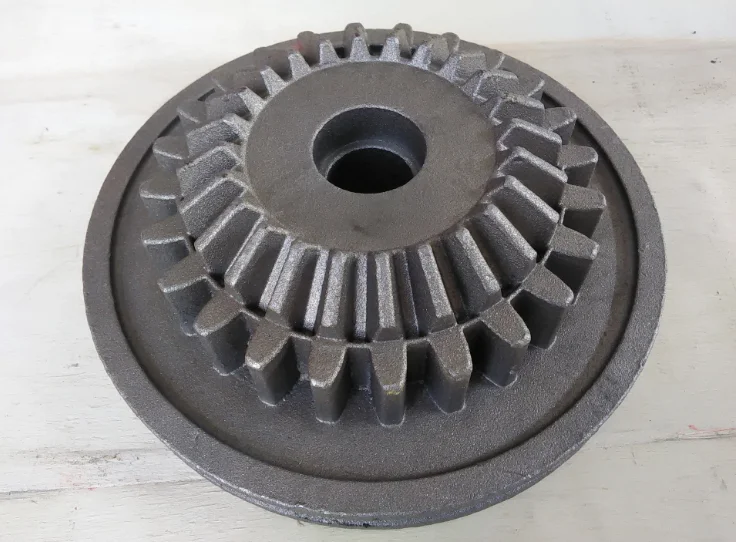
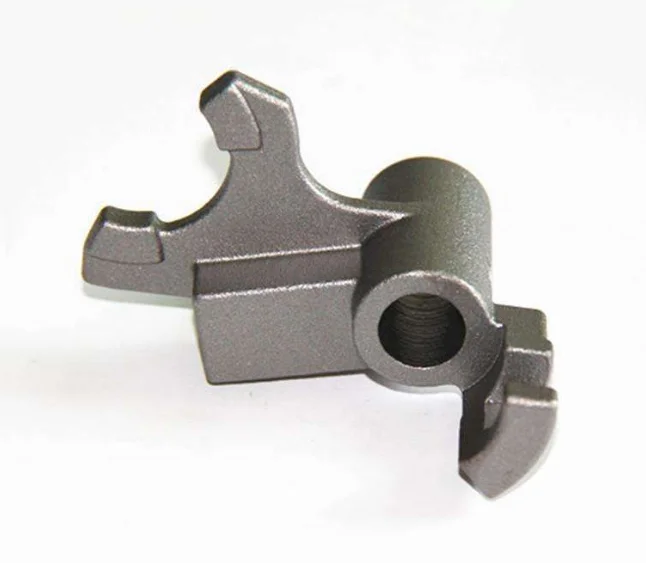
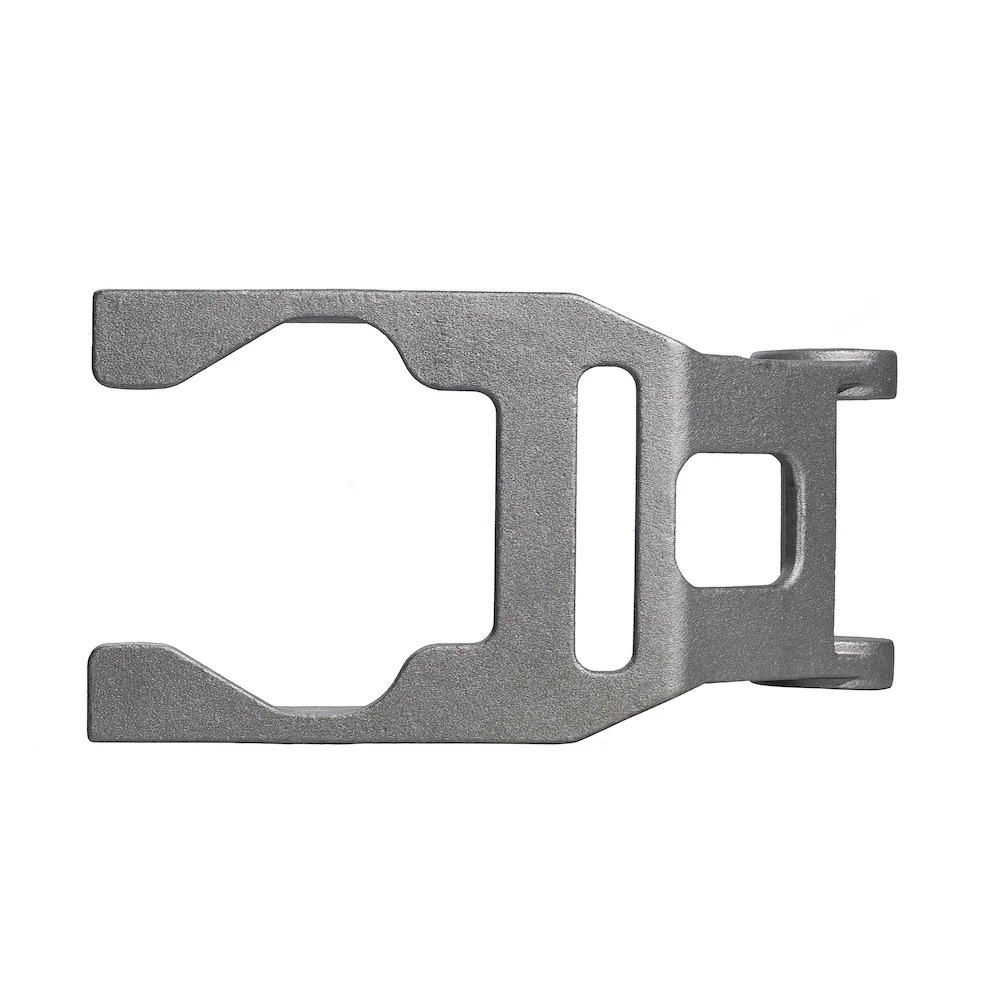
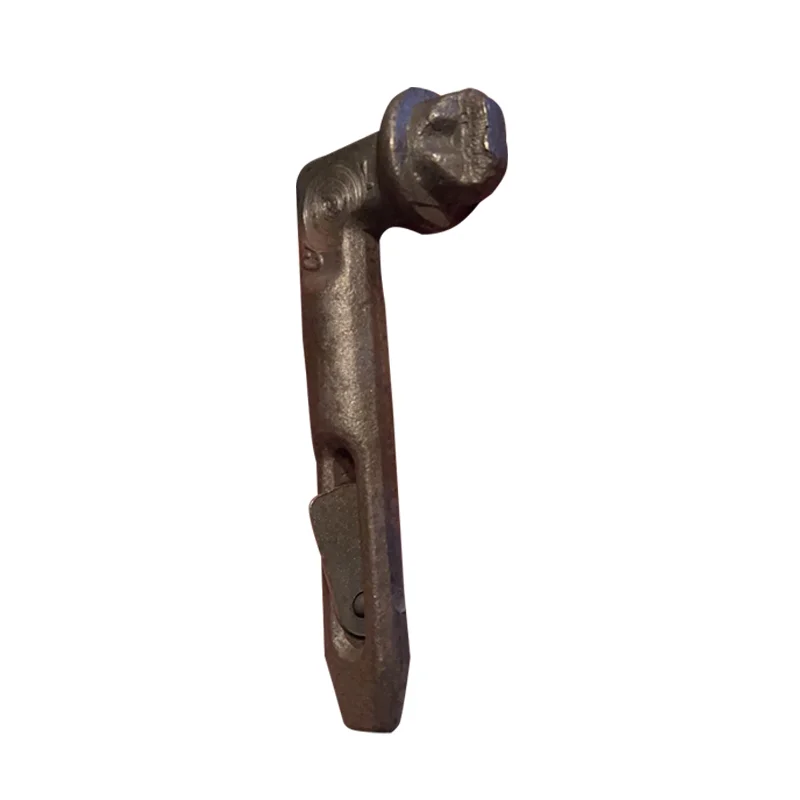
Custom Steel Farm-Machine Parts | Sand/Mold and Lost-Wax Casting, CNC Machining
Let’s define your requirement
Send a product link, drawing or short brief. We’ll work through the details with you.
- Confirm the specificationGrade or model, size and intended use.
- Define your orderQuantity, finish or configuration, and samples.
- Agree the quotation scopeIncluded work, key checks and delivery needs.
-
Surface FinishPassivated , PolishedAlloy GradeWCB
-
ItemTop Seller Custom Machining Steel Cnc Farm Metal Casting Machine Part
-
MaterialZG35, ZG45, WCB, WCA, WCC, ISO 340-550, etc. As customer requestManufacturing ProcessLost wax casting, option Lost wax casting
-
Casting ToleranceCT4-8 for cnc machine partMachining ProcessCNC Machining/ Lathing/ Milling/ Turning/ Boring/ Drilling etc.
-
Machining TolearnceUp to IT7, Ra 0.8~3.2 , according to customer requirementSurface TreatmentSurface Passivatin, Polish. As customer requests.
-
PackageMulti-layer wooden box/pallet, with big plastic bag insideLead TimeAbout 50 days for cnc machine part
-
ServiceSupply custom casting service
Custom steel farm-machine parts bring sand/mold-casting and lost-wax directions into an actual component inquiry. CNC machining, lathing, milling, turning, boring and drilling are the machining directions for the selected work. The actual grade, geometry and casting route should be agreed with the farm-machine requirement.
Six material references for the steel part
Material references are ZG35, ZG45, WCB, WCA, WCC and ISO 340–550, selected to customer requirements. Identify the actual grade and designation needed for the component, then connect it to the geometry and manufacturing route. The material reference should support the same cast/machined part definition and intended farm-machine duty.
CT4–CT8, up to IT7 and Ra 0.8–3.2
CT4–CT8 is the casting-tolerance reference, while machining is referenced up to IT7. The Ra reference is 0.8–3.2, with its unit and measurement scope to confirm. Assign those distinct criteria to the actual dimensions and surfaces so the casting, machining and surface measurement requirements address the selected component.
Machining scope, passivation and polishing
Identify the geometry to be completed through CNC, lathing, milling, turning, boring or drilling for the chosen part. Surface directions are passivation and polishing to customer requirements. Define their application and inspection acceptance alongside the component's important interfaces, keeping the machining and finish work connected to its actual material and dimensional plan.
Farm-machine function and finished acceptance
Establish the component's function, mating interfaces and operating conditions in the intended machine. Relate those needs to the actual grade, selected casting route and dimensional/surface requirements. This provides a concrete basis for agreeing the custom casting and machining scope for the farm part and the finished acceptance needed for it.