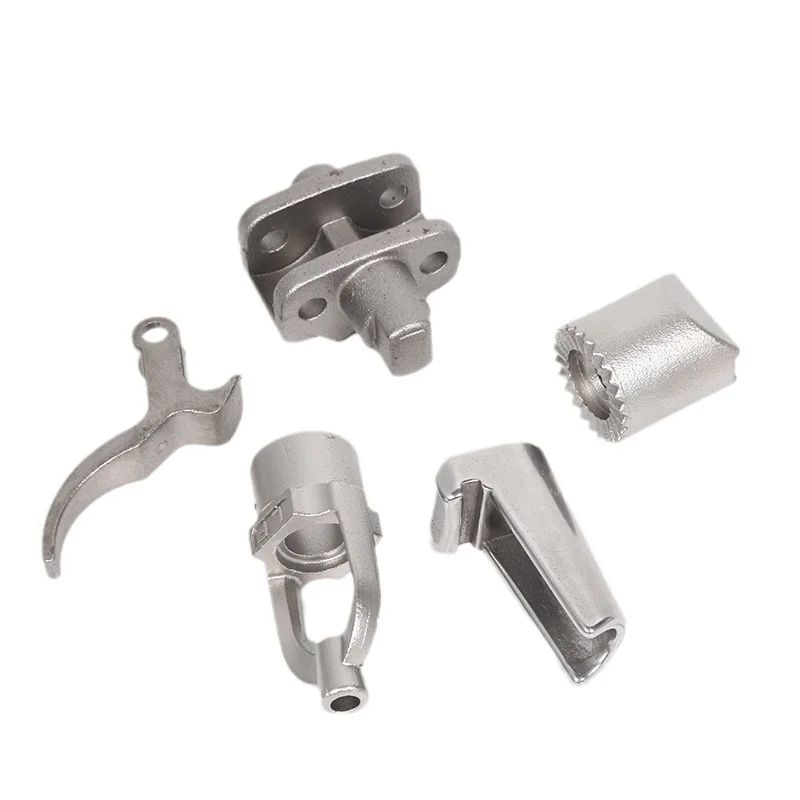
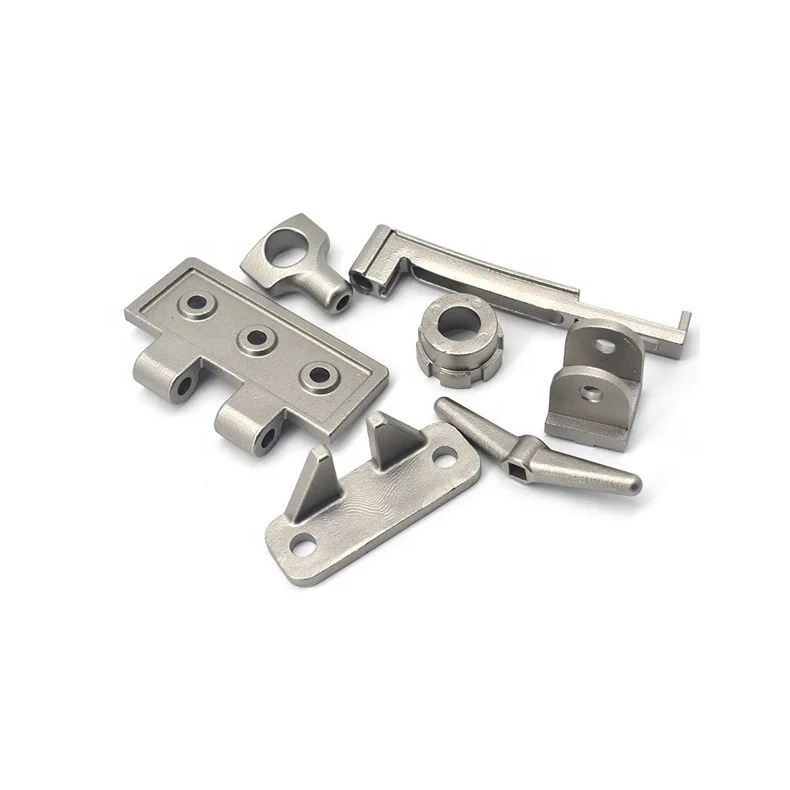
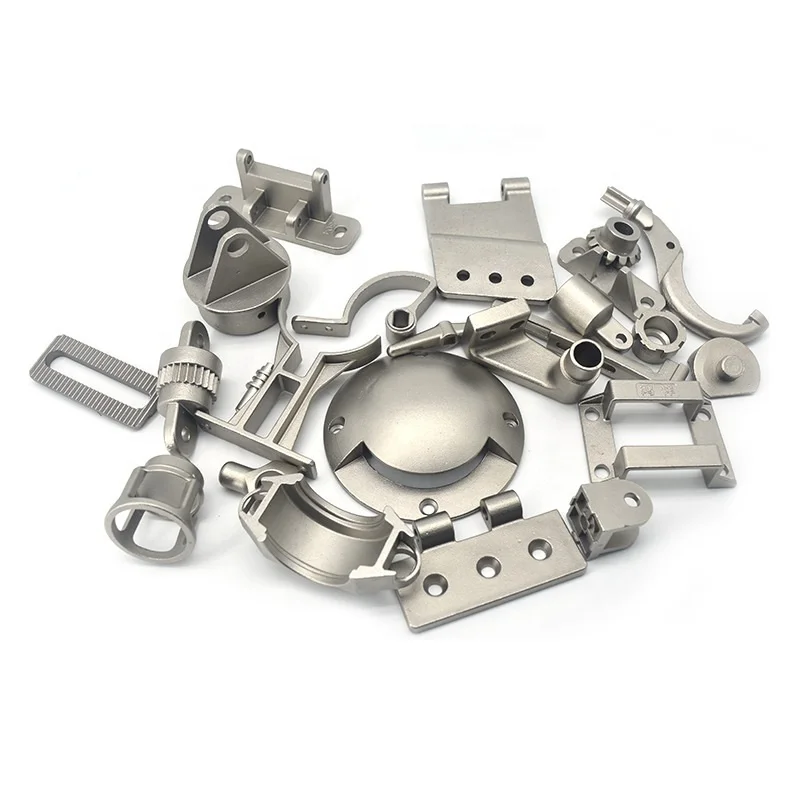
Custom Stainless Steel Lost Wax Investment Casting Services with CNC Finishing
Let’s define your requirement
Send a product link, drawing or short brief. We’ll work through the details with you.
- Confirm the specificationGrade or model, size and intended use.
- Define your orderQuantity, finish or configuration, and samples.
- Agree the quotation scopeIncluded work, key checks and delivery needs.
-
Surface FinishSandblasted
-
ProcessInvestment Casting+machining+polishing
-
StandardClient SpecificationMaterialStainless Steel
-
Casting ToleranceCT5-7Machining ProcessCNC Finishing Process
-
Surface treatmentSand blastingQuality ControlProfessional Inspection
-
Drawing FormatPDF. IGS. STP.Delivery time45 days for samples
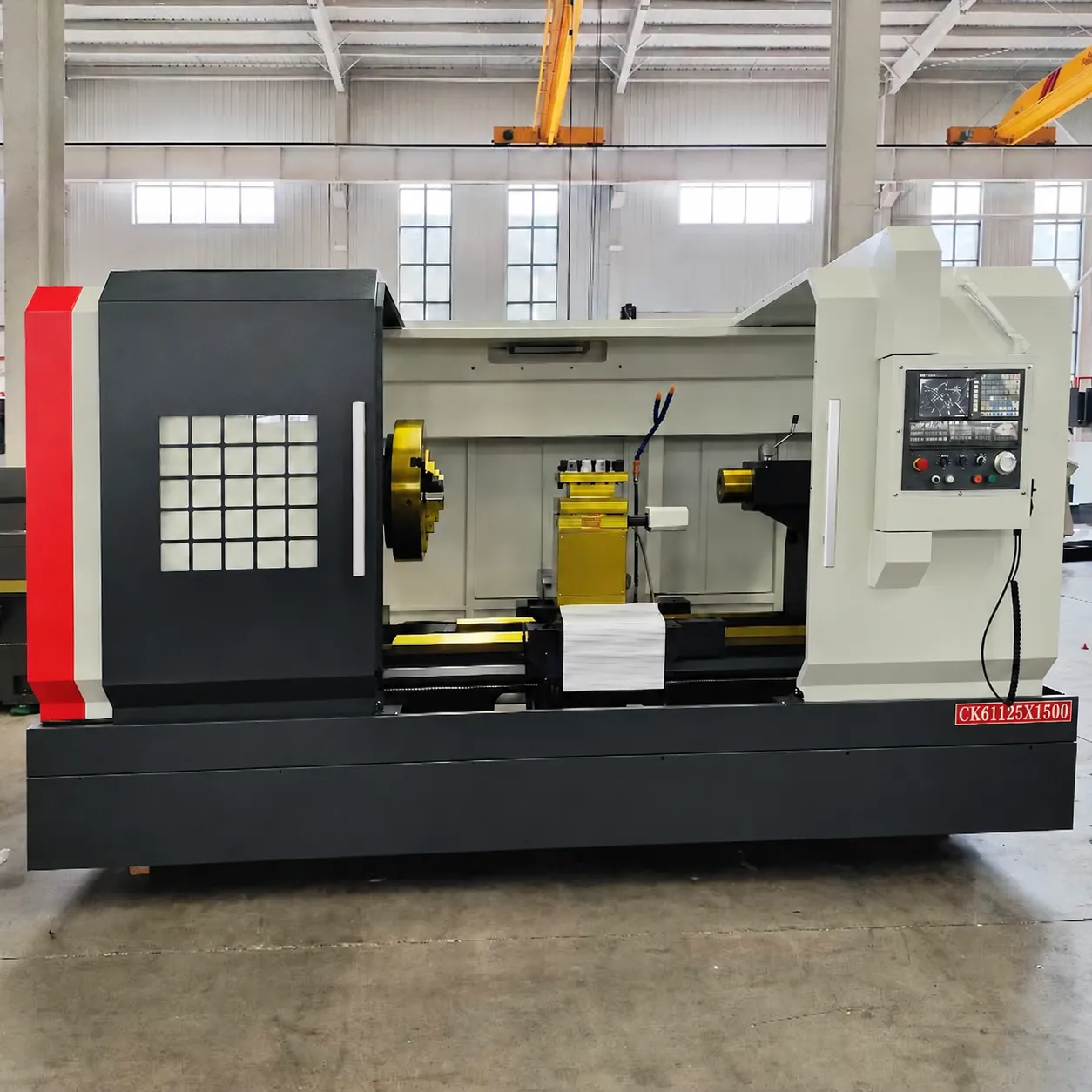
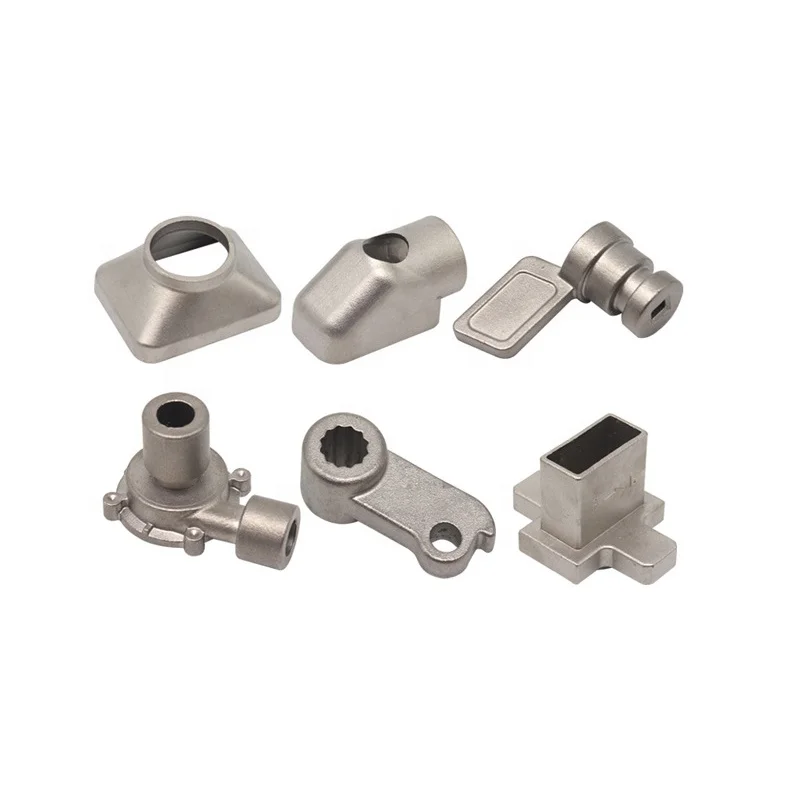
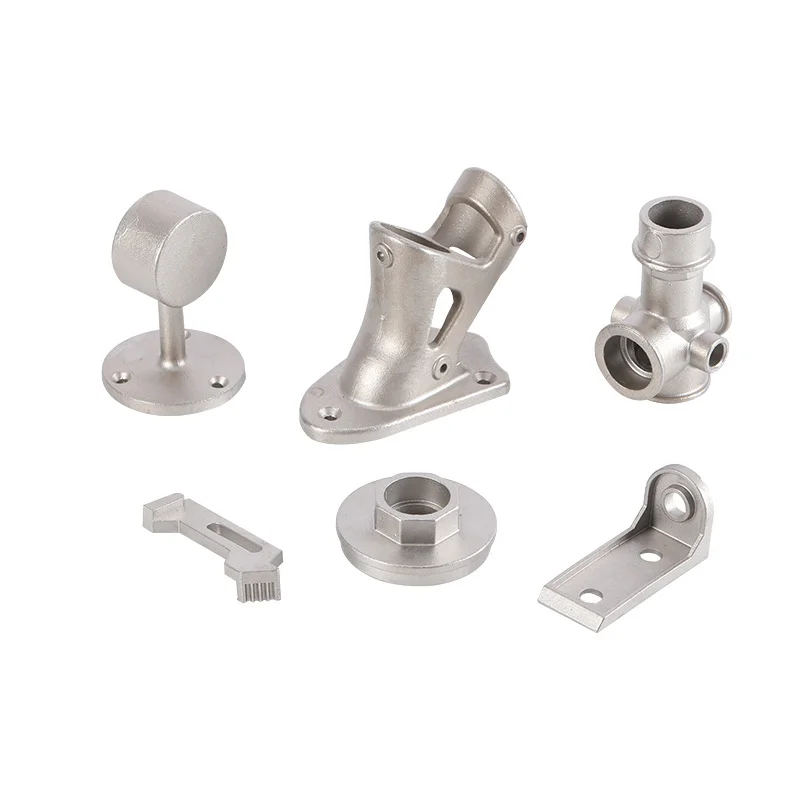
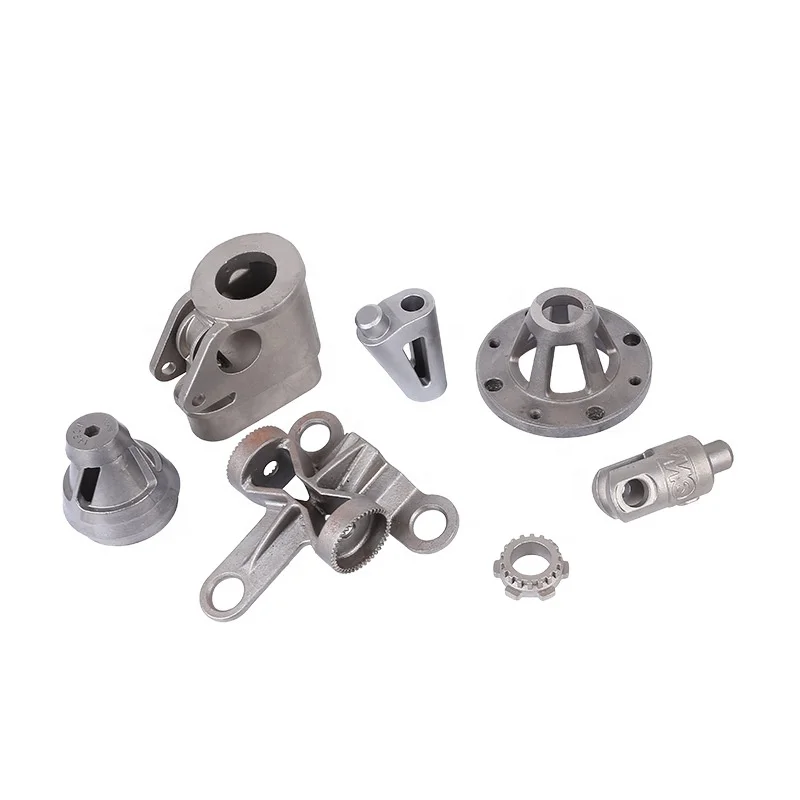
Custom stainless steel lost wax investment casting combines casting, machining and polishing for components defined by a client's requirements. CNC finishing supports the machined portion of the work, while CT5–CT7 identifies the casting tolerance range for the part review.
Separate cast geometry from finished interfaces
A casting class and a finished machined dimension serve different purposes when defining a component. Mark the surfaces that remain cast and identify the interfaces requiring CNC finishing, so each dimension can be assigned the appropriate acceptance requirement. Select the applicable CT class with the actual geometry and client specification in view.
Choose the stainless material and surface route
The material scope is stainless steel, with the exact grade selected for the component and its duty. Polishing and sand blasting provide different surface-treatment choices. Identify the areas receiving each treatment and agree their final appearance or surface criteria, particularly where a treated face also mates with another part.
Use PDF, IGS or STP for the review
PDF, IGS and STP drawings provide practical starting points for discussing the custom geometry. Keep revision references consistent across the drawing and model, and distinguish critical interfaces from general dimensions. This helps connect the requested casting and CNC work to the same finished-part definition.
Match inspection to the client requirement
Professional inspection accompanies the custom casting service. Define the characteristics to inspect and the records needed under the client's specification, including the selected cast dimensions, machined interfaces and finished surfaces. The resulting inspection plan should address the actual component rather than relying on the casting-class designation alone.