Custom Stainless Steel Impeller Casting | Vacuum Investment, Lost-Wax Fabrication and CNC Machining
Let’s define your requirement
Send a product link, drawing or short brief. We’ll work through the details with you.
- Confirm the specificationGrade or model, size and intended use.
- Define your orderQuantity, finish or configuration, and samples.
- Agree the quotation scopeIncluded work, key checks and delivery needs.
-
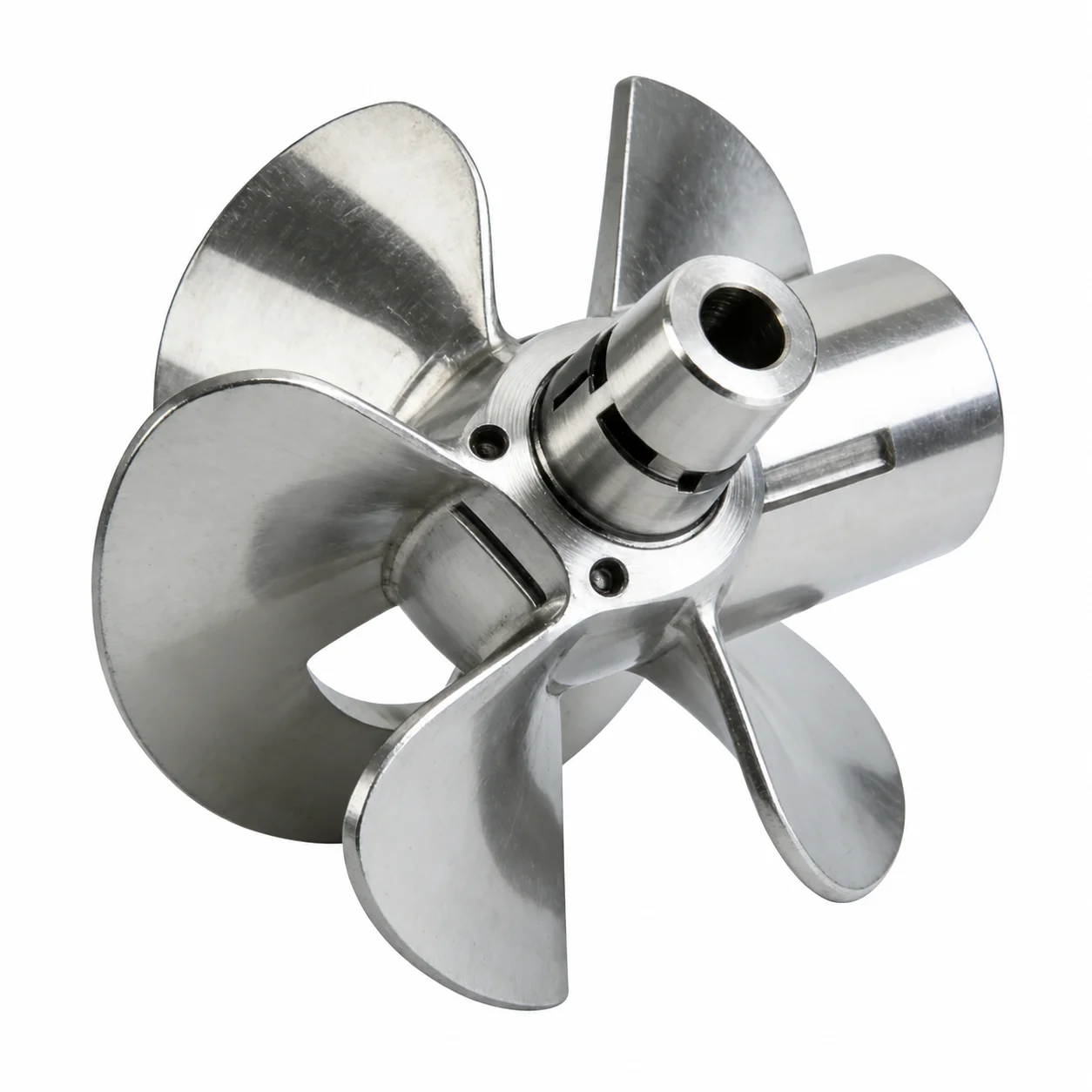
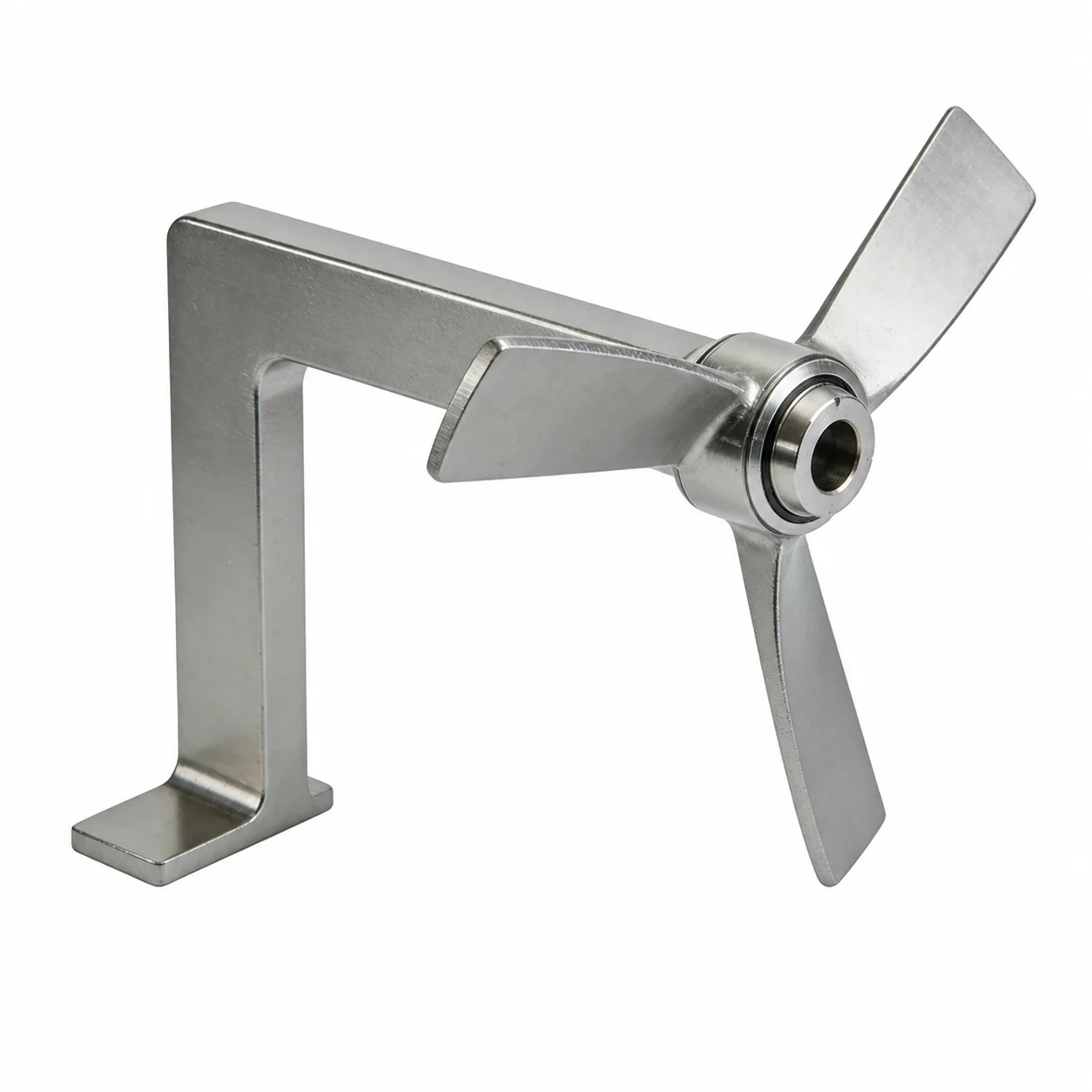
Component FormImpeller / RotorSurface FinishSandblasted , Polished
-
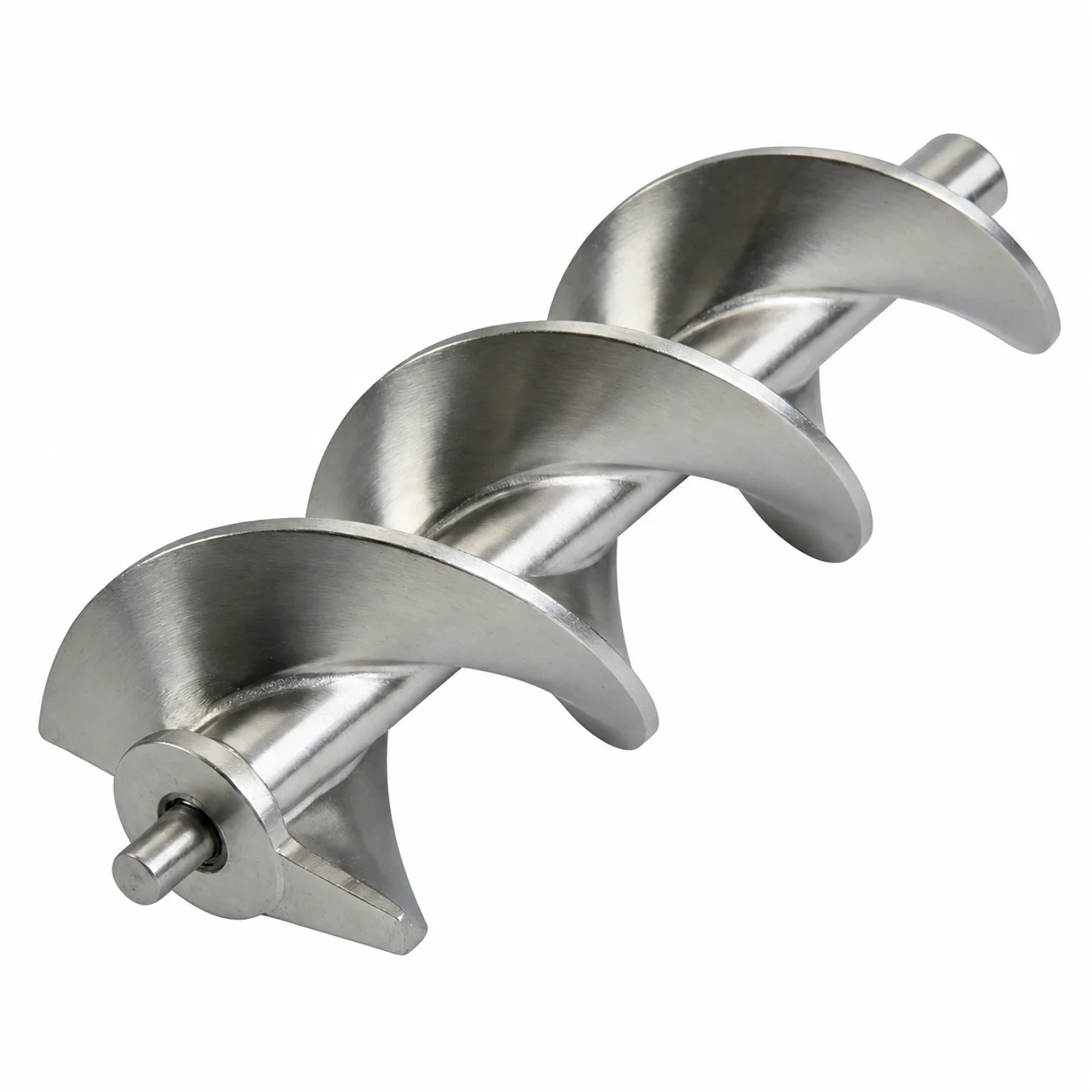
Product nameStainless steel Castings investment casting process
-
MaterialStainless Steel /carbon steel / SteelSurface treatmentPolishing /sandblasting/Customers' Demand
-
ProcessCasting +Machining(if Need)+surface TreatmentWeight range0.2-500KG
-
CertificationISO9001/TS16949/RoHSKeywordCustomized Precision Casting
-
Machining ProcessCNC Milling Center latheDrawing Format2D/(PDF/CAD/DWG/DXF)3D(IGES/STEP/VDA)
-
OEM/ODMWarmly Welcomed
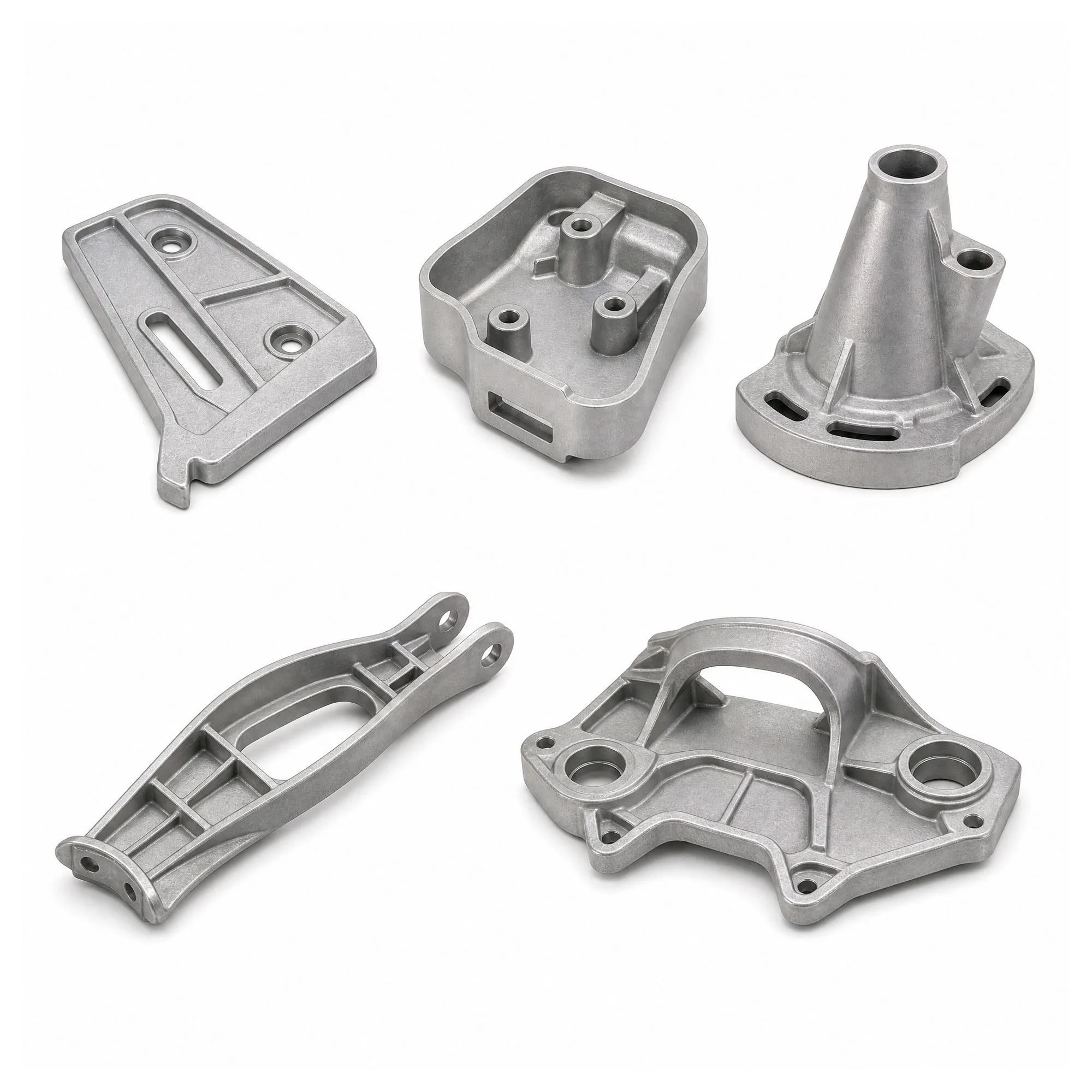
Specify an impeller or metal casting through its material, geometry and finished condition. Custom precision casting enquiries cover stainless steel, carbon steel and steel, with vacuum investment/lost-wax directions and OEM/ODM support.
Define the impeller and its process scope
Identify the selected grade, component shape and the duty the impeller needs to address. Agree the actual casting route and the process requirements for that material and geometry. Keep the interfaces and finished-part acceptance connected to the same drawing so the enquiry describes the component required.
Decide which surfaces need additional work
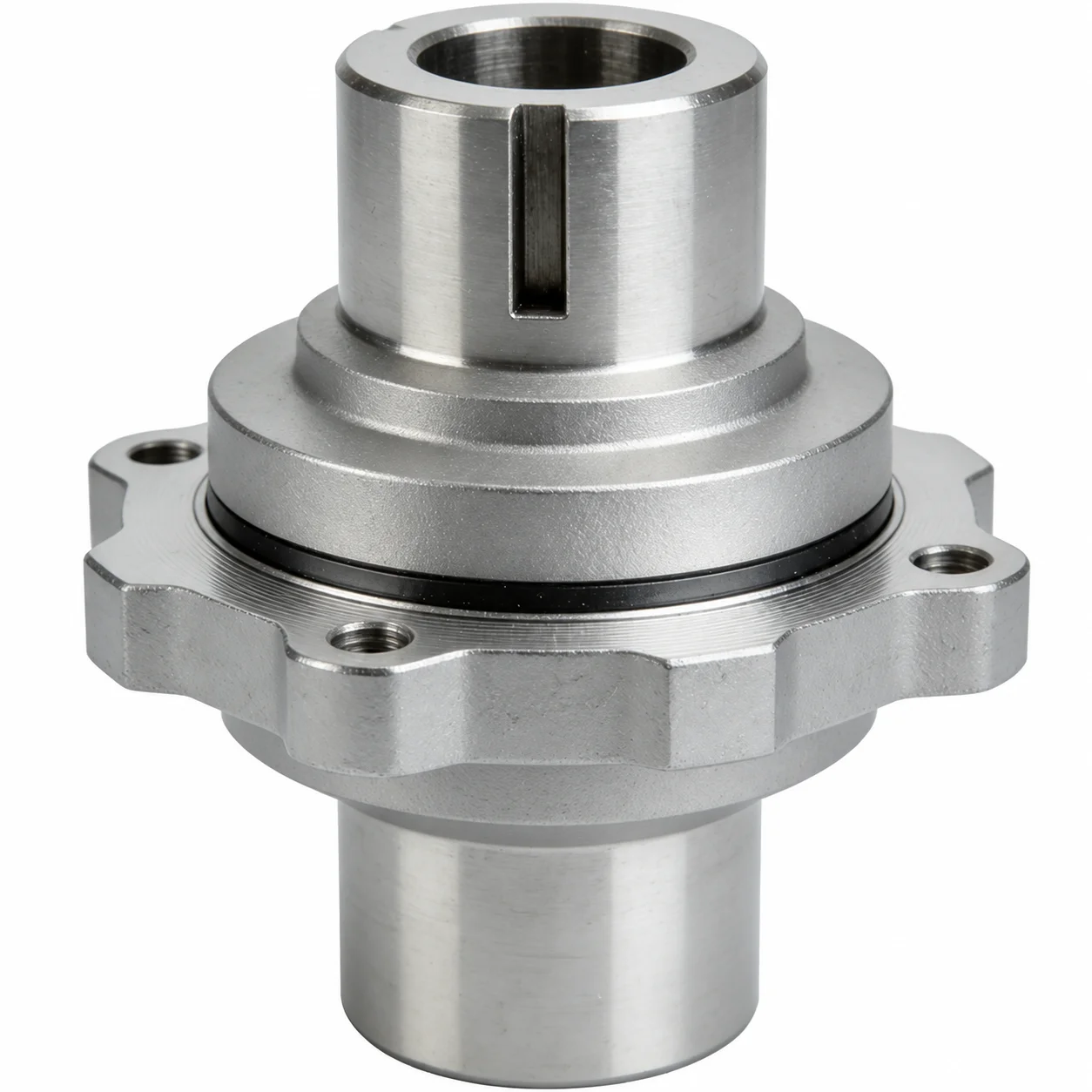
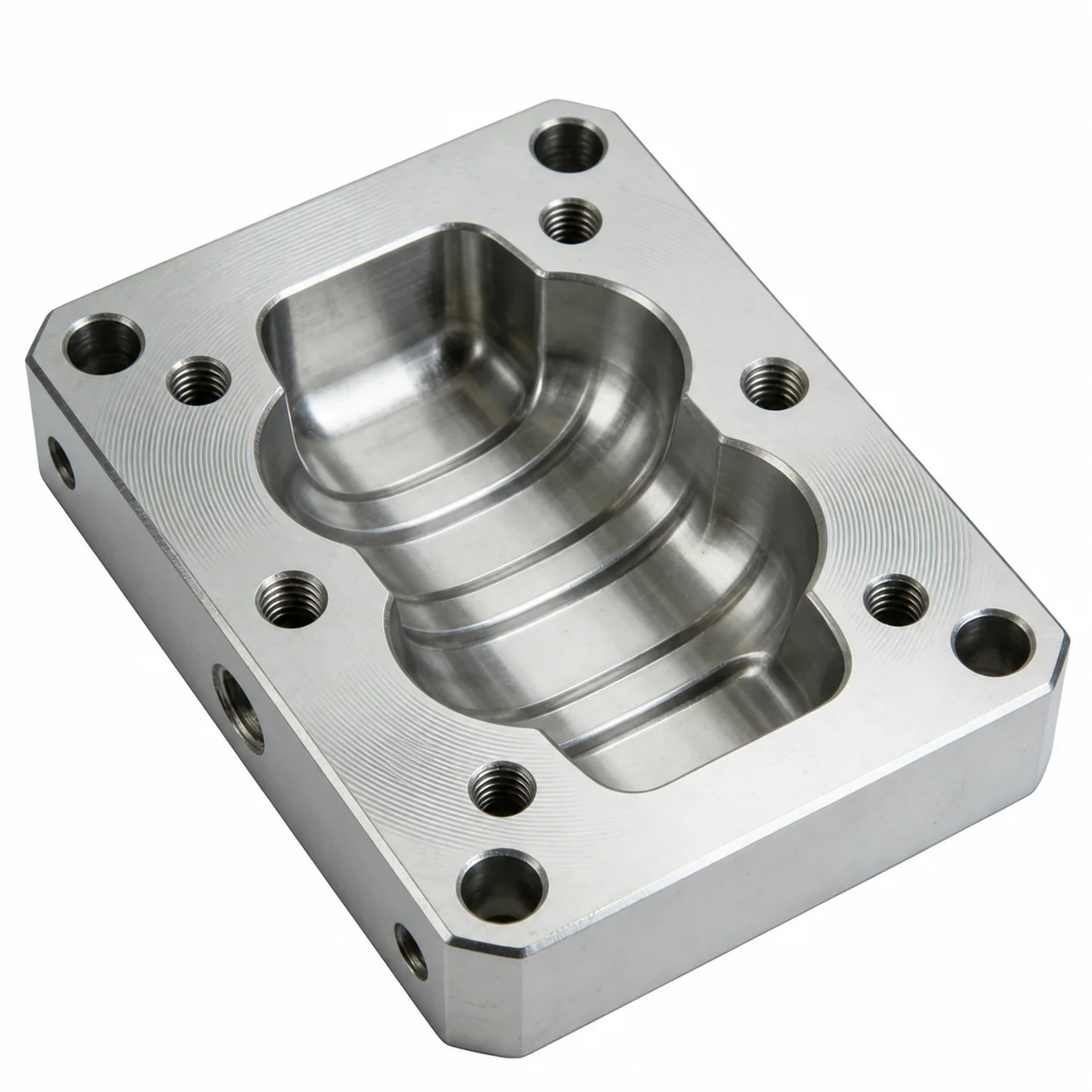
Casting can be followed by machining when needed and an agreed surface treatment. CNC, milling-center and lathe work are machining directions for the service. Identify the relevant features and establish the surfaces requiring polishing, sandblasting or another customer-defined finished condition.
Provide a clear drawing handoff
Use the drawing to define the casting geometry, interfaces and finished-feature requirements. The enquiry supports 2D PDF, CAD, DWG and DXF directions and 3D IGES, STEP and VDA formats. Identify the controlling revision and explain any surface or machining requirements that need to be read alongside the geometry.
Agree the custom component's compliance scope
OEM and ODM enquiries can address the material, casting, optional machining and surface requirements together. ISO9001, TS16949 and RoHS are certification or compliance references to scope for the order. Define the relevant material requirements, applicable documentation and acceptance criteria for the actual part and its intended duty.