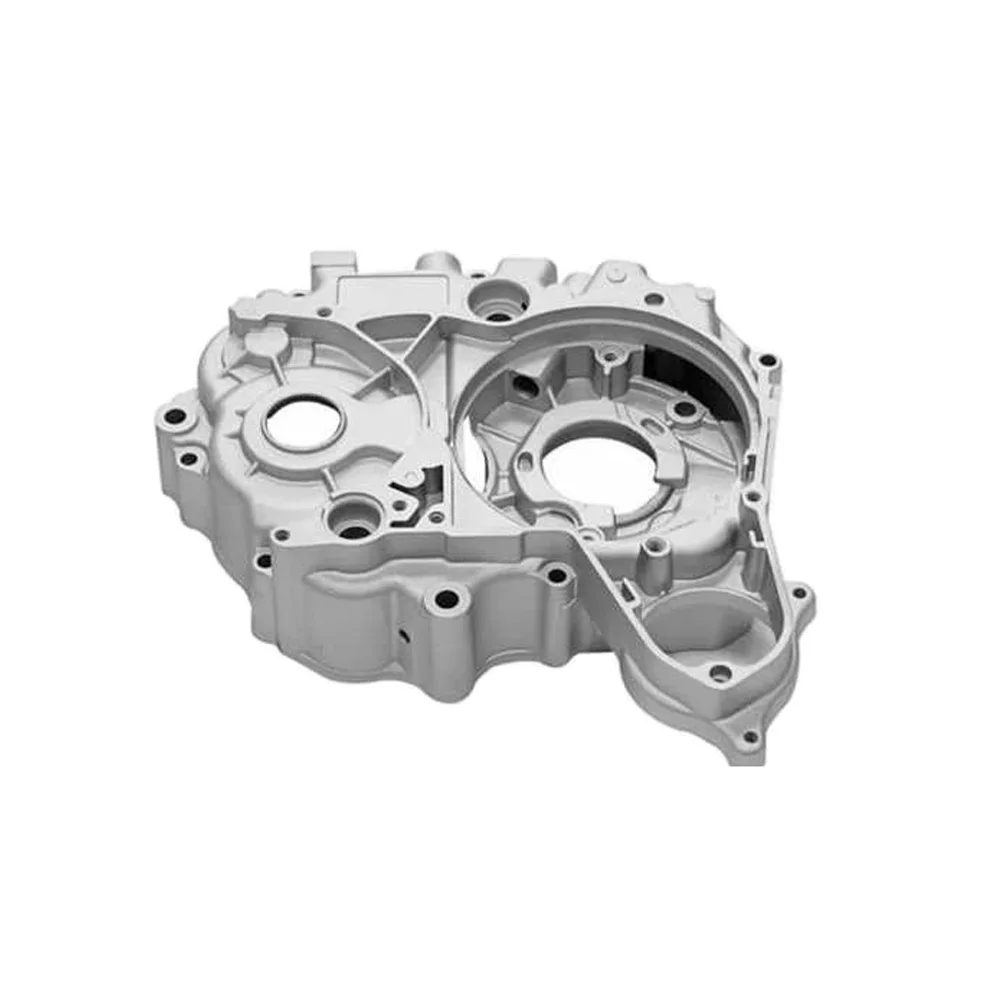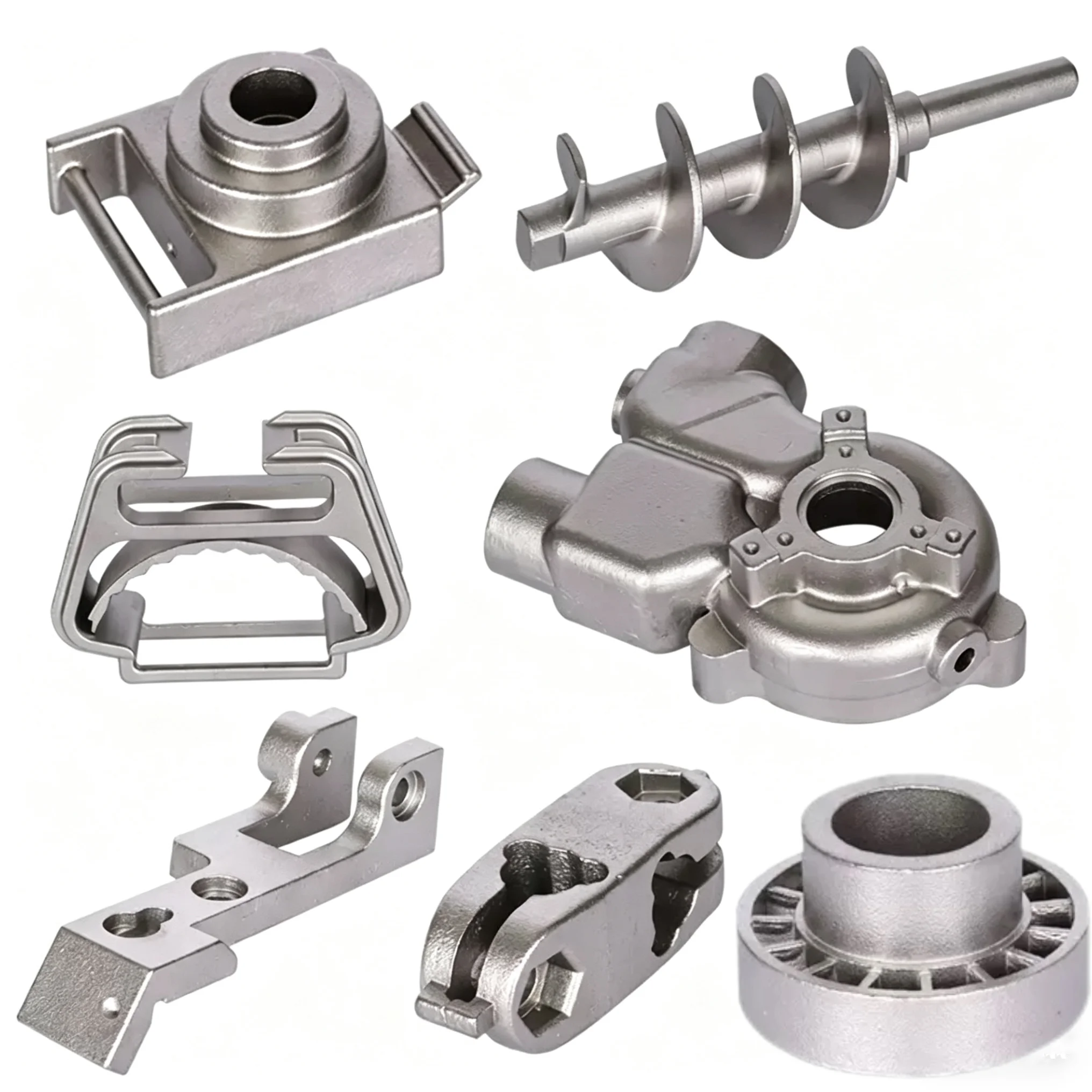
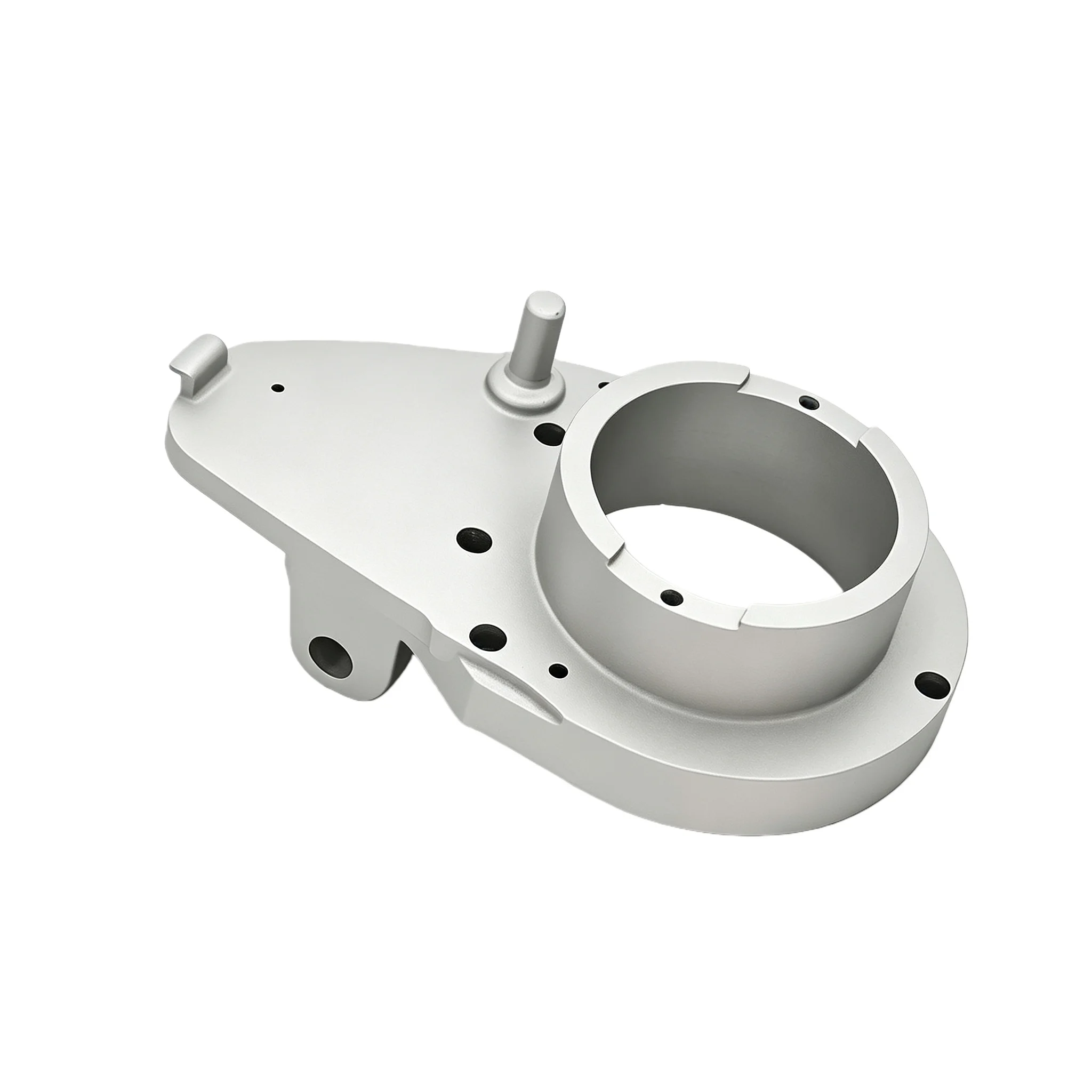
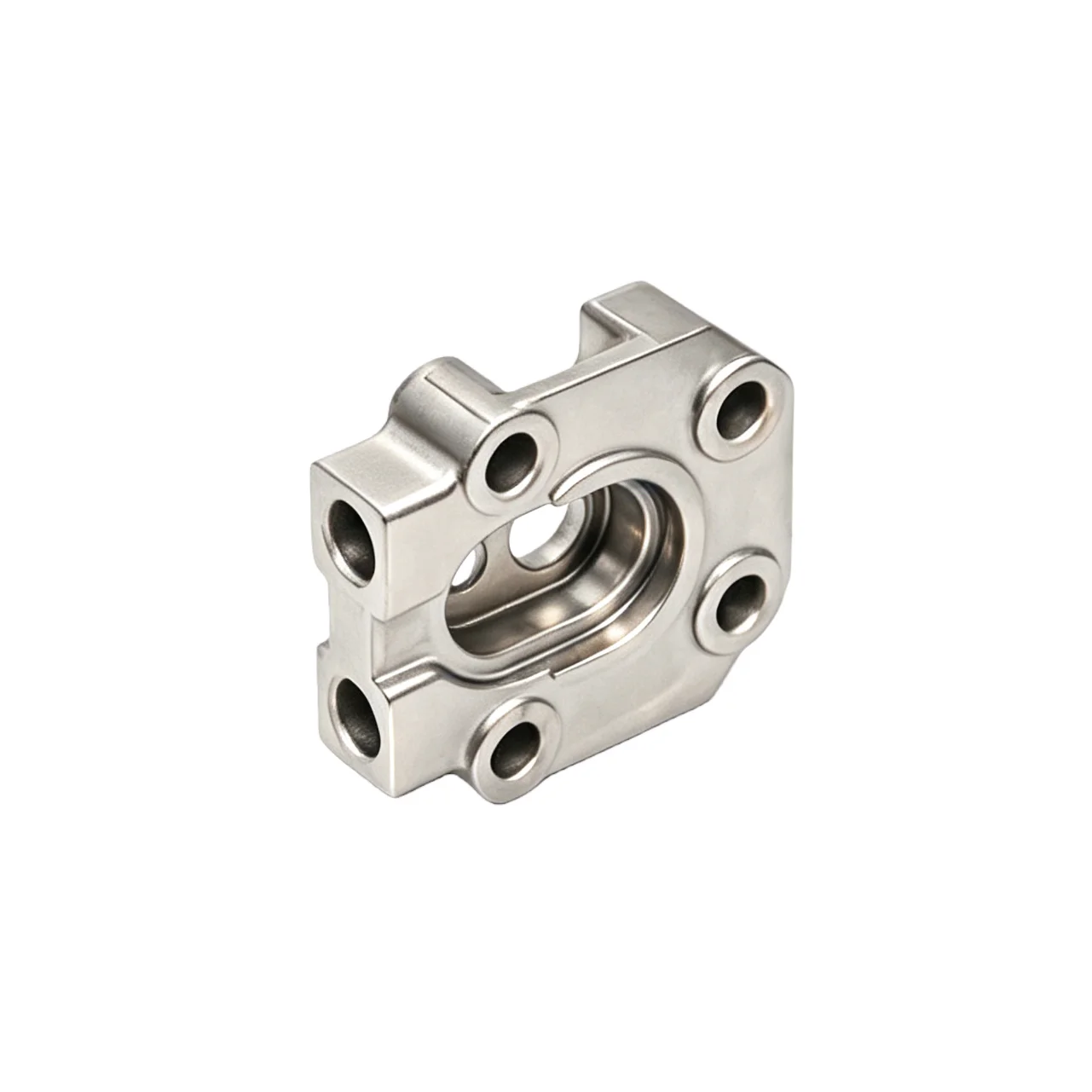
Custom Stainless-Steel and Aluminum-Alloy Industrial Castings | Vacuum Lost-Wax or Die-Casting Enquiries
Let’s define your requirement
Send a product link, drawing or short brief. We’ll work through the details with you.
- Confirm the specificationGrade or model, size and intended use.
- Define your orderQuantity, finish or configuration, and samples.
- Agree the quotation scopeIncluded work, key checks and delivery needs.
-
Surface FinishAnodized , Polished
-
Surface TreatmentGrinding/Polishing/Anodizing/Galvanizing/Deburring
-
MaterialsStainless Steel/Aluminum Alloy/Carbon SteelProcessable MaterialsCast Iron/ Copper Alloy
-
Surface FinishingPassivation/Degreasing & Oil Removal/Electroplating/Pickling
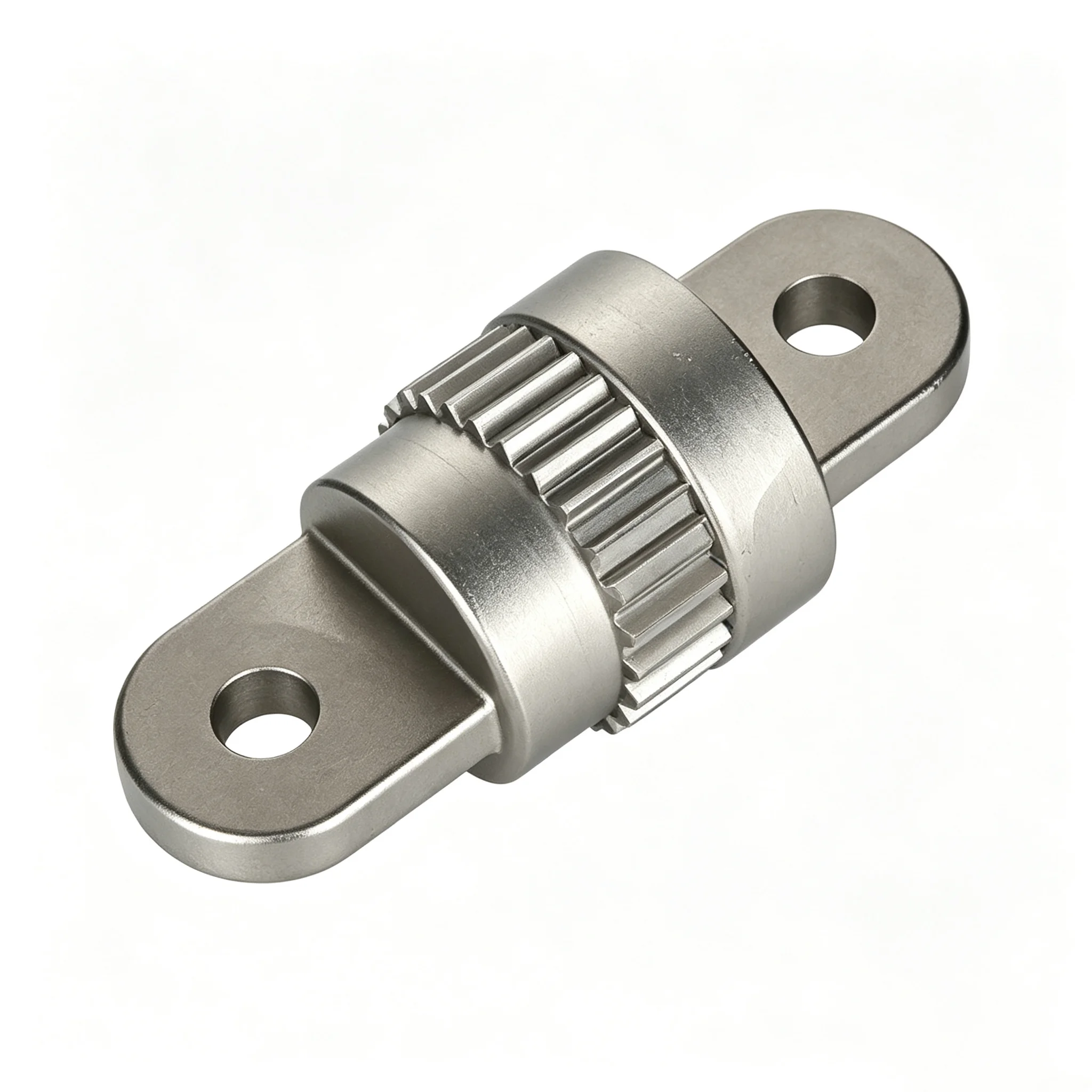
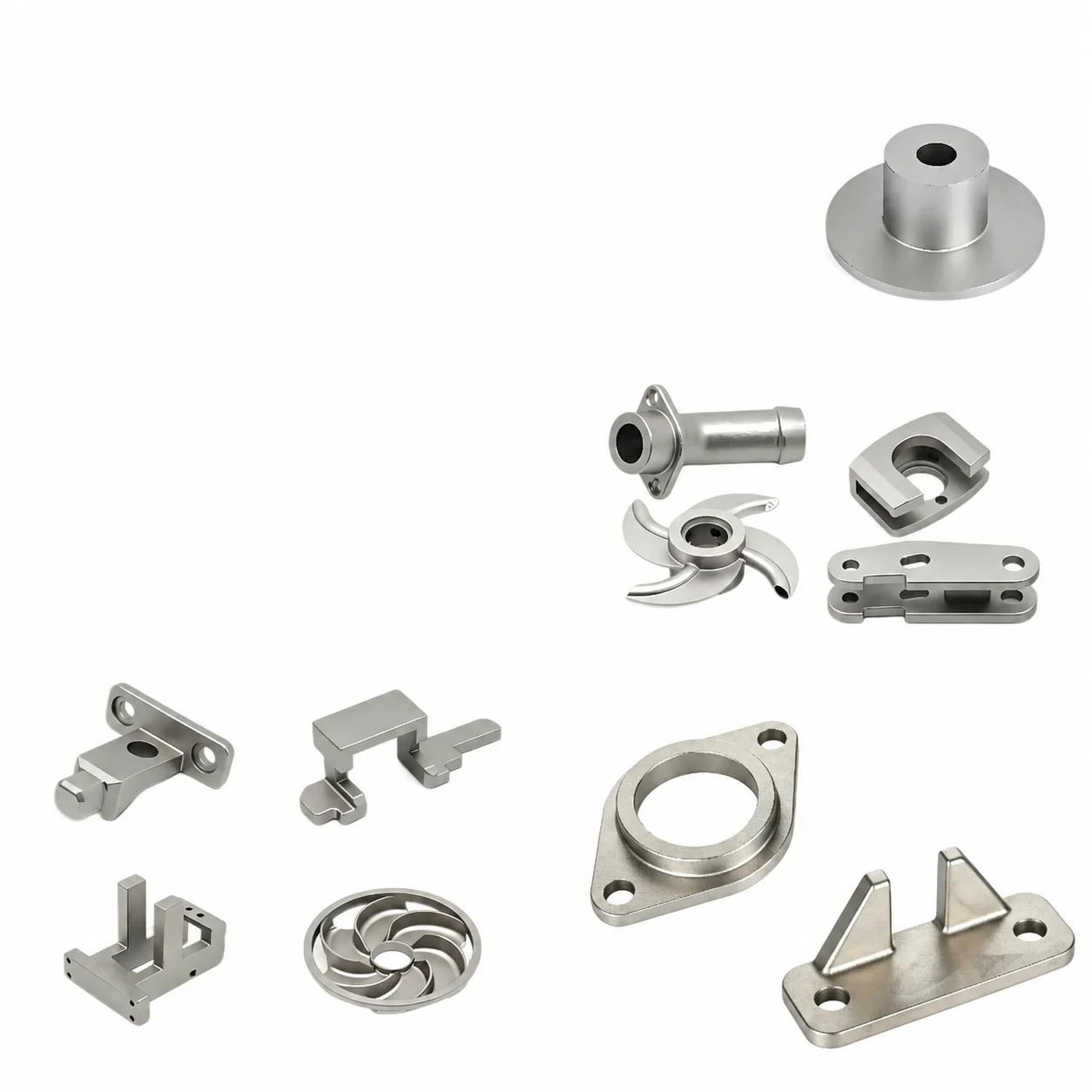
Custom industrial metal components can be reviewed for vacuum lost-wax casting or die-casting requirements, with the route selected for the actual material and geometry. Main material scope includes stainless steel, aluminum alloy and carbon steel, while cast iron and copper alloy are also processable-material enquiries. Define the part before choosing its surface sequence.
Match the alloy to the casting route
Identify the exact alloy and the industrial component's shape, functional interfaces and service conditions. Review the proposed vacuum lost-wax or die-cast route against that definition. Keep the selected material and process together when agreeing finished dimensions and the later mechanical or surface operations needed by the component.
Prepare the geometry and exposed surfaces
Mechanical surface operations include grinding, polishing and deburring. Define the areas requiring each operation and the final condition they must achieve. Connect those requirements to the casting shape and any interfaces or visible surfaces, so that preparation work is assessed against a clear component acceptance rather than a broad finish label.
Select compatible cleaning and treatment
Further process choices include anodizing, galvanizing, passivation, degreasing/oil removal, electroplating and pickling. Select the operations that are appropriate for the actual metal and intended use. Agree their sequence and relevant surface acceptance, including the material-specific treatment route and the condition of the component after processing.
Approve the complete industrial component
Bring the alloy, geometry, casting route and chosen surface operations into one manufacturing definition. Agree the dimensions, appearance and finished-surface criteria that matter to the intended industrial part. Confirm those requirements before approval, giving the casting-processing enquiry a practical basis for comparing the selected process and accepted result.