Custom Stainless Aluminum and Ductile/Grey Iron Cast Parts with CNC and Investment/Die Requests
Let’s define your requirement
Send a product link, drawing or short brief. We’ll work through the details with you.
- Confirm the specificationGrade or model, size and intended use.
- Define your orderQuantity, finish or configuration, and samples.
- Agree the quotation scopeIncluded work, key checks and delivery needs.
-
Surface FinishPowder Coated , Machined
-
SizeCustomized
-
Surface TreatmentCNC machiningMaterialsCustomized
-
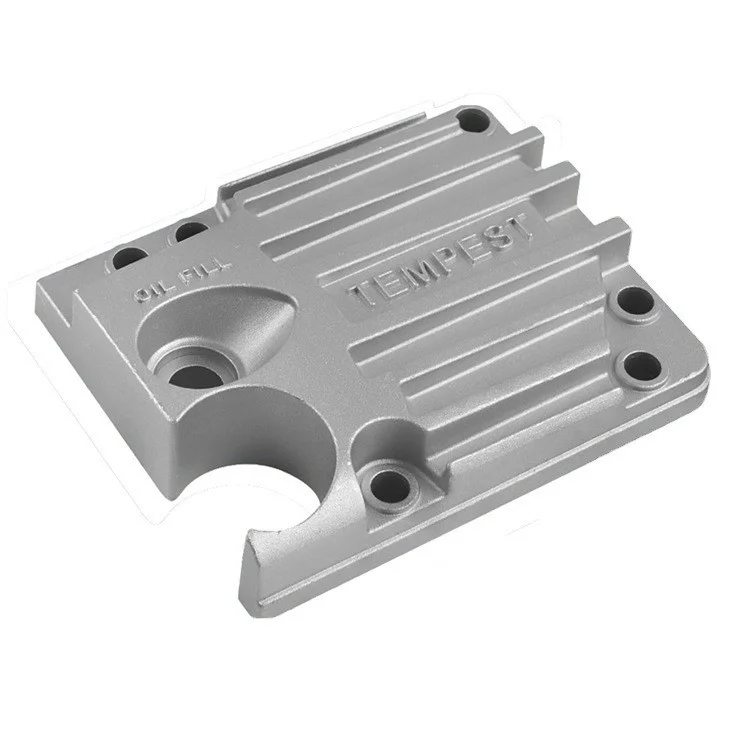
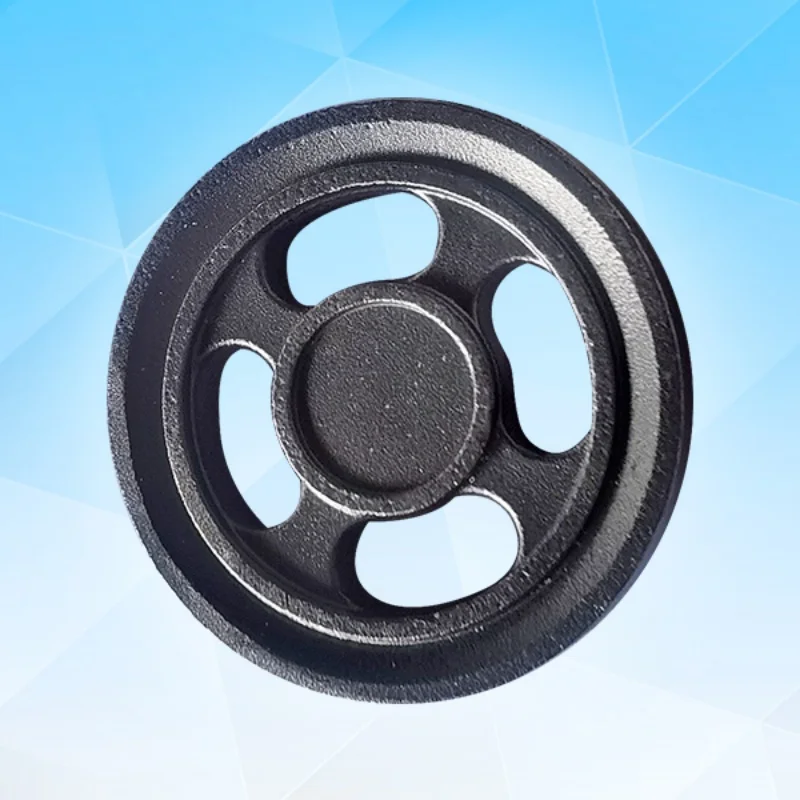
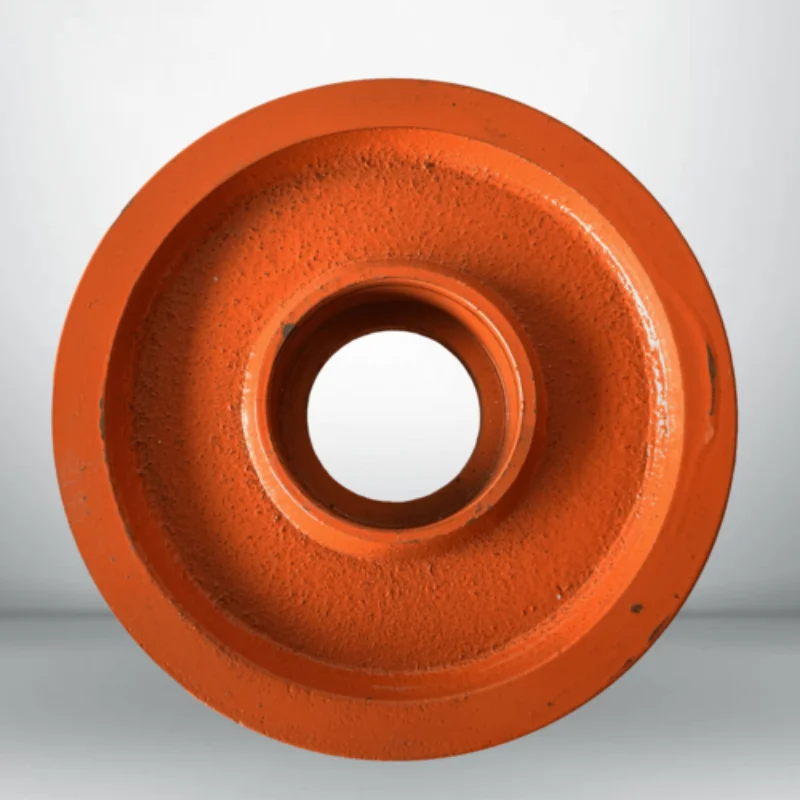
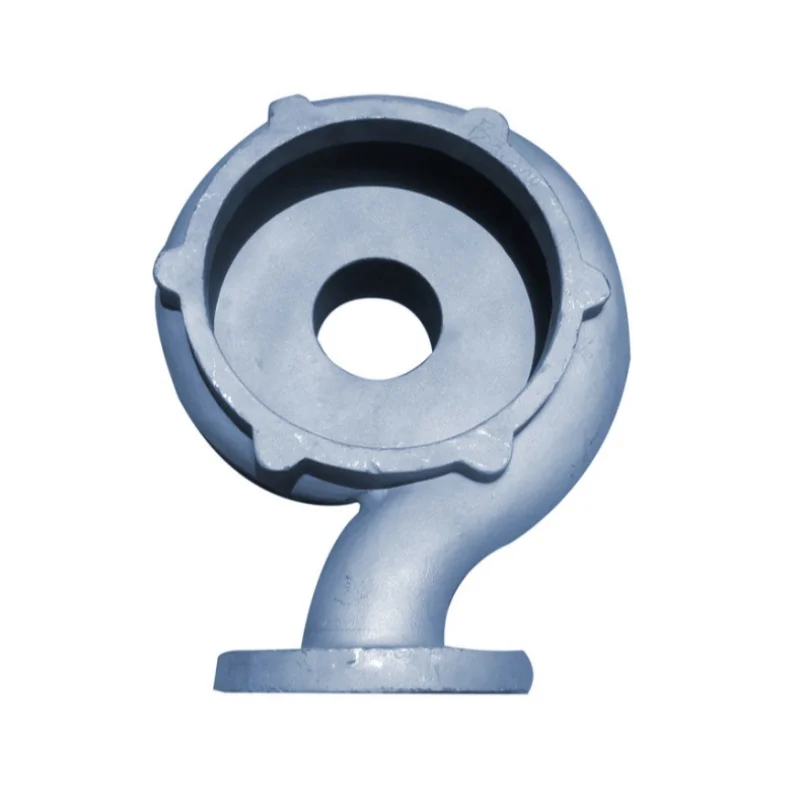
Product nameCasting and CNC Machining ServiceMaterial capbilityStainless steel, Aluminum, Ductile Iron, Grey Iron
-
ManufacturingDie casting and CNC machiningDimensionCustomized dimension
-
ToleranceCustomized toleranceSurface treatmentHeat treatment, Anodizing, galvanizing, Powder Coating, etc
-
ApplicationAuto /medical/agricultural/train/valve/textileQualityFull inspection in house
-
Sample Delivery Time7 working days
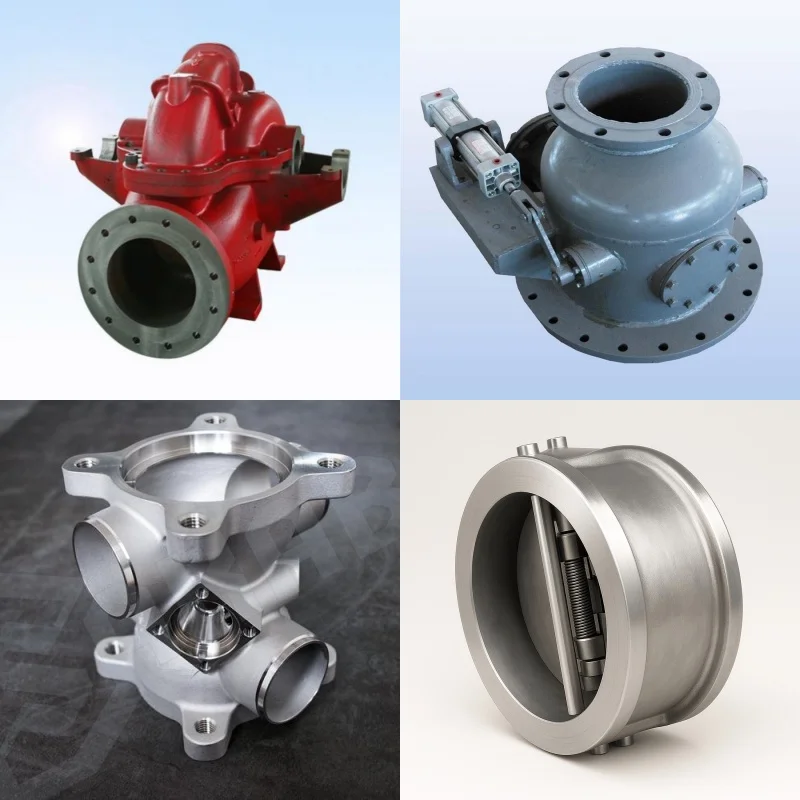
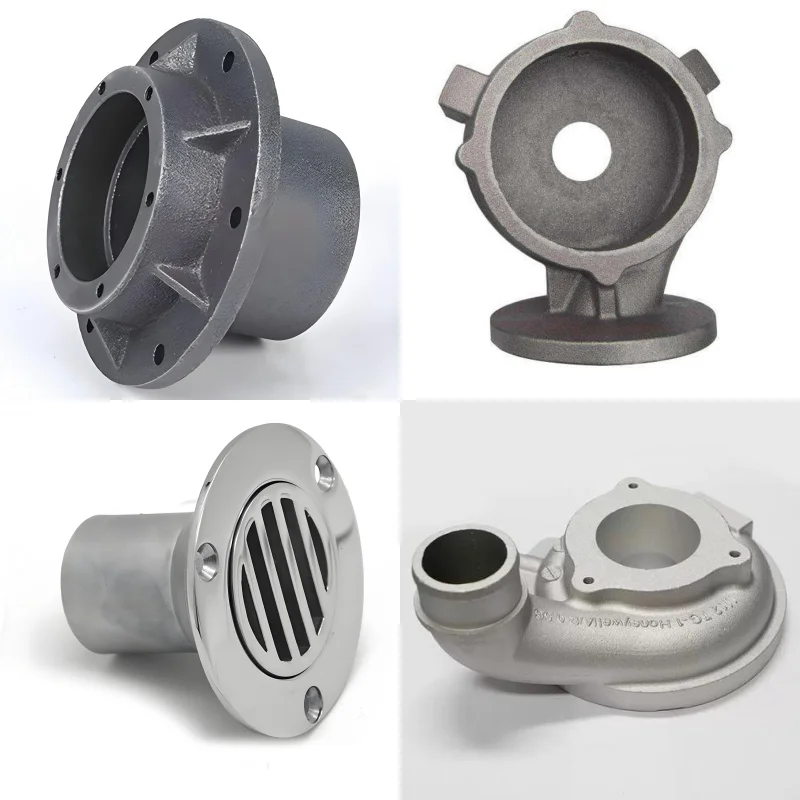
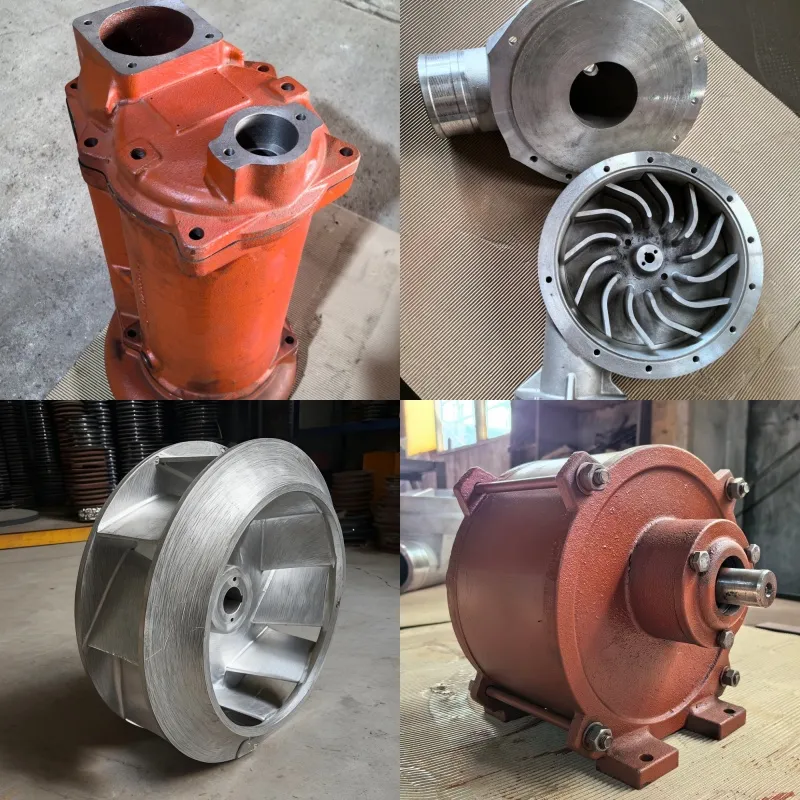
Custom casting and CNC machining requests include stainless steel, aluminum, ductile iron and grey iron. Investment-casting and die-casting directions require actual route selection, with customized material, dimensions and tolerance for the accepted component.
Four metals and the controlled CNC geometry
Select the supplied material specification and casting route from the actual component requirements. Identify CNC-machined areas and controlled dimensions, then define the customized tolerances needed for the part's interfaces and duty. This connects material and work allocation to the required finished geometry.
Heat treatment and three surface directions
Heat treatment, anodizing, galvanizing and powder coating are secondary-work directions. Allocate the required heat and surface work to the selected material and finished condition, with the actual process requirements and acceptance criteria agreed for the part. State the areas and characteristics that need assessment after the chosen work.
Automotive through textile component use
Automotive, medical, agricultural, train, valve and textile are component-use directions. Identify the actual interfaces, operating conditions and functional requirements for the intended item. Agree any application approval or acceptance needed for that particular use.
Full in-house inspection for the custom order
Full in-house inspection is supported, with the responsible inspection site, characteristics, methods, criteria and records to agree. Define finished-part acceptance against the material, drawing, CNC work and heat/surface condition. Complete the custom order with quantity and manufacturing/acceptance responsibilities for the selected component.