
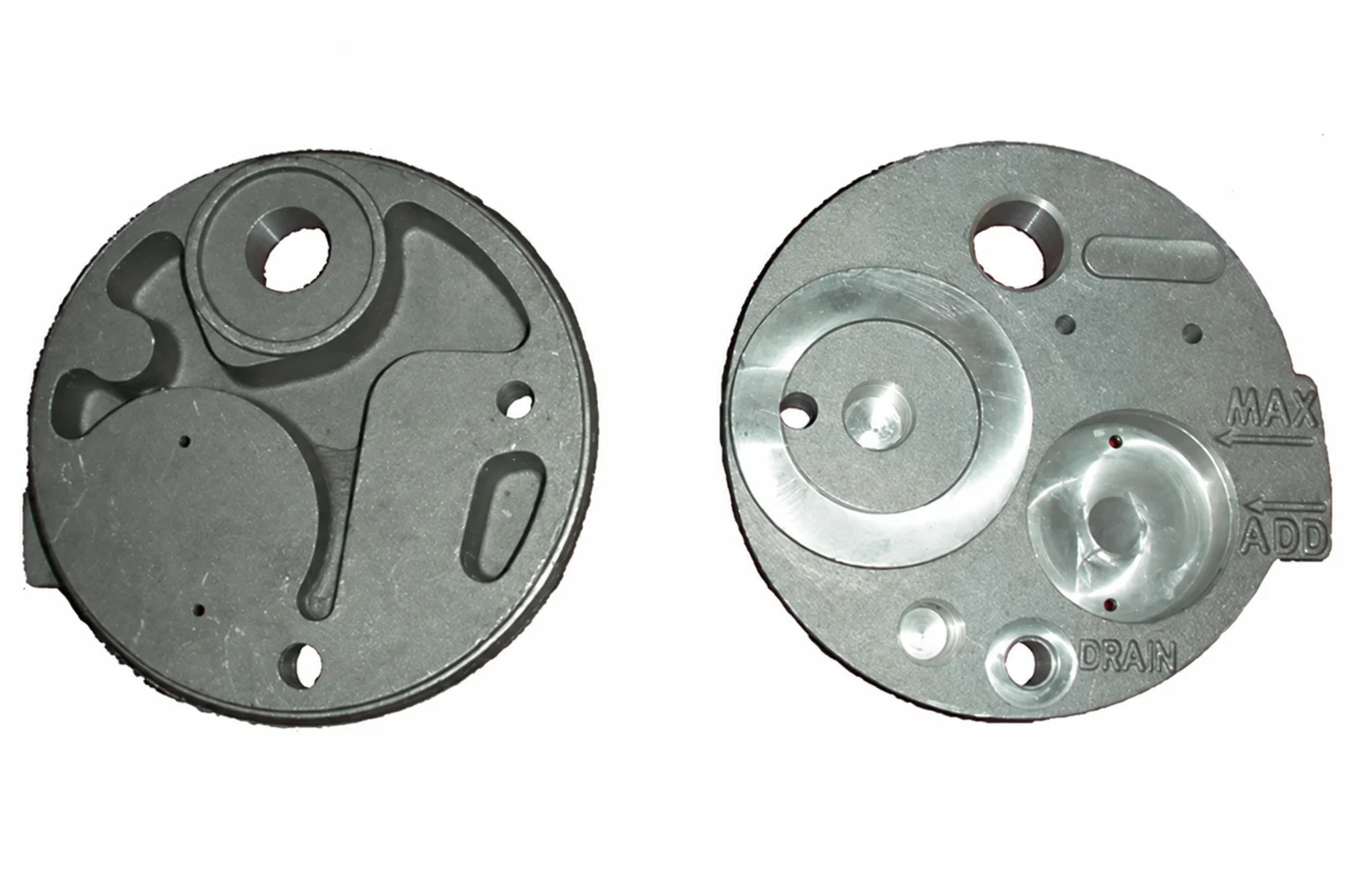
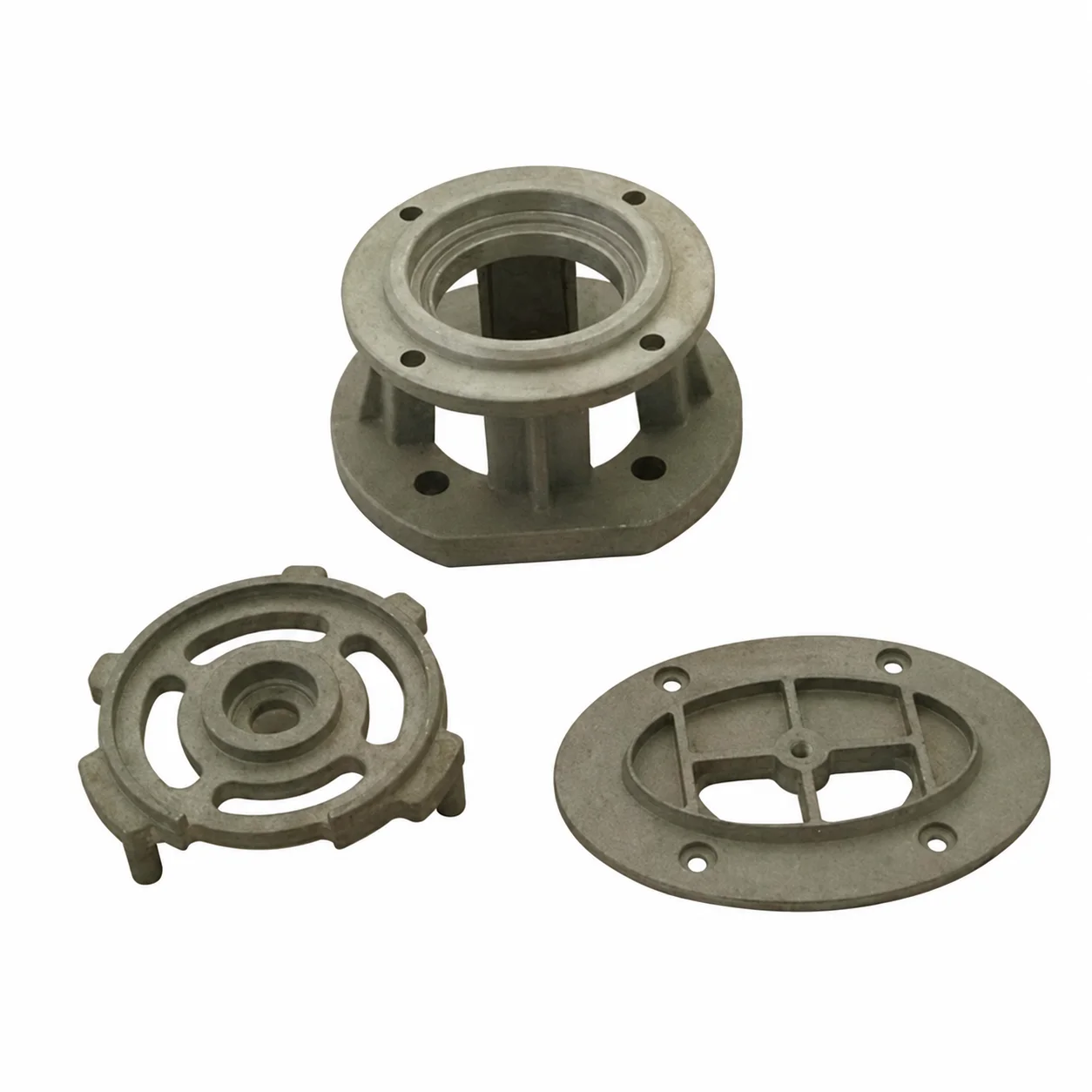
Custom Precision Aluminum/Copper/Stainless-Steel Metal Parts | Investment/Lost-Wax Foundry Casting and Forging Services
Let’s define your requirement
Send a product link, drawing or short brief. We’ll work through the details with you.
- Confirm the specificationGrade or model, size and intended use.
- Define your orderQuantity, finish or configuration, and samples.
- Agree the quotation scopeIncluded work, key checks and delivery needs.
-
NameForging Processing
-
CertificationISO 9001Minimum Order Quantity1000pcs
-
PriceNegotiablePackaging DetailsExport packing and use pallet
-
Delivery TimeWithin 60daysPayment TermsT/T
-
Supply Ability1 million/year
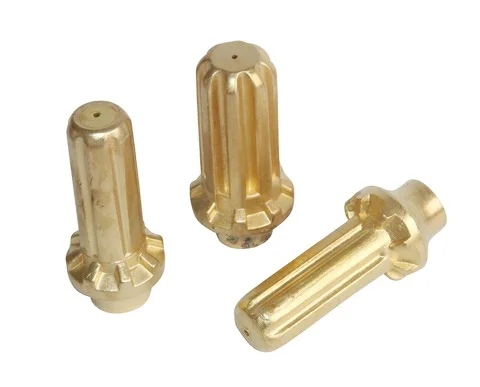
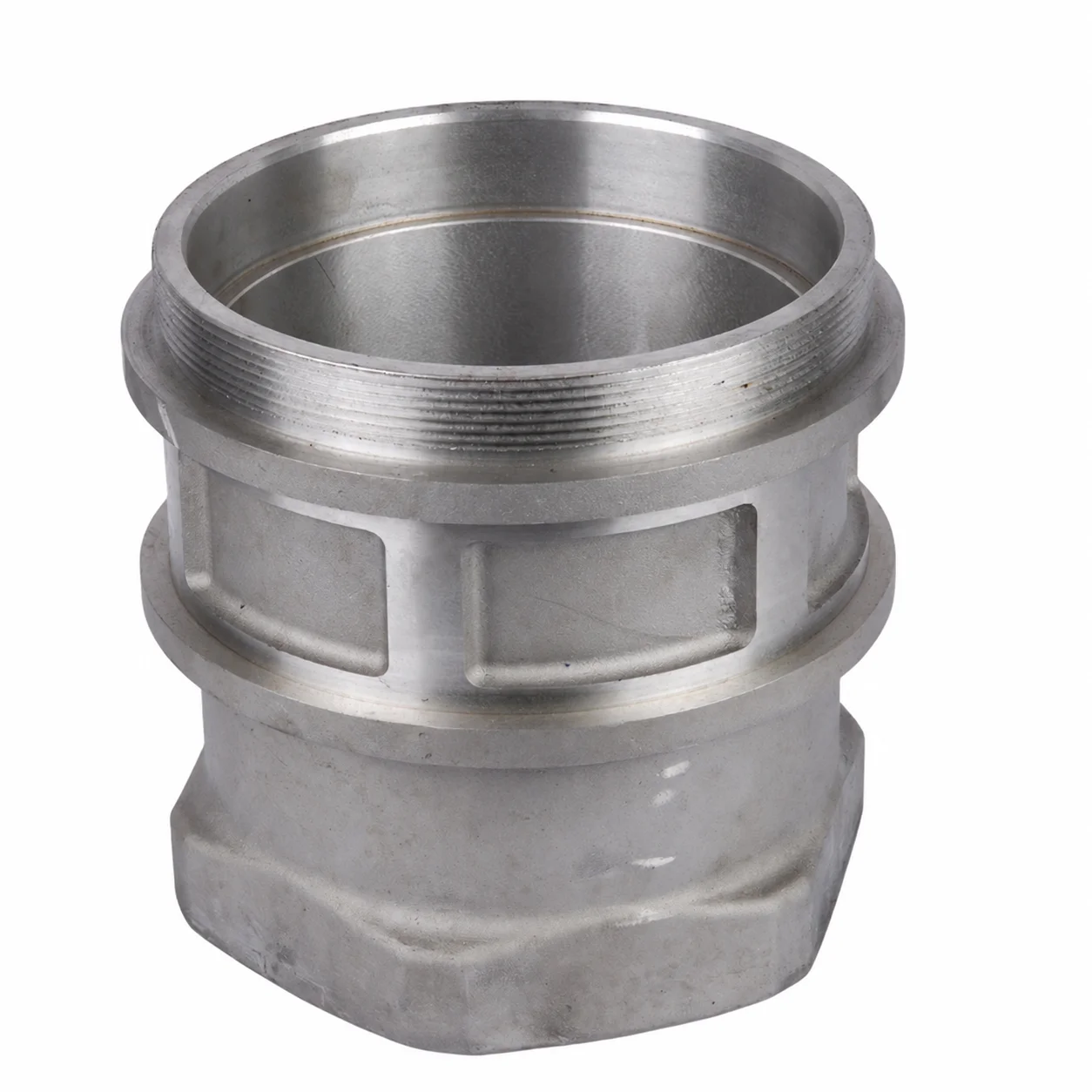
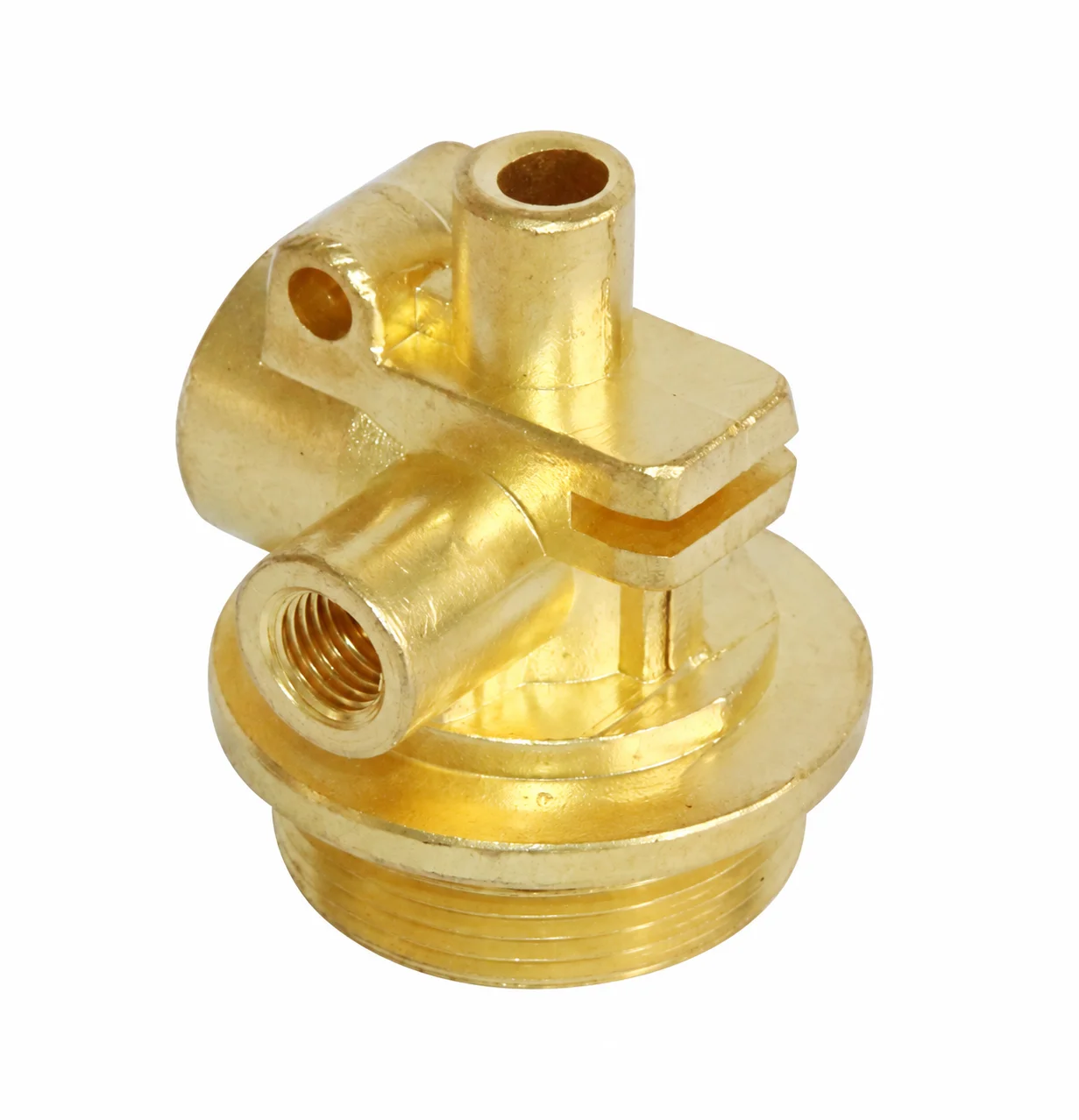
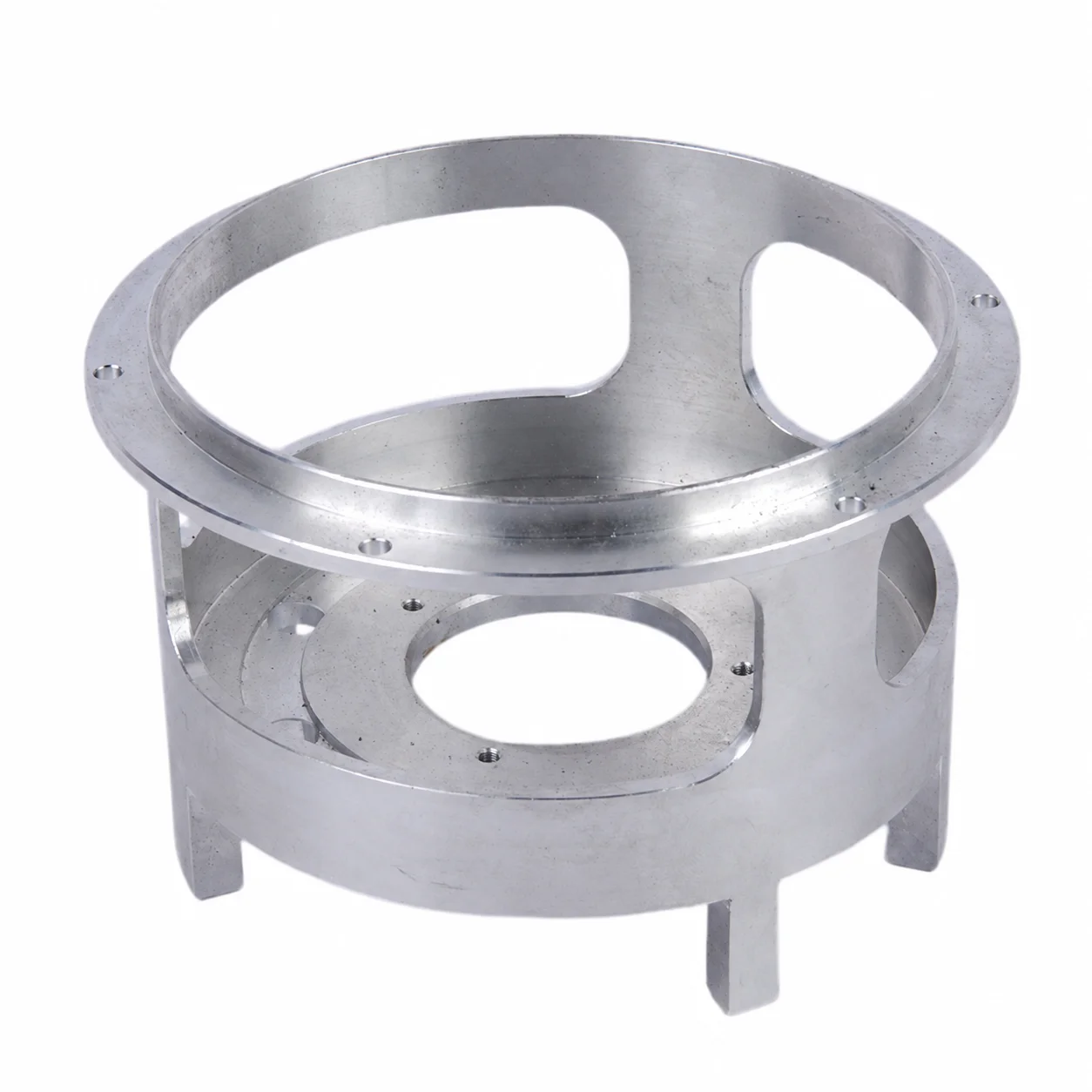
Custom precision metal-work inquiries include aluminum, copper and stainless-steel directions. Investment/lost-wax casting and forging processing are manufacturing routes to select for the actual part. The minimum-order direction is 1,000 pieces, with an annual supply reference whose counted item and applicable production scope should be defined for the selected work.
Material and casting or forging route
Choose the exact material grade and condition needed for the component, then establish whether casting or forging applies to that geometry. Aluminum, copper and stainless steel provide the actual material directions for the inquiry. The part's intended function and operating conditions should guide the selection, with its mating interfaces considered alongside the required manufacturing route.
1,000-piece minimum and annual supply scope
The minimum order is 1,000 pieces for the work direction. Discuss the 1 million-per-year supply reference for the actual component, including what is counted and which production scope it covers. Define the requested order against that component and route, so the procurement discussion concerns the selected manufacturing requirement and its applicable scope.
Geometry and finished-part acceptance
Establish the actual component geometry and dimensional/tolerance acceptance needed for the selected material and process. Define the required surface condition and inspection criteria together with those dimensions. The part's function, interfaces and operating duty should complete that definition before the custom work scope is agreed, linking the manufacturing route and requested order to a specific finished-component requirement.








