
Custom Precision Aluminum and Zinc Die Casting Parts for Machinery | OEM ODM
Let’s define your requirement
Send a product link, drawing or short brief. We’ll work through the details with you.
- Confirm the specificationGrade or model, size and intended use.
- Define your orderQuantity, finish or configuration, and samples.
- Agree the quotation scopeIncluded work, key checks and delivery needs.
-
Surface FinishShot Blasted , Polished
-
Processdie casting parts
-
Materialaluminum or zincServiceOEM/ODM
-
AdvantageR&D ability, FREE design, All in one solutionCertificationISO9001:2001 Certified
-
Finishpolish, powder coating, sandblast, shot blast, zinc platingProduction Lead Time2-6 weeks
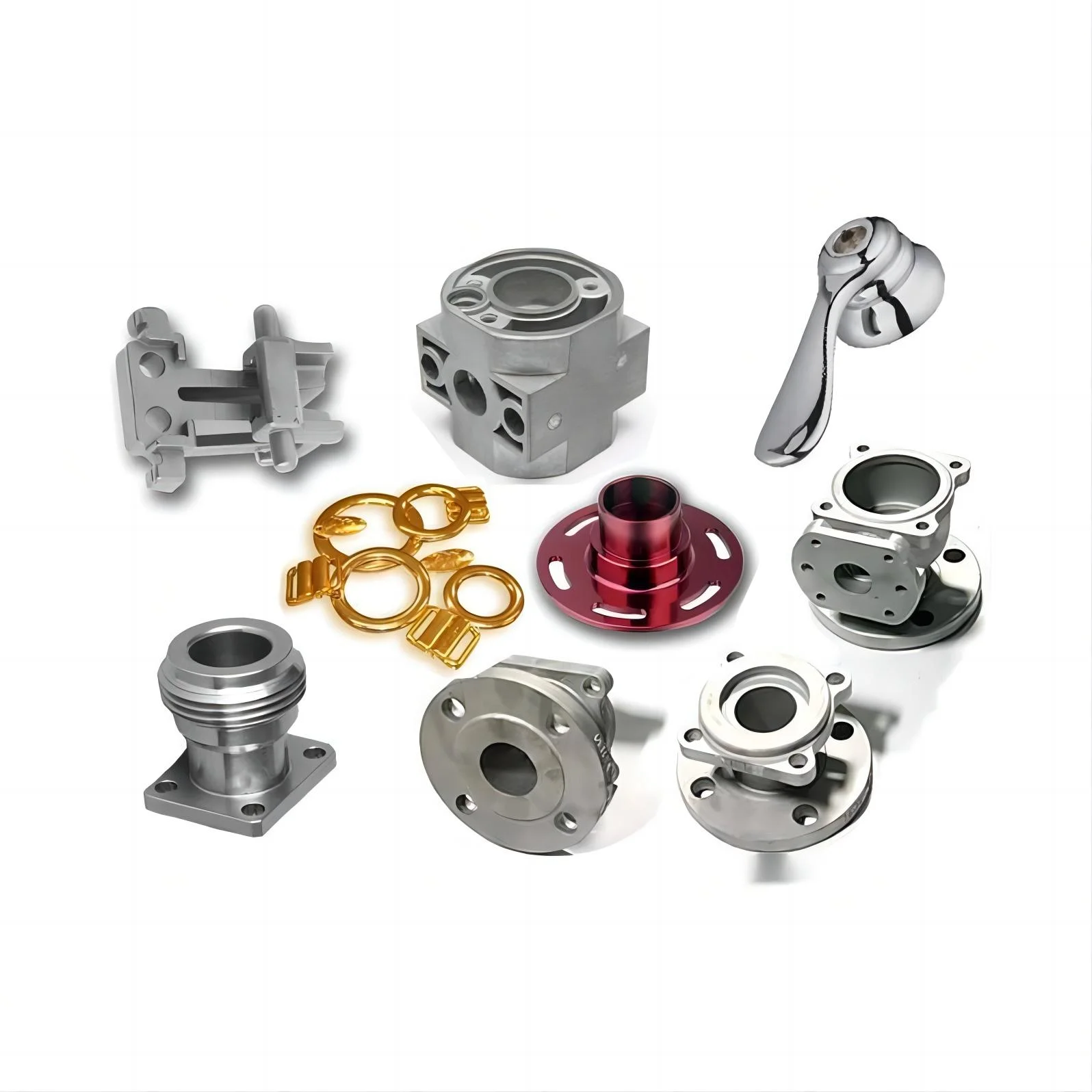
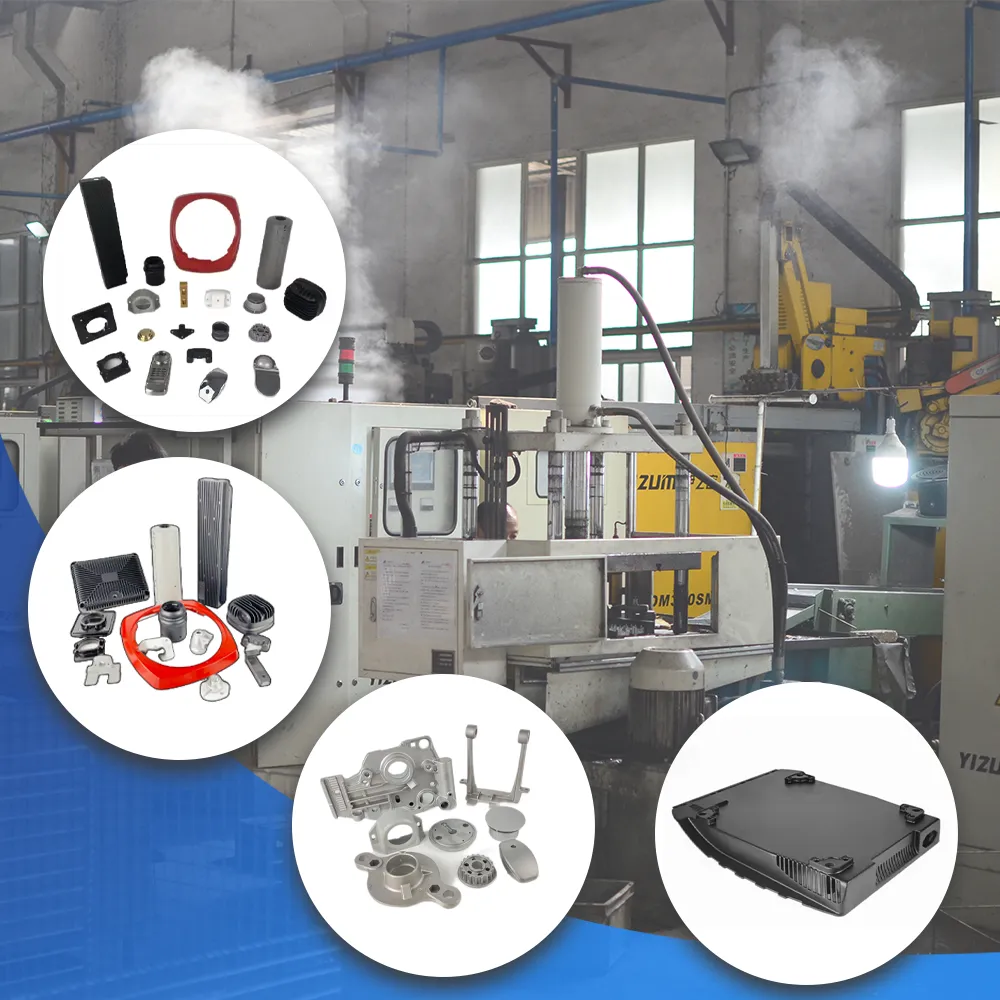
Customized precision aluminum alloy die casting parts support machinery enquiries through OEM and ODM service. Aluminum or zinc can be selected for the project, with R&D and design support forming part of an integrated solution. The actual alloy grade, component geometry and machinery interface should guide the casting discussion.
Define the component with design and R&D support
Describe the part's role in the machinery and the dimensions that govern its interface with other components. Use the OEM/ODM enquiry to define the design work and the intended finished-part requirements. R&D and design support should be connected to that particular scope so the integrated solution addresses the selected component.
Choose a finish for aluminum or zinc
Finish choices include polishing, powder coating, sandblasting, shot blasting and zinc plating. Identify the selected substrate and the surfaces to be treated before choosing the process. Define the required appearance and service conditions with the finish acceptance criteria so the proposed treatment can be considered for the actual alloy.
Confirm the certificate requirement and acceptance plan
For an ISO9001:2001 certification enquiry, confirm the applicable ISO9001 edition and certificate scope before using it as an acceptance requirement. Include the quality records needed for the actual machinery component. Agree numerical tolerances, inspection coverage and any secondary operations for the project, alongside the selected alloy and surface criteria. A consistent drawing revision gives design, casting and finish discussions the same definition of the custom part.








