
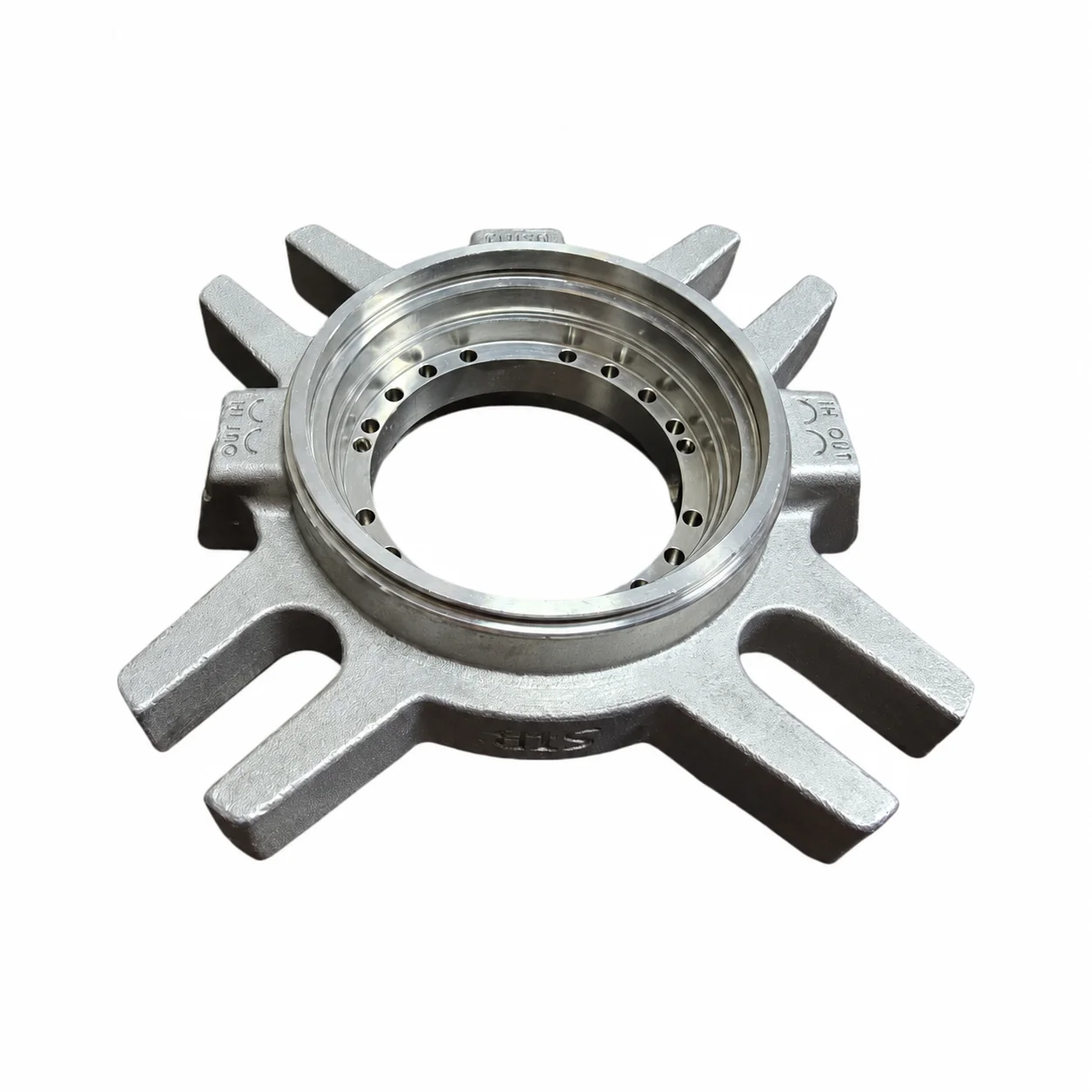
Custom Precision 304 and 316 Stainless Steel Lost Wax Investment Casting Services with CNC Finishing
Let’s define your requirement
Send a product link, drawing or short brief. We’ll work through the details with you.
- Confirm the specificationGrade or model, size and intended use.
- Define your orderQuantity, finish or configuration, and samples.
- Agree the quotation scopeIncluded work, key checks and delivery needs.
-
Surface FinishSandblasted , Polished
-
Manfacturing ProcessInvestment Casting
-
Testing and InspectionSpectrometer, Ultrasonic, X-Ray, Chemical and Mechanical Analysis, NDTSurface TreatmentPainting, Sand Blasting, Powder Coating, Polishing, Electroplating
-
Machining ProcessCNC Finishing ProcessDrawing Format2D/(PDF/CAD)3D(IGES/STEP)
-
ToleranceCT4-CT7ApplicationAutomotive, Railway, Marine, Food Processing, Chemical Processing
-
CertificateISO9001Weight0.005-100kg
-
Material Grades304, 304L, 316, 316L, 2205, 2207 and more
Select a stainless steel investment casting by connecting the material grade, dimensional requirements and inspection plan. This lost wax casting service includes CNC finishing and several inspection methods, giving a drawing-led enquiry clear topics to resolve for the particular component and its intended duty.
Which stainless steel grades can be specified?
Grades include 304, 304L, 316, 316L, 2205 and 2207. Identify the required grade for each custom investment casting, then explain the component's operating duty and environment. The grade discussion can address automotive, railway, marine, food-processing or chemical-processing components. Treat the industry application as the starting point for material selection, while keeping the actual component's requirements central to the enquiry.
How do CT4–CT7 tolerances relate to CNC finishing?
The casting tolerance range is CT4–CT7, and CNC finishing forms part of this lost wax casting service. Mark the dimensions and features that need machining on the component drawing, and agree the applicable dimensional requirements for its final geometry. Distinguishing casting requirements from finished machined dimensions helps make the requested acceptance criteria clear.
What drawing files and inspection methods support the enquiry?
Prepare 2D PDF/CAD files or 3D IGES/STEP models for the stainless steel component. Inspection methods include spectrometer analysis, ultrasonic examination, X-ray inspection, chemical and mechanical analysis, and NDT. Identify the required checks and acceptance criteria for the component's actual duty.
Which surface-treatment routes can be discussed?
Painting, sand blasting, powder coating, polishing and electroplating are surface-treatment choices for the custom casting enquiry. Coordinate the selected finish with the inspection plan and the features requiring CNC work, so the material, final appearance and requested checks describe the same component.








