
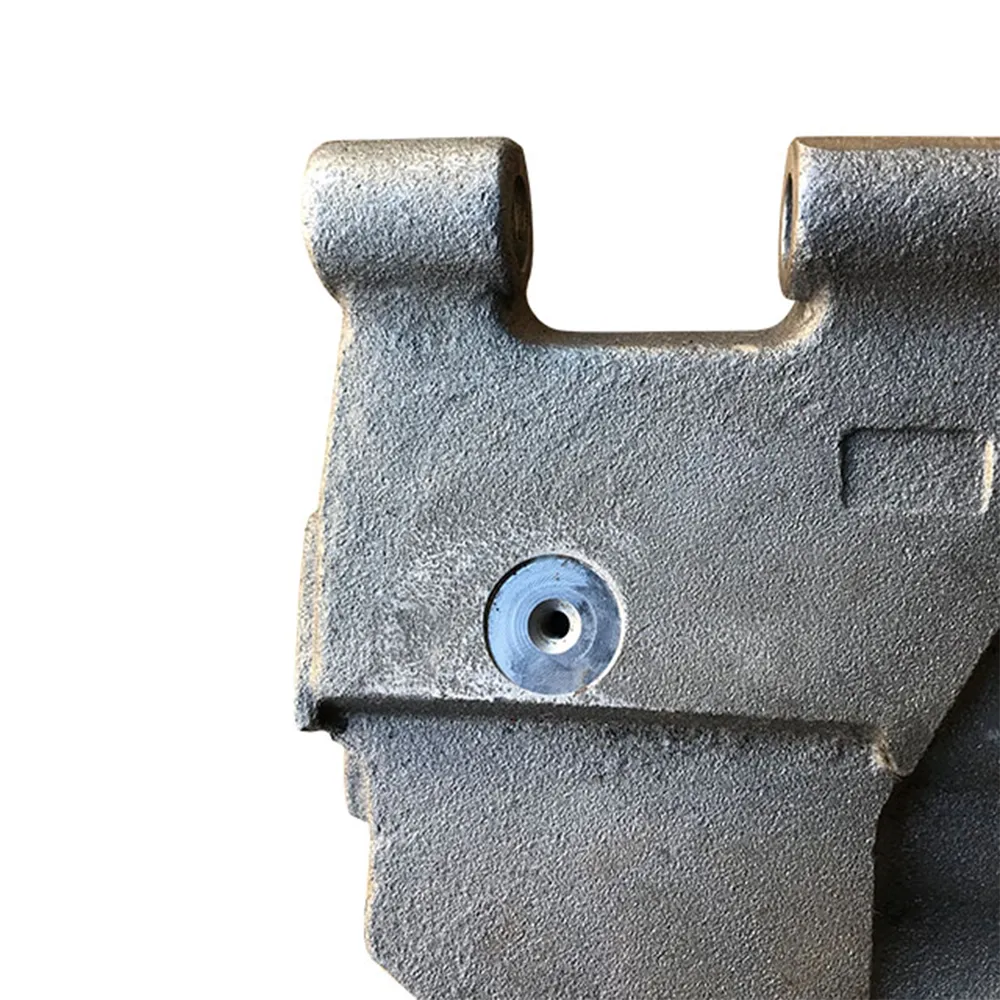
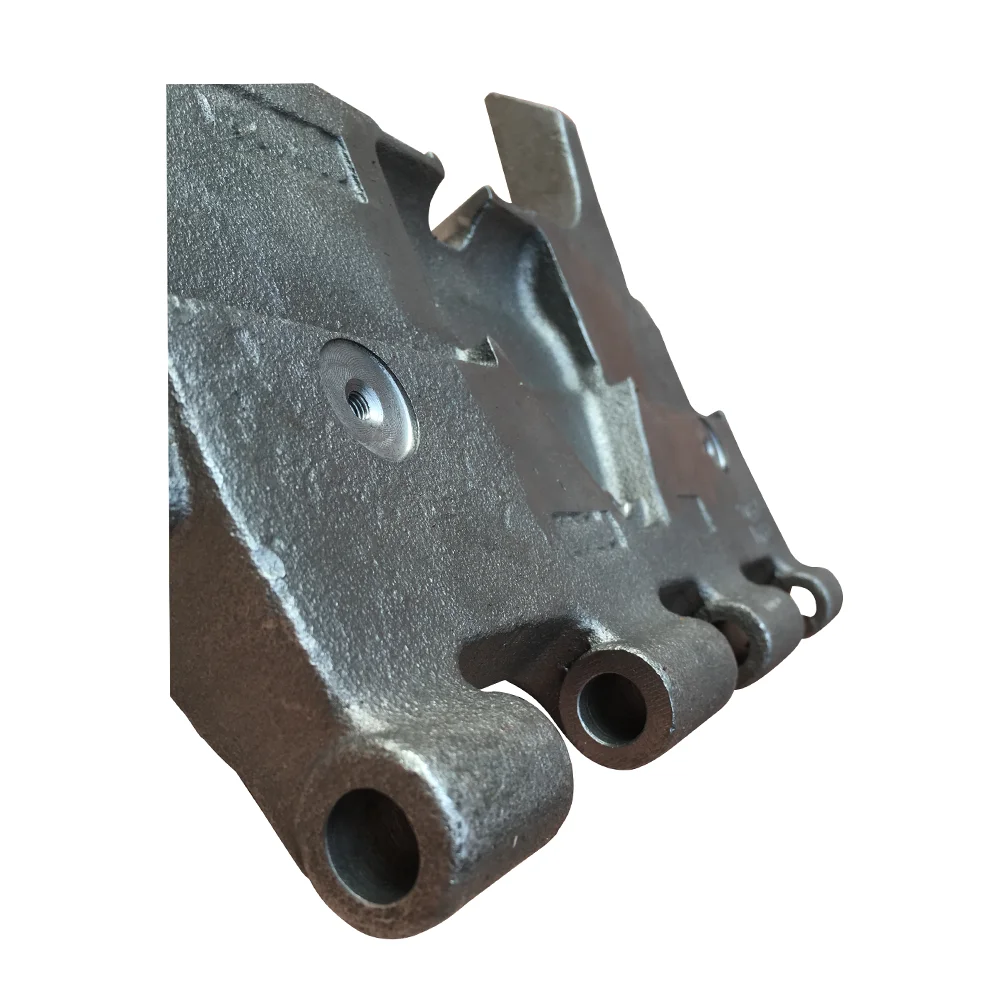
Custom OEM Steel Train Parts | Precision Investment/Lost-Wax Casting, Machining and Spray-Paint Inquiry
Let’s define your requirement
Send a product link, drawing or short brief. We’ll work through the details with you.
- Confirm the specificationGrade or model, size and intended use.
- Define your orderQuantity, finish or configuration, and samples.
- Agree the quotation scopeIncluded work, key checks and delivery needs.
-
Surface FinishPainted , Machined
-
ProcessPrecision Casting, Investment Casting
-
MaterialIron, Steel, AluminumSurfaceMachining Or Spay Painting
-
Heat TreatmentAnnealing, Normalizing, Quenching, Tempering For Lost Wax CastingCertificationApprovals ISO9001, TUV-PED,BV For Lost Wax Casting
-
InspectionPressure Test, Sealing TestRequirements For MaterialsHardness, Tensile Strength, Elongation, Impact Toughness
-
Requirements For SizeDimensional Accuracy And Shape AccuracyProduction EquipmentsInvestment Casting Parts Producing Machine Is Advanced
-
Technology StrengthPowerful Technology Team
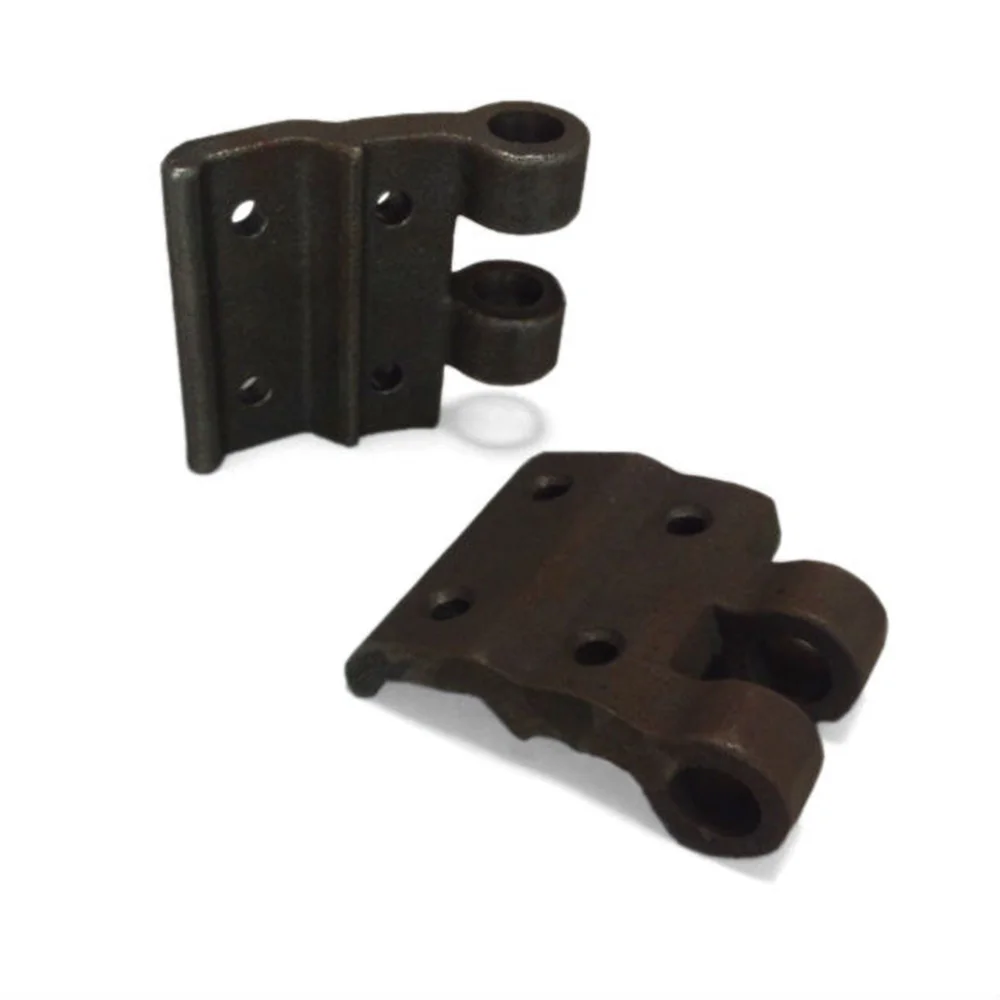
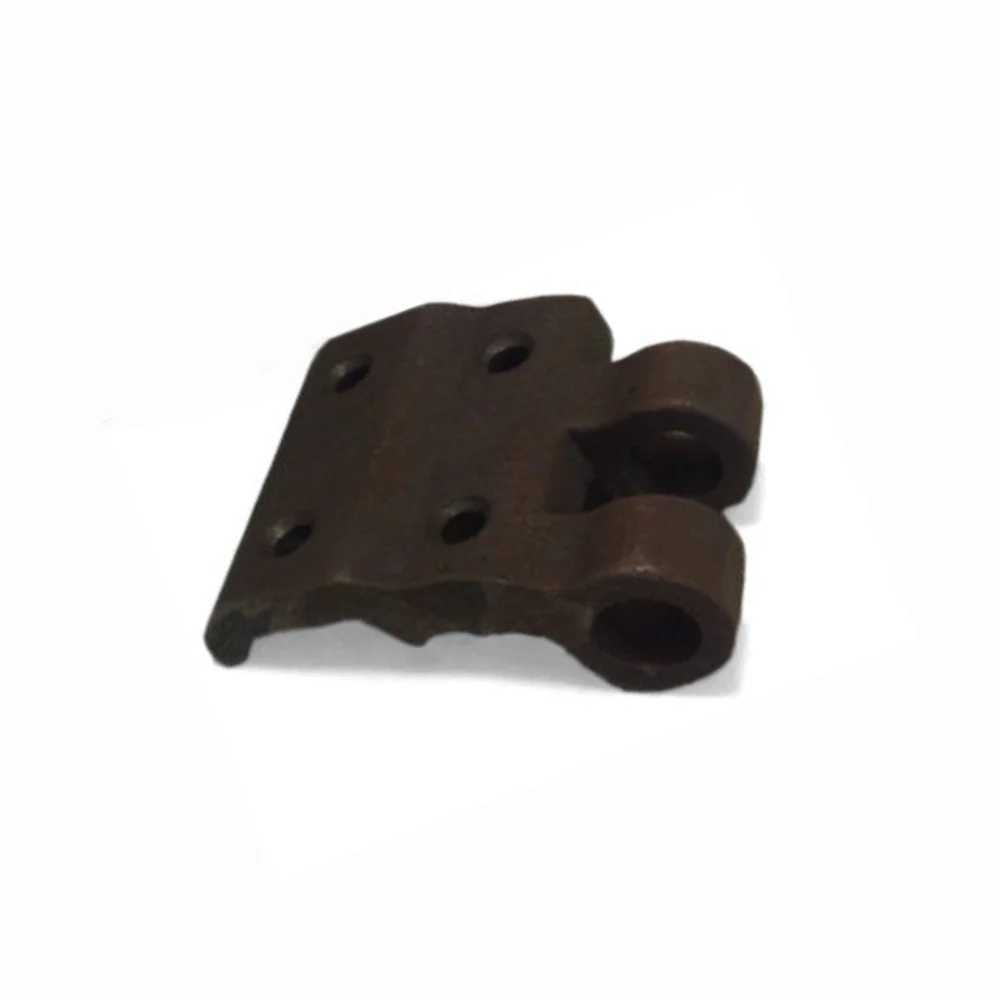
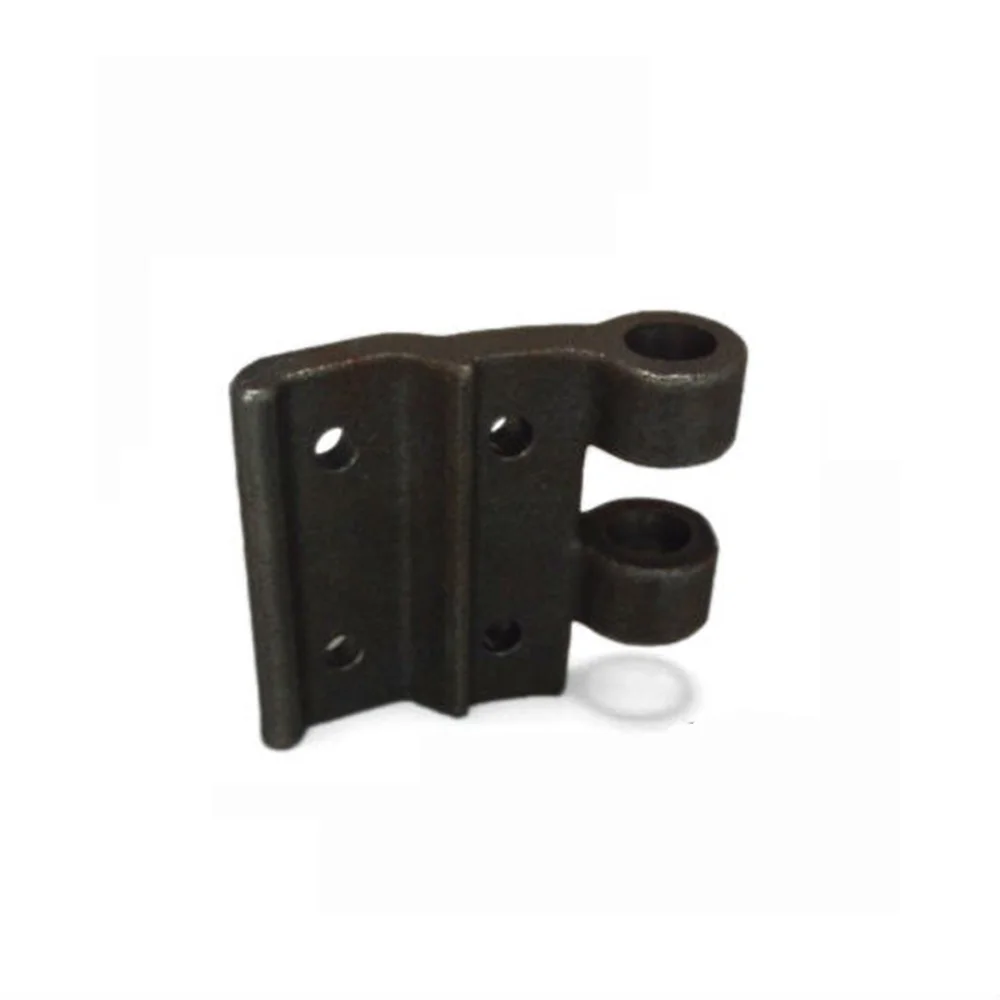
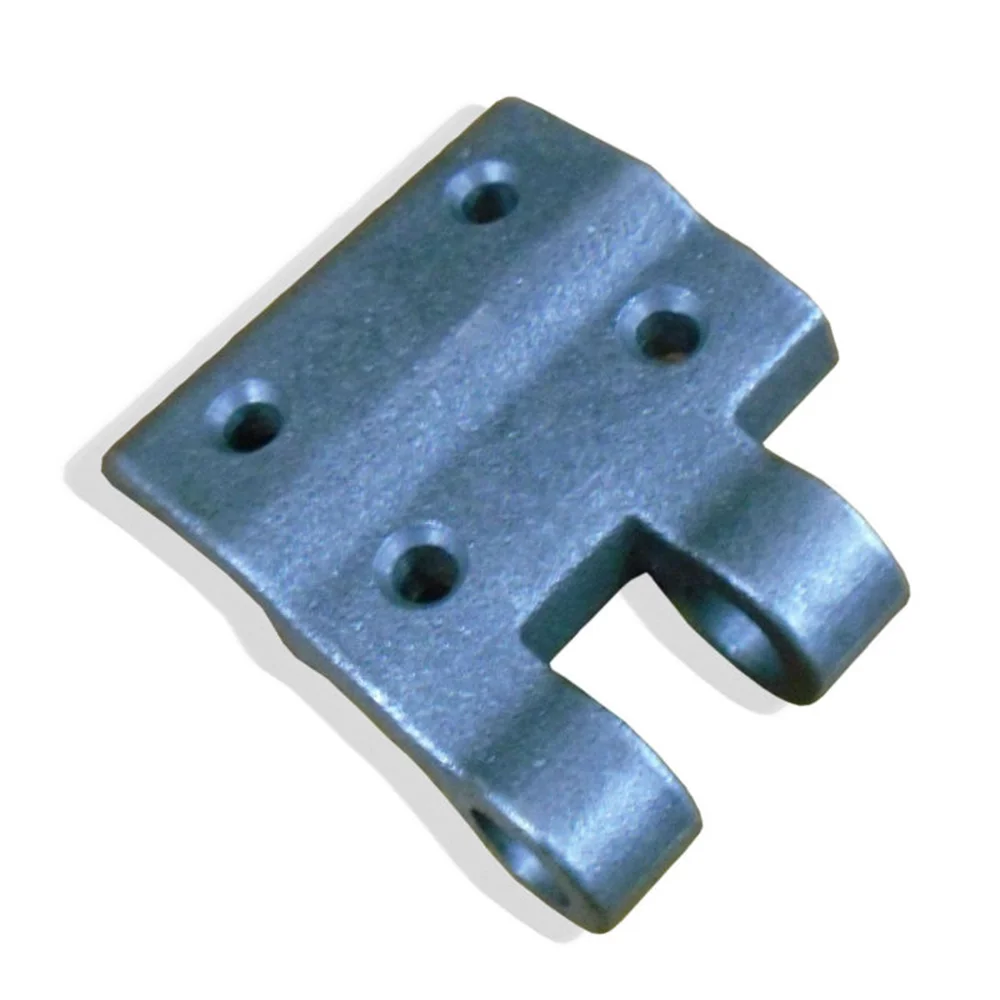
Custom OEM steel train parts use precision investment/lost-wax casting and machining. Additional material directions include iron and aluminum, with machining or spray painting as selected work/surface options. The actual train component and its duty should define the material, geometry and finished acceptance.
Train-component material and geometry
Select the actual steel, iron or aluminum requirement for the component and identify its intended function. Define the dimensions, shape and interfaces needed for that train-part task. Connect material acceptance to the actual geometry and operating conditions so the OEM inquiry addresses a specific component.
Heat treatment and machining or spray paint
Heat-treatment directions include annealing, normalizing, quenching and tempering. Agree which treatment applies to the actual material and required condition. Define the machining or spray-painted areas and their finished acceptance, keeping the chosen operations connected to the component's interfaces and intended duty.
Material properties and dimensional acceptance
Material-requirement categories include hardness, tensile strength, elongation and impact toughness. Dimensional and shape accuracy also belong in the selected component's acceptance scope. Define the actual property values, geometry and inspection criteria needed for that material and train-part function, connecting them to the chosen process and finished condition.
Pressure and sealing test requirements
Inspection capabilities include pressure testing and sealing testing. Agree the actual test method, areas and acceptance criteria applicable to the component, together with any qualification required for its use. Relate those checks to the selected material, heat treatment and finished geometry so the manufacturing request describes the actual part and the evidence needed for its intended train-equipment duty.








