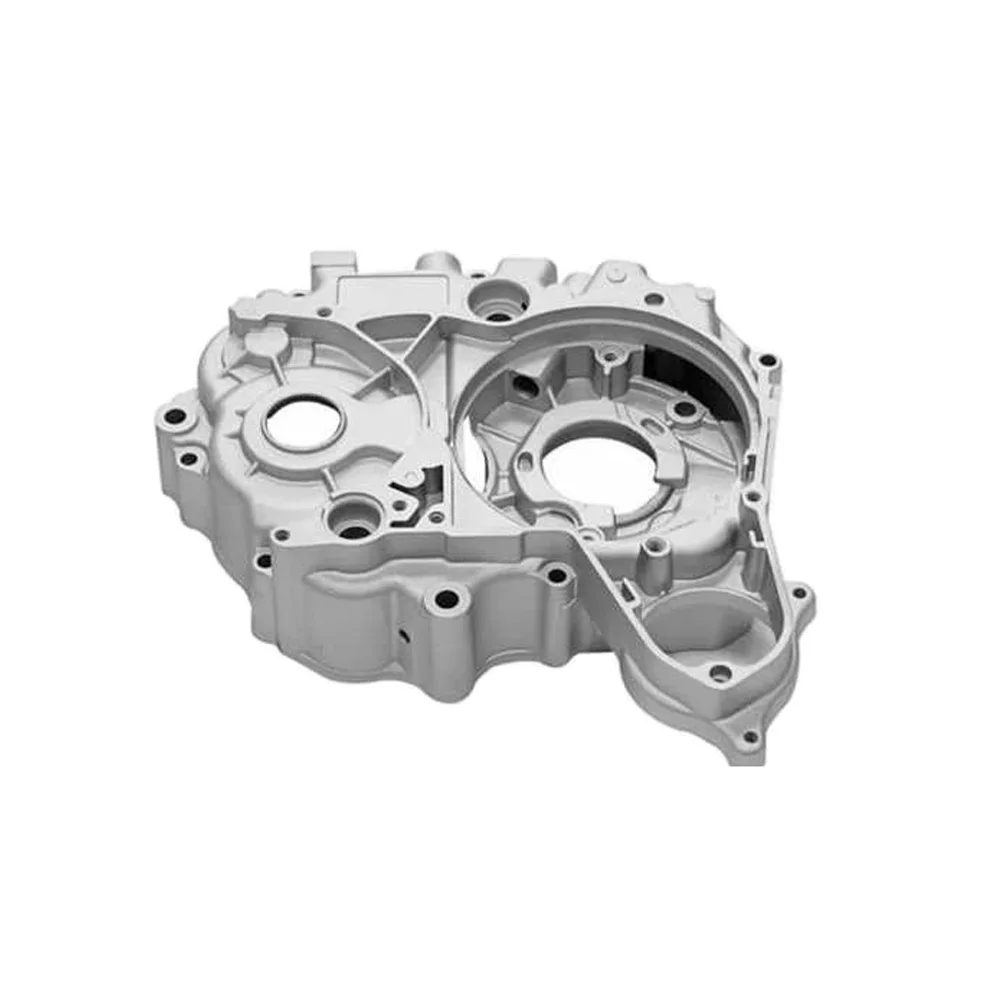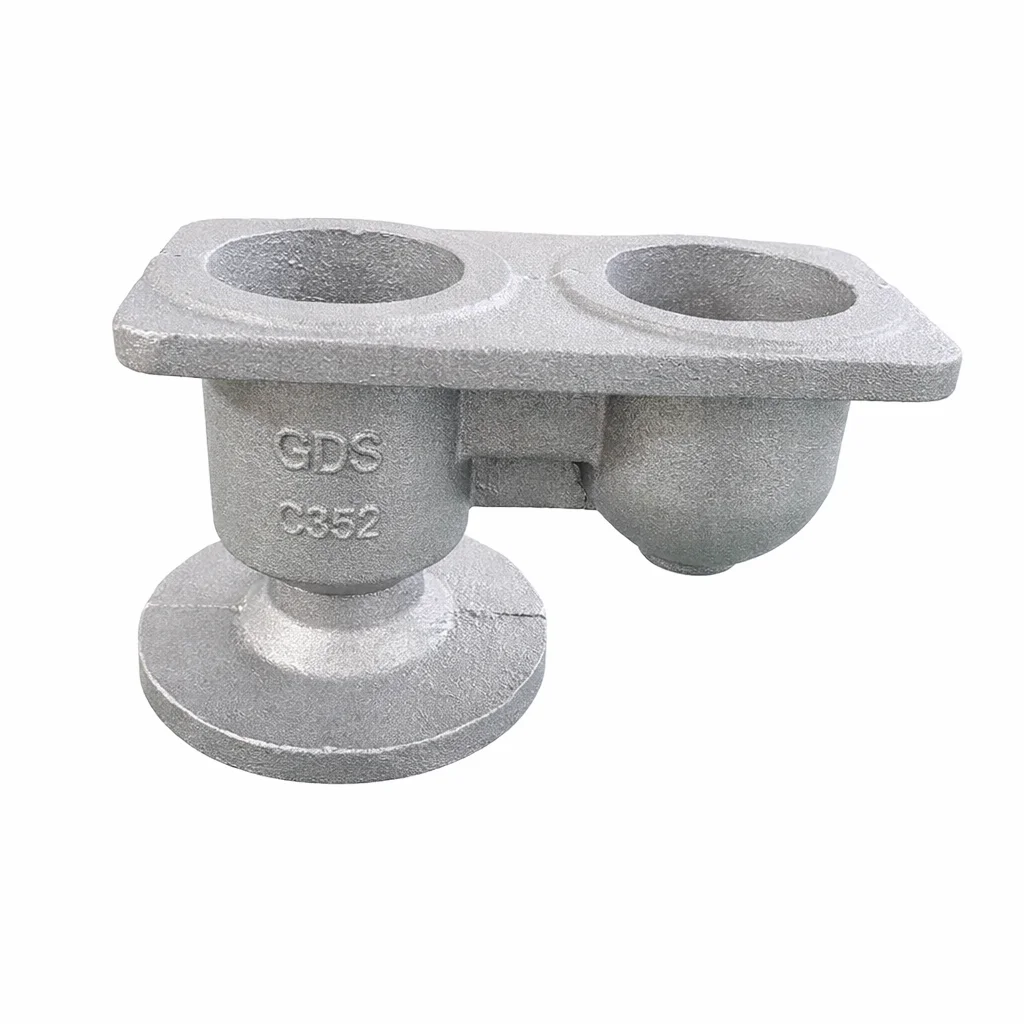
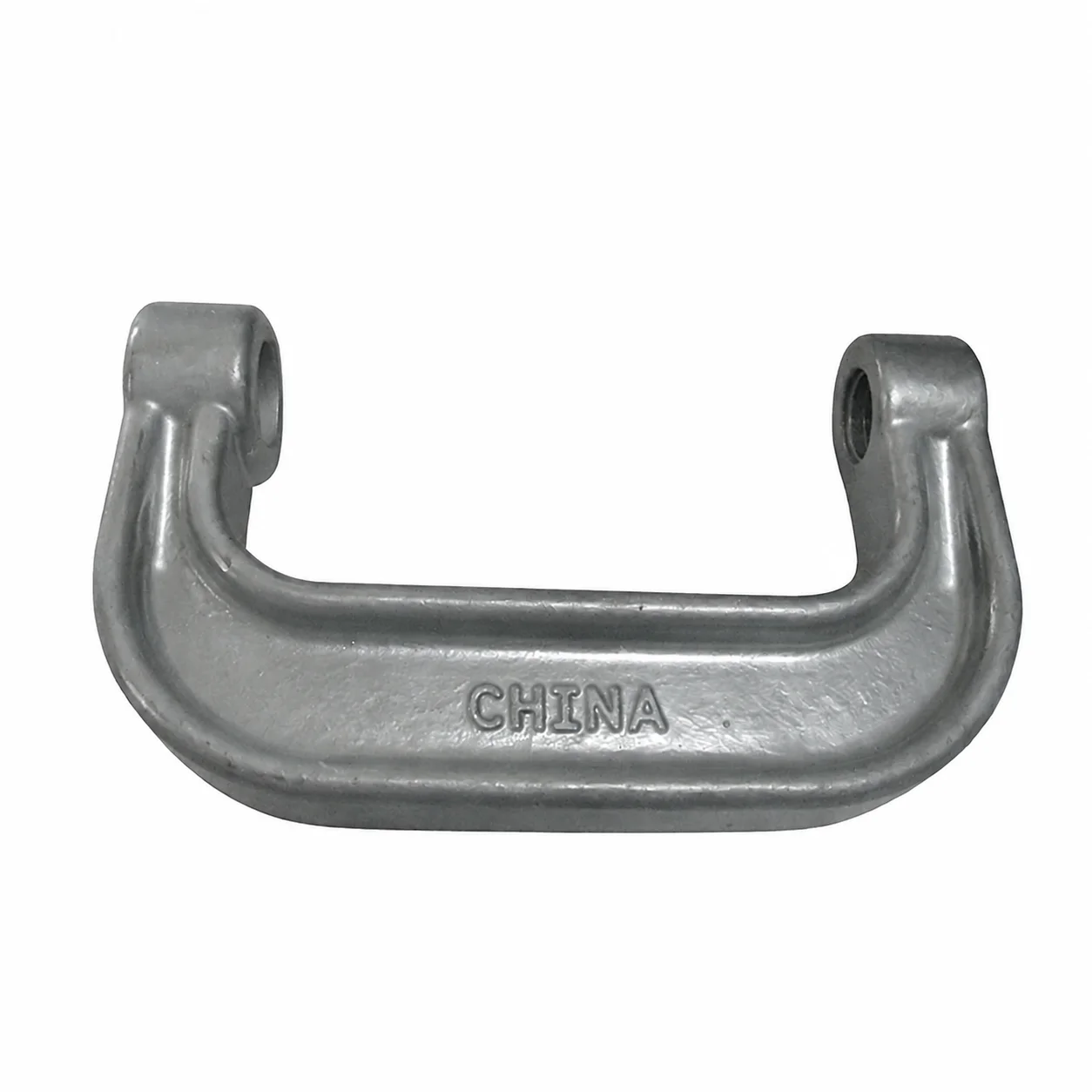
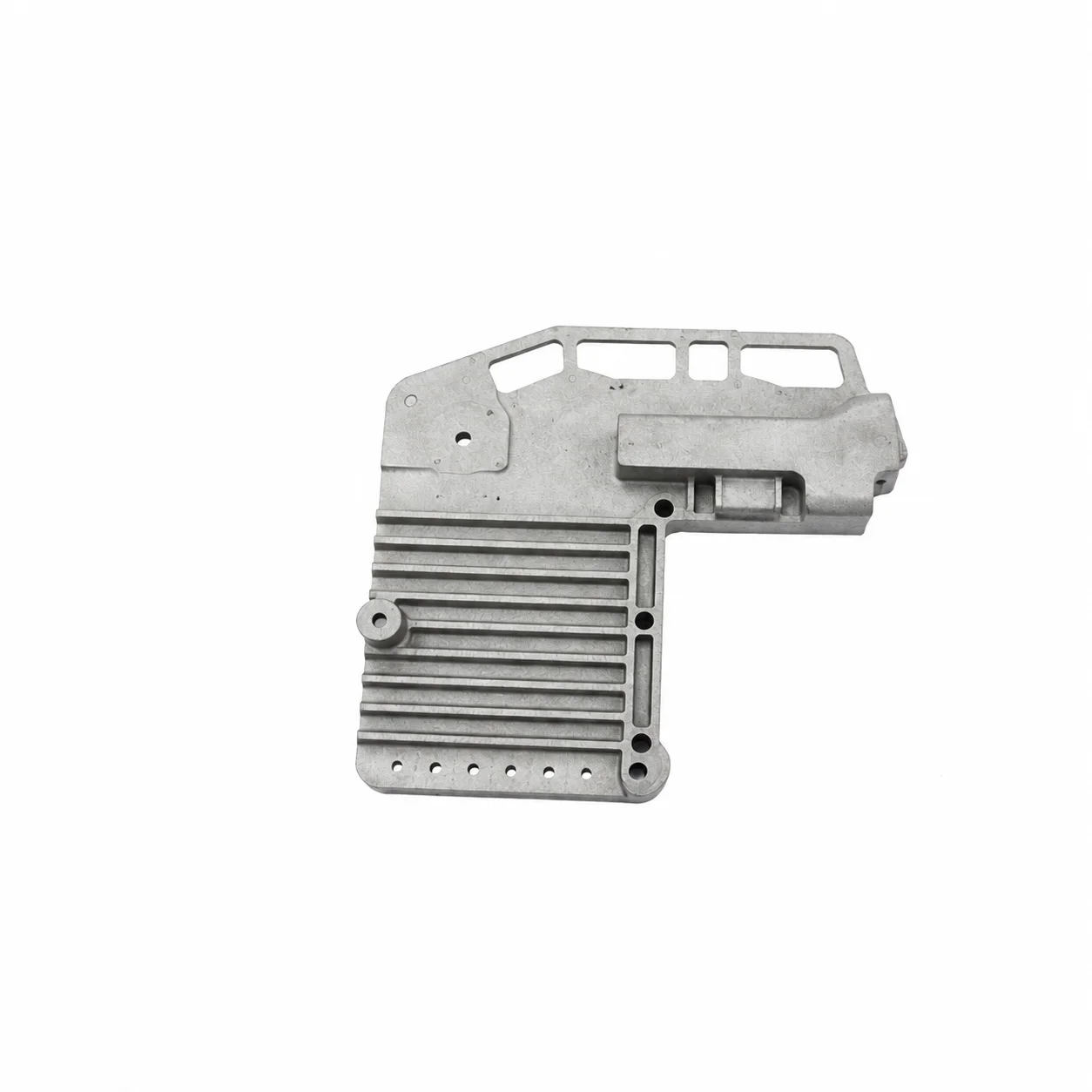
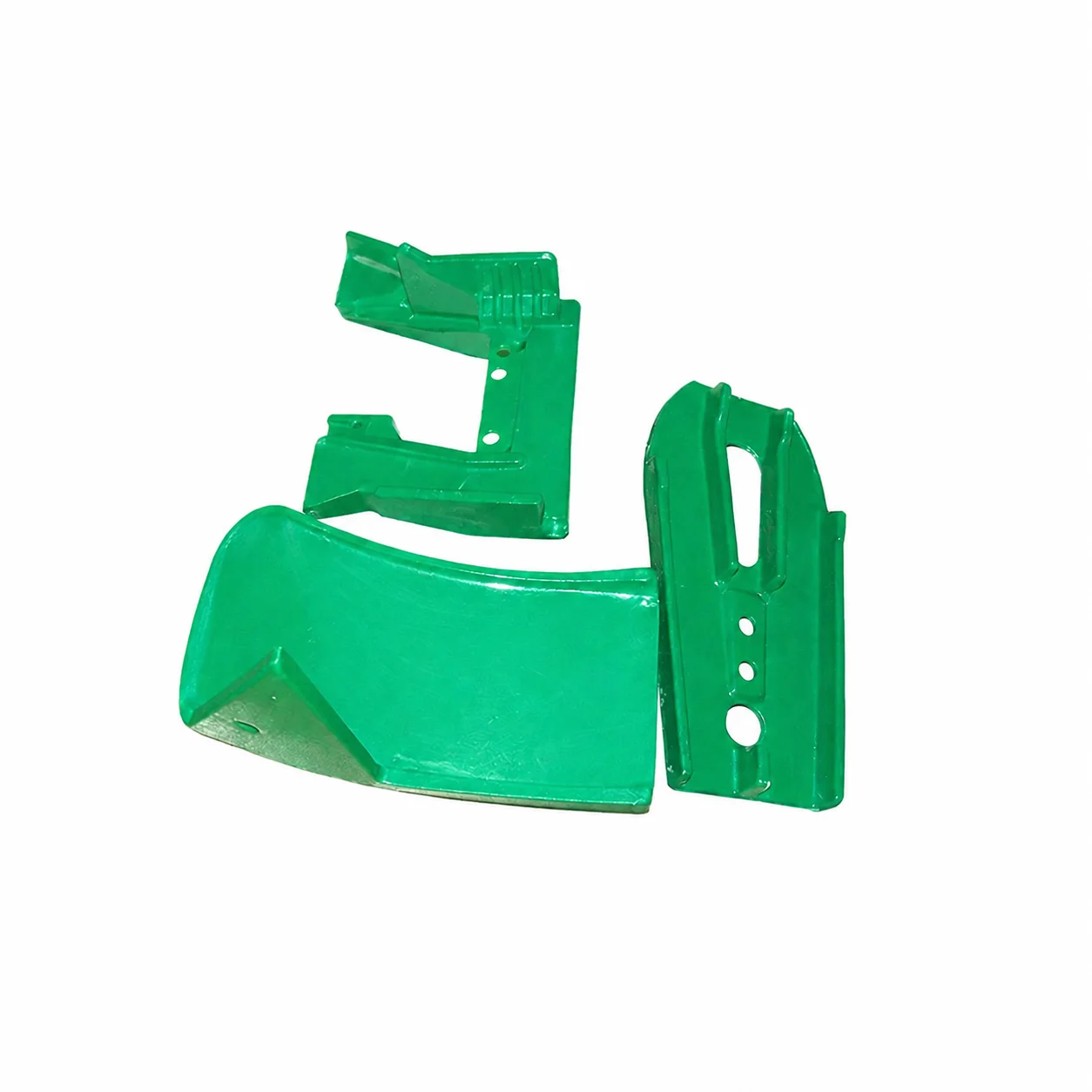
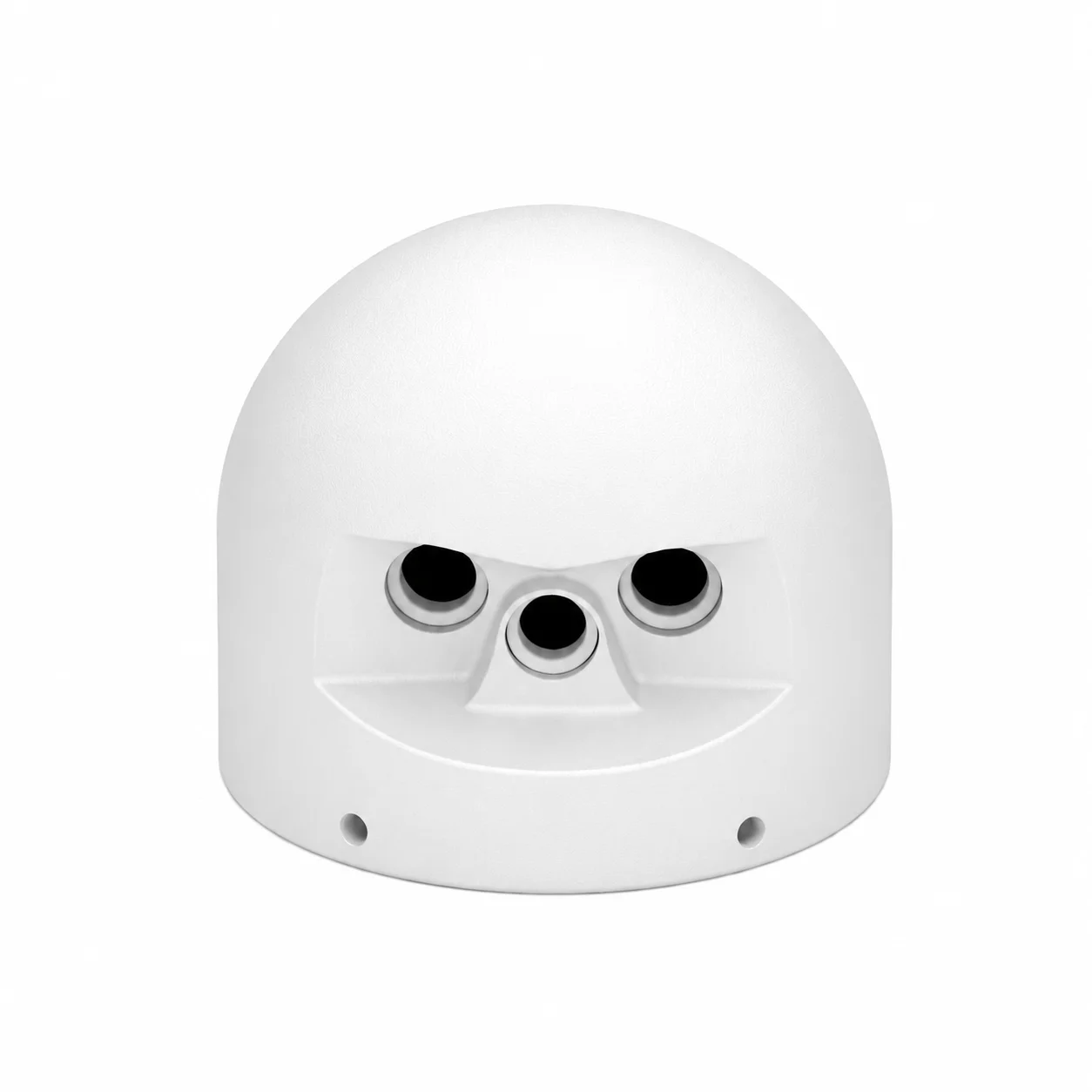
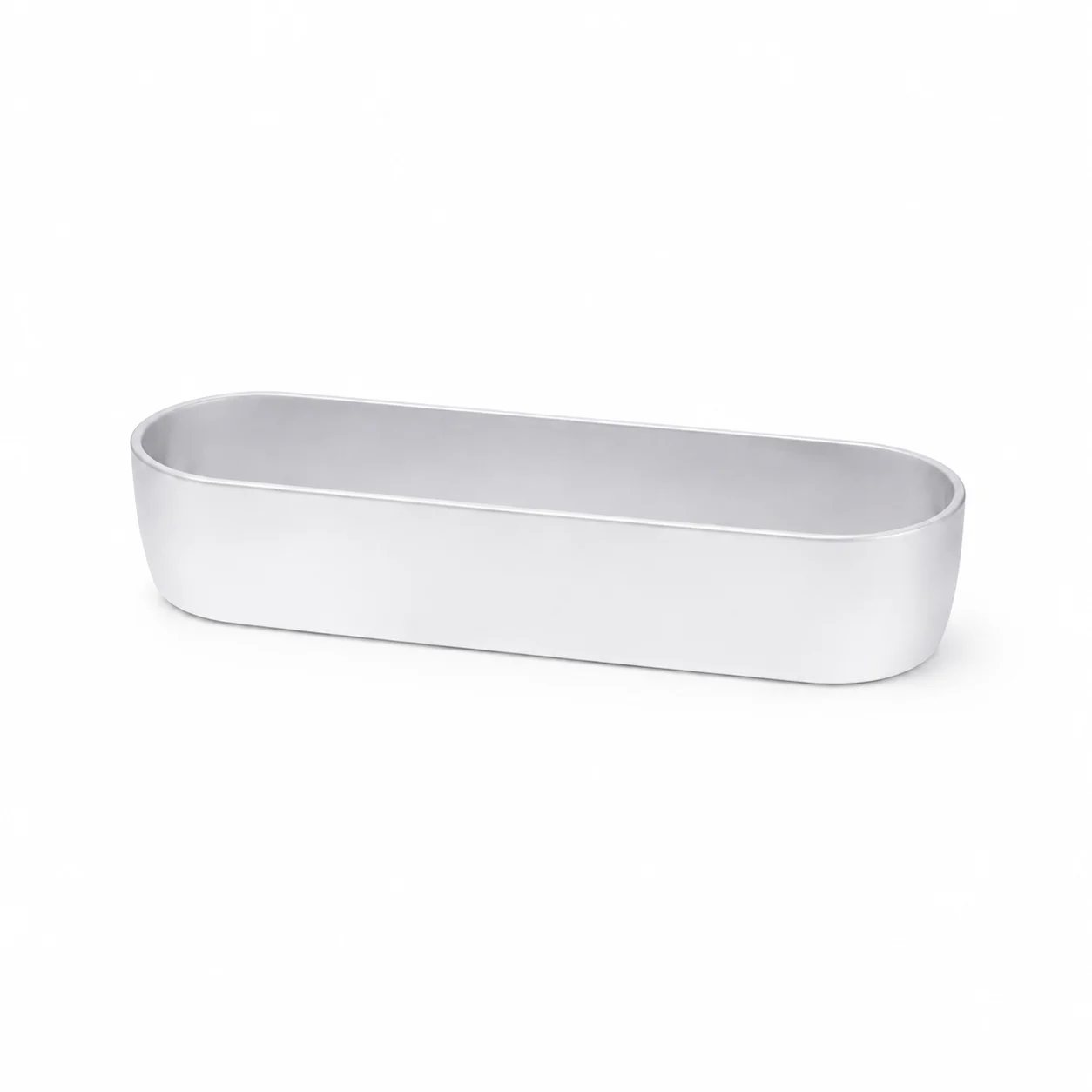
Custom OEM/ODM High-Strength Carbon-Steel Parts | Lost-Wax Casting and Precision-Machined Component Service
Let’s define your requirement
Send a product link, drawing or short brief. We’ll work through the details with you.
- Confirm the specificationGrade or model, size and intended use.
- Define your orderQuantity, finish or configuration, and samples.
- Agree the quotation scopeIncluded work, key checks and delivery needs.
-
Surface FinishPowder Coated , Sandblasted
-
MaterialAluminum, Brass, Bronze, Copper, Hardened Metals, Precious Metals etc.
-
ProcessDie casting, Sand casting, Investment casting, Lost foam casting etc.Heat treatmentQuenching & tempering; solution & aging
-
Surface treatmentPowder coating, Zinc plating, Laser engraving, Sandblasting etc.InspectionMetallographic analysis, MT, UT, RT, 100% visual+100%gauge, CMM etc.
-
OEM/ODMAcceptApplicationAuto, Motorcycle, Energy, Medical device, Robotics etc.
-
Drawing Format2D(PDF/CAD), 3D(IGES/STEP)CertificationISO9001:2015/IATF16949
-
StandardASTM, AISI, DIN, BS, JIS, NF, AS
Custom OEM/ODM carbon-steel parts use lost-wax casting and precision-machined work, with high strength as a qualitative direction for the selected component. Broader material and casting options allow the actual grade, route and treatments to be defined around the intended part and its duty.
Carbon steel and the wider material choices
Additional material directions include aluminum, brass, bronze, copper, hardened metals and precious metals. Casting routes include die, sand, investment/lost-wax and lost foam. Select the actual material and process for the component geometry, then connect its dimensional and strength acceptance to the chosen manufacturing scope.
Heat treatment and the finished surface
Heat-treatment directions cover quenching/tempering and solution/aging. Surface options include powder coating, zinc plating, laser engraving and sandblasting. Agree which treatment and finish apply to the actual material and required condition. Identify the relevant areas and their acceptance criteria, keeping those choices tied to the part's geometry and intended function.
Metallography, NDT and dimensional inspection
Inspection directions include metallographic analysis, MT, UT, RT and CMM. Visual checks and gauge checks each cover 100% of the requested parts. Agree the actual inspection method, areas and acceptance for the selected material and geometry. Relate those checks to the qualitative high-strength requirement and the finished component condition needed for its duty.
Application, standard references and design inputs
Use directions include automotive, motorcycle, energy, medical-device and robotics components. Reference families are ASTM, AISI, DIN, BS, JIS, NF and AS; define the actual material and acceptance requirements applicable to the part. Inputs include 2D PDF/CAD and 3D IGES/STEP. Bring the component function, operating conditions and any qualification needs together with that geometry and inspection scope for the OEM/ODM request.