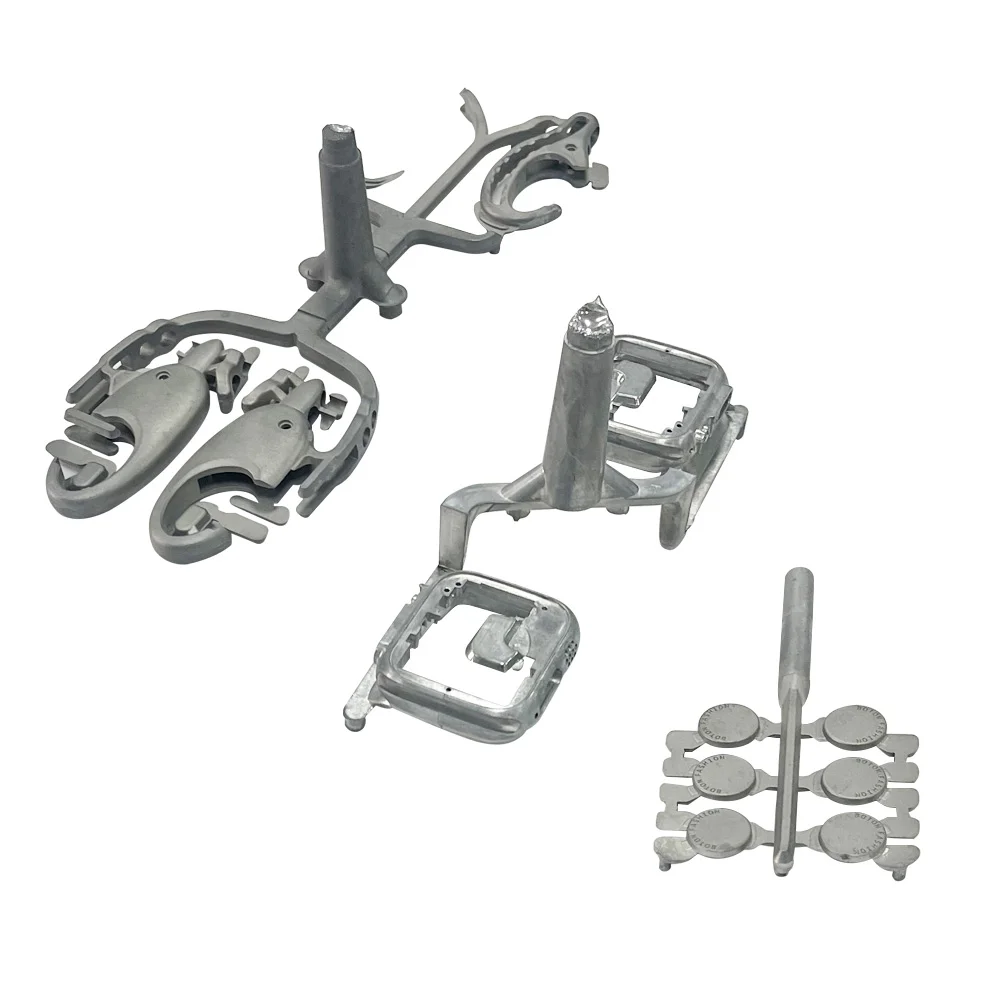
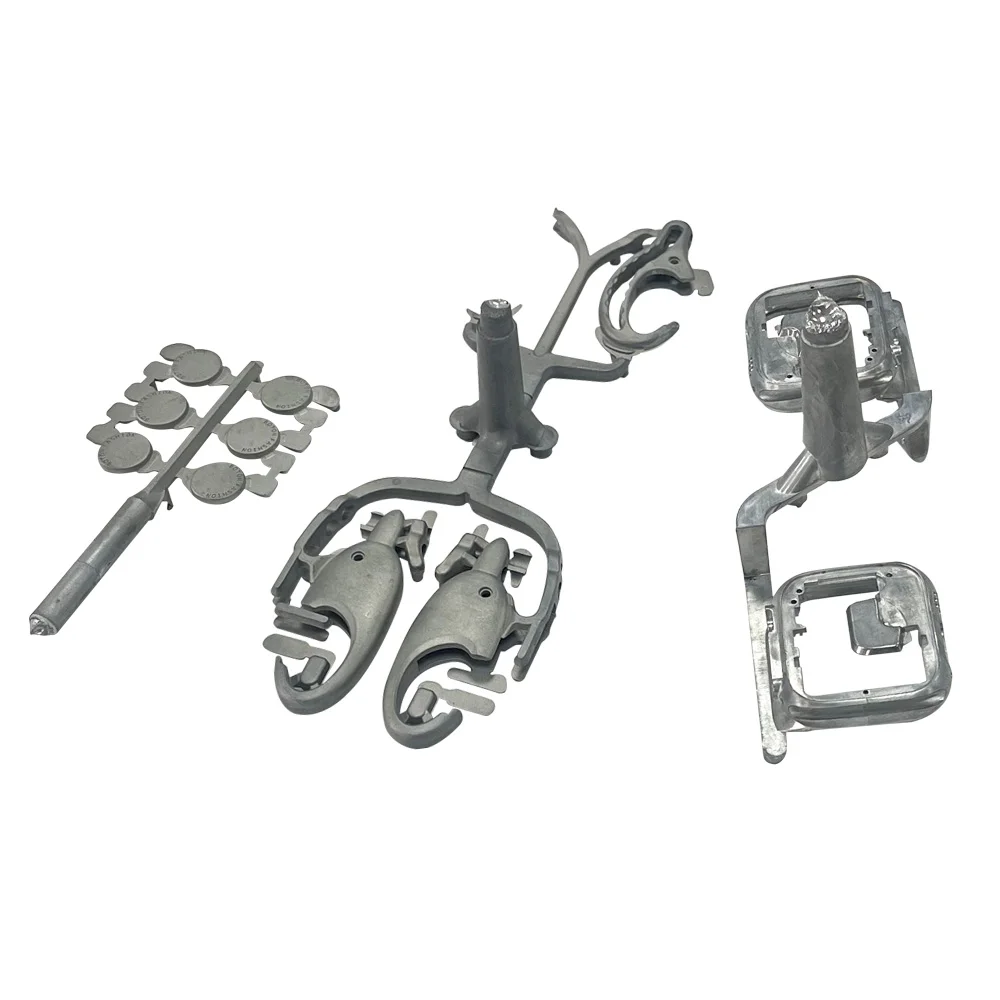
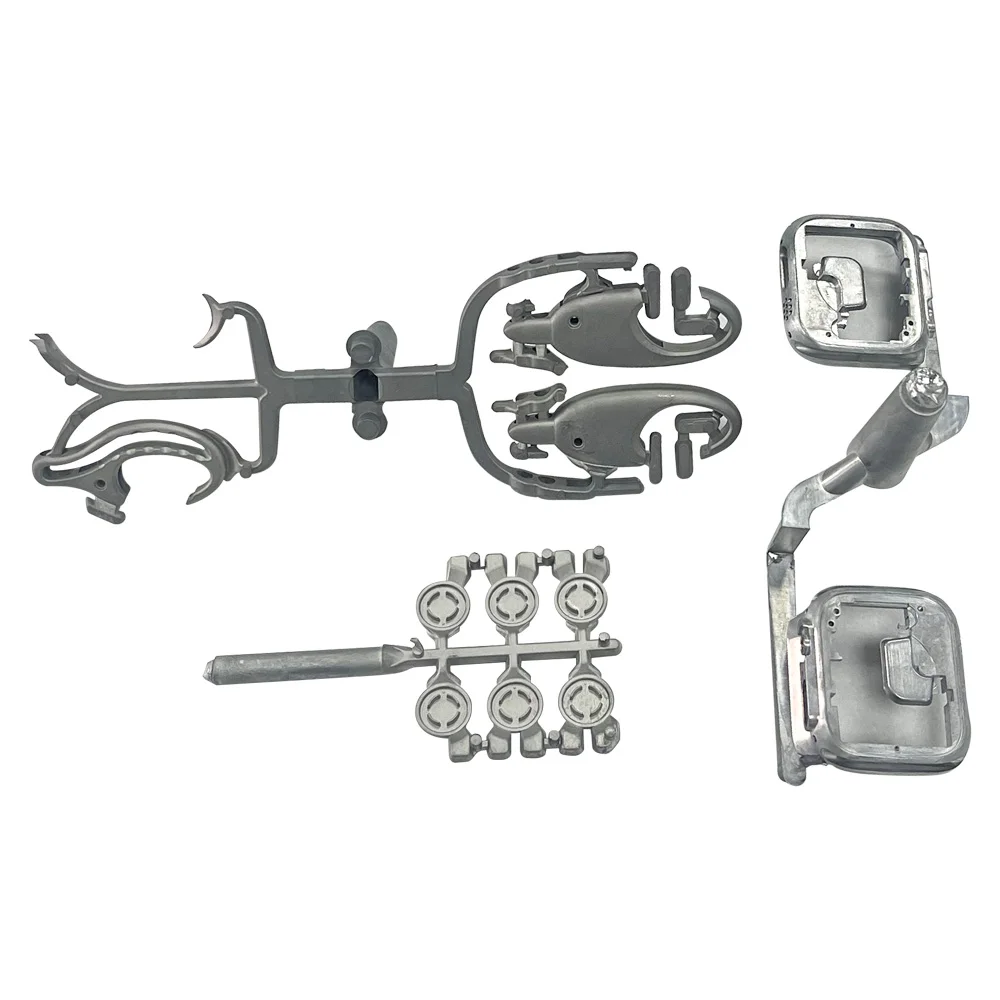
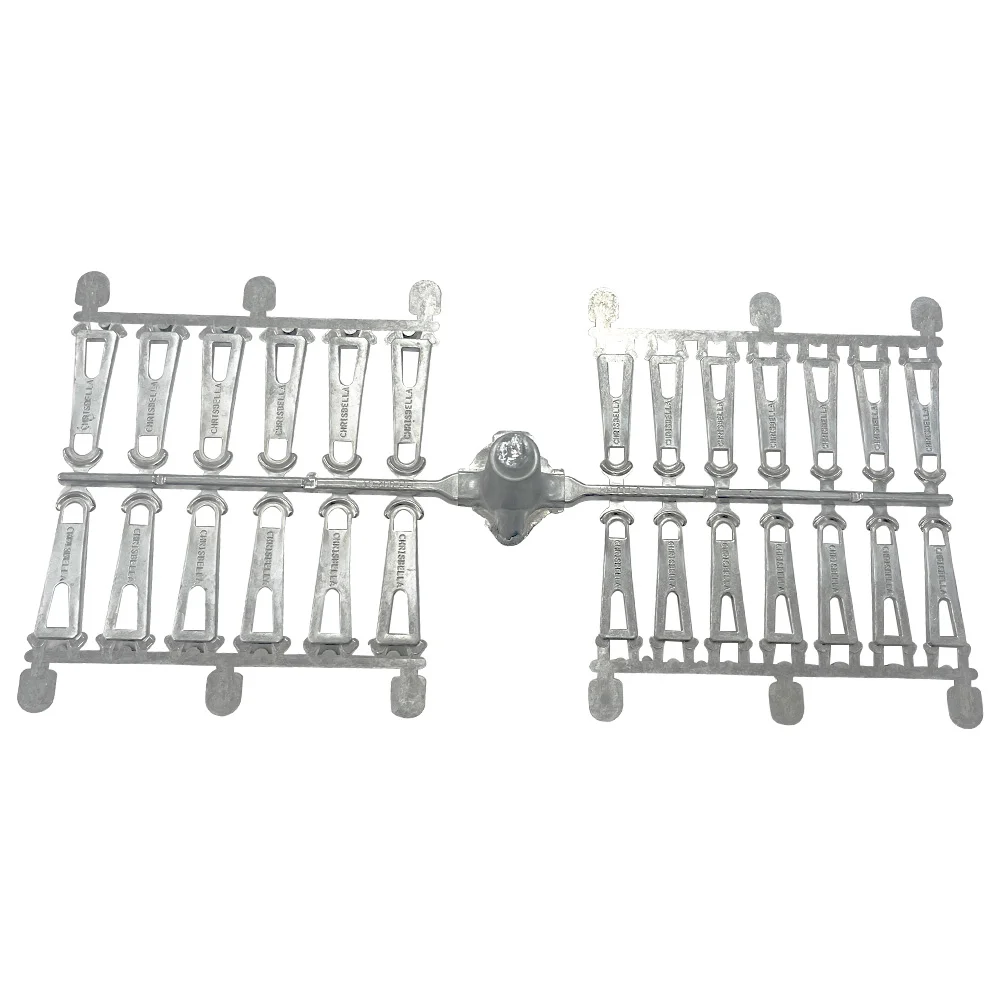
Custom OEM Aluminum and Zinc Die-Cast Tractor Spare Parts with 3D Drawing Shape and Color Customization
Let’s define your requirement
Send a product link, drawing or short brief. We’ll work through the details with you.
- Confirm the specificationGrade or model, size and intended use.
- Define your orderQuantity, finish or configuration, and samples.
- Agree the quotation scopeIncluded work, key checks and delivery needs.
-
Product nameDie Casting Parts
-
ServiceCustomized OEMColorCustomized Color
-
SizeCustomer's 3D DrawingShapeCustomized Shape
-
Surface treatmentCustomers' DemandMOQ10
-
Lead Time5-14 daysQuality ControlStrictly 100% Inspection
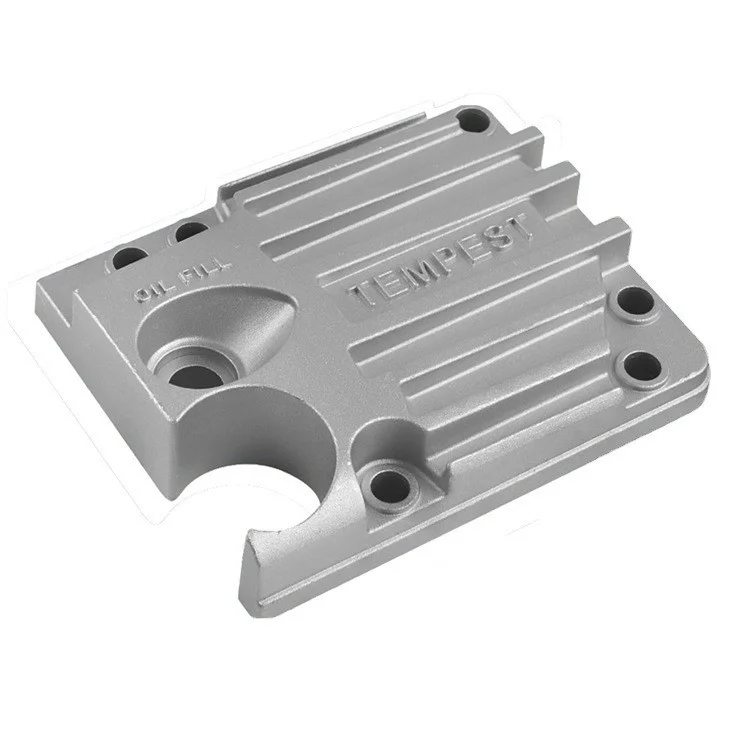
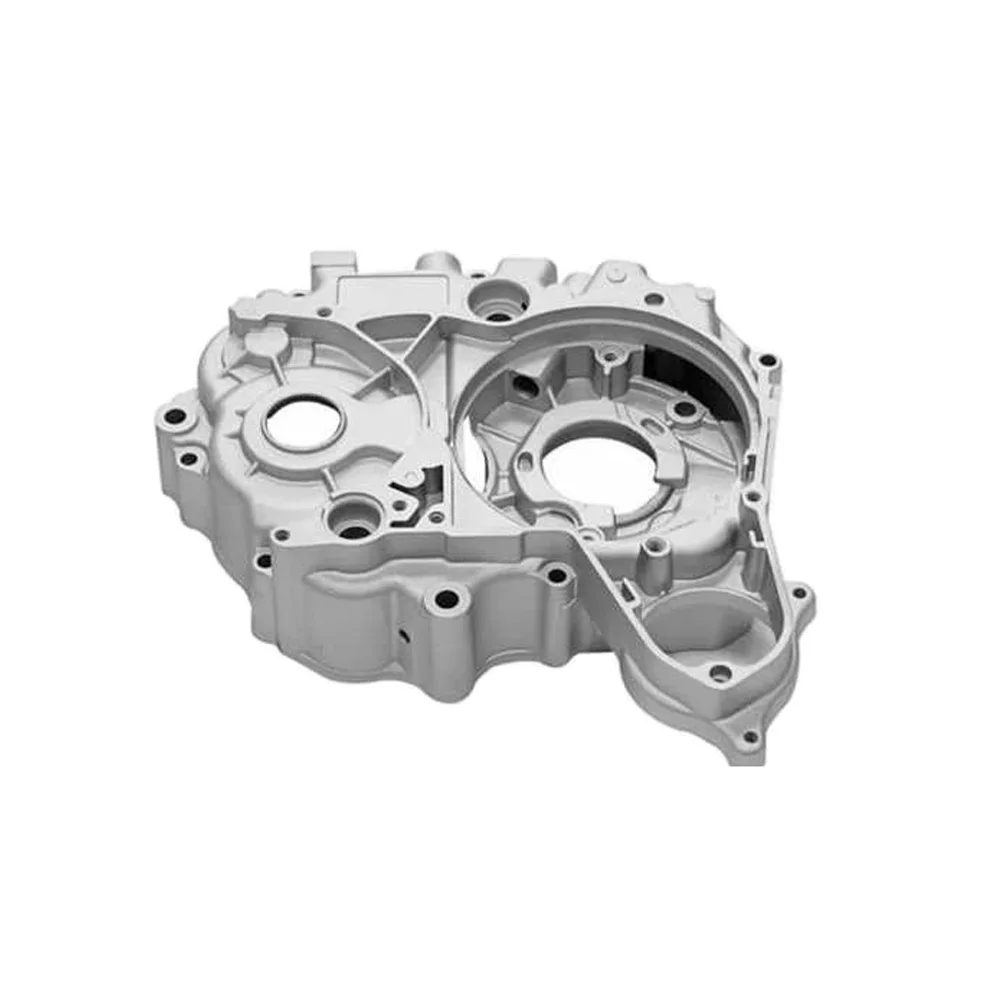
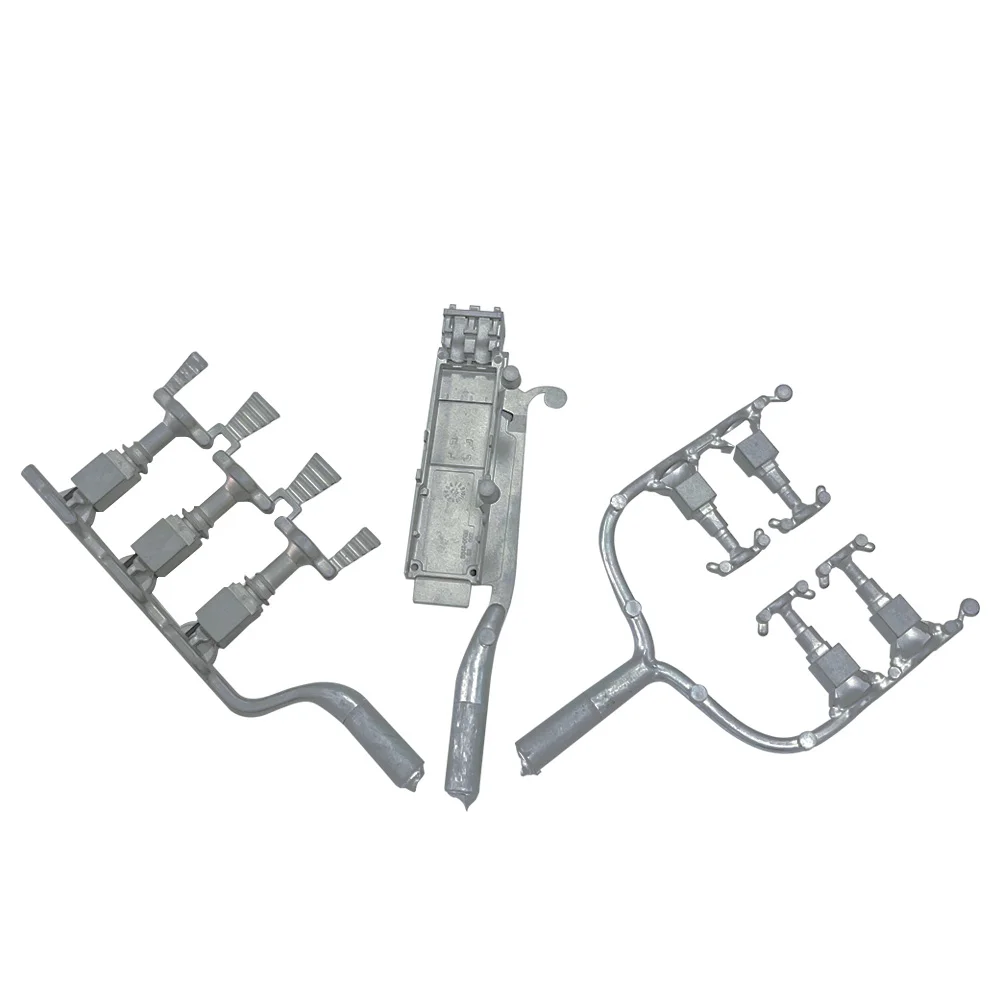
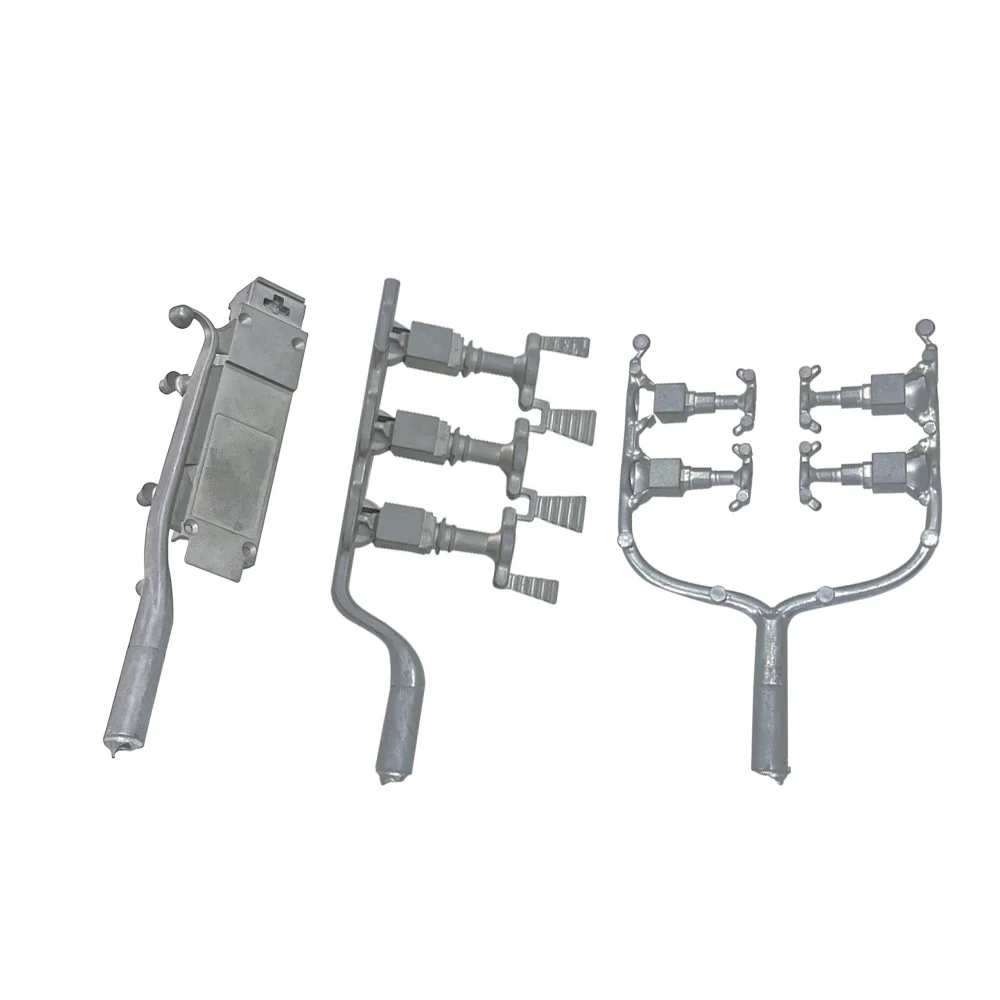
A custom tractor spare part begins with the geometry required by the tractor assembly. This OEM die-casting offering supports aluminum or zinc component inquiries, with shape, dimensions, color and surface treatment chosen for the part rather than tied to a fixed stock configuration.
Use the 3D drawing to define the tractor part
The customer's 3D drawing establishes the size requirement for the component. Identify the part's overall shape and the dimensions that connect it to the intended tractor assembly, then specify the alloy required for that design. Keeping those requirements together gives the die-casting inquiry a precise component reference without assuming that a general spare-part description establishes fit for every tractor model.
- Material direction
- Aluminum or zinc, selected for the individual die-cast component.
- Geometry reference
- The customer's 3D drawing with the required shape and dimensions.
Coordinate custom shape with color and surface
Shape and color can both be customized, while surface treatment follows the customer's requirement. Describe the final color and accepted surface condition alongside the component geometry so those choices refer to the same tractor part. A color choice should remain clear within the finish brief, with any relevant surfaces identified before the proposed component is approved.
Inspect the agreed spare-part definition
Quality control specifies 100% inspection. Establish the dimensions, shape and surface points that determine acceptance for this particular OEM component, then use that agreed definition when reviewing the proposed casting. The inspection discussion should correspond to the selected alloy and finished condition. For a replacement or new tractor component, the useful decision is whether that defined part matches the intended assembly requirements.