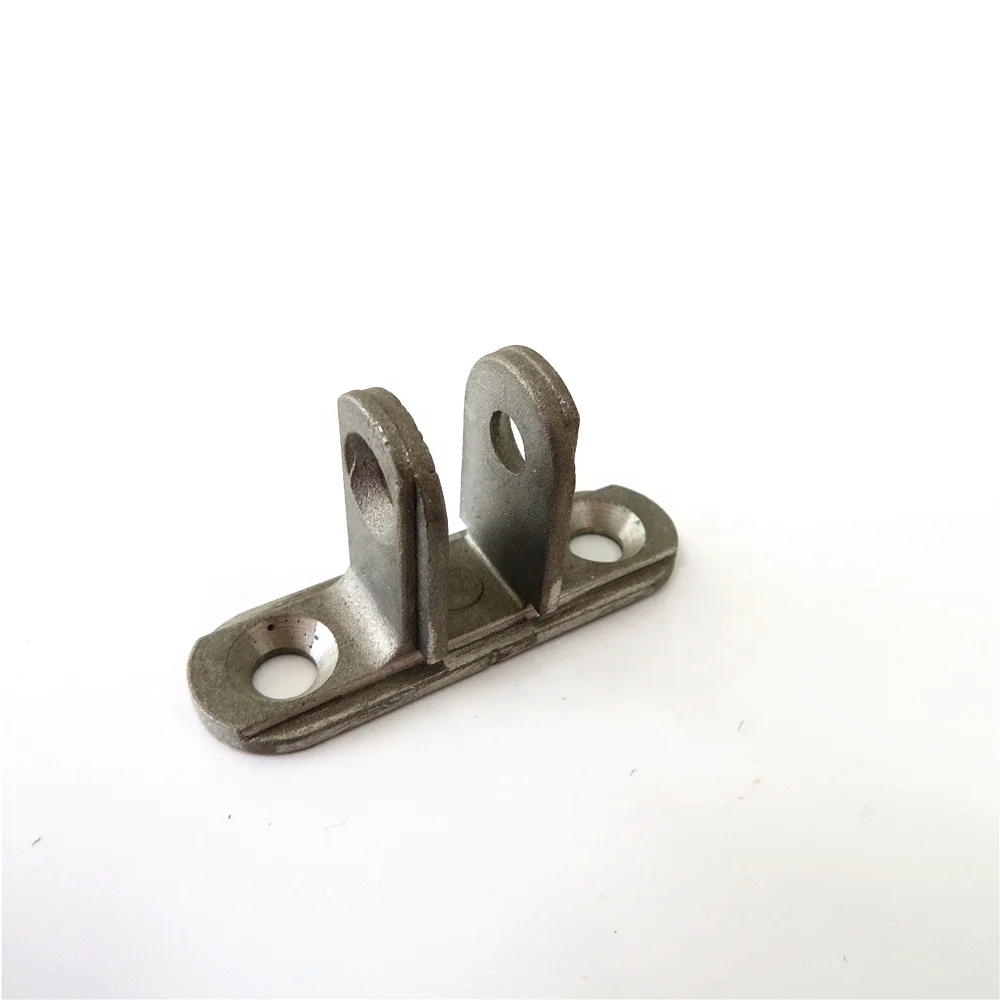
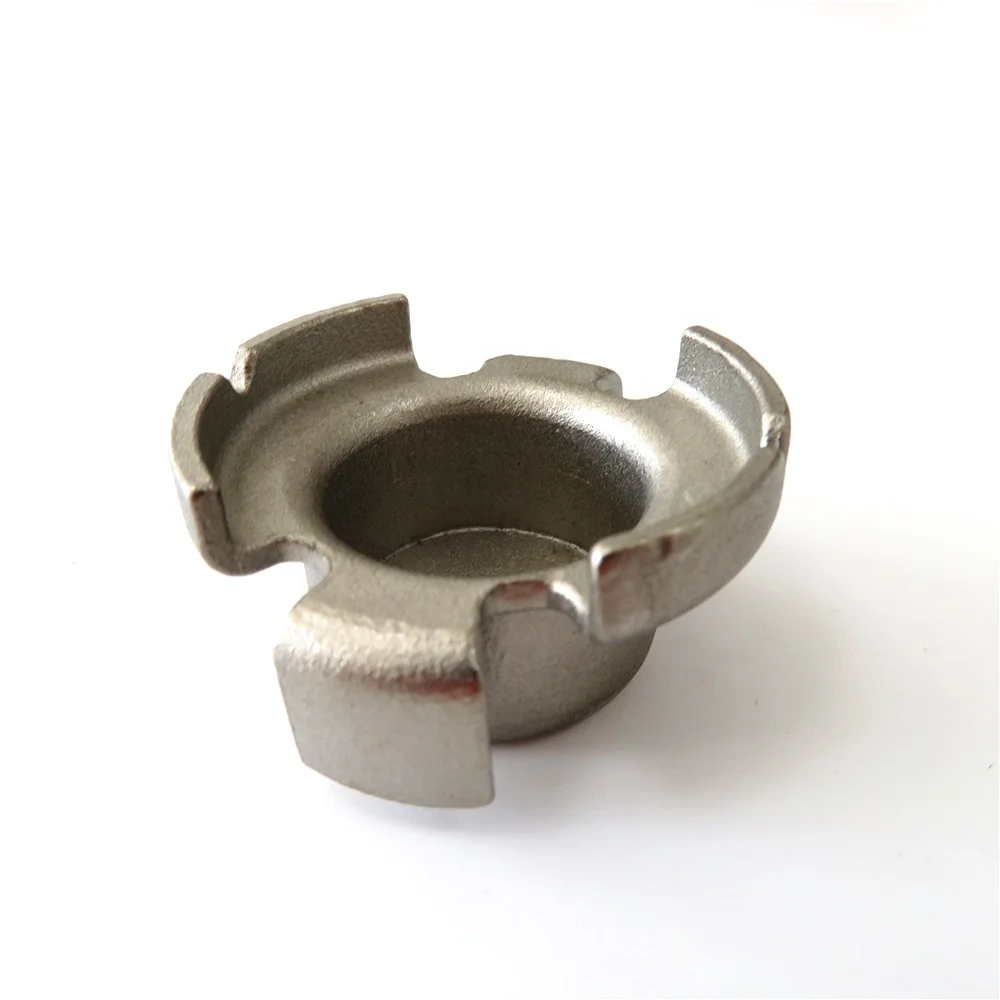
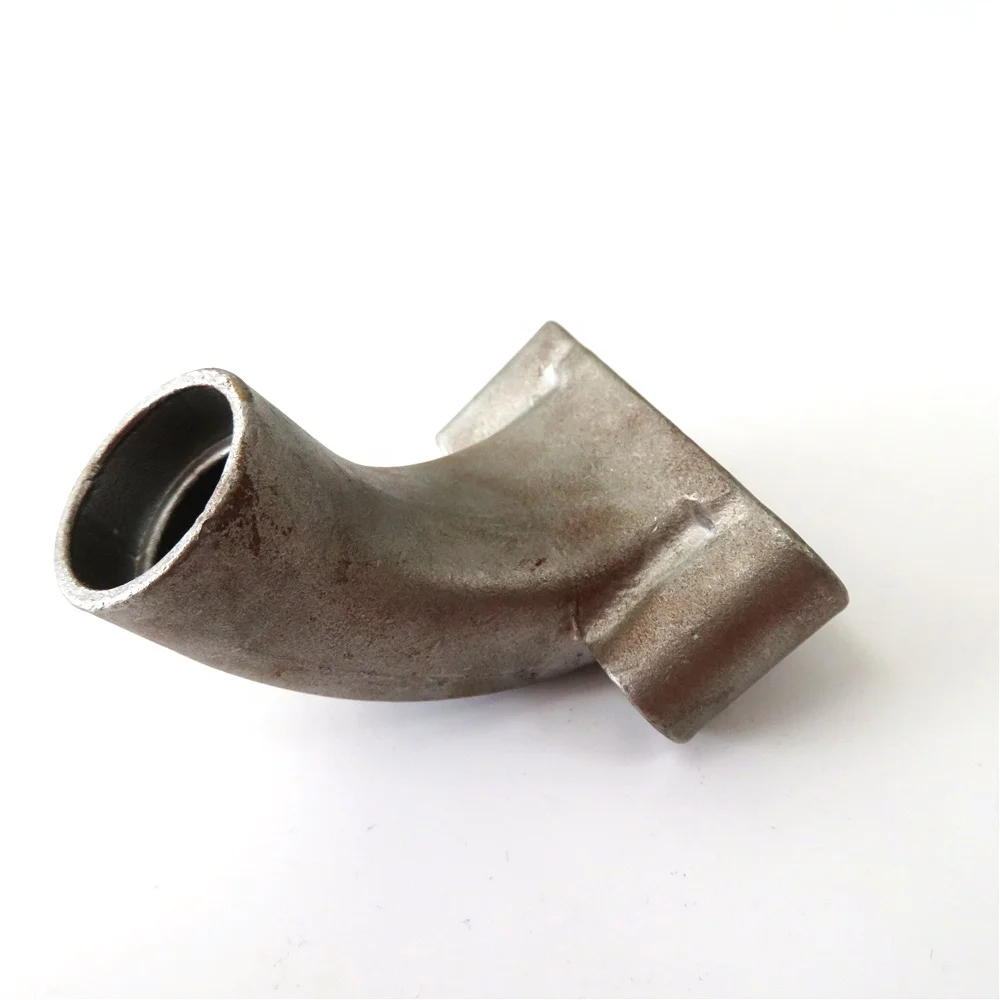
Custom Industrial Stainless Lost-Wax Investment Castings with CNC and Selected Heat Treatment
Let’s define your requirement
Send a product link, drawing or short brief. We’ll work through the details with you.
- Confirm the specificationGrade or model, size and intended use.
- Define your orderQuantity, finish or configuration, and samples.
- Agree the quotation scopeIncluded work, key checks and delivery needs.
-
Surface FinishSandblasted , Polished
-
Itemlost wax casting for industrial, foundry Stainless steel casting
-
Servicelost wax investment casting + cnc machiningMaterialaluminum, zamak, zinc, stainless steel
-
ProcessPrecision Die Casting+machiningsecondary machiningmilling, tapping, grinding, turing
-
Surface treatmentpowder coating, sand blasting, painting,electroplatingother surface finishpolishing, spraying coating, deburring, grinding,anodizing
-
Heat treatmentAnneal, quenching, temperingFeatureanti-wear, strong abrasion resistance, anti-friction mold
-
ApplicationIndustry, machinery,auto,furniture,electrical, consturction,building
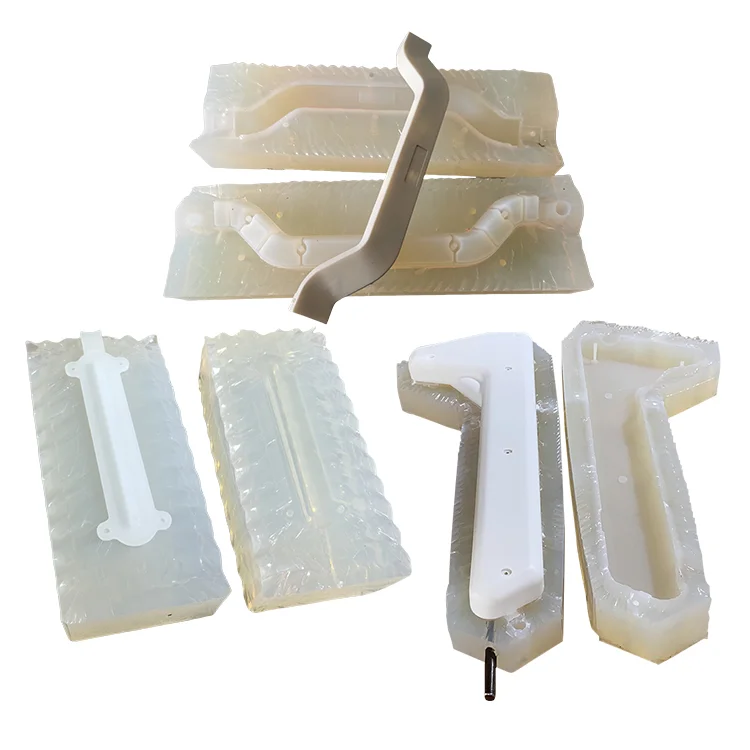
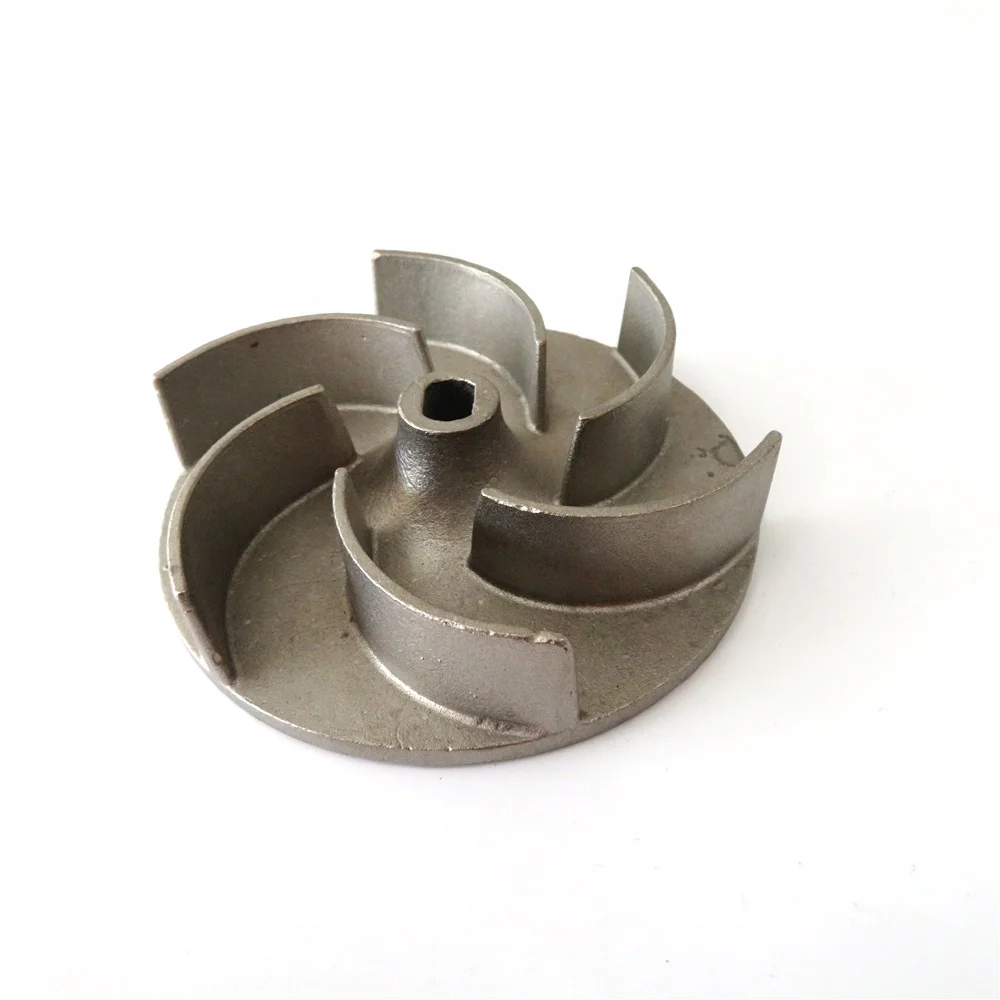
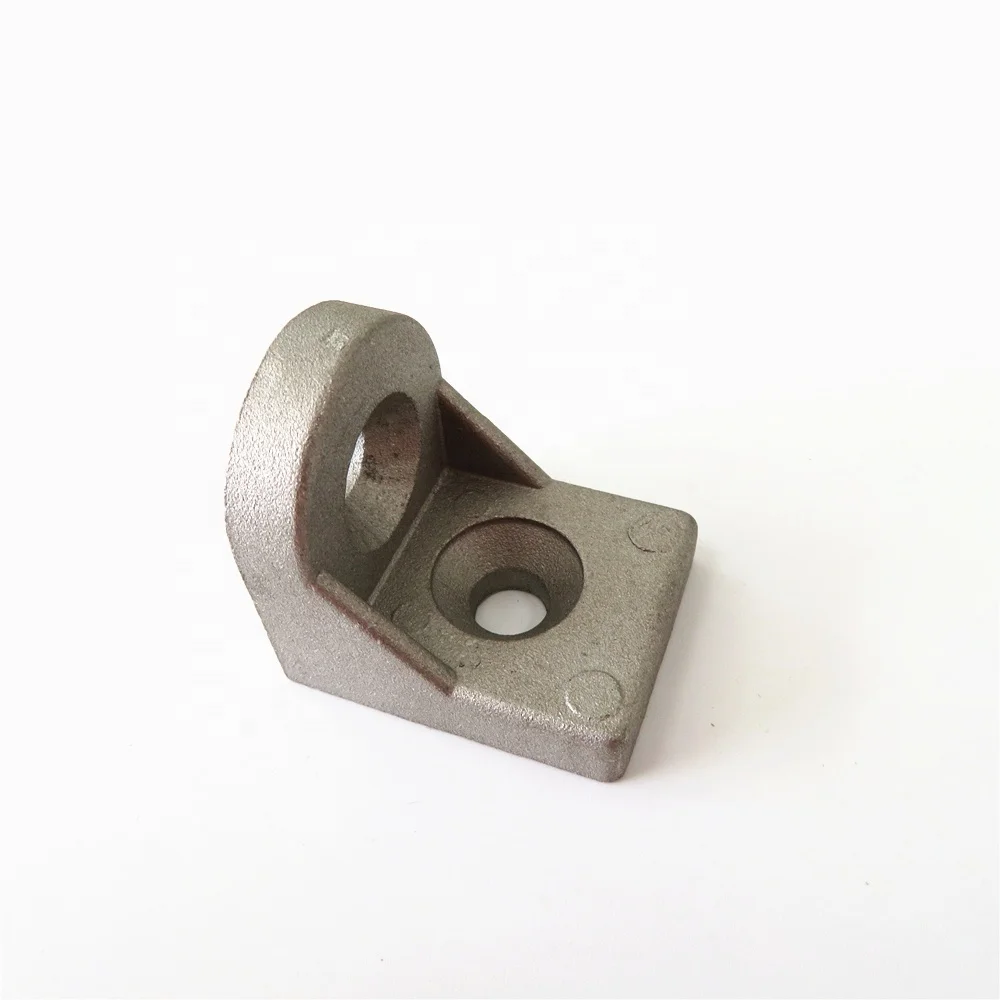
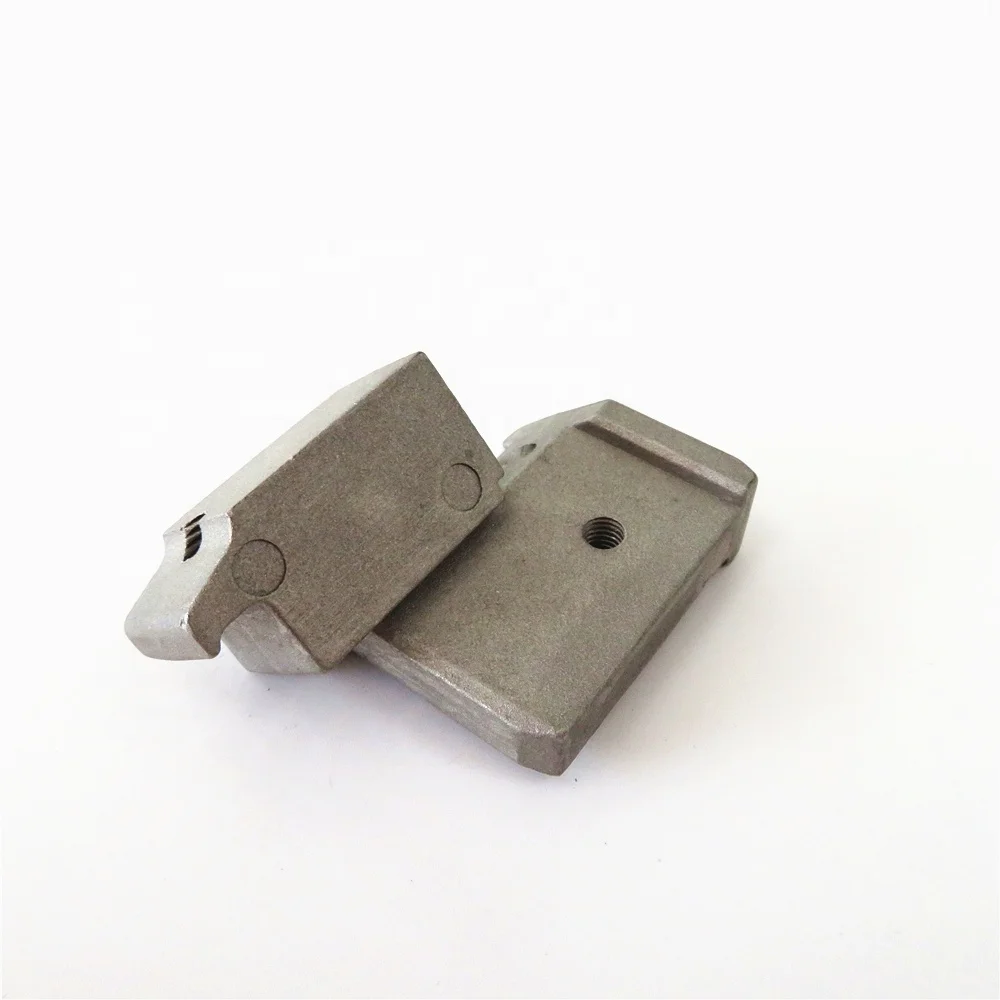
Custom industrial casting work includes stainless-steel lost-wax investment casting with CNC machining. Aluminum, zamak, zinc and precision die-casting directions require actual material and route selection, so the chosen component establishes which casting and machining work applies.
Industrial geometry and secondary operation selection
Milling, tapping and grinding are secondary-machining directions, alongside the turing process label whose intended operation needs clarification. Allocate the chosen operations to the actual component geometry and controlled limits. This keeps the secondary work tied to the required finished dimensions rather than an assumed numerical precision.
Heat treatment for the selected material condition
Annealing, quenching and tempering are available heat-treatment directions to select for the actual material and duty. Agree the required cycle, resulting condition and acceptance criteria for the chosen work. A heat-treatment direction alone does not define a universal cycle or measured property for every casting material.
Coating, finishing and surface-preparation work
Powder coating, sandblasting, painting and electroplating are surface-work directions, together with polishing, spraying coating, deburring, grinding and anodizing. Choose the actual treatment or preparation work and identify the relevant areas. Connect those choices with the required dimension and finished-surface condition for the selected material.
Wear duty and industrial application acceptance
Anti-wear and strong abrasion resistance are qualitative directions requiring the actual working duty and acceptance criteria. Clarify the intended anti-friction mold role where requested. Industrial, machinery, automotive, furniture, electrical, construction and building are application directions; establish the component's actual interfaces and functional requirements. Agree the supplied grade, cast/CNC limits, heat and surface condition, quantity and inspection responsibilities for that specific component.